How AI will turn humans into cyborgs?

AI is merging with human biology, from brain-computer interfaces to bio-integrated machines. Here are few ways AI and technology could turn people into cyborgs. read more below.
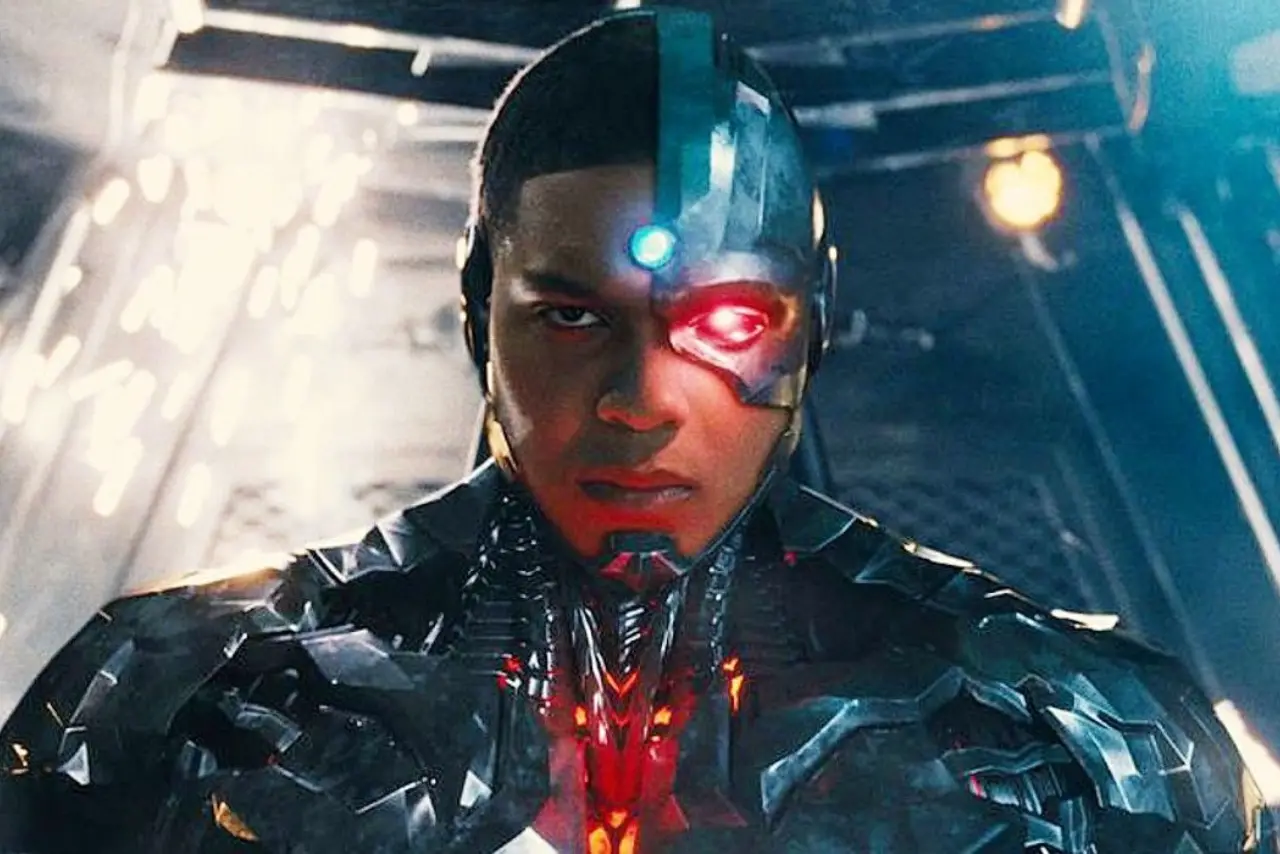
Is the Cyborg Future Here?
Slide 1: Is the Cyborg Future Here?
Cyborg is a man-machine system in which the control mechanisms of the human portion are modified externally by drugs or regulatory devices so that the being can live in an environment different from the normal one.
As AI and advanced tech are starting to blend with the human body. As per the Nature Neuroscience review, brain-computer interfaces and smart prosthetics mean the first “cyborg” humans are already among us as trials begin worldwide.
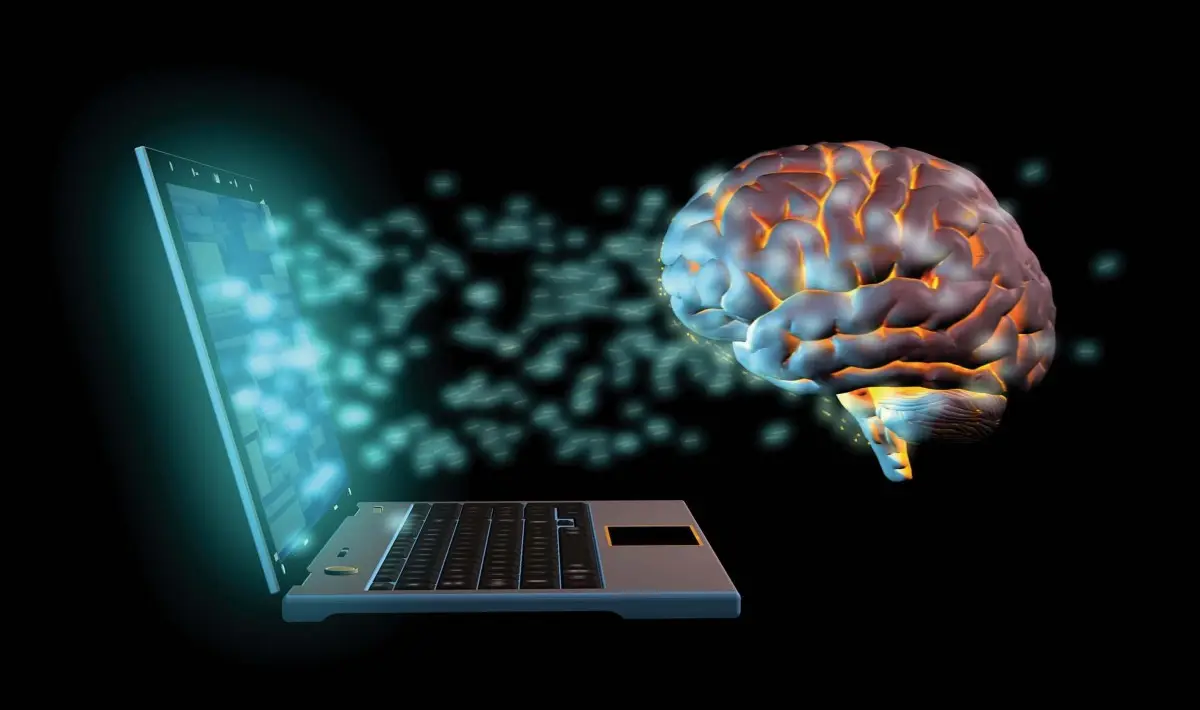
Brain-Computer Interfaces (BCIs)
BCIs can connect your brain directly to computers. Like Elon Musk’s Neuralink aim to let people control devices with thought, as he stated that initially it will help paralysed patients move, and even send data between brain and machine.
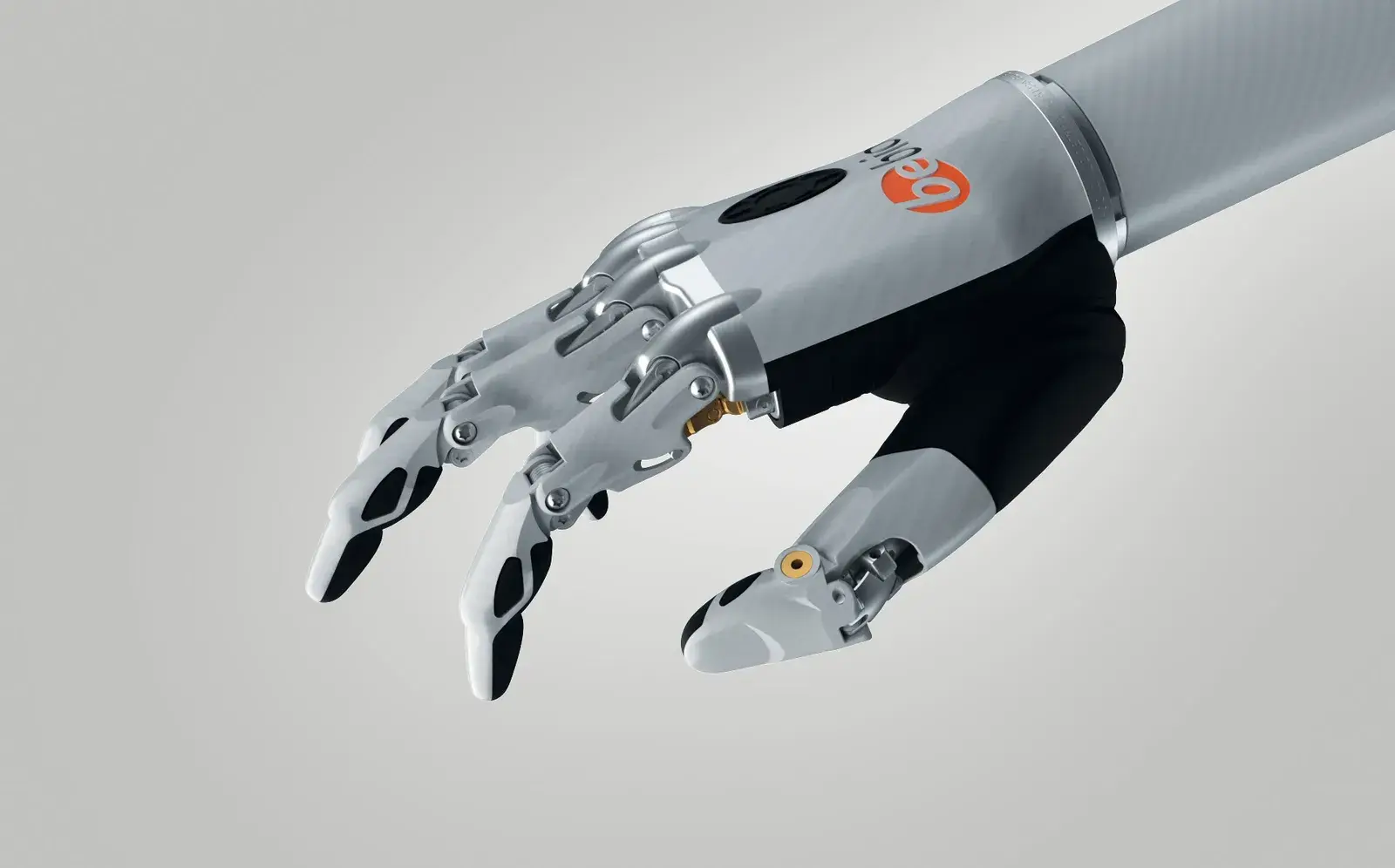
Smart Prosthetics Get Smarter
AI-powered prosthetic arms and legs can learn movements and link to nerves, allowing it more natural movement for amputees. Firms like Open Bionics and Össur are making affordable, mind-controlled bionic limbs already available in clinics.
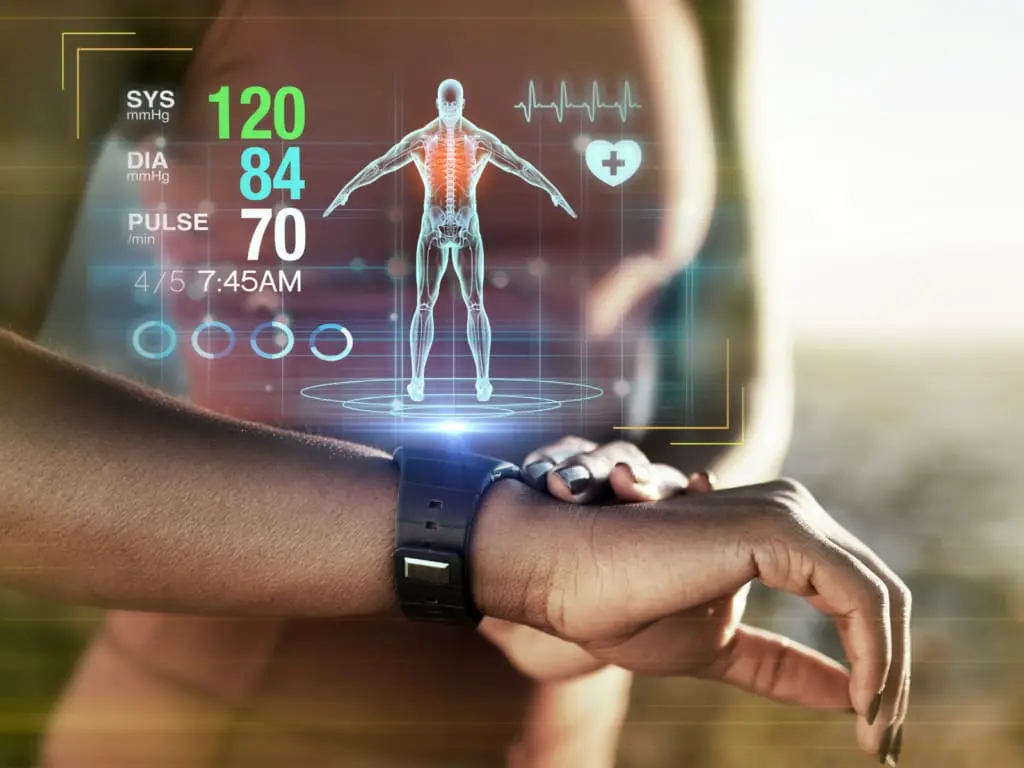
Wearable and Implanted Computers
Smart wearable tech, from smart glasses to heart implants, keeps getting smaller and more powerful. These AI gadgets can track health, warn your doctor, and even translate speech in real time, according to MIT’s Technology Review.
Nanotechnology and Regeneration
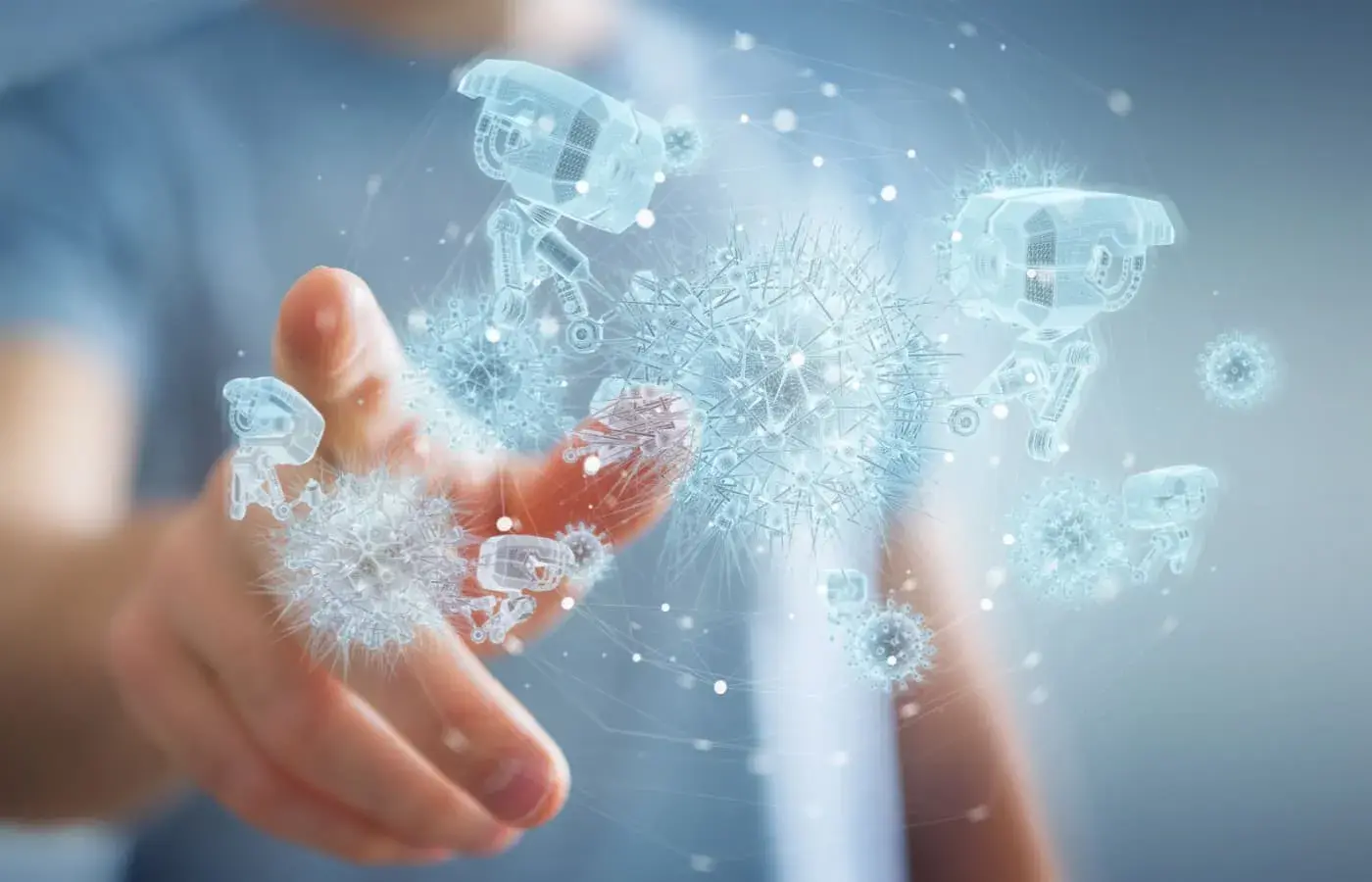
AI Researchers are exploring tiny nanobots powered by AI that could repair tissue, kill cancer cells, or release drugs at the right moment. Regenerative medicine may blend living and artificial cells for healing, blurring where “human” ends and “robot” begins.
New Abilities And New Concerns
AI could mean enhanced strength, memory, and senses. But ethicists warn about privacy, autonomy, and fair access. Who owns your brain data, and will everyone benefit equally?
The Cyborg Future: Hype, Hope, or Here?
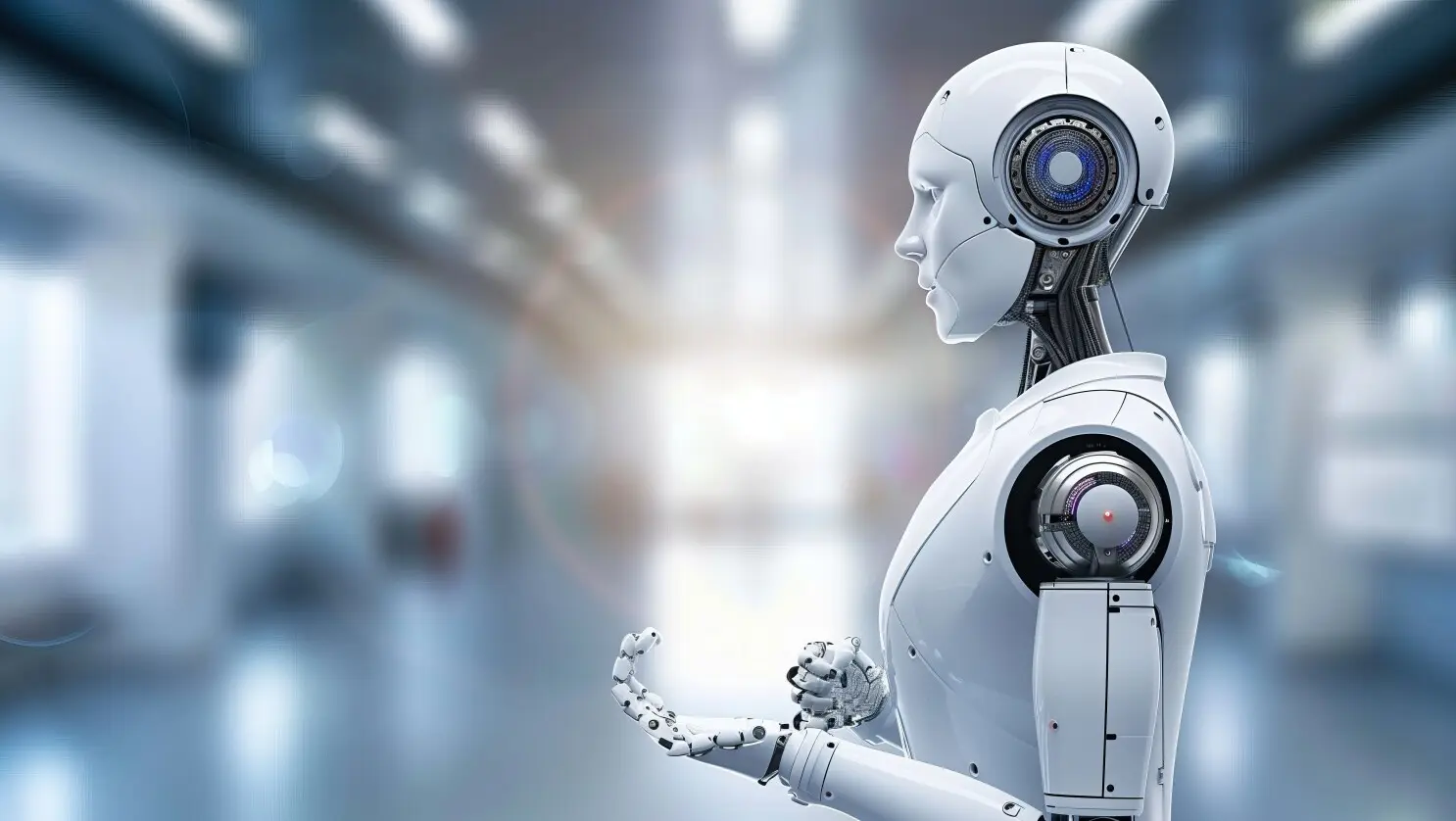
Real-world trials are ongoing, but widespread AI-human merging is still years off. Experts say we must plan carefully for this future maximising benefits and guarding human values.
)
)
)
)
)