How AI is reshaping high-G design for next-gen fighter jets

AI is transforming fighter aircraft design by testing millions of concepts in hours, cutting weight by up to 50%, predicting material failure, speeding up aerodynamics, and allowing designs no human pilot could endure.
How AI Changes Fighter Design
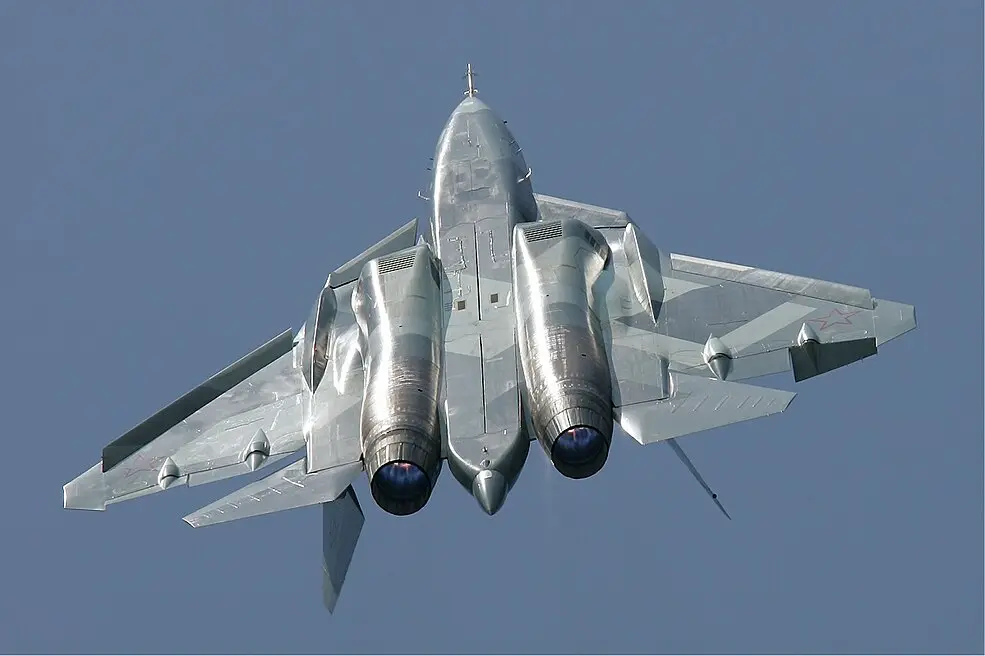
AI thinks about design differently. Humans follow established rules. AI explores millions of possibilities instantly. Testing millions of designs takes hours with AI instead of weeks with humans. For high-G fighters, this speed matters. AI finds solutions that would never occur to human engineers. This transforms how next-generation fighters are built.
Lighter Aircraft Fly Faster And Farther
AI topology optimisation removes unnecessary material. Traditional designs use material everywhere. AI uses material only where needed. Aircraft designed with AI weigh 30 to 54 percent less. Lighter aircraft accelerate faster. They climb higher. They use less fuel. For combat, weight reduction is huge.
Predicting Material Failure Under Stress
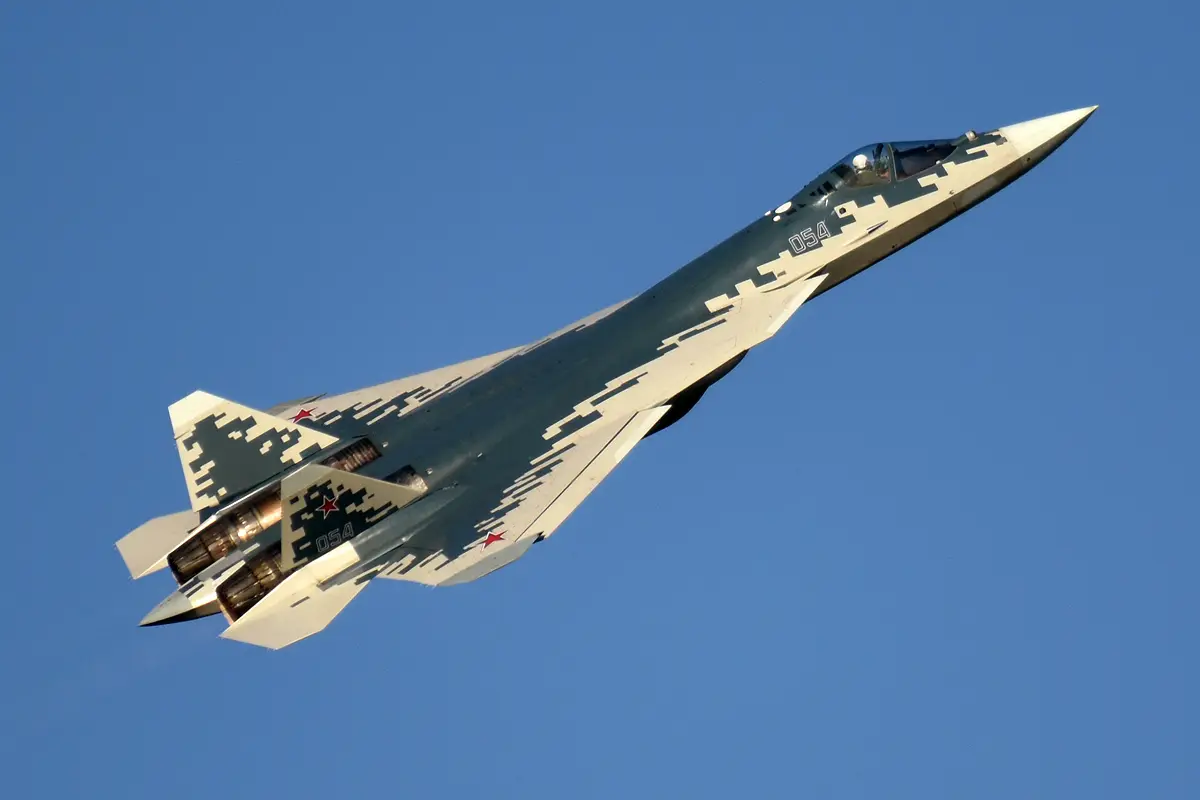
At 9 G-forces, materials experience crushing stress. AI uses neural networks to predict failure points. It learns from thousands of previous failures. It knows exactly where cracks will form. Engineers design structures avoiding these failure points. No physical testing needed.
Simulating Aerodynamics Much Faster
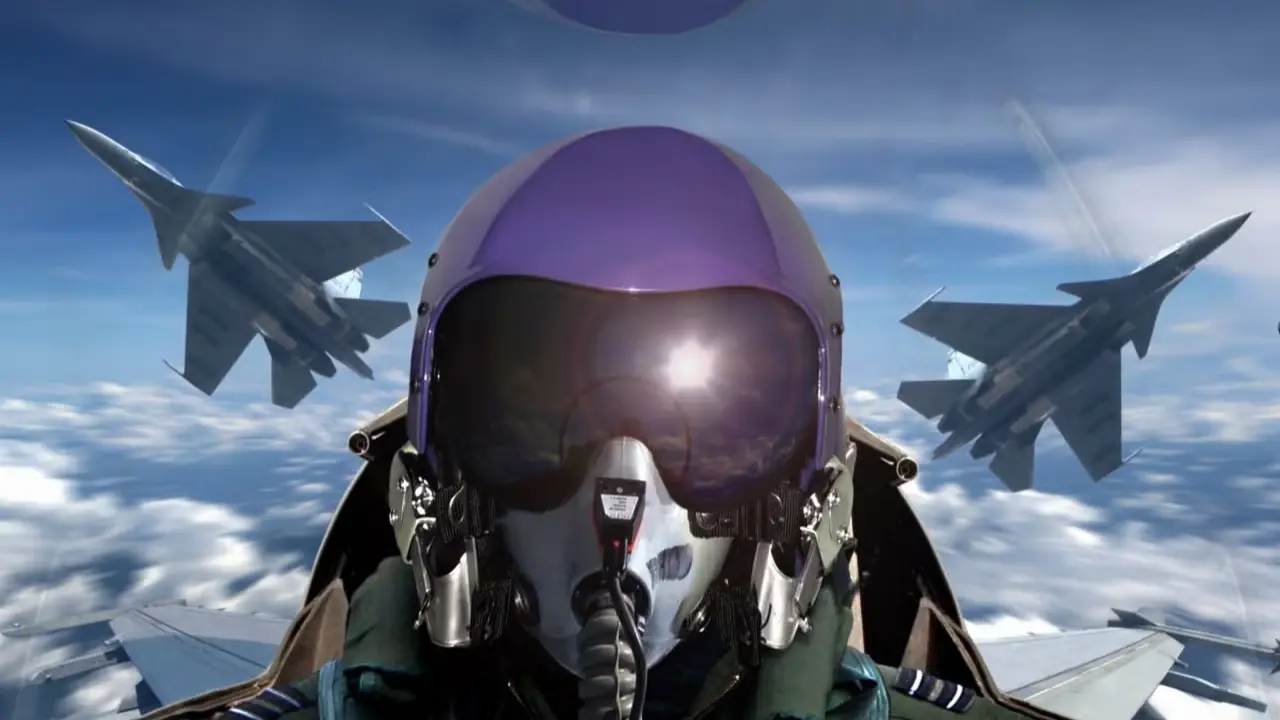
Aerodynamic simulation traditionally takes weeks. AI neural networks do the same simulation in hours. They predict shock waves and turbulence accurately. Aerodynamicists test hundreds of wing shapes quickly. Traditional methods allowed only a handful. Faster iteration leads to better aircraft.
Designing Without Human Pilot Limits
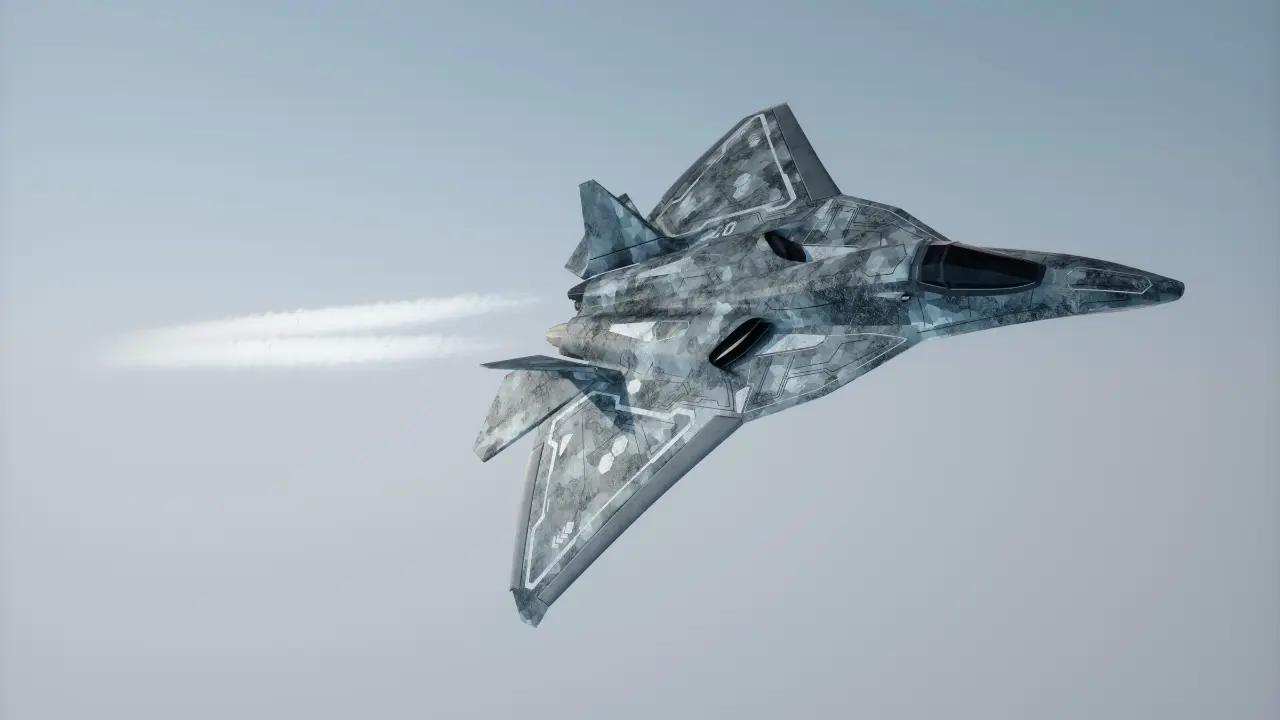
Current fighters protect pilots from extreme forces. Humans tolerate about 9 G-forces. AI pilots tolerate unlimited G-forces. This allows lighter, more extreme designs. Shield AI's X-BAT reaches 50,000 feet without human constraints. Aircraft can perform manoeuvres that would kill people.
Multiple AI Techniques Working Together
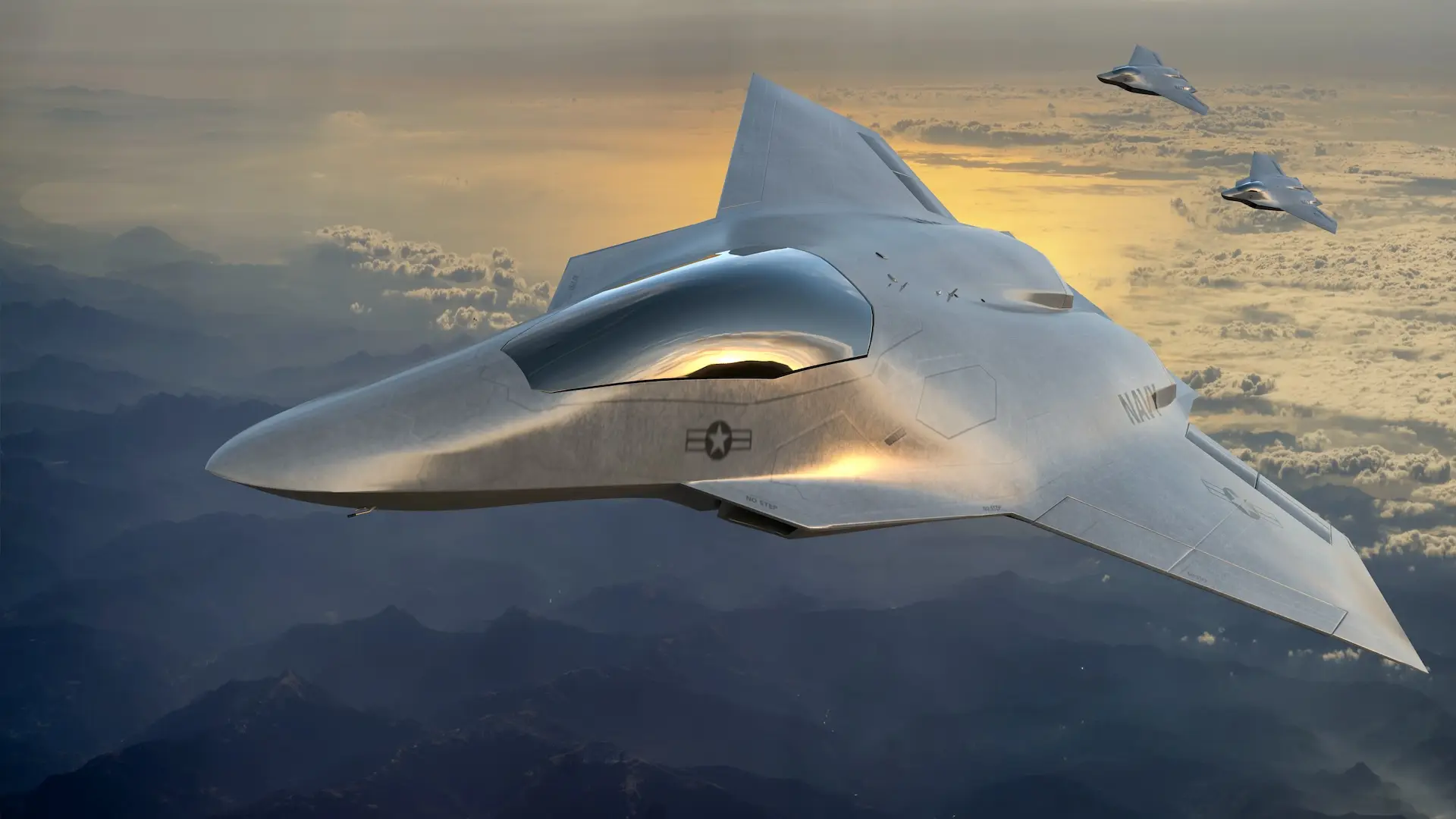
Genetic algorithms explore different designs. Neural networks evaluate performance. Best designs are selected and evolved further. This repeats thousands of times. Each generation improves. Design time reduced from six months to weeks.
Machine learning could reduce weight by 30 percent
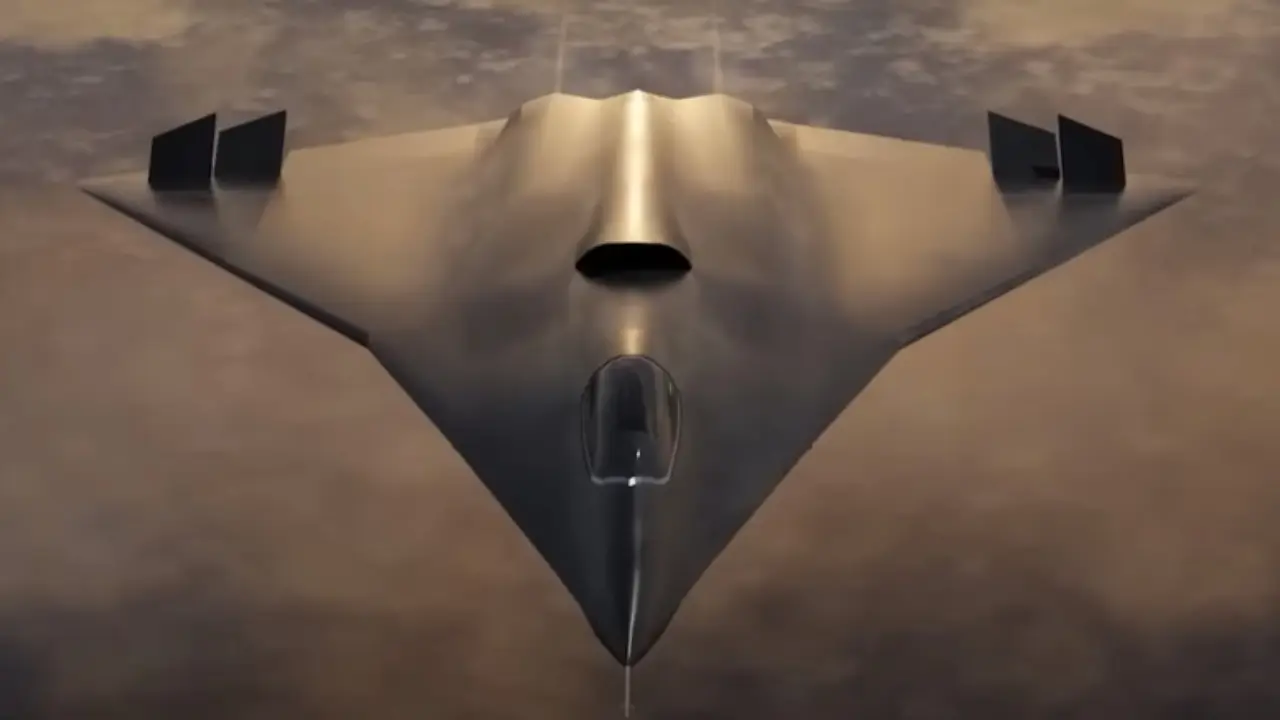
India's Tejas Mk2 used traditional design methods. Tejas Mk3 could use AI extensively. Machine learning could reduce weight by 30 percent. Design timelines could accelerate dramatically. AI offers India a shortcut to advanced fighters. Next-generation Tejas could be truly revolutionary.
)
)
)
)
)