Hiroshima Day 2025: What’s the history and significance of the ‘catastrophic moment’ in World War II

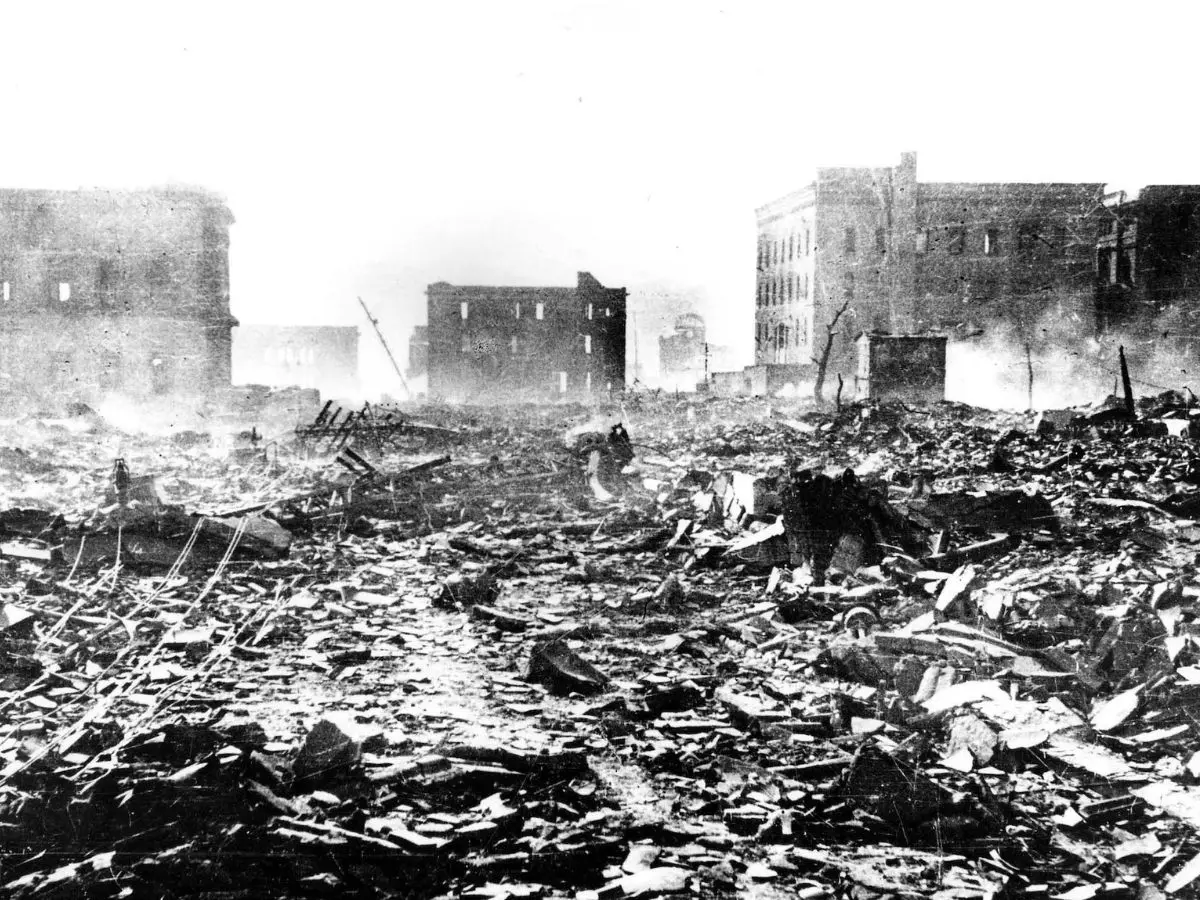
Hiroshima Day is observed every year on August 6 to remember the atomic bombing of Hiroshima in Japan, 1945. The attack led to many deaths and left many survivors (Hibakusha) suffering from the lasting effects of radiation.
Date and Importance
Hiroshima Day is observed every year on August 6. In 2025, the day will mark 80 years since the atomic bombing of Hiroshima, Japan, in 1945. It is a time to remember the tragedy, its impact and renew the call for peace.
History
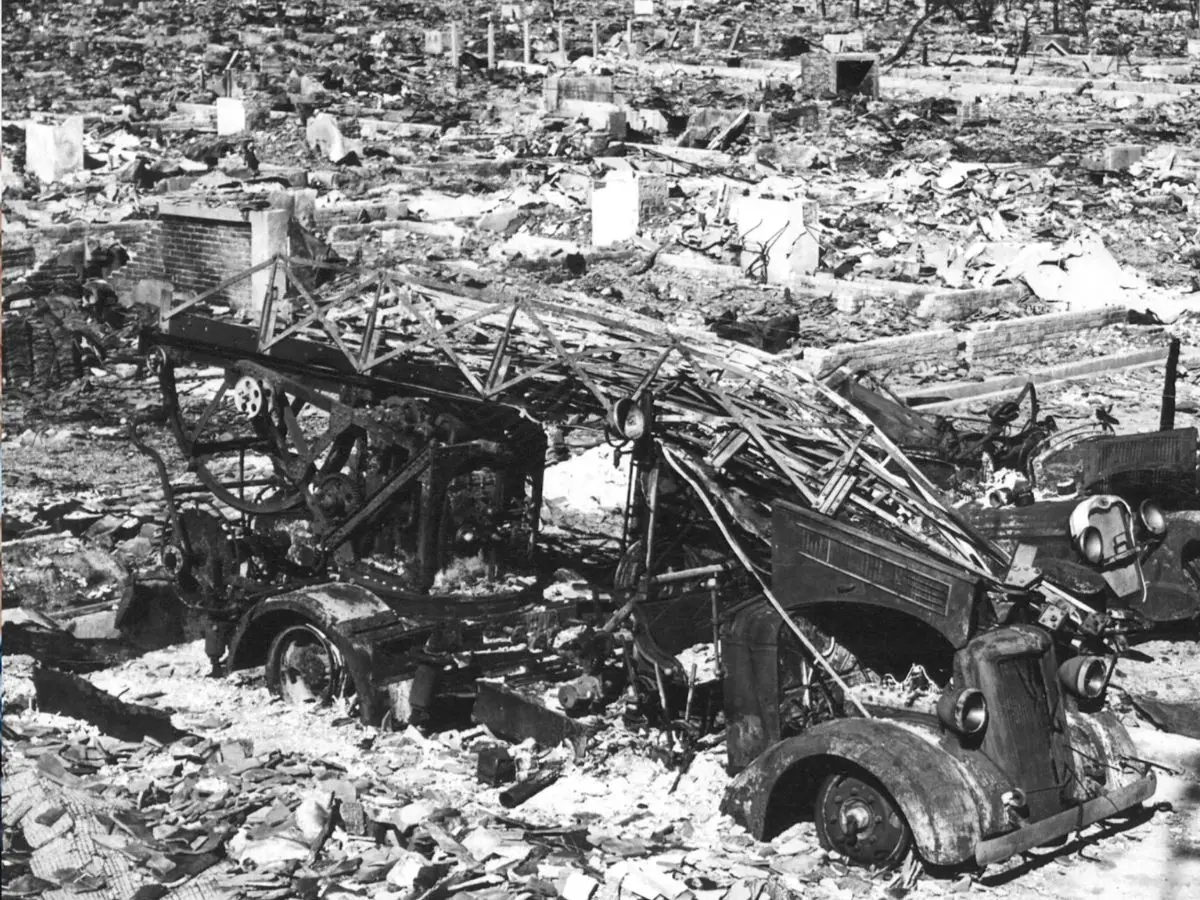
According to the National Museum of Nuclear Science & History, the United States dropped the first atomic bomb on Hiroshima in Japan on 6 August, 1945, during World War II. The atomic bomb, called "Little Boy", used uranium and exploded with the full power of about 13,000 tonnes of TNT.
At that time, Hiroshima had a population of about 280,000 to 290,000 civilians and 43,000 soldiers. It is estimated that 90,000 to 166,000 people died within four months after the bombing.
Significance
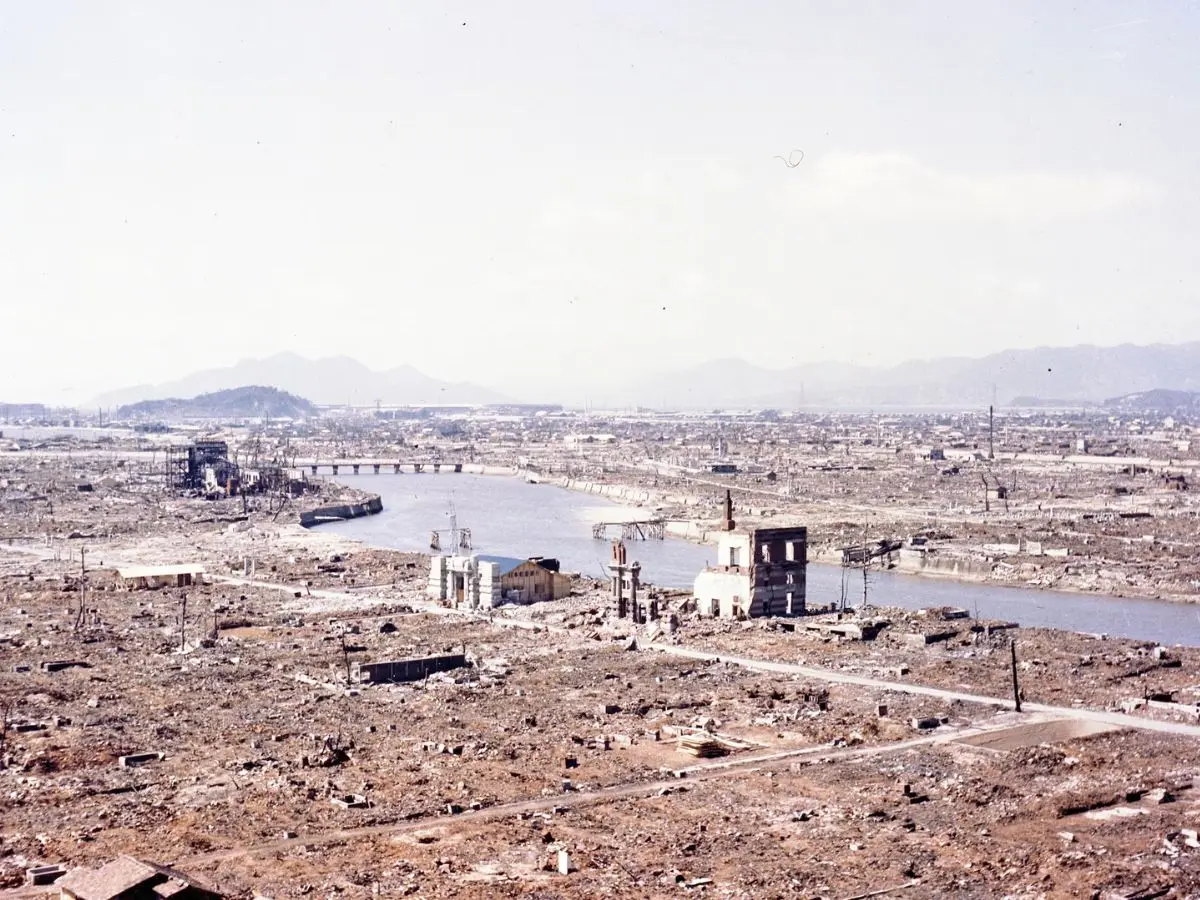
This year marks the 80th anniversary of the Hiroshima bombing. Many hibakusha (atomic bomb survivors) are now in their late 80s or older, and their numbers are rapidly decreasing. Sharing their stories is important so that future generations understand what happened.
Why this day still matters
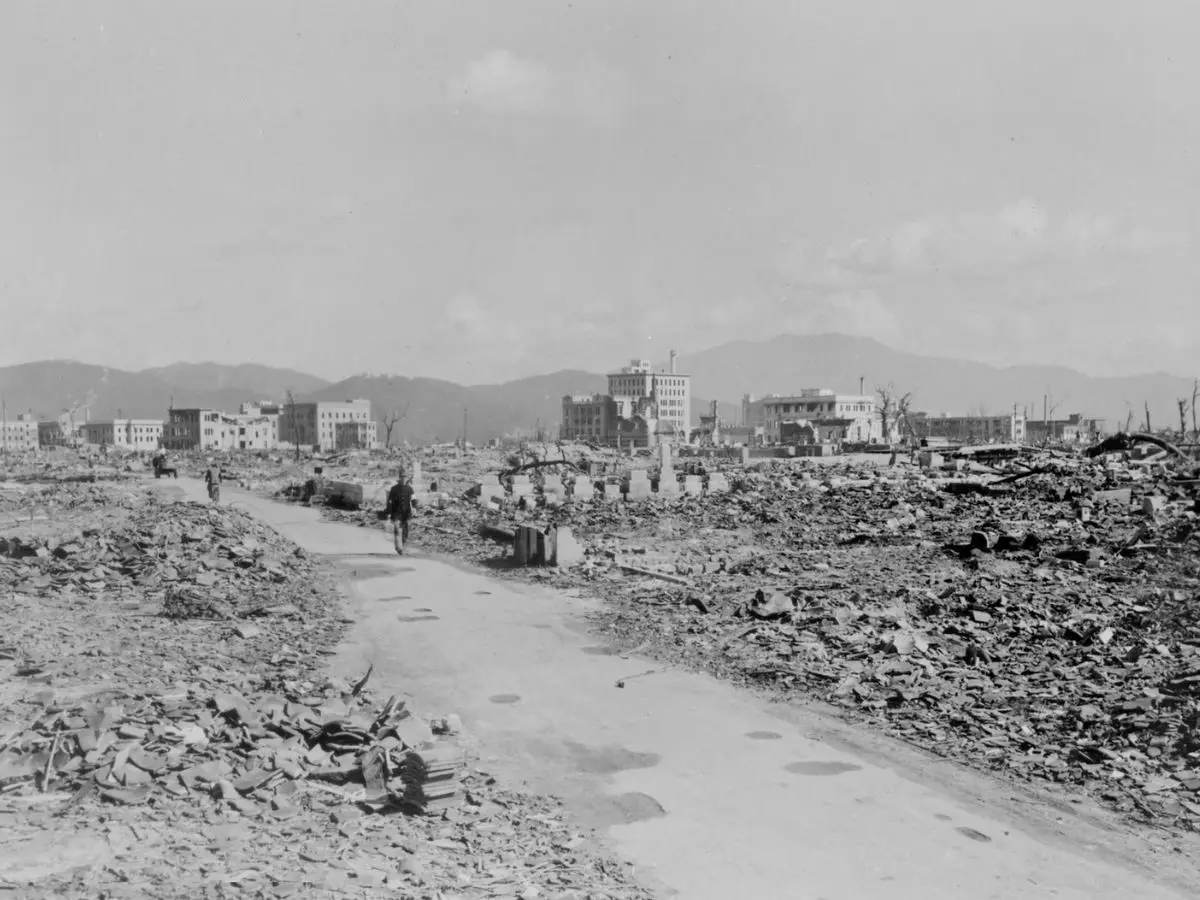
Hiroshima Day sends a strong message about the dangers of nuclear weapons. Even today, there are more than 12,000 nuclear weapons in the world, and the rising global tensions show that the message of peace is still important.

Hiroshima Day 2025: Events and Activities
In 2025, Hiroshima Day will be observed with peace ceremonies, including candlelight vigils, exhibitions, and educational programmes. At the Hiroshima Peace Memorial Park, people will hold moments of silence, float paper lanterns to symbolise peace, and pray for a world without nuclear weapons. Around the globe, students, activists, and leaders will gather to promote peace.
)
)
)
)
)