• Wion
  • /Photos
  • /Hidden cost of defending our skies: How fighter jets fuel climate change and cause air pollution?

Hidden cost of defending our skies: How fighter jets fuel climate change and cause air pollution?

Beyond the visible noise and fuel use, military aircraft contribute significantly to carbon emissions and local pollution.
Introduction
1 / 7
(Photograph: Boeing)

Introduction

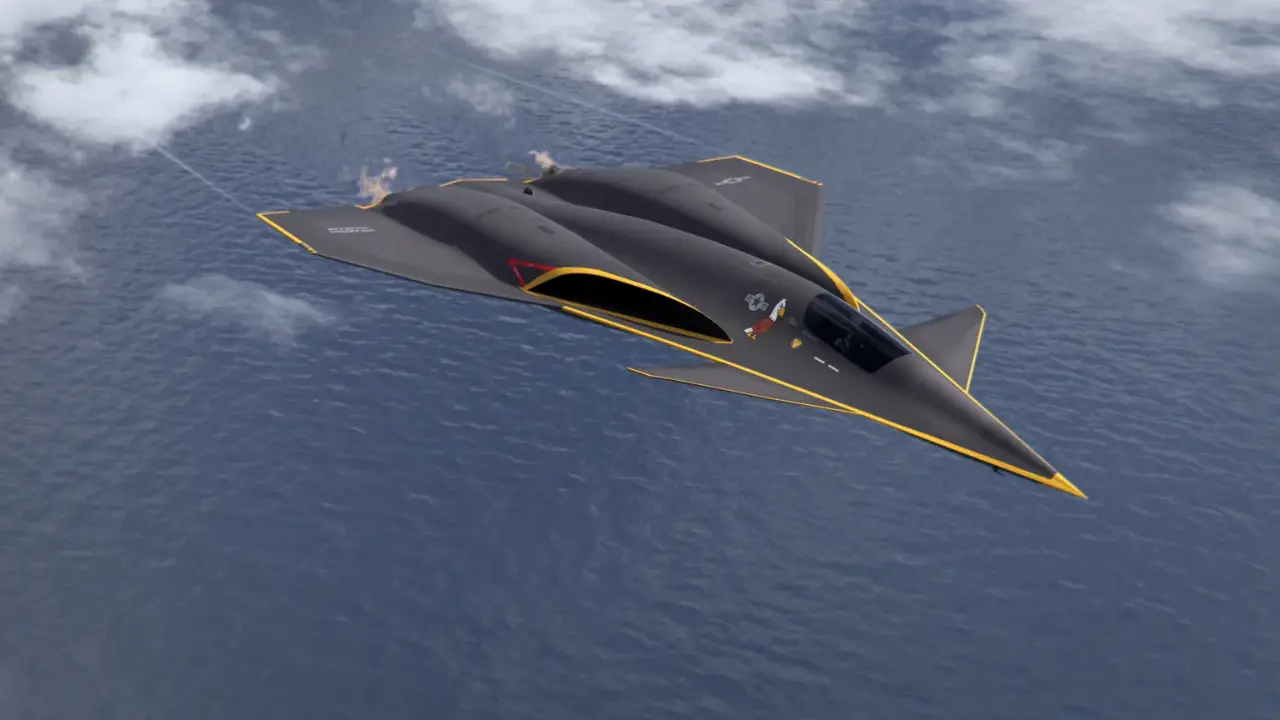
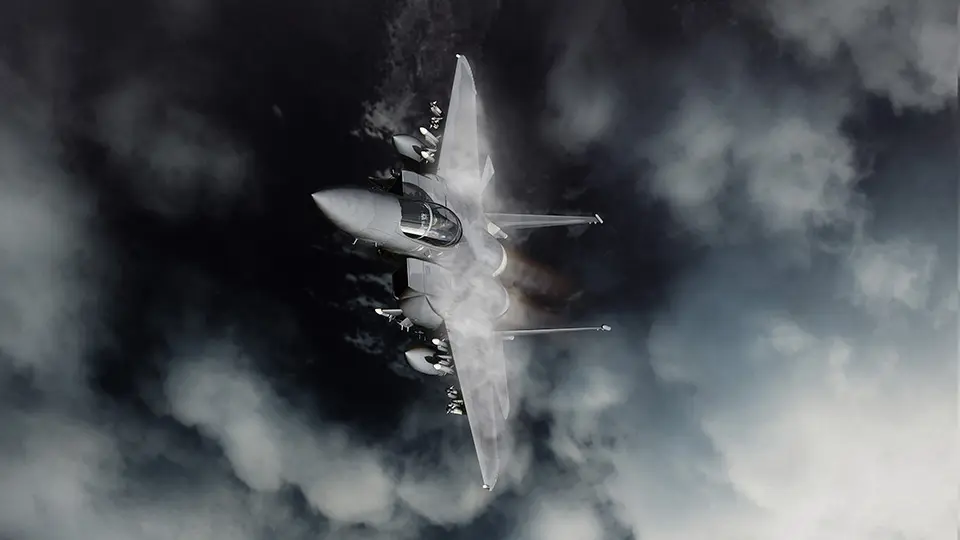
Modern fighter jets are built to dominate the skies, but few notice their environmental cost. Beyond the visible noise and fuel use, military aircraft contribute significantly to carbon emissions and local pollution. Let's examine the scale of fighter jet emissions, why they are largely exempt from climate targets, and what makes them some of the world’s least efficient flying machines.
Fuel Burn and Emissions
2 / 7
(Photograph: Wikimedia Commons)

Fuel Burn and Emissions

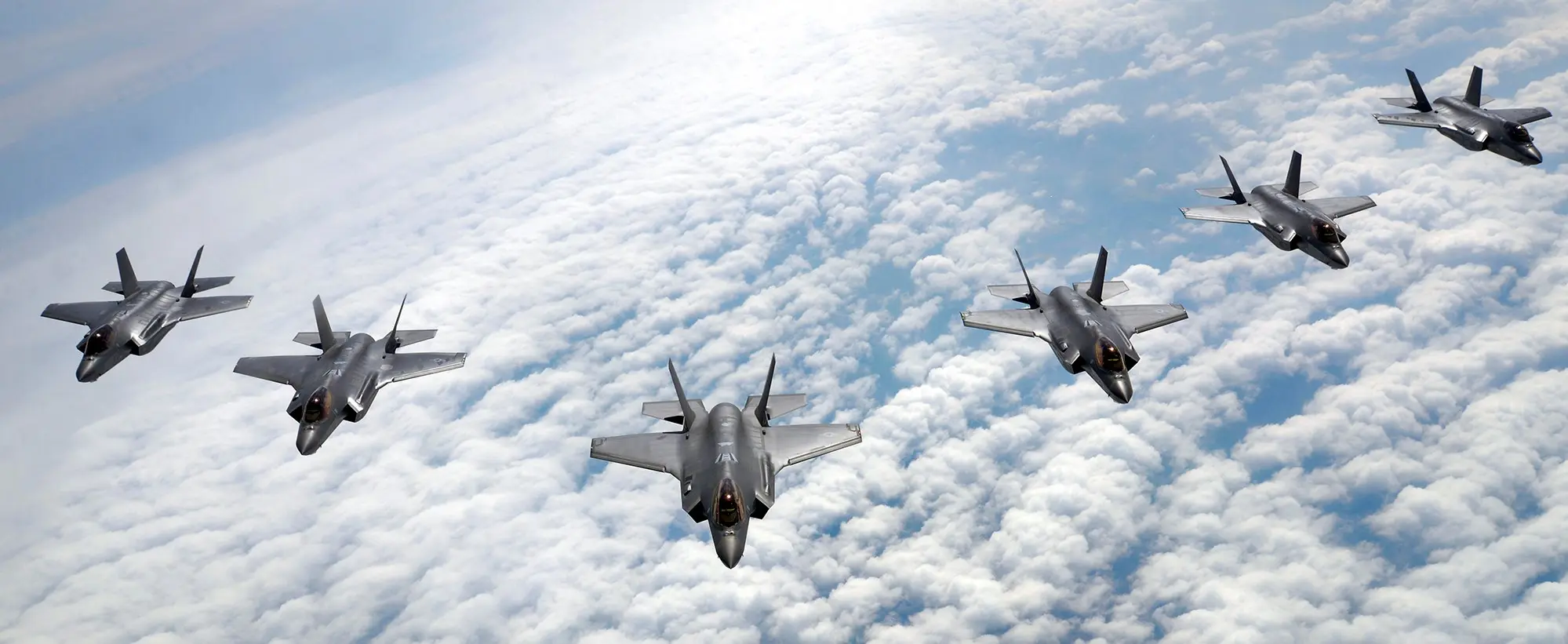
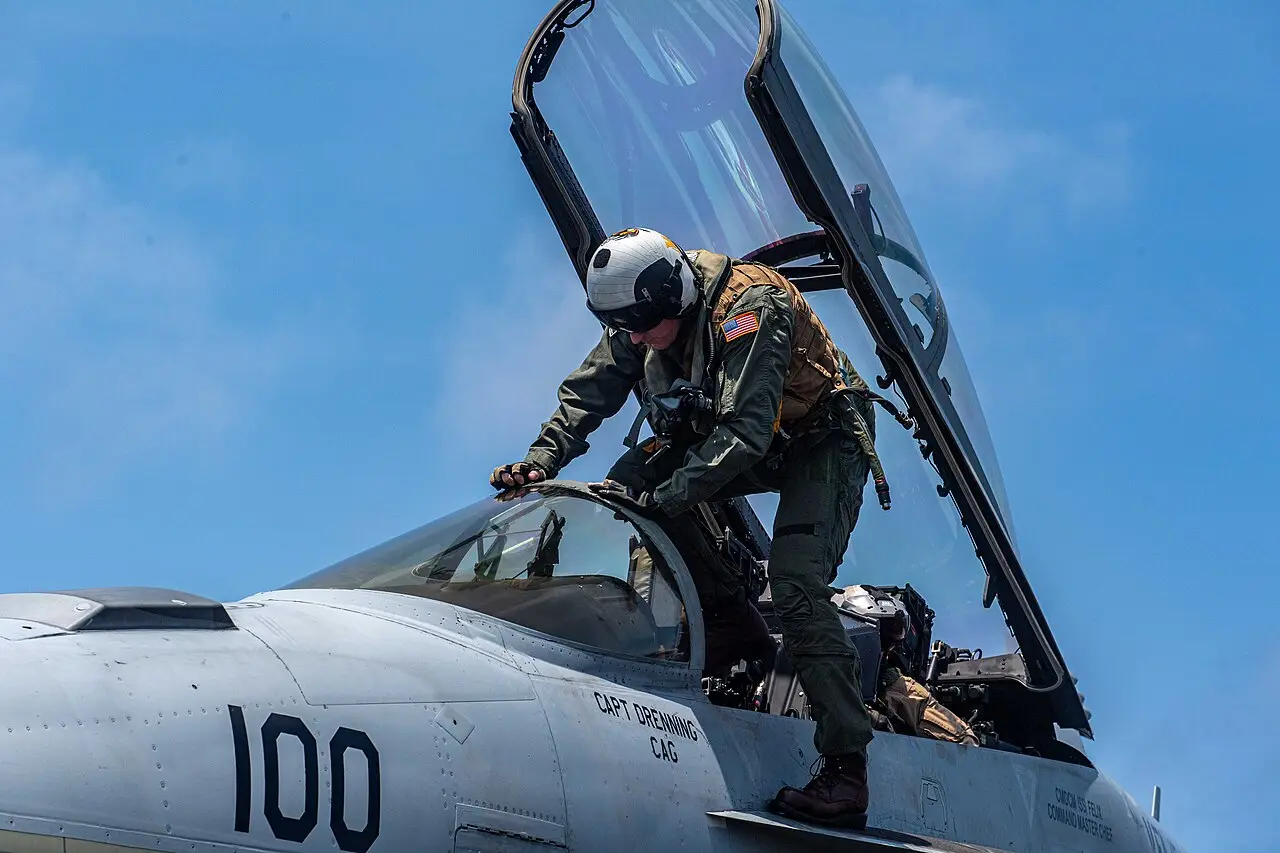
Fighter jets consume vast amounts of fuel in short missions. The F-35 Lightning II burns about 5,600 litres of fuel per flight hour, emitting roughly 13–15 tonnes of CO₂ (ICCT, 2022). By comparison, an average car produces under 5 tonnes of CO₂ in an entire year. Older jets like the F-15 and Su-27 can burn even more, especially when using afterburners.

Scale of Military Aviation Impact
3 / 7
(Photograph: US Air Force)

Scale of Military Aviation Impact

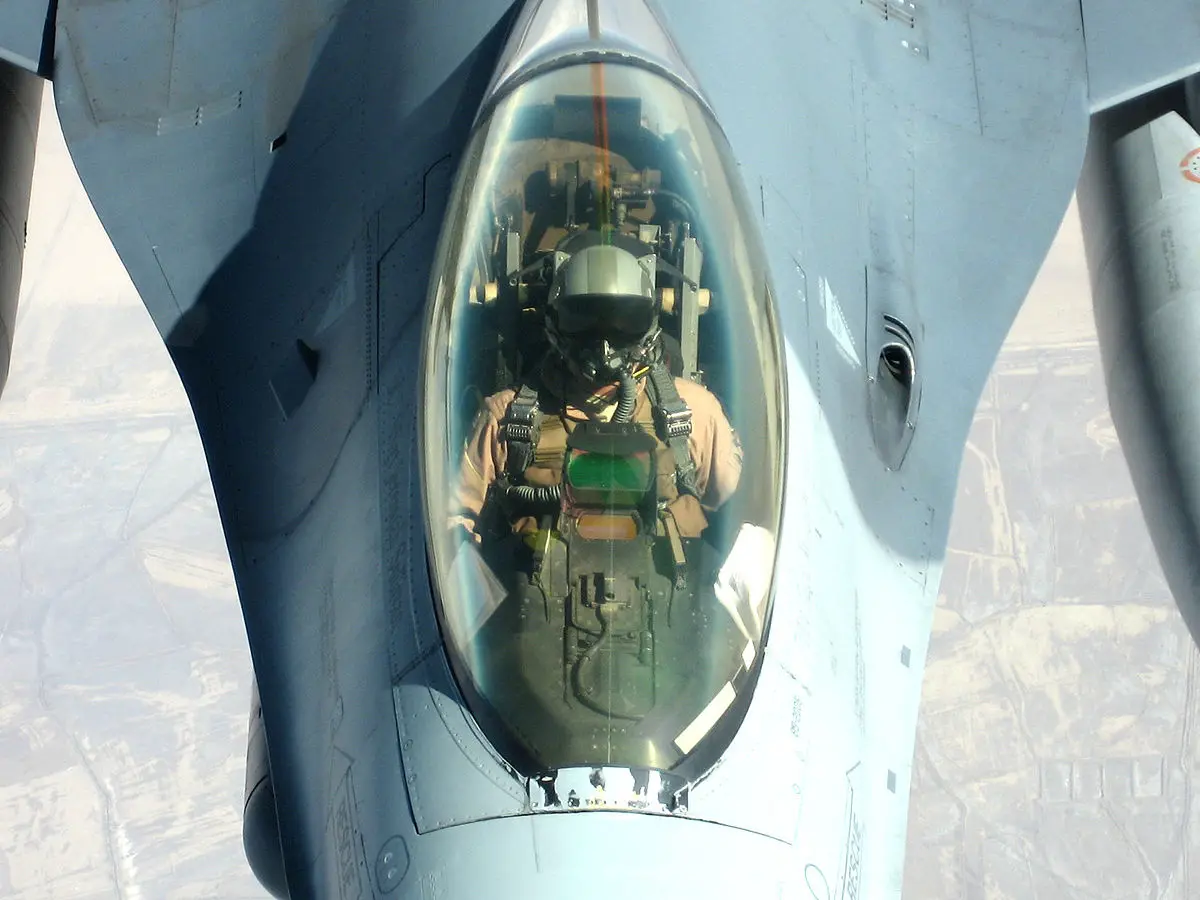
Military aviation makes up an estimated 8–15 per cent of total defence-related CO₂ emissions worldwide. While civil aviation often draws public criticism, military aircraft fly fewer hours but at far higher fuel burn rates, making them disproportionately polluting per kilometre flown.

Why Reporting Is Limited
4 / 7
(Photograph: U.S. Air Force)

Why Reporting Is Limited

Emissions from military operations are often excluded from national climate targets. Under the 1997 Kyoto Protocol, military emissions reporting was voluntary, and many countries still keep detailed data classified for security reasons. This makes it difficult to measure the true environmental cost of defending national airspace.

Beyond Carbon — Local Pollution
5 / 7
(Photograph: Lockheed Martin)

Beyond Carbon — Local Pollution

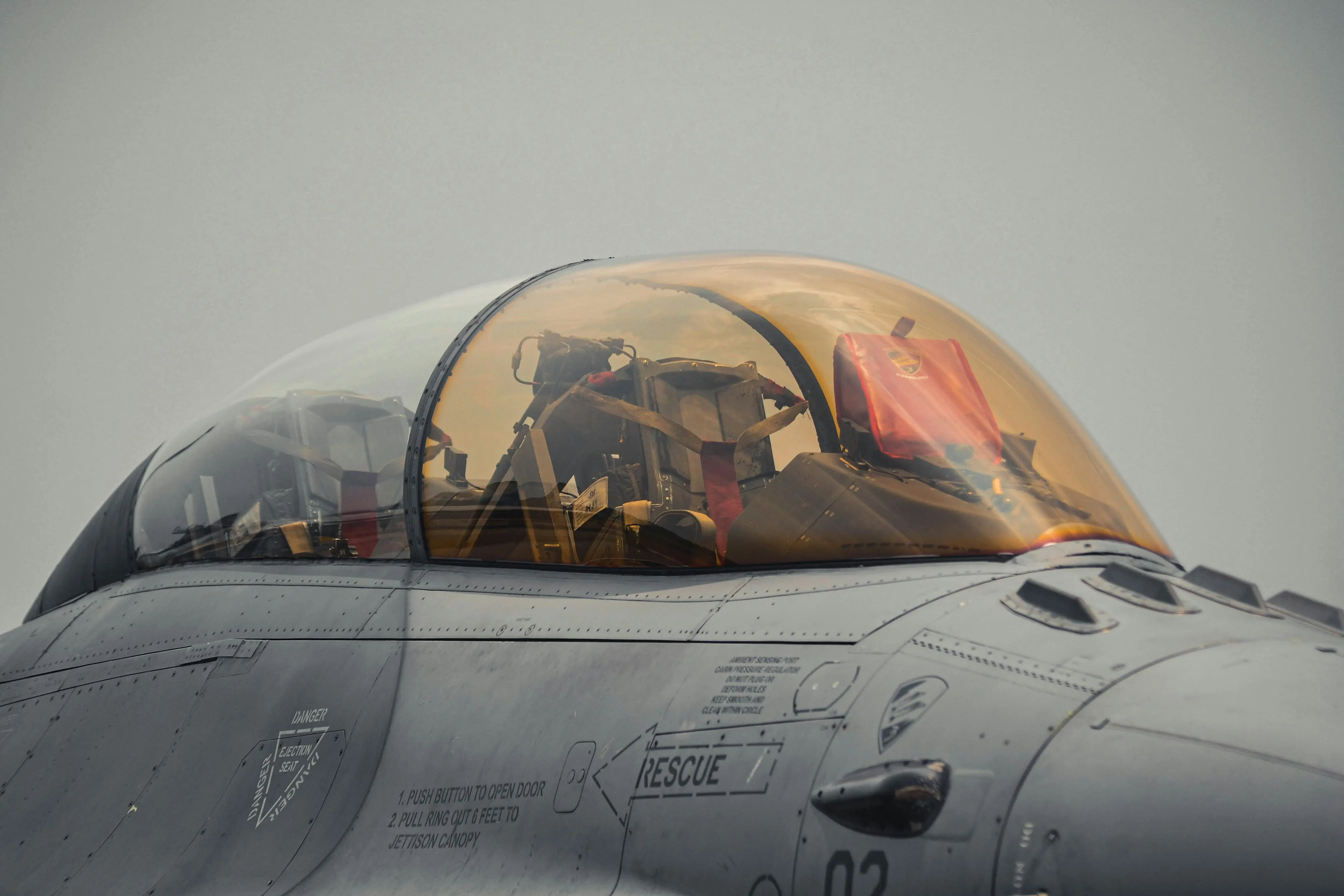
Fighter jets also produce nitrogen oxides (NOₓ) and particulate matter, affecting local air quality around bases. Repeated low-level training flights increase pollution exposure for nearby communities. Unlike commercial aviation, military bases are rarely subject to strict local air quality standards.

Modernisation Doesn’t Always Reduce Emissions
6 / 7
(Photograph: Wikimedia Commons)

Modernisation Doesn’t Always Reduce Emissions

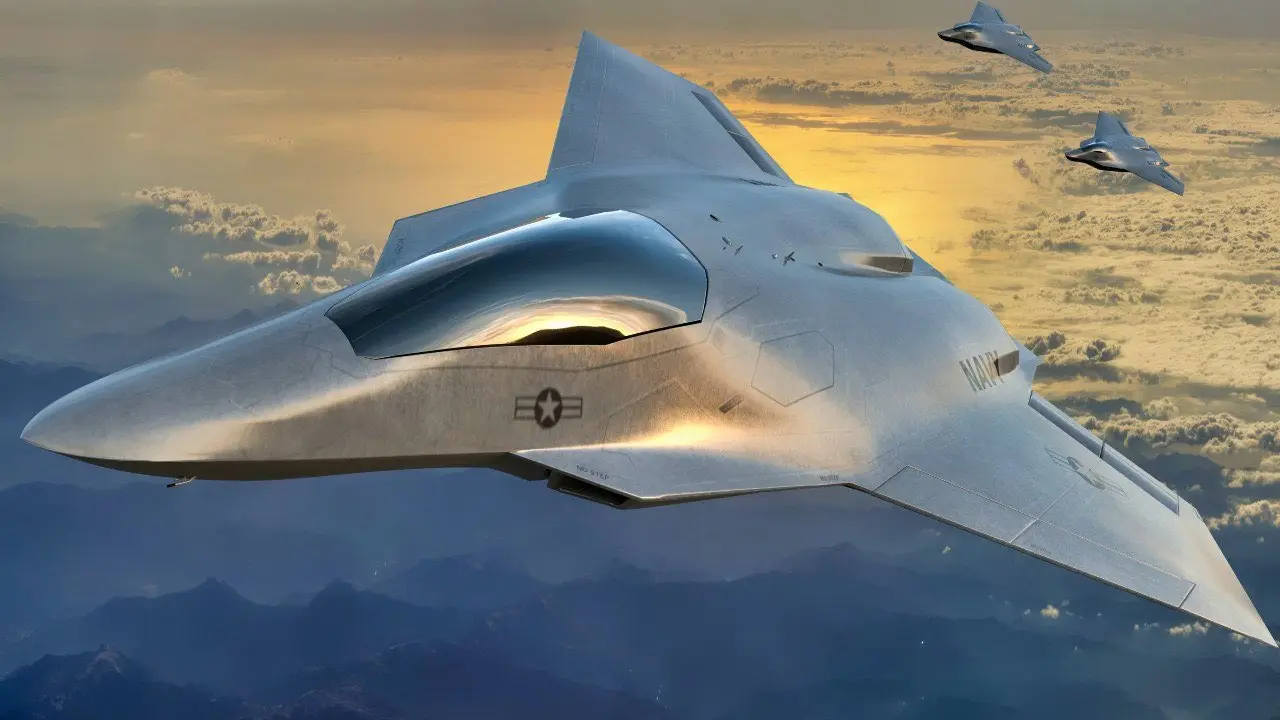
Newer aircraft like the F-35 are technologically advanced but not significantly cleaner. High thrust requirements and stealth design keep fuel consumption high. The push for hypersonic and next-generation fighters could raise emissions further, unless alternative fuels or design changes are adopted.

Conclusion
7 / 7
(Photograph: Pexels)

Conclusion

Defending national skies carries a hidden environmental price. Fighter jets remain among the most fuel-intensive machines ever built, contributing to climate change and local pollution. While emissions data stay limited and largely outside global climate policy, the environmental impact of air defence deserves greater attention.