Here are 6 big takeaways from Trump’s 'negotiation' claims with Iran

Trump signals a narrow window for peace with Iran, mixing deal optimism with military threats, nuclear demands, and hints of regime change
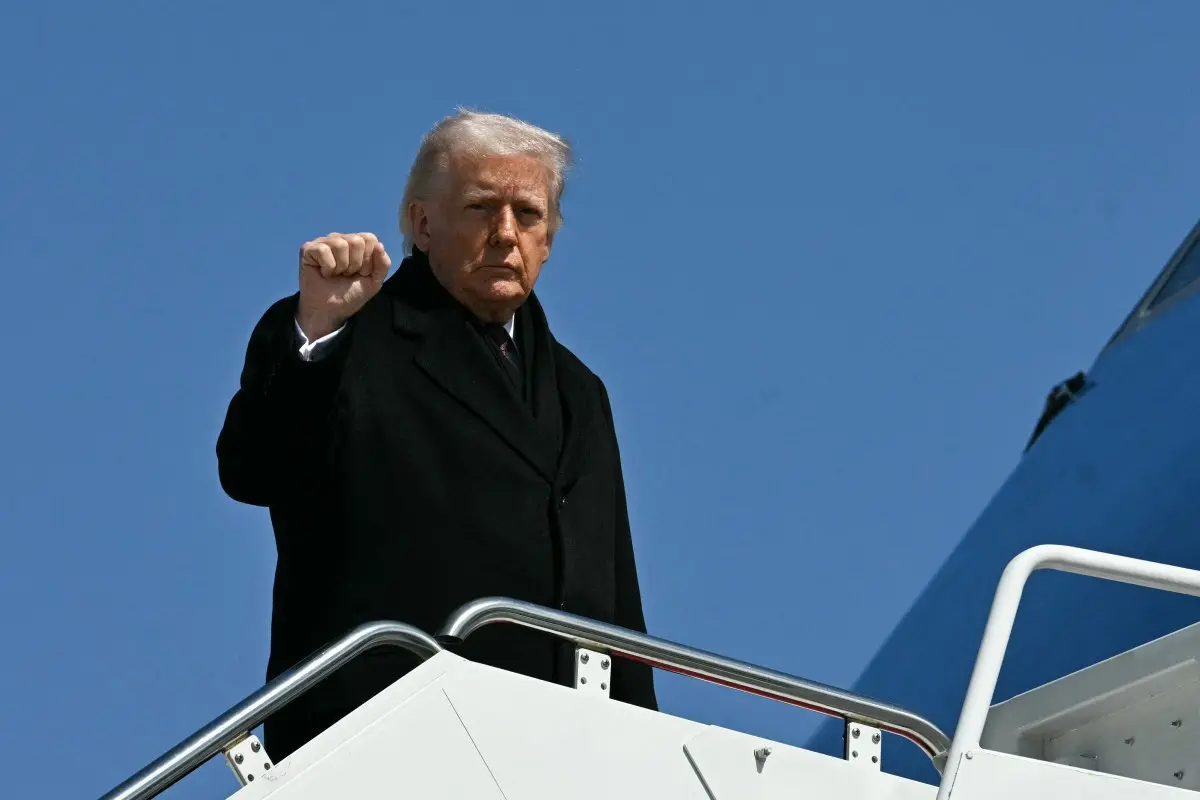
Five-day pause before ‘bombing our hearts out'
Donald Trump signals a temporary de-escalation, announcing a five-day pause on energy infrastructure strikes against Iran. However, the warning is stark, if diplomacy fails, military action will resume aggressively. The statement reflects a dual-track strategy: pressure through force, paired with a narrow window for negotiation. It also underlines the urgency in Washington’s approach, suggesting that the coming days could determine whether the conflict shifts toward a diplomatic resolution or escalates into sustained strikes.
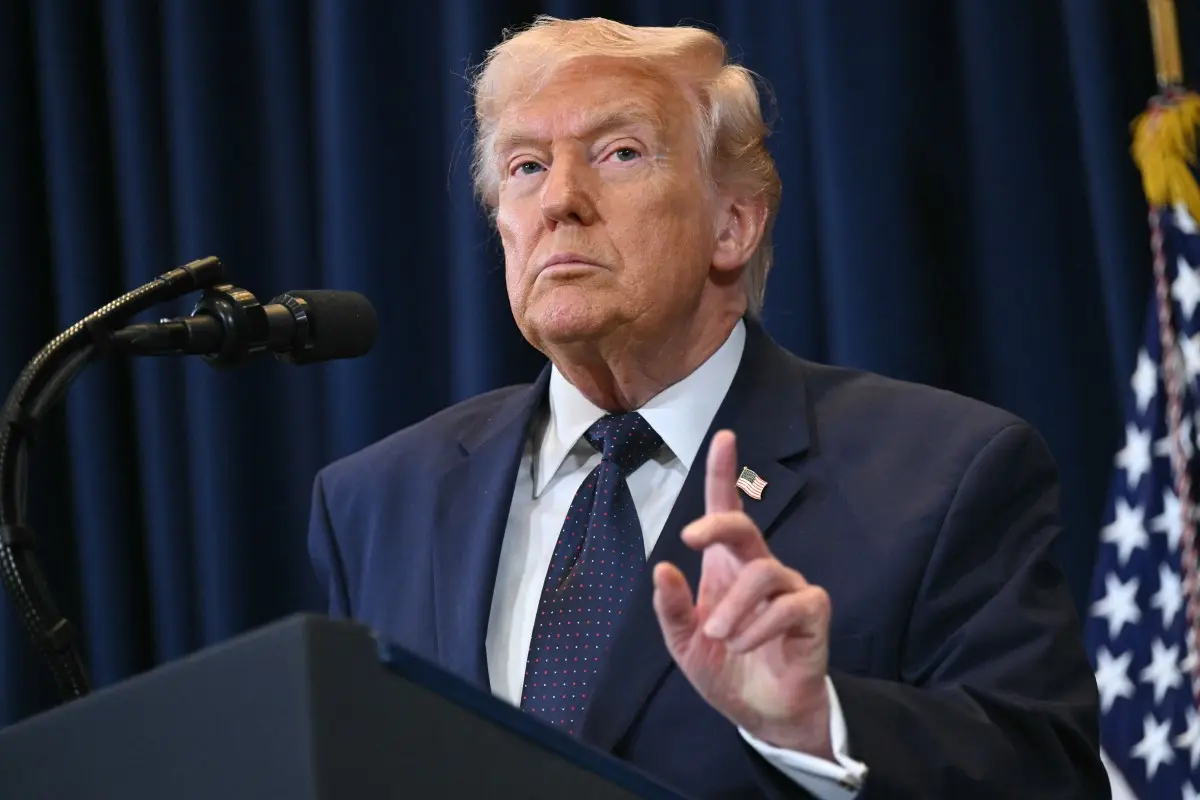
'Iran ‘wants a deal’ as talks resume'
Trump claims that Iran has initiated renewed engagement, expressing willingness to negotiate. He indicates that discussions are expected to take place imminently, possibly over a phone call, while also referencing coordination with U.S. allies in the Middle East. The framing positions Tehran as seeking relief amid mounting pressure, while Washington appears open but cautious. This moment signals a potential diplomatic opening, though the tone suggests that trust remains limited and outcomes are far from certain.
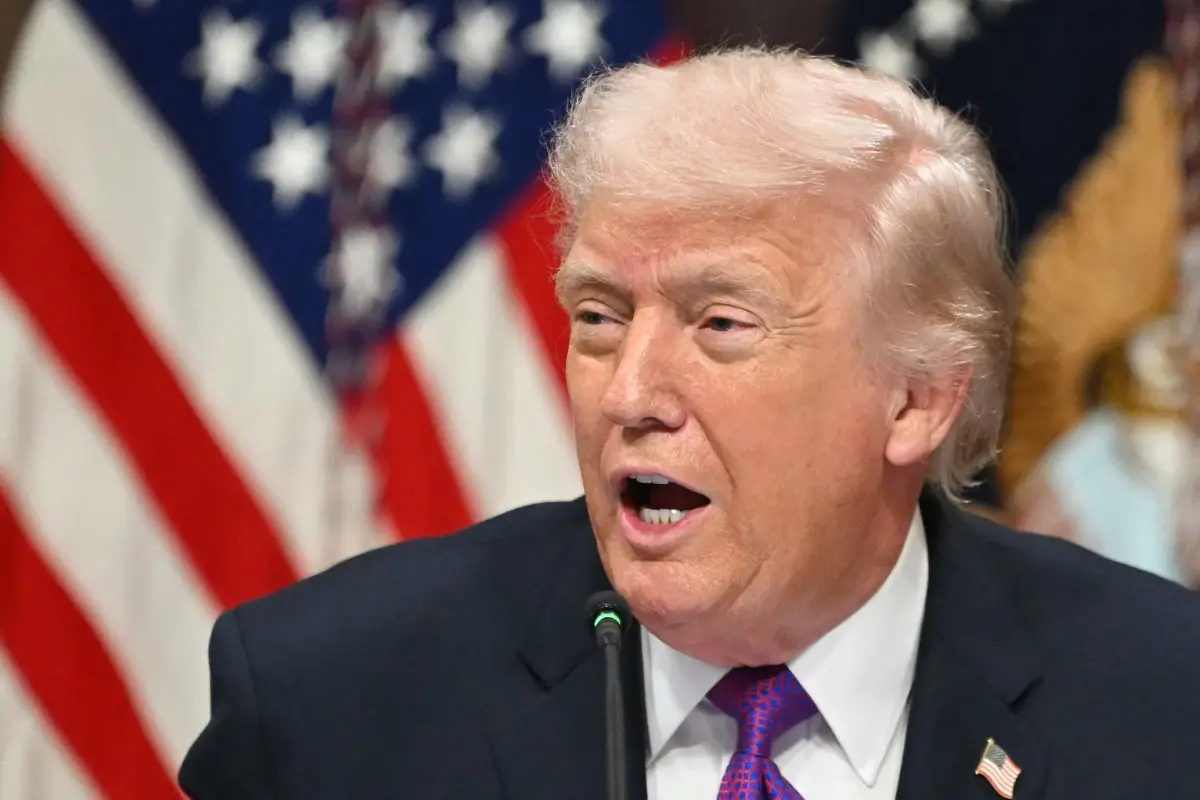
$10 billion target: Strike threat used as leverage
Highlighting the stakes, Donald Trump reveals that the US had planned to strike one of Iran’s most valuable power plants, reportedly worth over $10 billion. The threat is presented as a key factor driving Iran to the negotiating table. Trump emphasises that such a strike would have been devastating and swift, reinforcing the pressure tactic underpinning US strategy. The message is clear: diplomacy is being pursued, but under the shadow of overwhelming military capability.
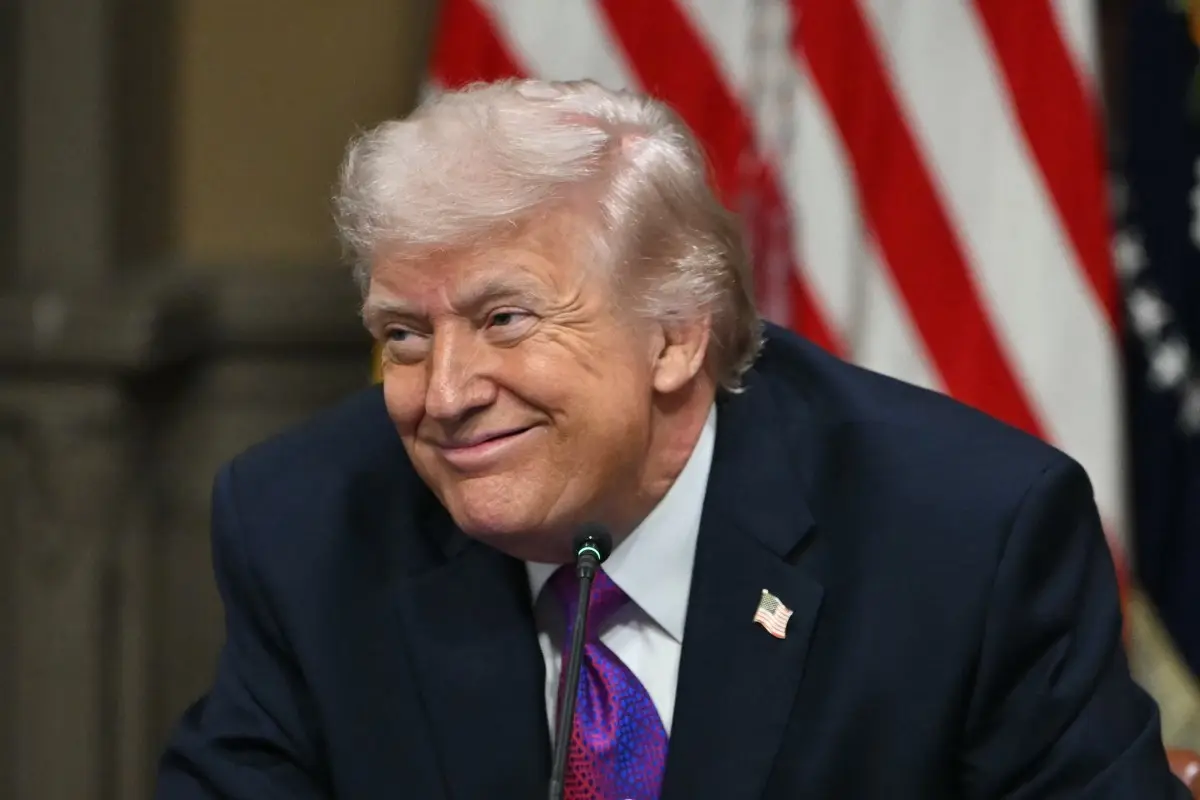
'Major points of agreement’ claimed by Trump
Trump asserts that negotiations with Iran have reached significant convergence, claiming “almost all points of agreement” are aligned. He references involvement from key aides, including Steve Witkoff and Jared Kushner, suggesting high-level engagement behind the scenes. Despite the optimism, uncertainty remains over Iran’s leadership structure, with Trump even questioning whether its top authority is still alive, adding a layer of unpredictability to already fragile negotiations.
No nukes, lower oil prices, possible regime shift
A potential deal, Trump says, hinges on Iran abandoning its nuclear weapons ambitions entirely. He links this to broader outcomes, including a sharp drop in global oil prices and stability in critical routes like the Strait of Hormuz. At the same time, he introduces the idea of a “serious form of regime change,” complicating the diplomatic narrative. The mix of economic incentives and political demands reflects the sweeping scope of what Washington seeks from any agreement.
'One more chance’: Trump’s final warning to Iran
Speaking in Memphis, Donald Trump reiterates that Iran has a final opportunity to secure peace. He claims progress in negotiations, including indications that Iran may forgo nuclear weapons, but stops short of guarantees. Framing the moment as decisive, Trump emphasises that failure to reach an agreement could have global consequences. The statement reinforces a familiar blend of optimism and ultimatum that has defined the US stance throughout the crisis.
)
)
)
)
)