Helicopter gunships: How they destroy tanks and bunkers

Helicopter gunships use a mix of precision missiles, cannons, and tactics to destroy tanks and bunkers. Guided missiles with shaped charges pierce armour, while thermobaric warheads collapse bunkers. Pilots use "pop-up" manoeuvres and advanced sensors to strike.
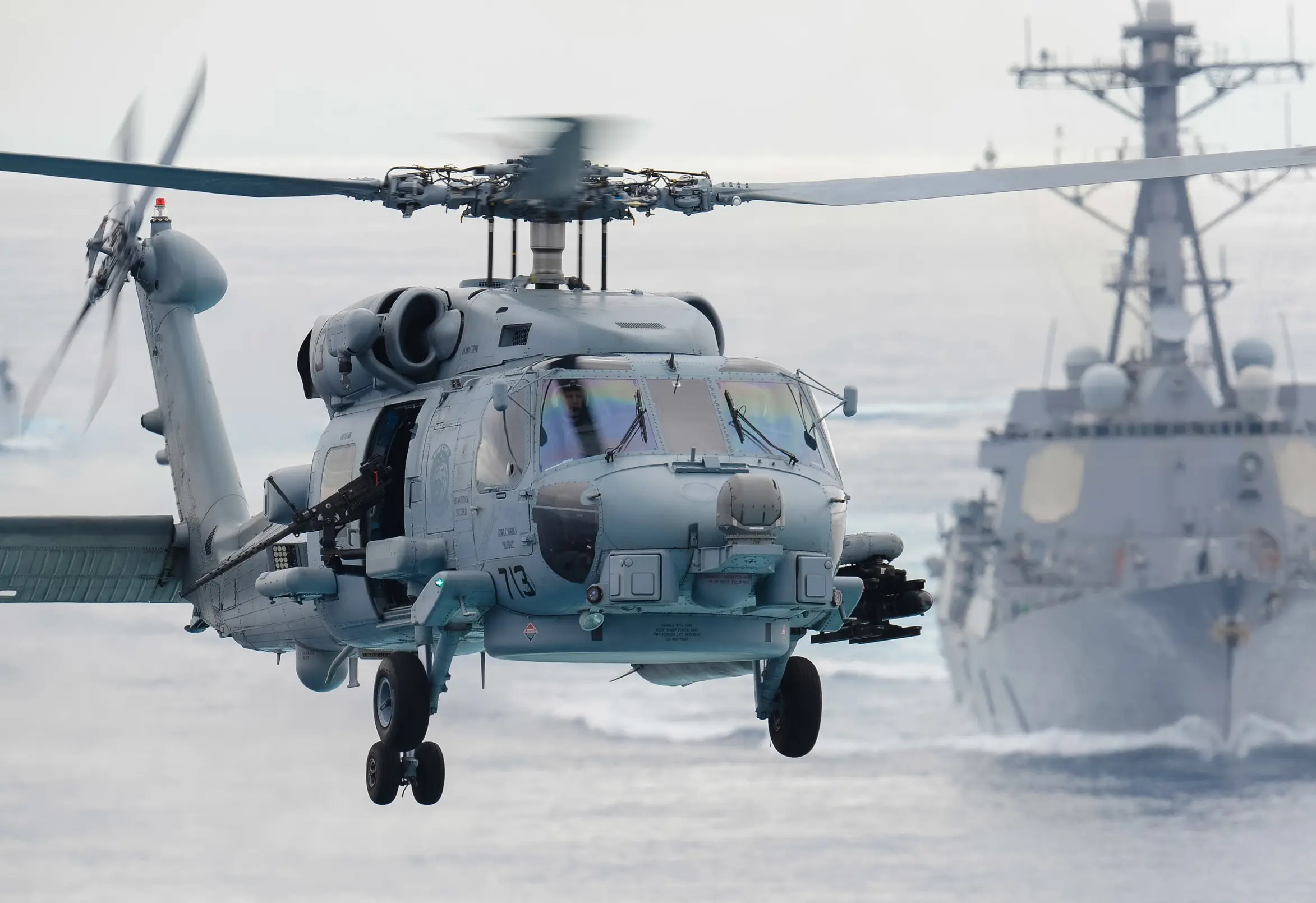
The Ultimate Tank Hunter Flying Artillery
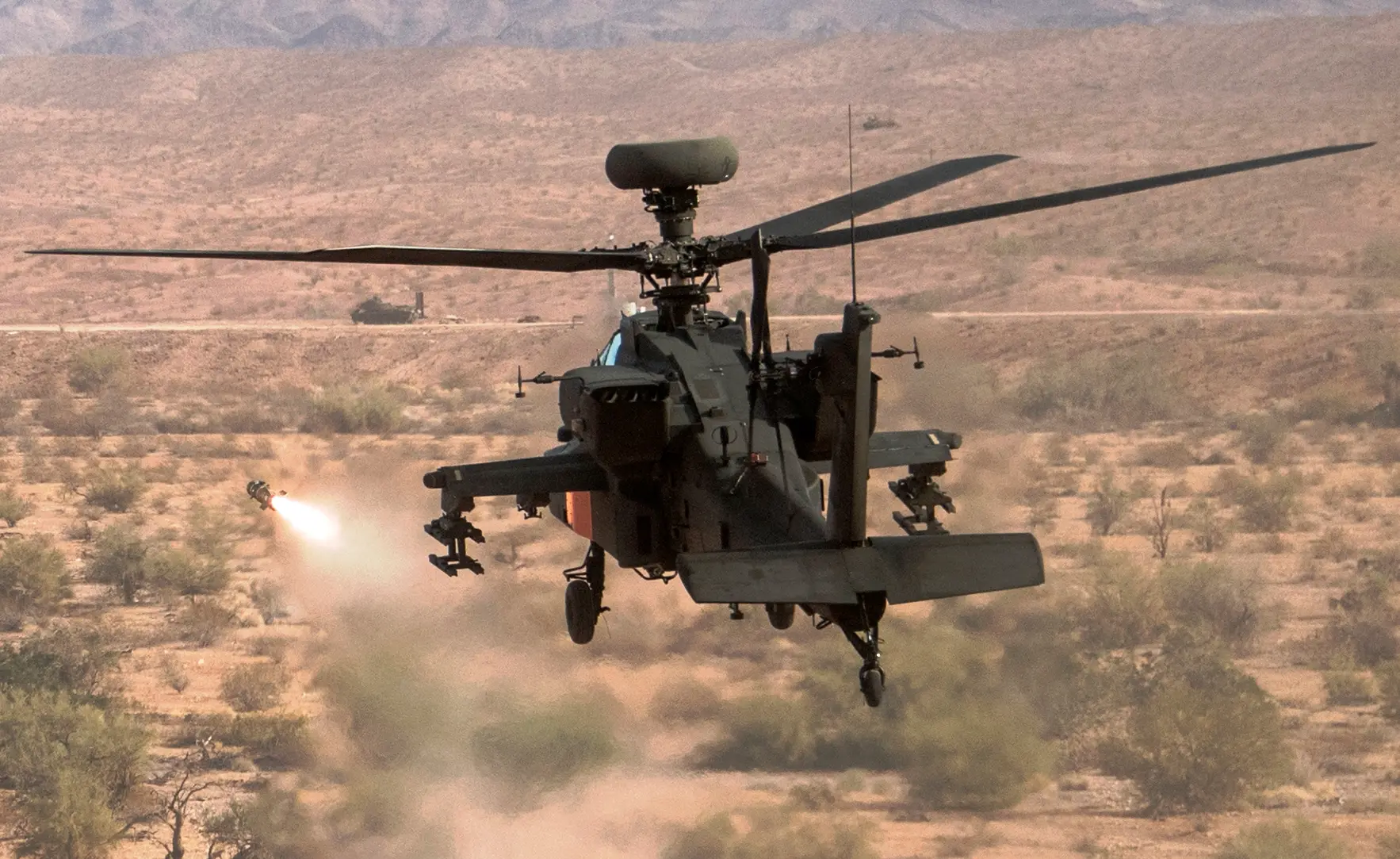
According to Army Technology, attack helicopters like the Apache are designed as "flying tanks" to hunt armoured vehicles. They use speed and agility to strike from unexpected angles, bypassing the thick frontal armour of enemy tanks.
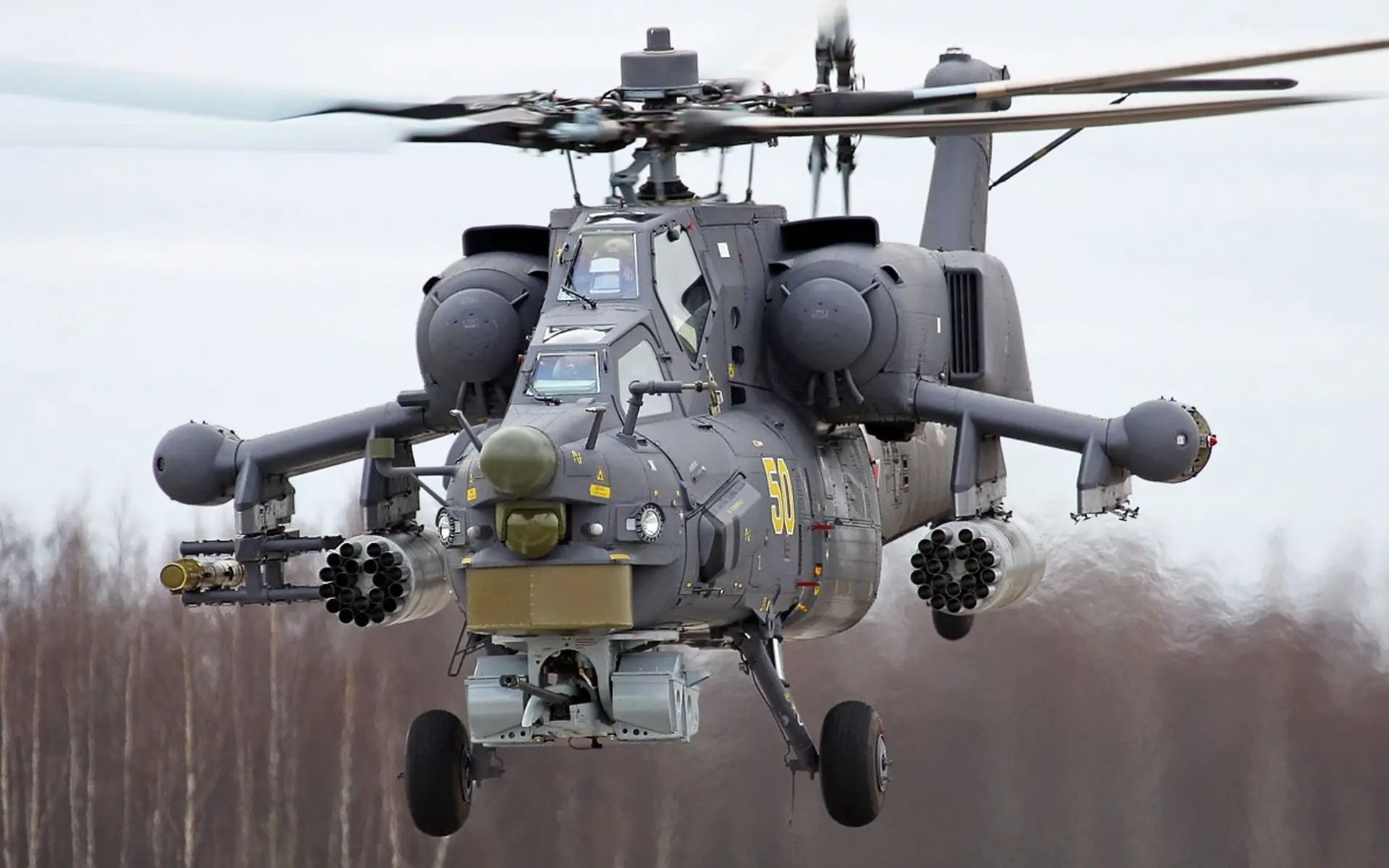
Guided Missiles Shaped Charge Warheads
The primary weapon for destroying tanks is the guided missile, such as the AGM-114 Hellfire. A Lockheed Martin report reveals that these missiles use a "shaped charge" warhead that shoots a jet of molten metal to punch through heavy steel armour.
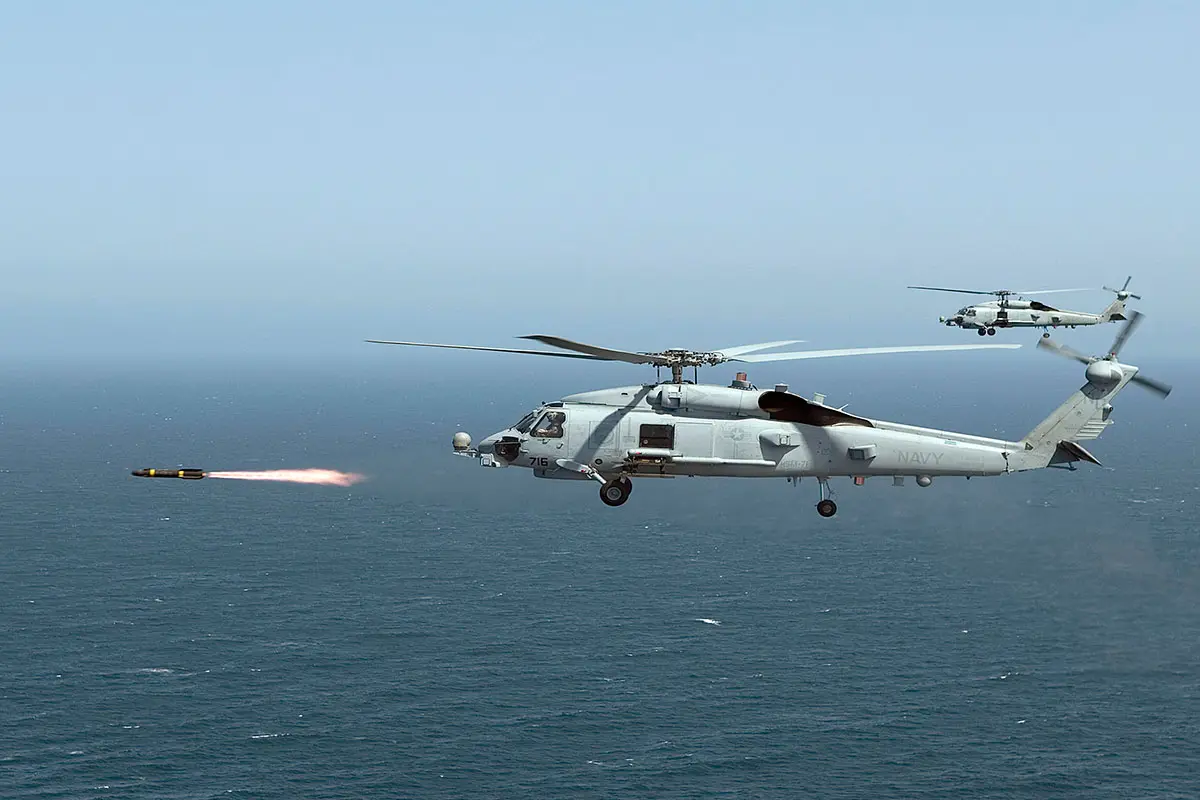
Busting Bunkers from Above Thermobaric Warheads
To destroy fortified bunkers, pilots switch to missiles with "thermobaric" or metal-augmented charges. The War Zone notes these warheads create a massive pressure wave and vacuum, sucking out oxygen and collapsing the structure from the inside.
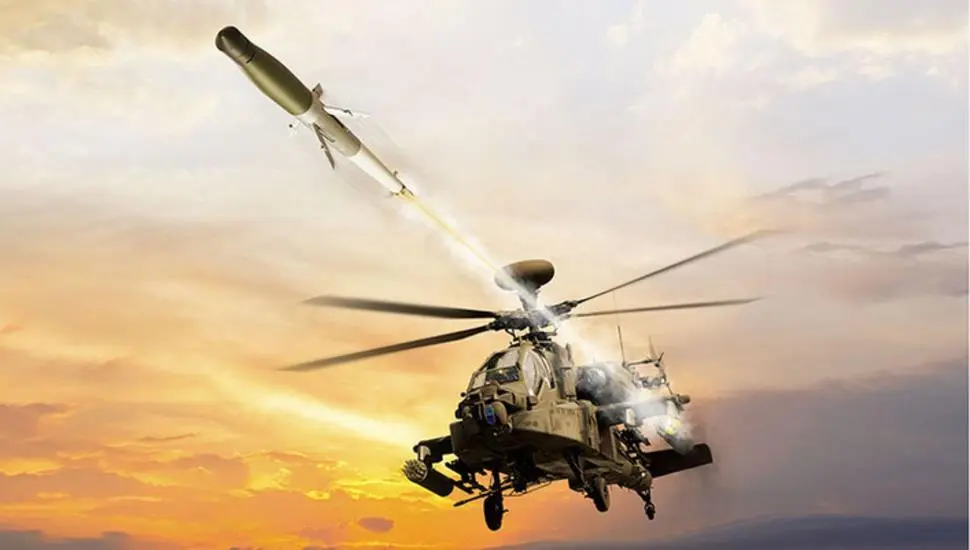
The 30mm Precision Cannon Pinpoint Suppression
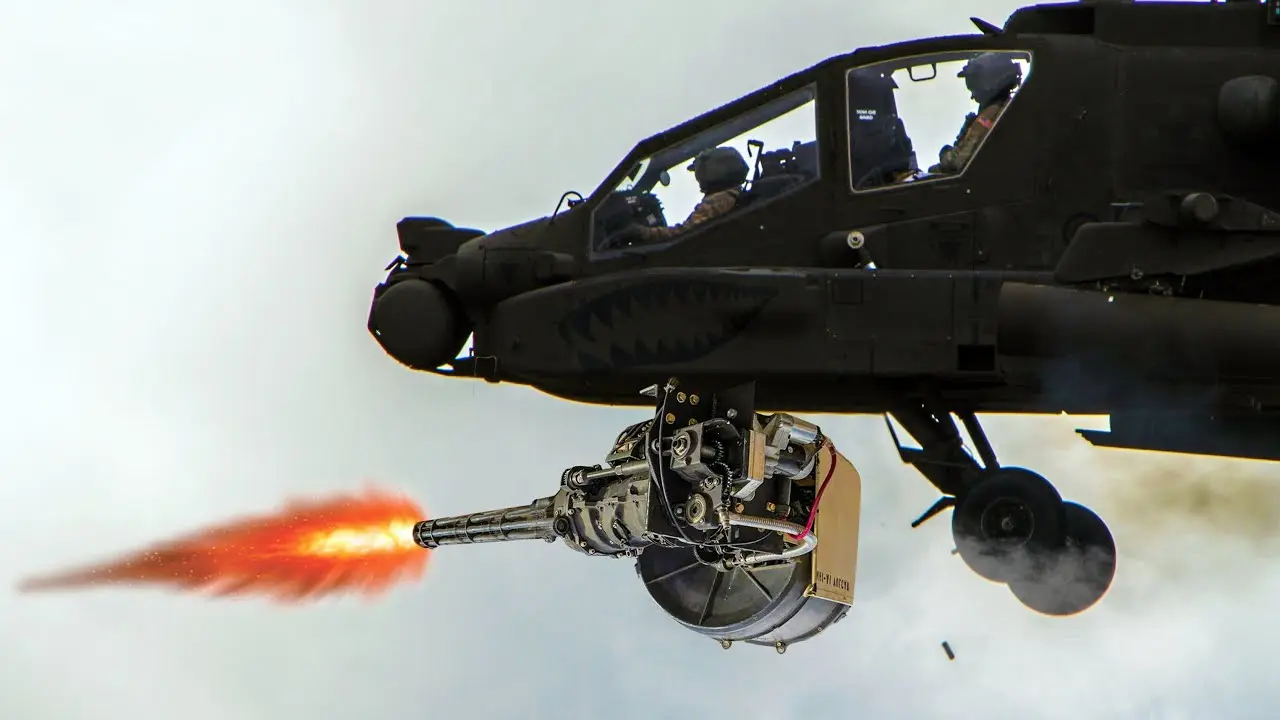
For lighter targets or windows, gunships use a 30mm chain gun. Northrop Grumman states this cannon fires up to 625 rounds per minute, allowing pilots to suppress enemy infantry or destroy light vehicles without wasting expensive missiles.
Rockets for Area Saturation Blanketing the Zone
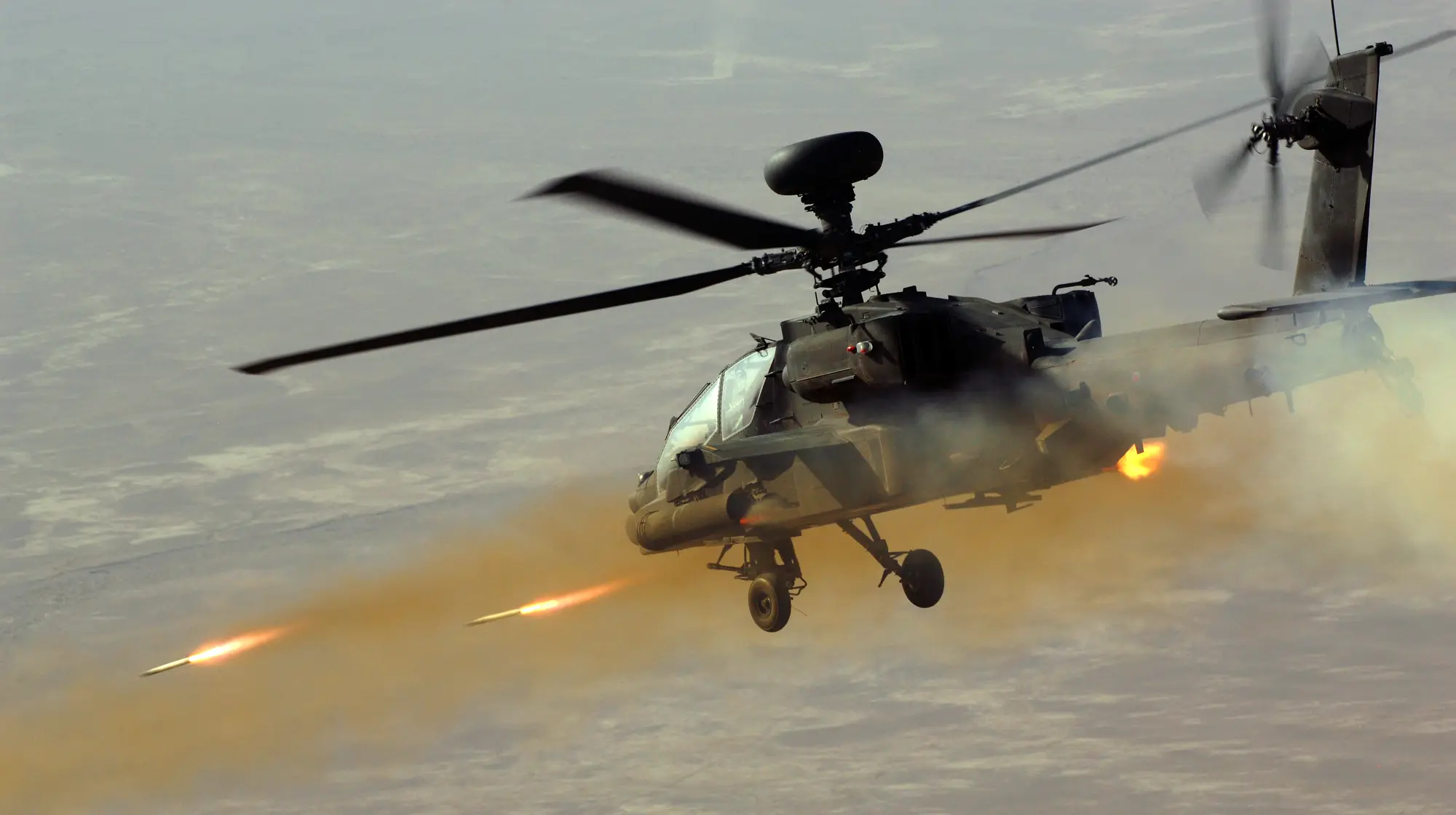
When facing a spread-out enemy force, helicopters fire pods of Hydra 70 rockets. BAE Systems highlights that these unguided rockets blanket an entire area with explosives, effectively neutralising trenches and soft targets.
The "Pop-Up" Tactic Hide and Strike
To survive against tanks, pilots use the "pop-up" manoeuvre. HowStuffWorks describes how helicopters hide behind trees or hills (hull-down), pop up briefly to fire a missile, and immediately drop back down before the enemy can return fire.
Seeing Through the Smoke Thermal and Radar Sensors
Modern gunships use advanced sensors like the Longbow radar. Boeing reports these systems allow pilots to see tanks through smoke, fog, or total darkness, ensuring they can find and destroy the target before it ever sees them.
)
)
)
)
)