'Graveyard of giants': Where US parks its retired B-52s in Arizona desert and why they never fully die

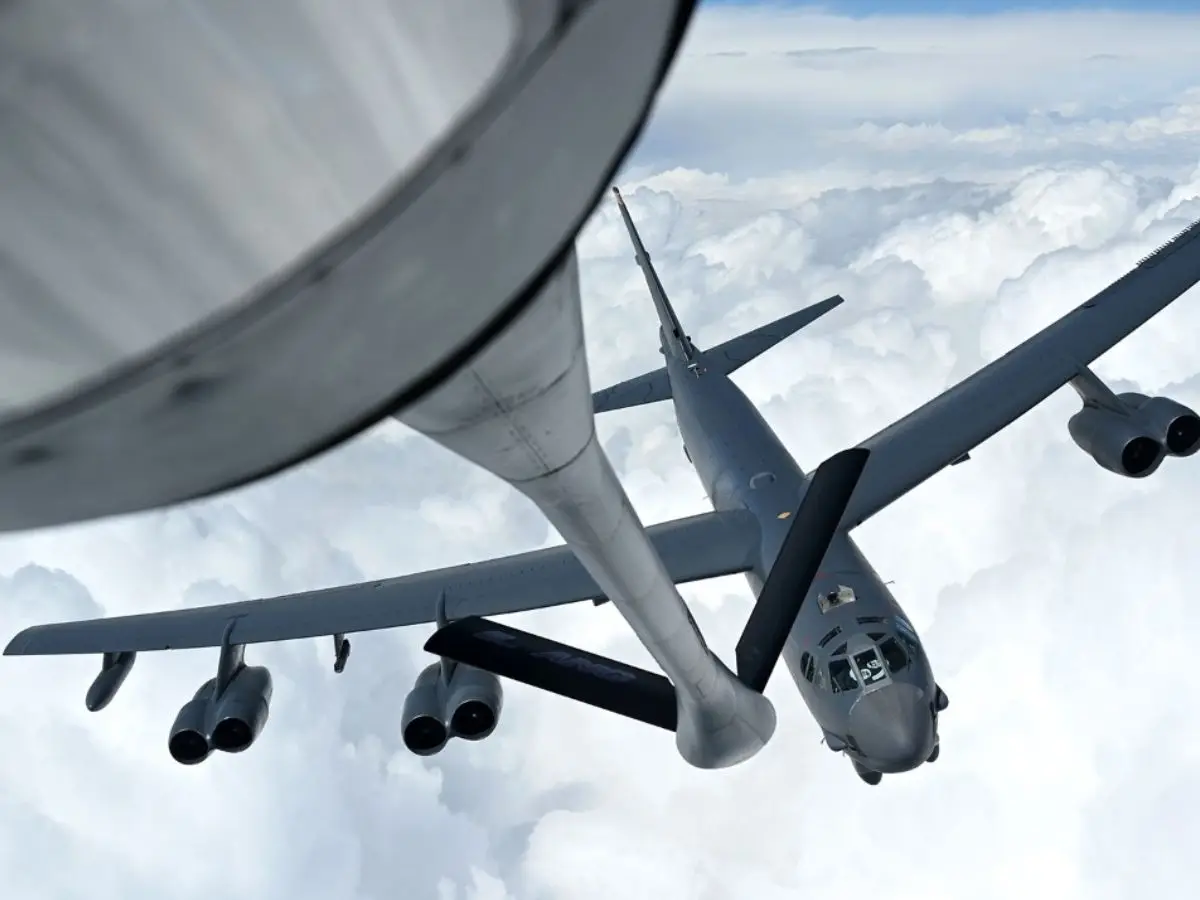
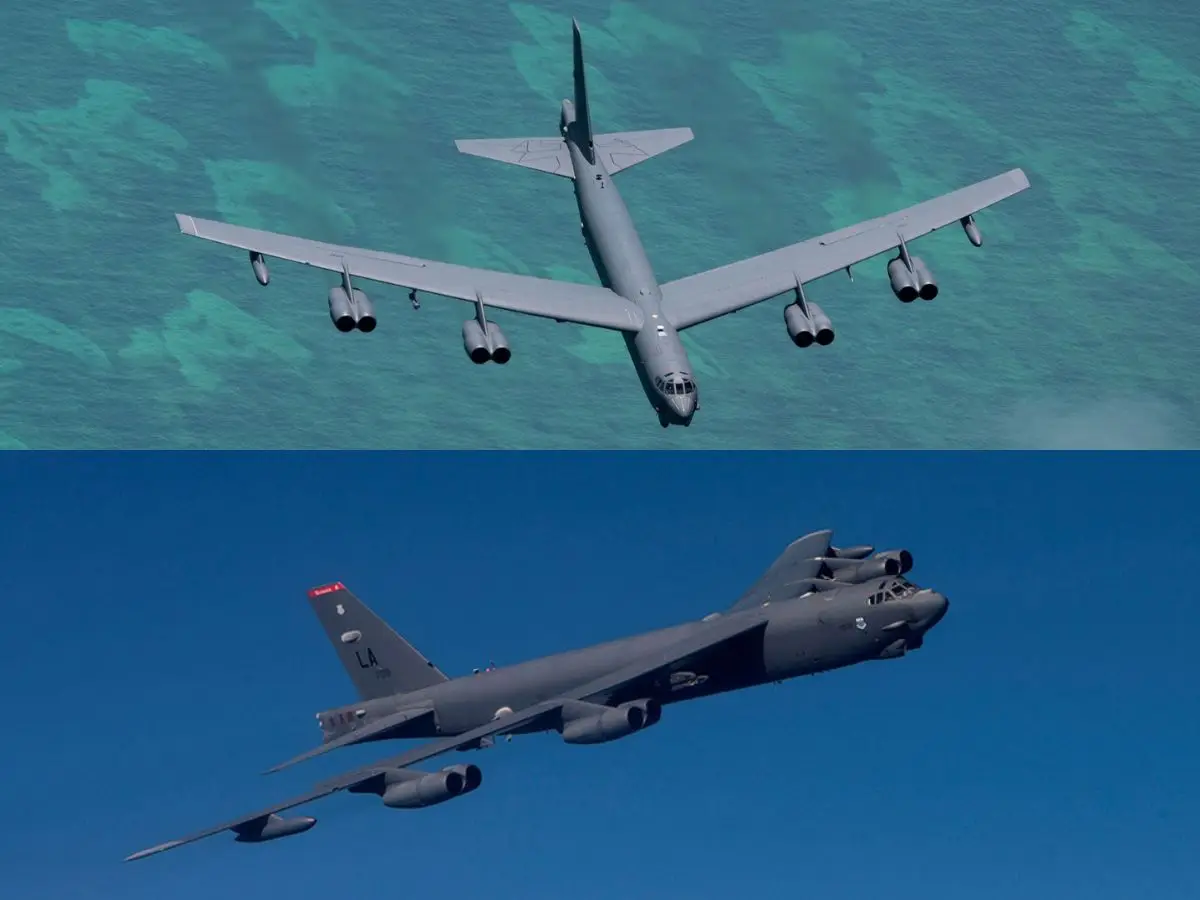
In the desert outside Tucson, Arizona, more than 4,000 retired military aircraft sit in neat rows baking in the sun. Among them are dozens of B-52s — not destroyed, not scrapped, but preserved in a state of suspended retirement. The reason they are kept is more strategic than sentimental.
309 Square Acres Of Retired Warplanes
Davis-Monthan Air Force Base in Tucson hosts the 309th Aerospace Maintenance and Regeneration Group — universally known as the Boneyard. It is the largest aircraft storage facility in the world. Over 4,000 aircraft are stored here, from fighter jets to bombers to tankers, in various states of preservation across a site that covers more than 2,600 acres of Arizona desert.
Why The Desert? The Science Of Preservation
Tucson's Sonoran Desert receives less than 12 inches of rain per year and maintains extremely low humidity year-round. Dry air is the enemy of corrosion. Aircraft stored in humid environments deteriorate rapidly — aluminium oxidises, steel rusts, seals degrade. In Tucson's dry heat, an aircraft can sit for decades and remain structurally sound. The desert is not a graveyard. It is a freezer.
How A B-52 Gets 'Pickled'
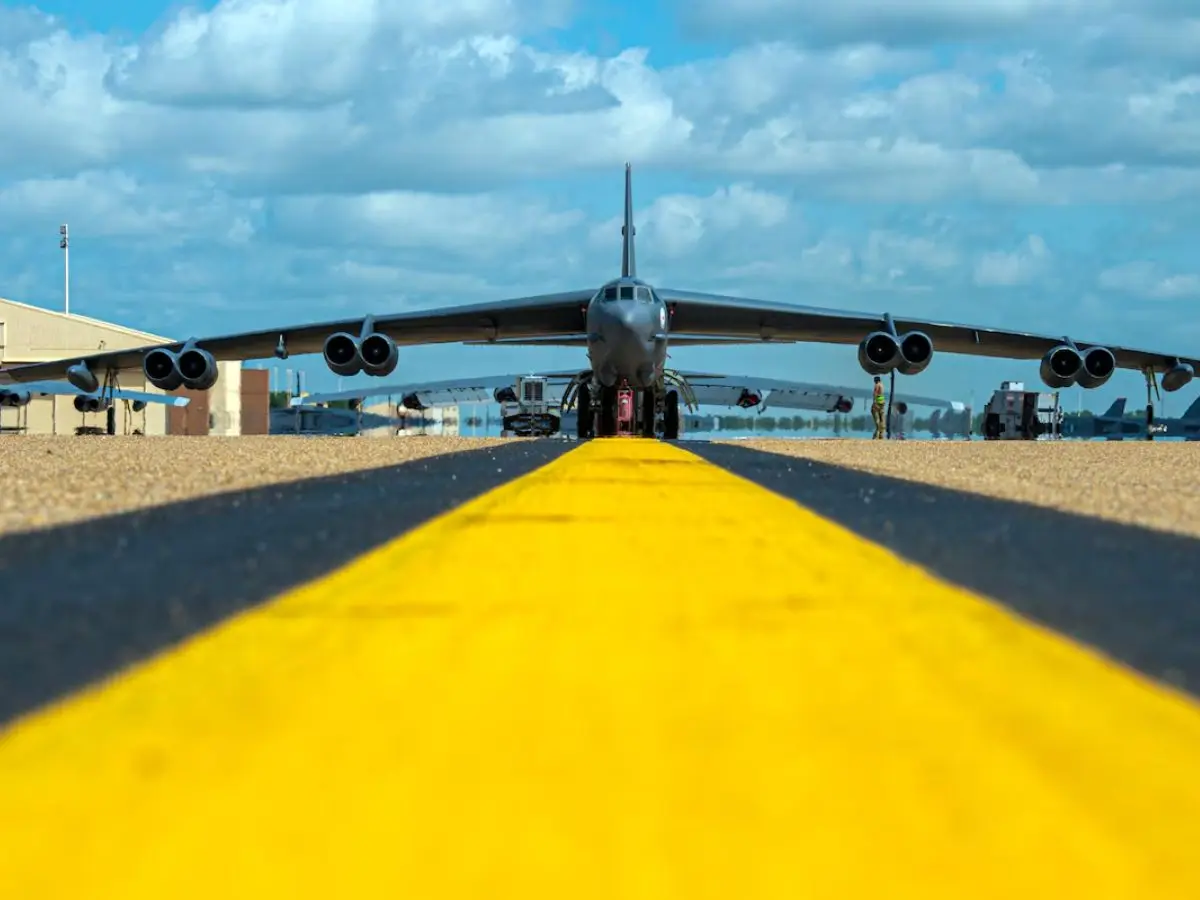
When a B-52 arrives at the Boneyard, it goes through a preservation process called pickling. Fuel systems are purged and sealed. Moving parts are coated in a white vinyl compound called Spraylat that blocks UV radiation and moisture. Openings are covered. Engines are sealed with plugs. The aircraft is then parked in its assigned row and left — sometimes for years, sometimes forever.
They Are Never Fully Retired
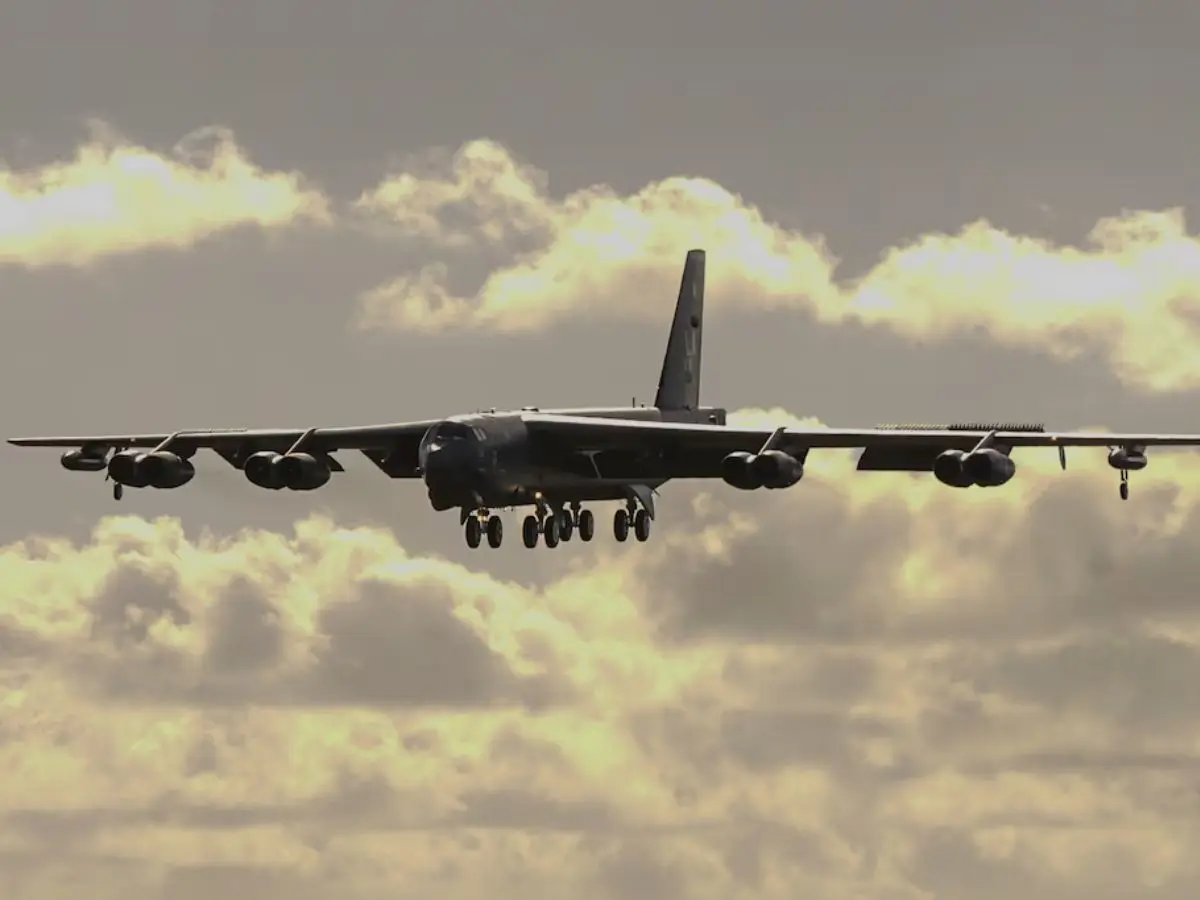
The Boneyard is not a cemetery — it is a strategic reserve. Aircraft stored there are catalogued and assessed regularly. Parts are harvested from some to keep active aircraft flying. Entire aircraft are occasionally reactivated when operational needs change. Several B-52s that were written off and sent to Davis-Monthan have been recalled to active duty when the Air Force needed more airframes than expected.
The Treaty That Sends Some To The Crusher
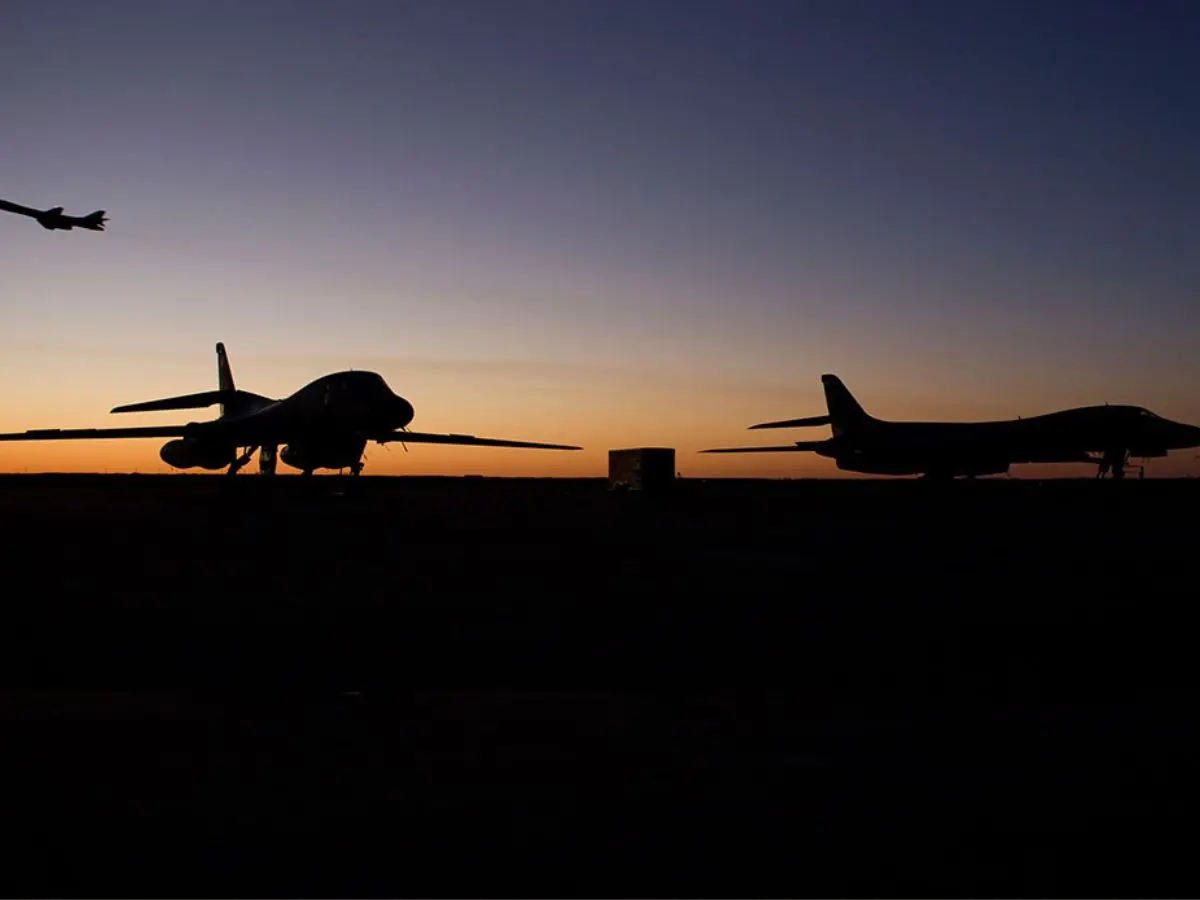
Under the START nuclear arms reduction treaties between the US and Russia, certain aircraft must be verifiably destroyed — not just stored. B-52s selected for treaty-mandated elimination are cut into five pieces by a giant guillotine blade, left in the open for satellite verification for 90 days, and then scrapped. Russia's satellites photograph the pieces to confirm the destruction. It is arms control visible from space.
Parts That Keep Active Planes Flying
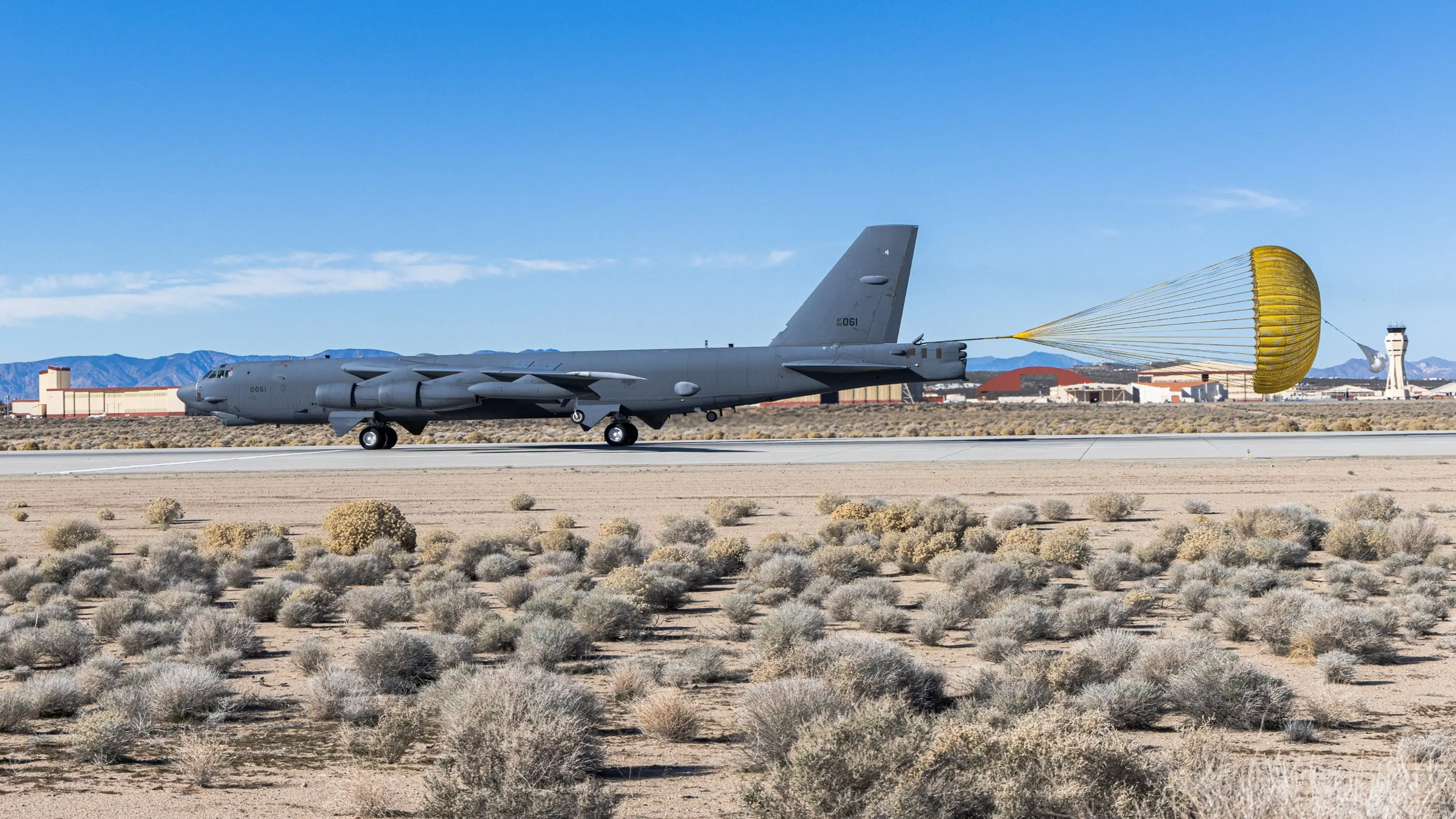
Many components of stored B-52s are regularly removed and sent to active-duty aircraft. A wing panel, an avionics rack, a landing gear component — the Boneyard functions as the world's most specialised junkyard for a 70-year-old aircraft whose parts are no longer manufactured. Without the stored aircraft in Tucson, maintaining the active B-52 fleet would be significantly harder and more expensive.
You Can See Them On Google Maps
The Boneyard at Davis-Monthan is visible in extraordinary detail on satellite imagery. Rows of B-52s, B-1s, F-16s, C-130s, and dozens of other types stretch across the desert floor in perfectly organised lines. Aviation enthusiasts worldwide have mapped individual aircraft by serial number from public satellite images. The largest open-air military aircraft collection on Earth is hiding in plain sight in the Arizona desert.
)
)
)
)
)