Glaciers, faultlines and earthquakes: Why Himalayas are the most dangerous place on Earth?

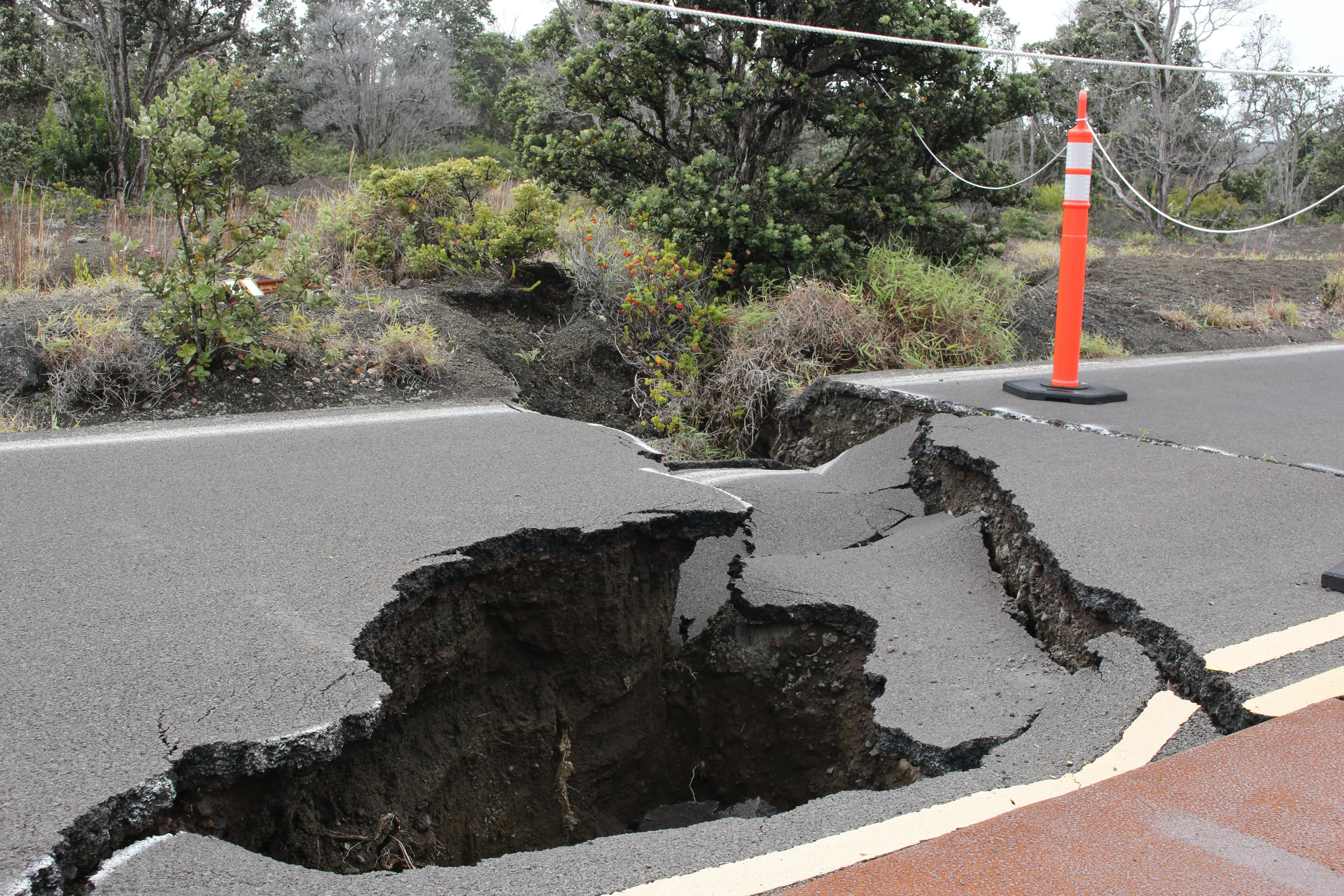
Earthquakes in mountainous terrain often cause landslides, avalanches, and dam failures. These secondary disasters magnify the destruction and are a major reason why the Himalayas are particularly dangerous.
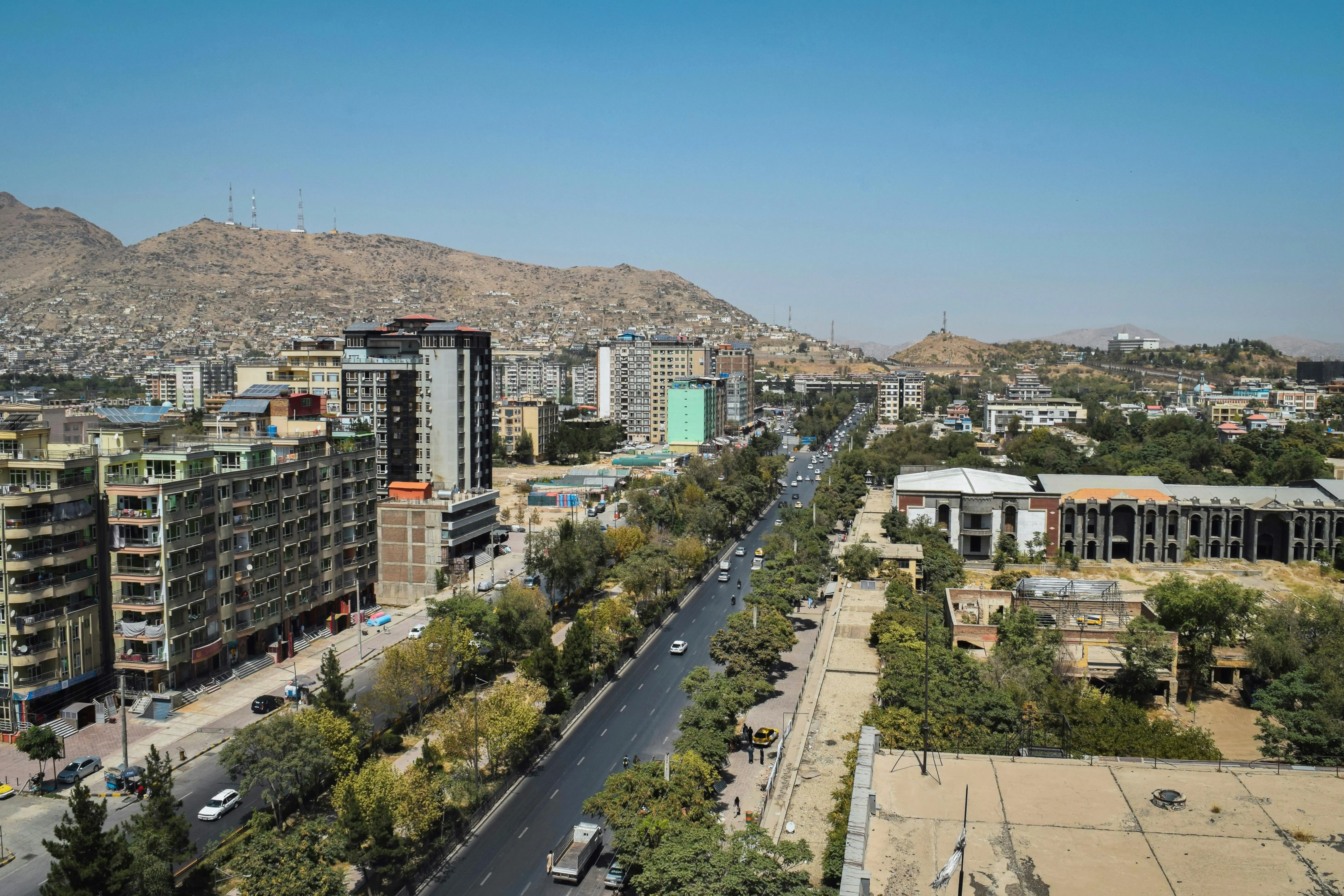
The Birthplace of Mountains and Quakes
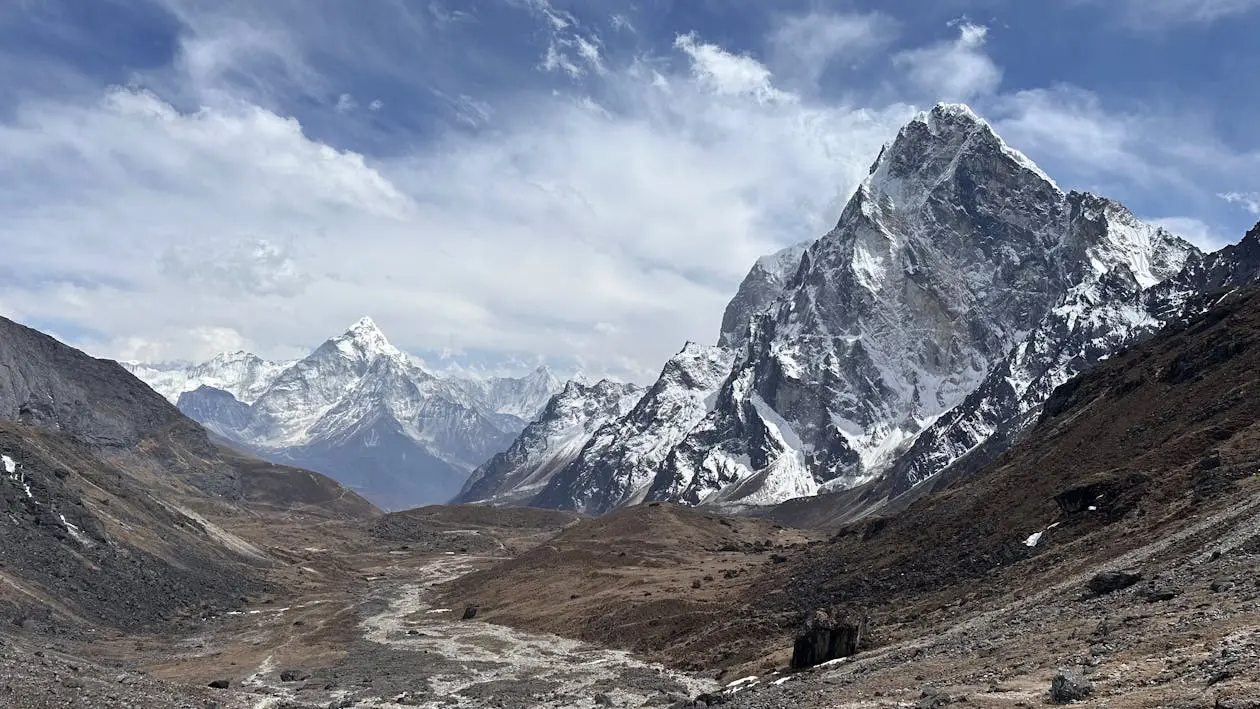
The Himalayas were formed by the collision of the Indian Plate with the Eurasian Plate, a process that continues today. This tectonic squeeze creates one of the most seismically active regions in the world.
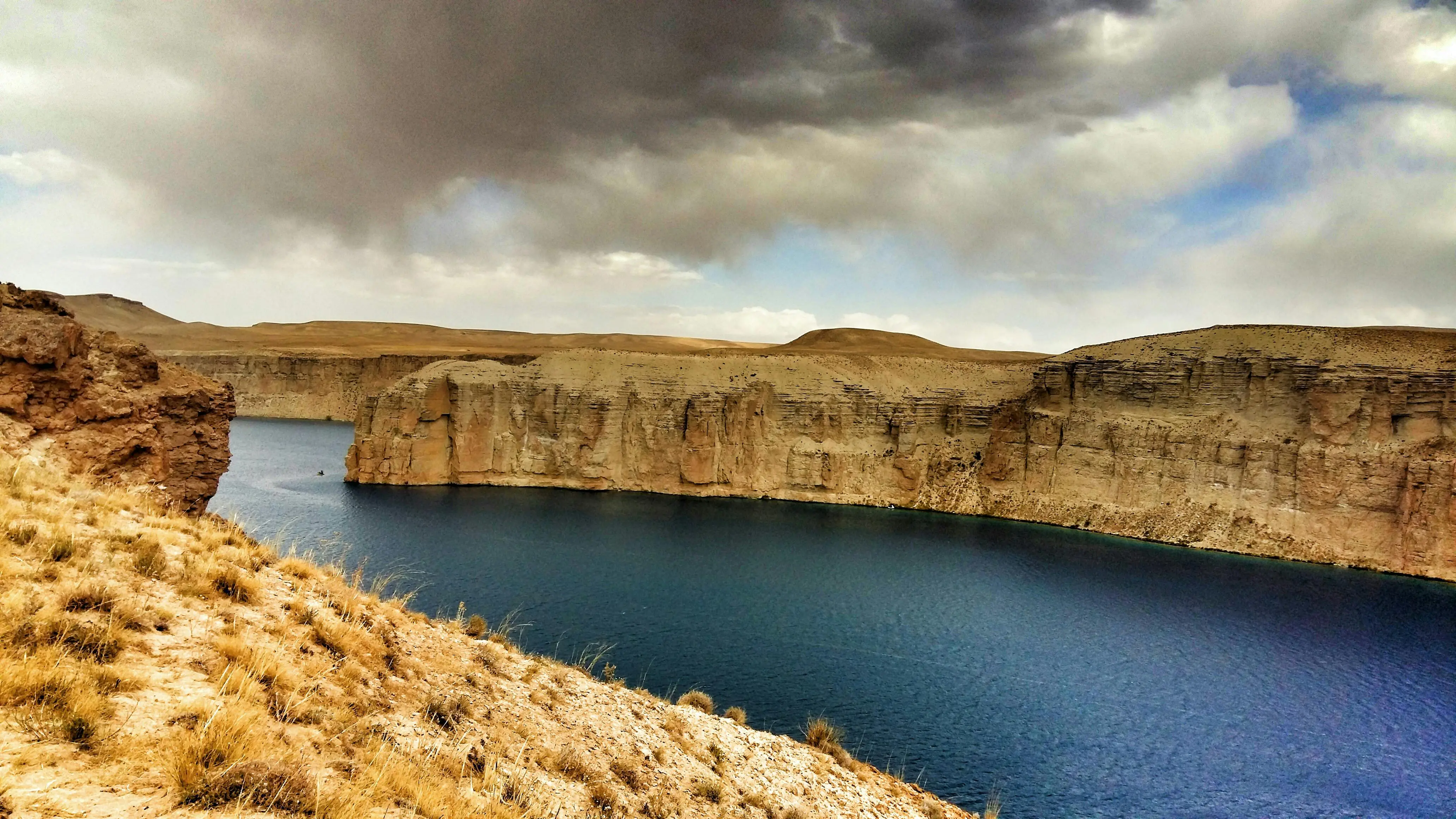
Locked Faults and Pressure Buildup
Many fault lines across northern India, Nepal, Bhutan, and Tibet are “locked,” meaning stress is accumulating over decades. When released, this pressure can trigger megaquakes of magnitude 8 or higher.
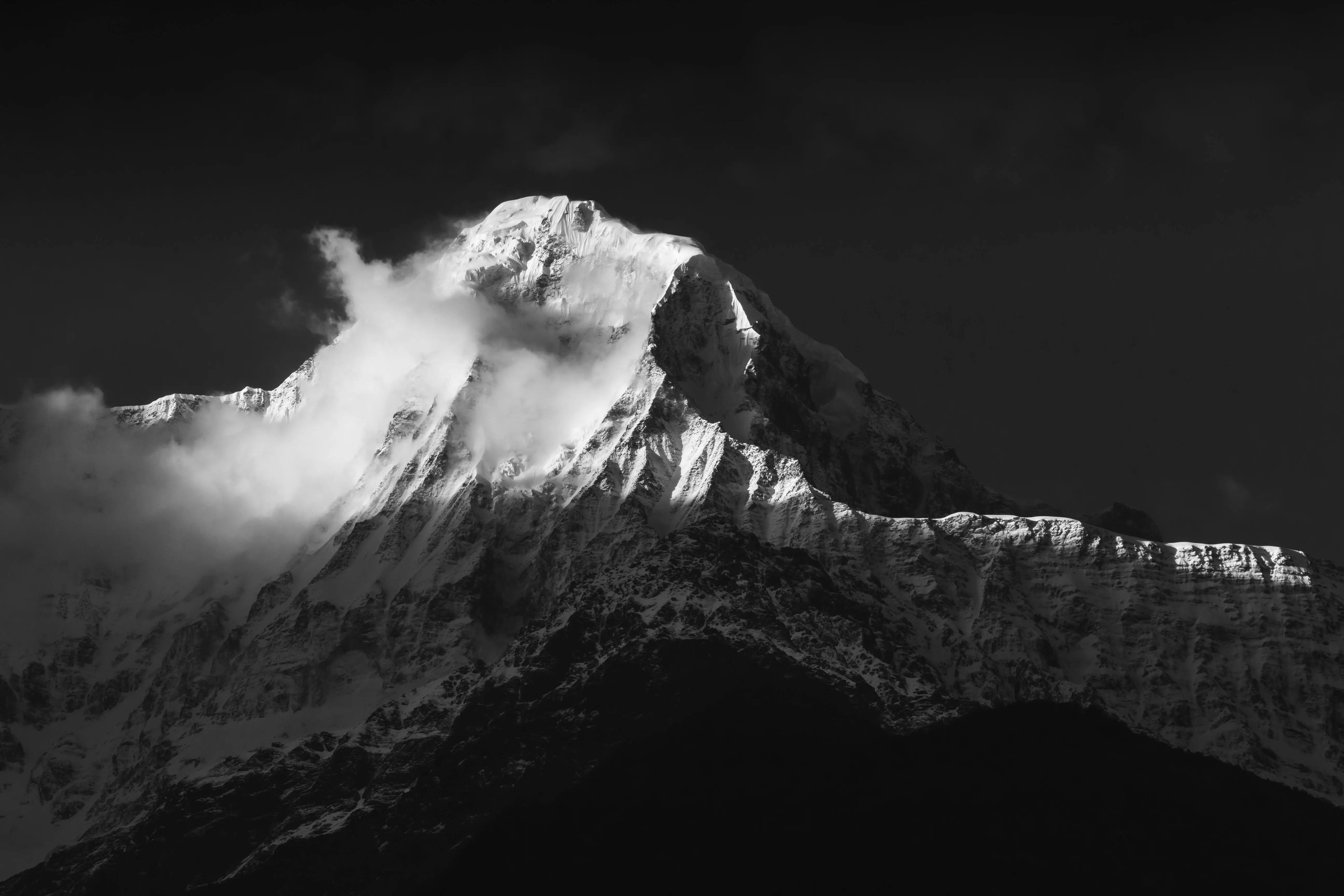
Glacial Movements Add Extra Stress
Glaciers in the Himalayas are melting due to climate change. The retreat of massive ice sheets alters the weight distribution on the crust, slightly shifting tectonic stress and potentially triggering tremors.
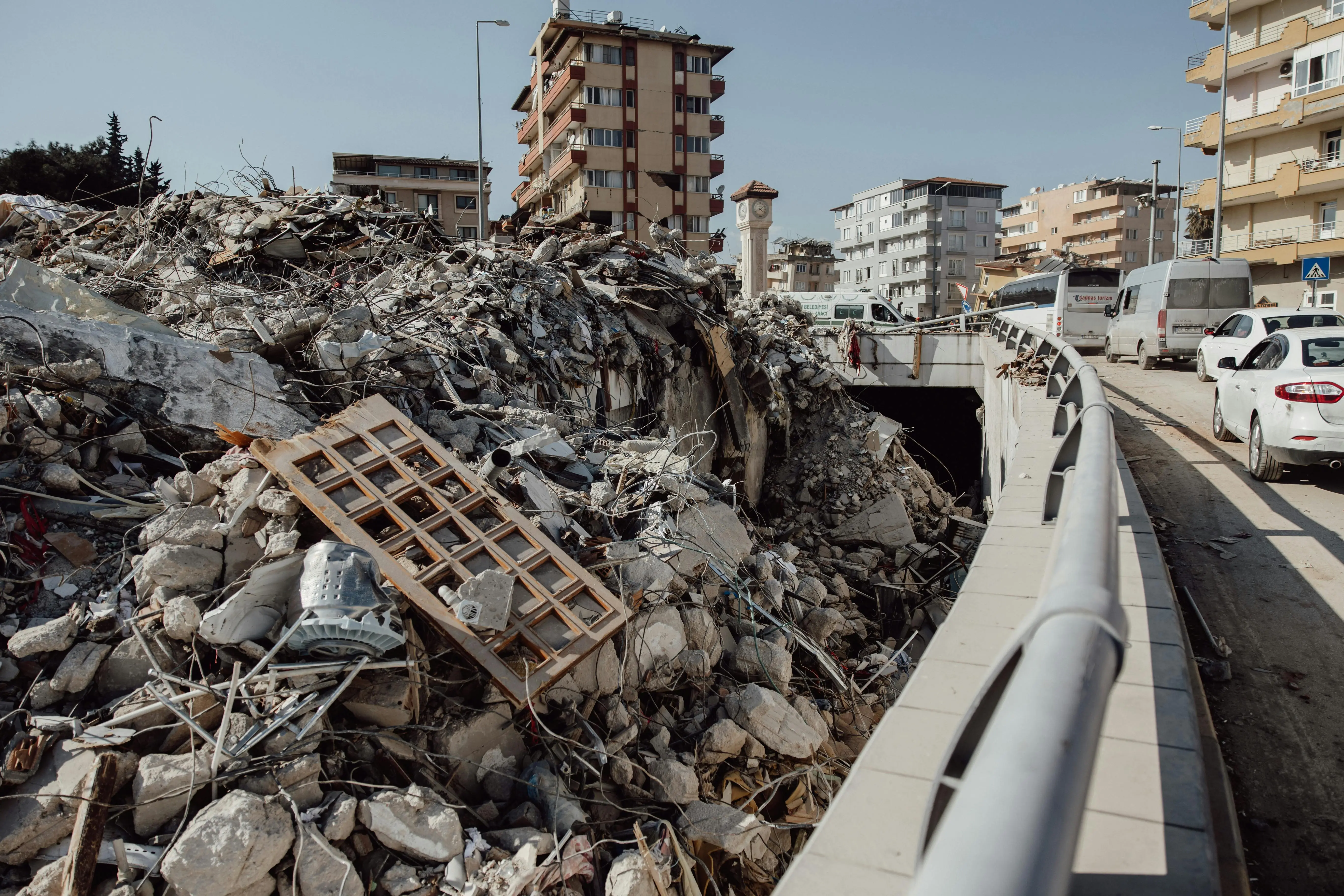
Frequent Landslides Make It Deadly
Earthquakes in mountainous terrain often cause landslides, avalanches, and dam failures. These secondary disasters magnify the destruction and are a major reason why the Himalayas are particularly dangerous.
High Population at Risk
Millions live in seismic zones along the foothills and valleys. Cities like Kathmandu, Shimla, and Dehradun are highly vulnerable, and poor building infrastructure increases casualties during quakes.
Deep and Shallow Earthquakes
The Himalayas experience both shallow quakes, which are immediately destructive, and deep-focus earthquakes, which can affect vast areas across South Asia simultaneously.
Preparedness is Still Limited
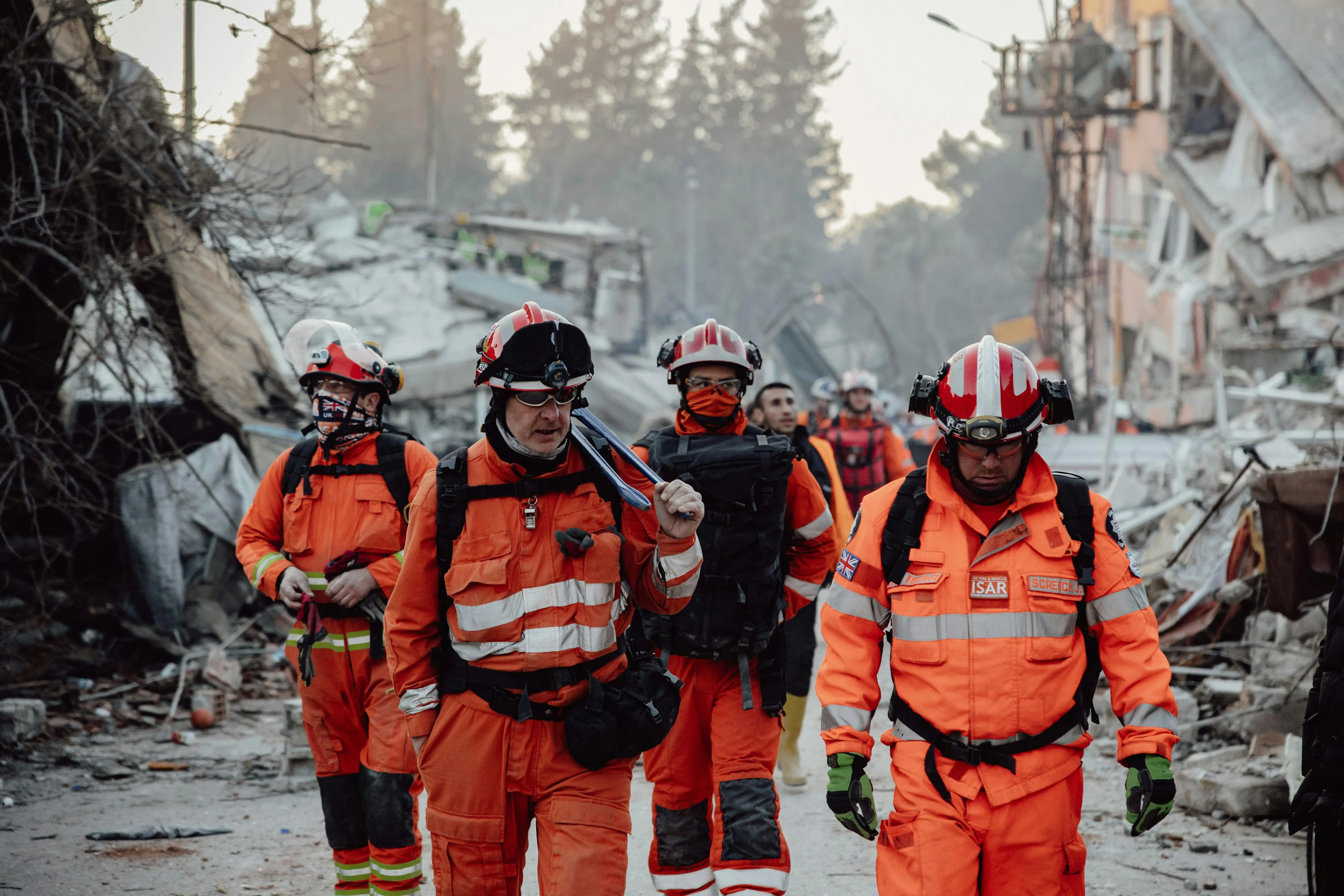
Despite decades of research, much of the region remains underprepared. Scientists emphasise early warning systems, quake-resistant infrastructure, and disaster awareness as crucial steps to minimise loss of life.
)
)
)
)
)