Future fighter cockpits could be fully holographic, eliminating physical panels

Holographic cockpits can be AI-assisted, prioritising threats, predicting enemy movement, and highlighting critical flight parameters automatically. Data from sensors, drones, and allied aircraft can be overlaid directly in the pilot’s view, creating a 360-degree battle awareness environment.
1. The evolution of the fighter cockpit
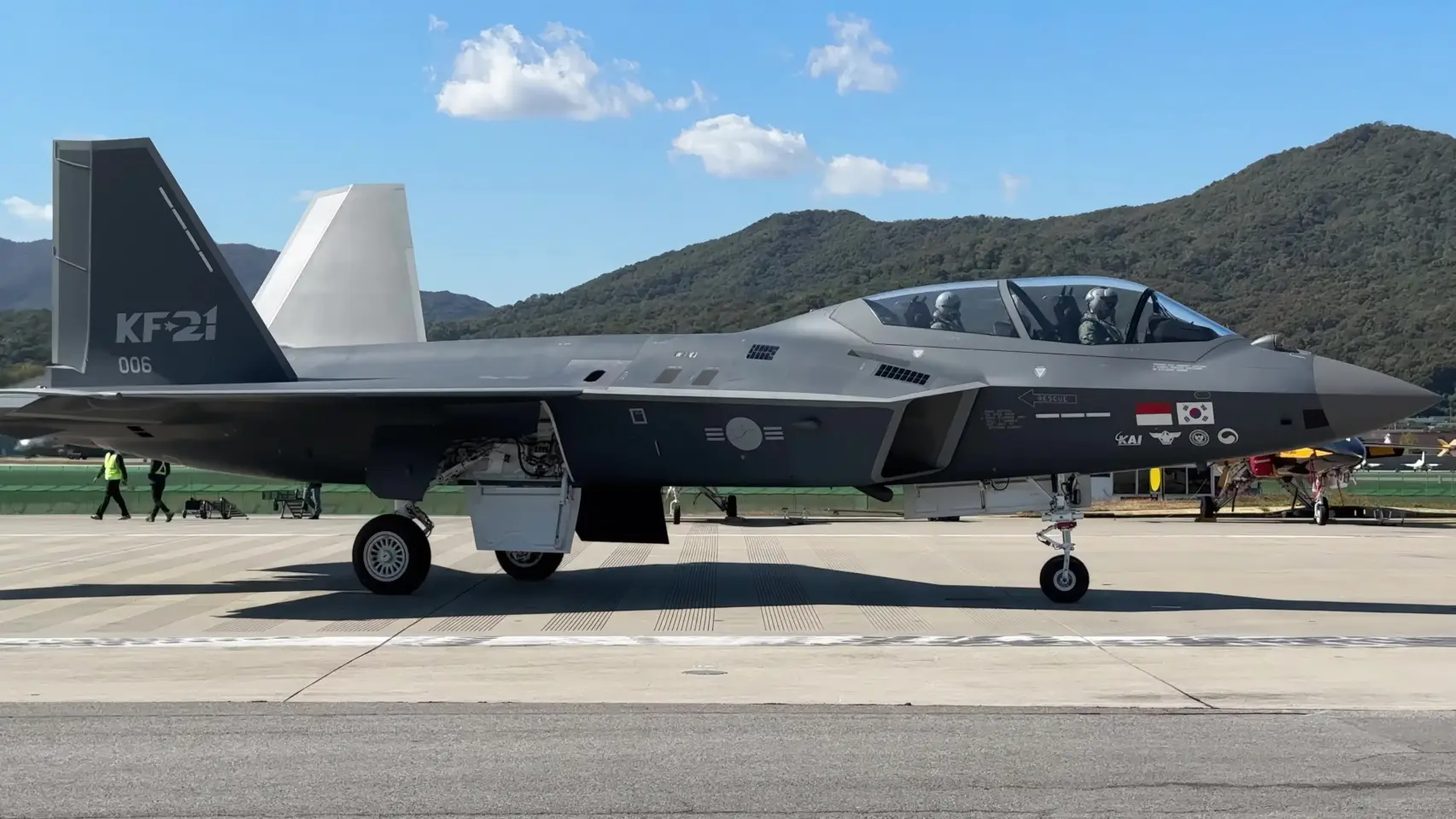
Traditional fighter cockpits are filled with buttons, switches, and screens, requiring pilots to divide attention between instruments and the external environment. Future cockpits aim to replace physical panels with holographic displays, reducing clutter and improving situational awareness.
2. How holographic cockpits work
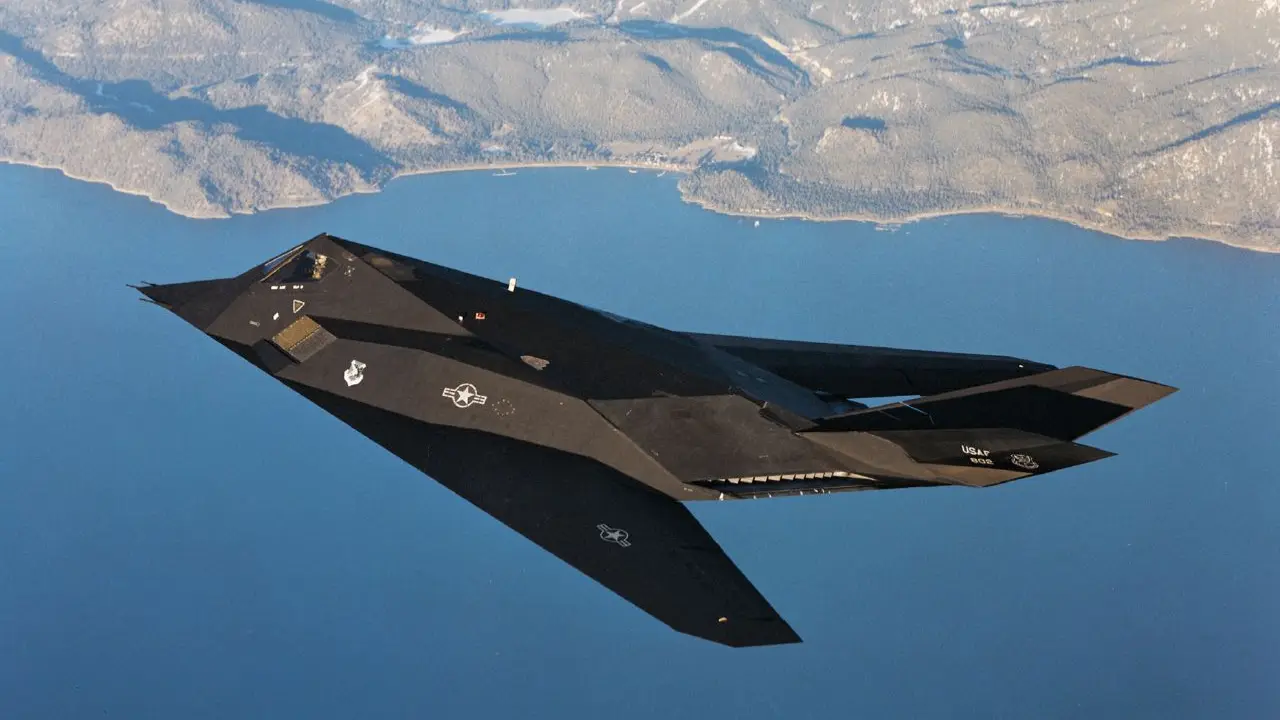
Holographic systems project three-dimensional images directly into the pilot’s field of view. Using augmented reality (AR) combined with head- and eye-tracking, pilots can interact with controls, maps, and weapon systems simply by looking at or gesturing towards the holographic elements.
3. Advantages over traditional displays
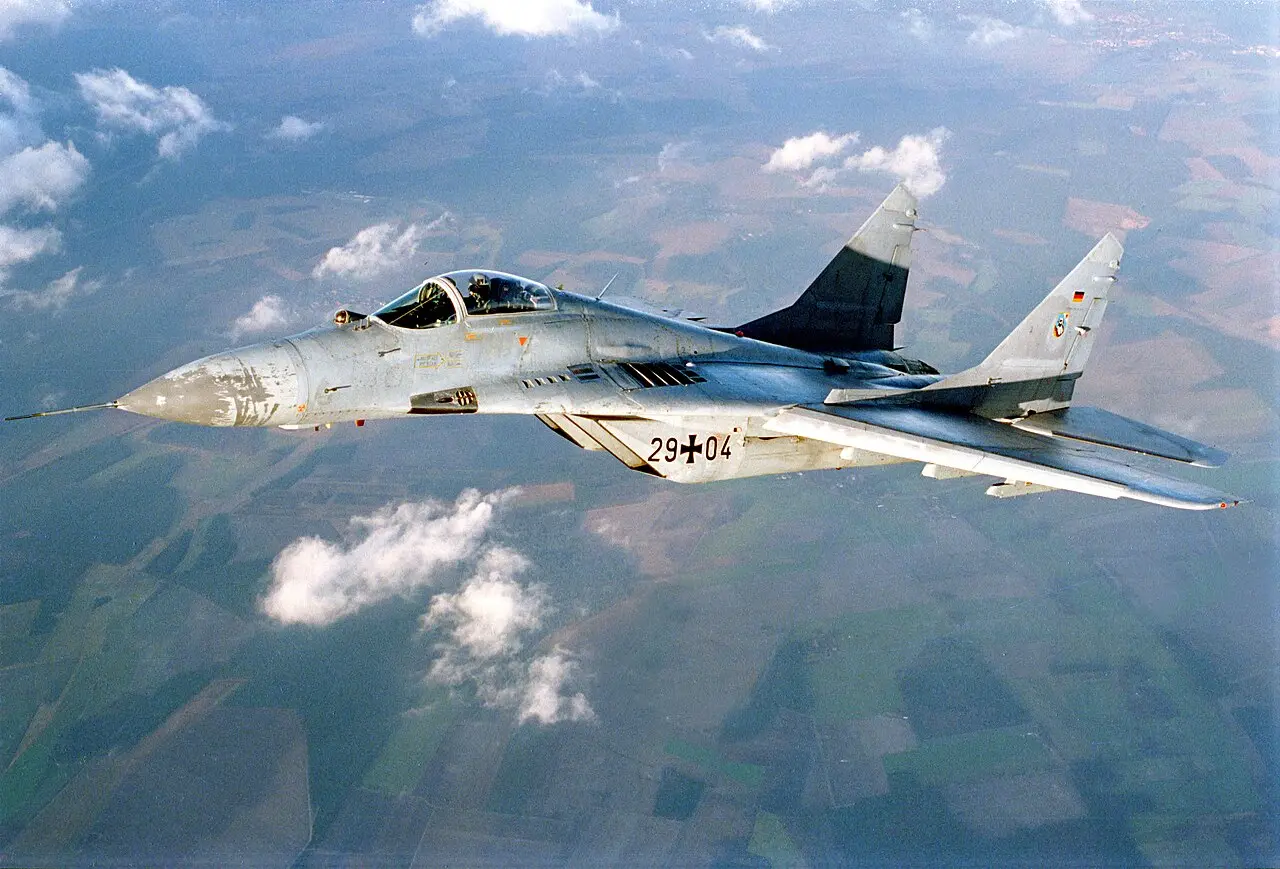
Fully holographic cockpits allow dynamic reconfiguration based on mission phase, alerting pilots only to critical information. This reduces cognitive load, increases reaction speed, and improves safety during high-G manoeuvres and supersonic flight.
4. Current research and prototypes
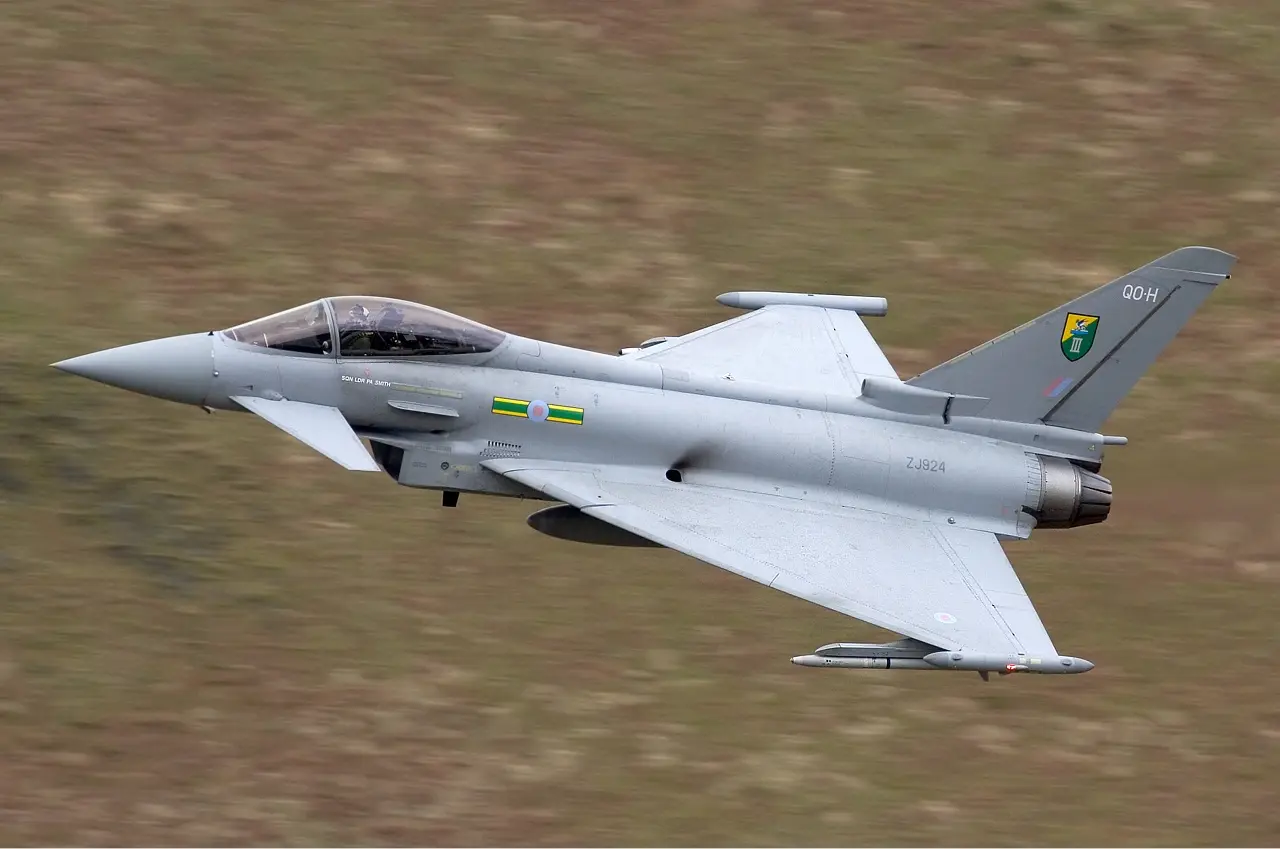
Lockheed Martin and BAE Systems are experimenting with AR cockpits for the F-35 and Tempest programmes, using helmet-mounted displays and digital overlays to project 3D flight data. While full holographic control is still experimental, rapid progress in light-field technology and gesture recognition suggests near-term feasibility.
5. Integration with AI and sensors
Holographic cockpits can be AI-assisted, prioritising threats, predicting enemy movement, and highlighting critical flight parameters automatically. Data from sensors, drones, and allied aircraft can be overlaid directly in the pilot’s view, creating a 360-degree battle awareness environment.
6. Engineering and operational challenges
Challenges include ensuring display clarity in varying light conditions, resistance to vibration, and latency-free tracking. System reliability under combat stress and compatibility with helmet-mounted displays are key concerns that engineers continue to address.
7. The future of pilot experience
Within the next decade, fighter pilots may operate in entirely digital cockpits, where holographic controls replace buttons, screens, and gauges. This shift transforms the pilot’s role into mission manager, leveraging AI and AR to make faster, more informed decisions while flying at extreme speeds.
)
)
)
)
)