From Marut to Tejas Mk to AMCA: Inside India’s indigenous fighter jet evolution

Beginning with the HF-24 Marut in the 1960s, followed by the light yet advanced Tejas, and looking ahead to the stealthy AMCA, the country’s indigenous aviation effort reflects some setbacks but massive progress.
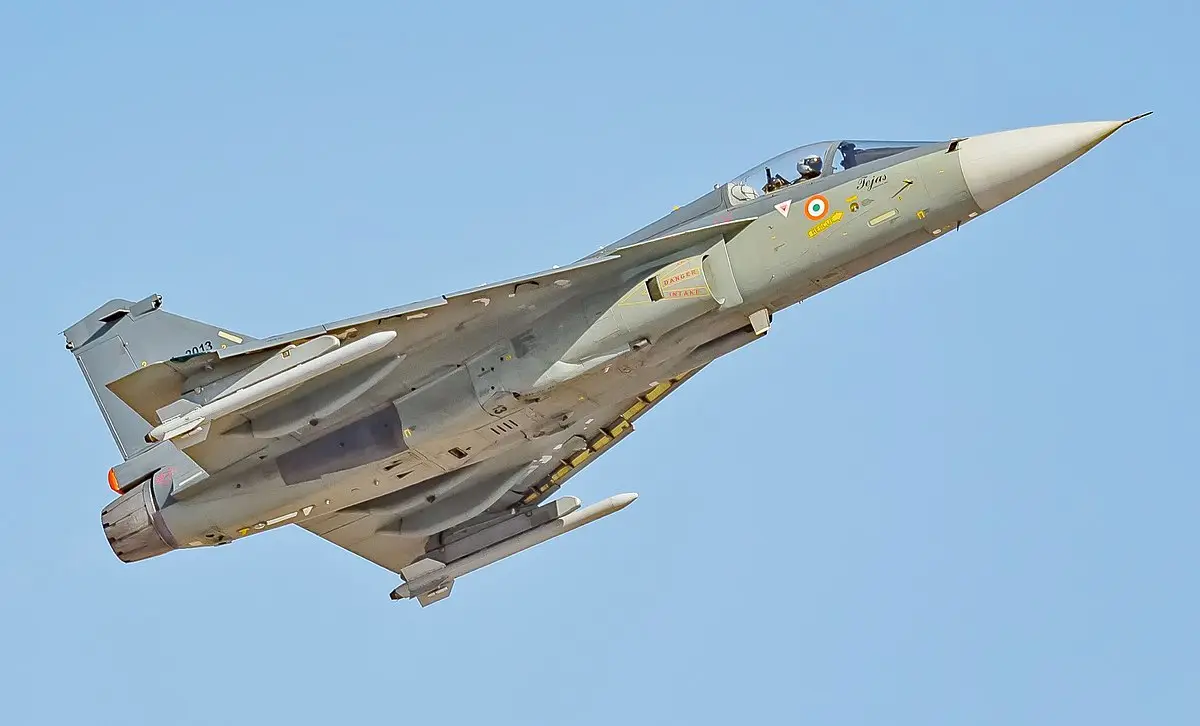
A Quest for Self-Reliance in the Skies
India’s journey to design and produce its own fighter jets has been shaped by ambition, geopolitical pressure and decades of trial and error. Beginning with the HF-24 Marut in the 1960s, followed by the light yet advanced Tejas, and looking ahead to the stealthy AMCA, the country’s indigenous aviation effort reflects some setbacks but massive progress. This evolution offers a rare glimpse into how technology, strategy and national pride intersect.
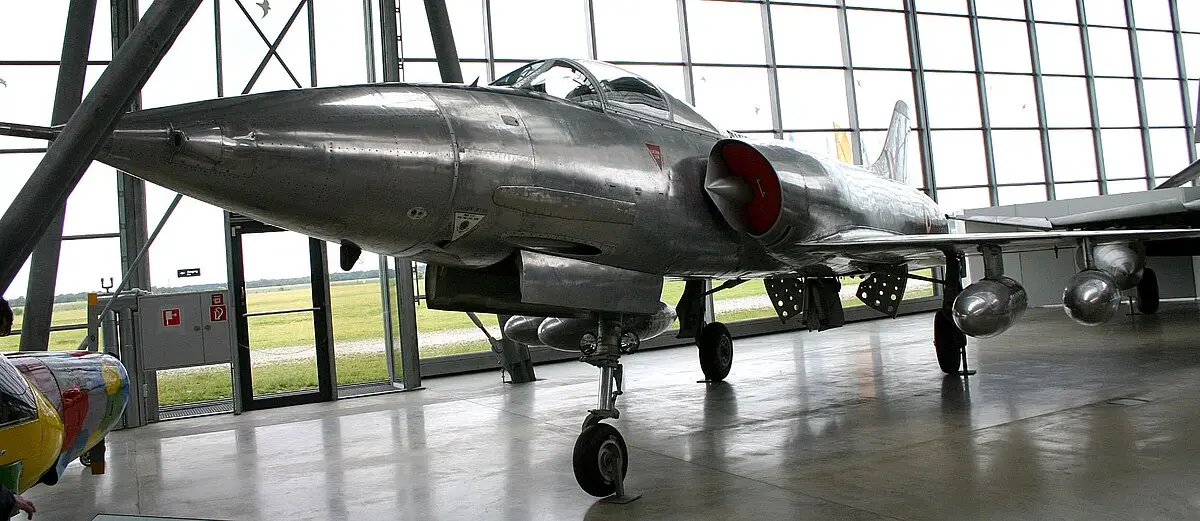
HF-24 Marut: The First Step
India’s story as a fighter jet designer began with the Hindustan Fighter-24 Marut, conceived by legendary German designer Kurt Tank and first flown in 1961. Entering service in 1967, it became Asia’s first indigenously built jet fighter. Designed as a supersonic aircraft, it never reached that speed due to engine limitations, using less powerful Orpheus engines. Despite these constraints, the Marut proved its worth in combat during the 1971 Indo-Pakistan war, flying ground-attack missions and earning respect for its ruggedness. By the late 1980s, it was retired after around 147 units built.
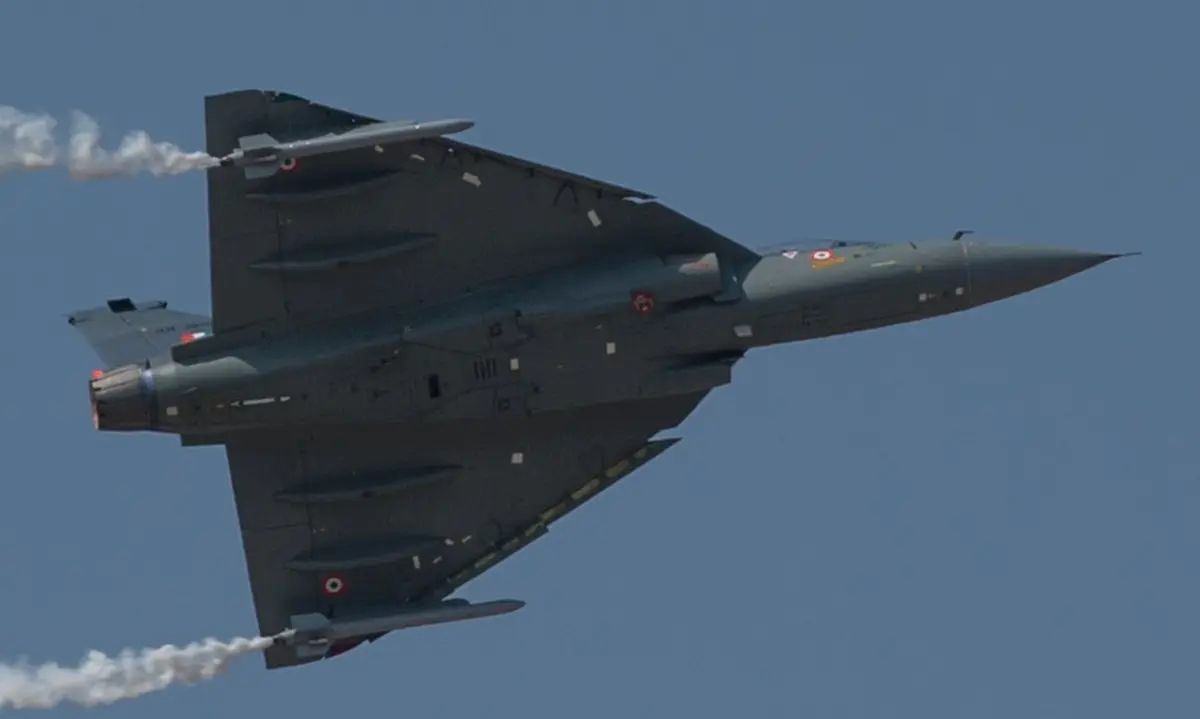
HAL Tejas: Modern India Takes Flight
The Light Combat Aircraft (LCA) programme was approved in 1983, but the Tejas prototype only flew in 2001, highlighting the complexities of modern fighter development. Officially entering IAF service in 2016, the Tejas Mk1 is a lightweight multirole fighter with advanced avionics, composite materials and fly-by-wire controls. While still awaiting full operational clearance for all roles, it demonstrates India’s move from licence production to true indigenous design. The IAF has inducted squadrons equipped with Tejas Mk1, and an improved Tejas Mk1A with better radar, electronic warfare systems and reduced maintenance demands began production in 2024.
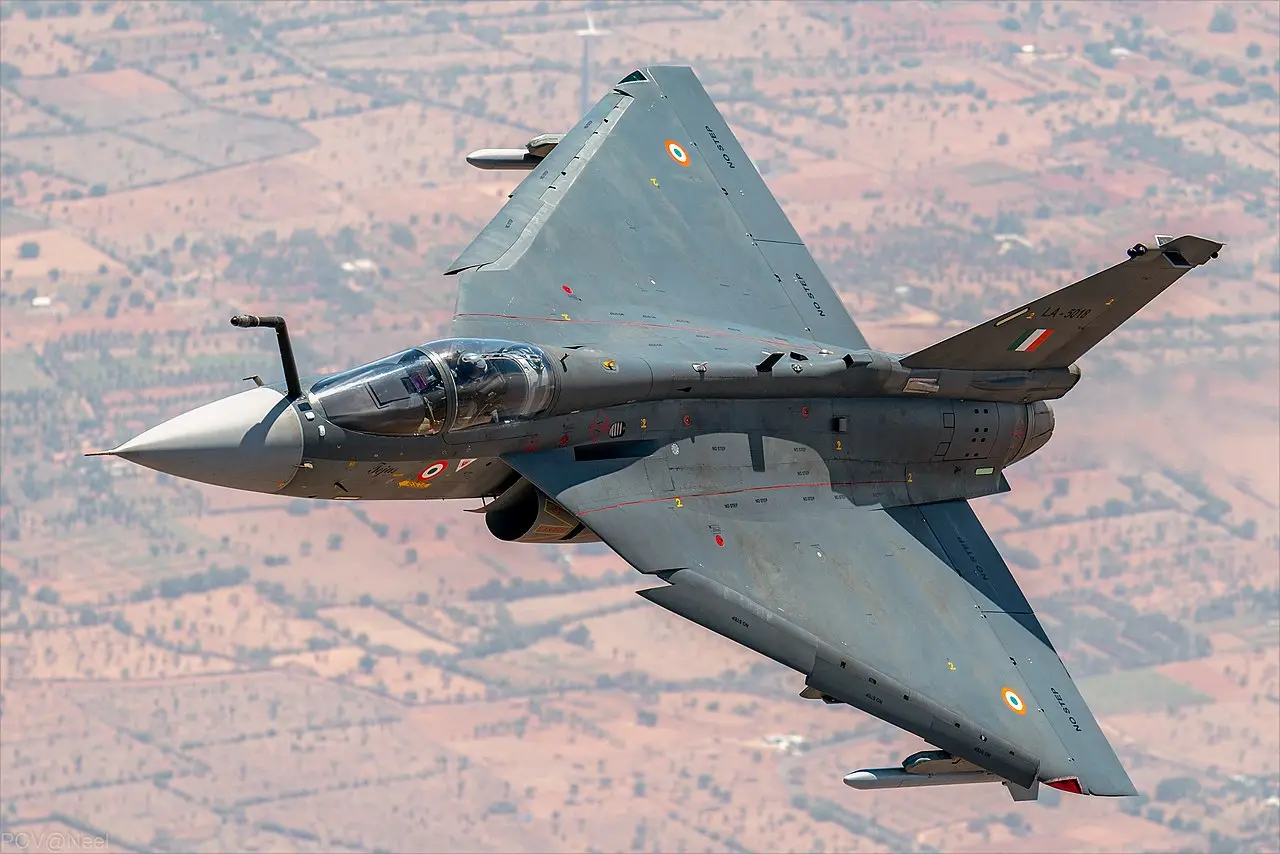
Combat Experience and Limitations
Unlike the Marut, which saw combat, the Tejas has yet to be used in real conflict. However, it has participated in multiple joint exercises and patrols, strengthening its operational credibility. As production ramps up, Tejas Mk1A aims to replace ageing MiG-21s, while the planned Tejas Mk2, a medium-weight fighter with a more powerful engine and greater payload, targets induction by the late 2020s.
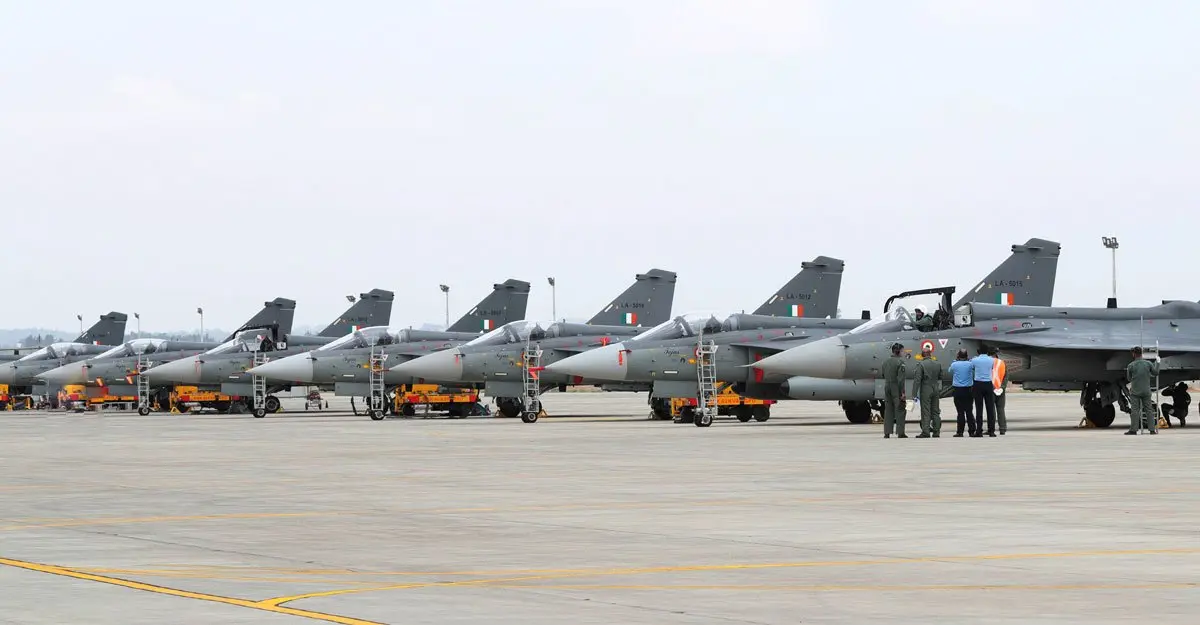
Tejas Mk2: India’s Next-Generation Medium Fighter
The Tejas Mk2 is an advanced evolution of the original Tejas, featuring a powerful GE F414 engine, increased payload of up to 6.5 tonnes, and cutting-edge AESA radar and electronic warfare systems. Designed as a multirole medium-weight fighter, it will carry a wide range of precision-guided munitions and beyond-visual-range missiles. Intended to replace ageing Mirage 2000 and Jaguar fleets, the Tejas Mk2 is slated for first flight by 2026 and induction by the late 2020s.
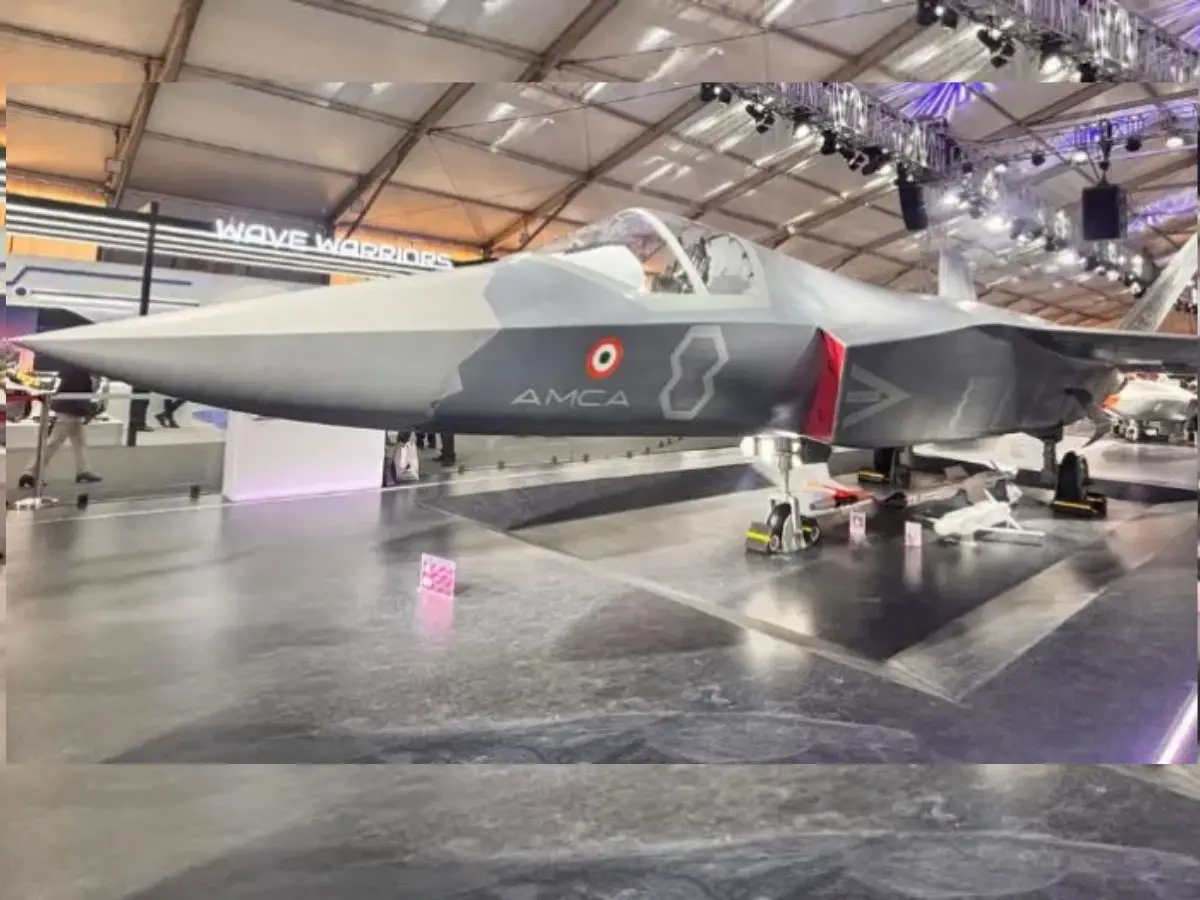
AMCA: The Stealth Generation
India’s next bold step is the Advanced Medium Combat Aircraft (AMCA), an ambitious fifth-generation stealth fighter currently in development. With features like internal weapons bays, stealth shaping and advanced sensors, it aims to compete with contemporary stealth aircraft worldwide. The AMCA project received design clearance in 2023, and the prototype is expected by 2026–27. If timelines hold, production could begin by the early 2030s.
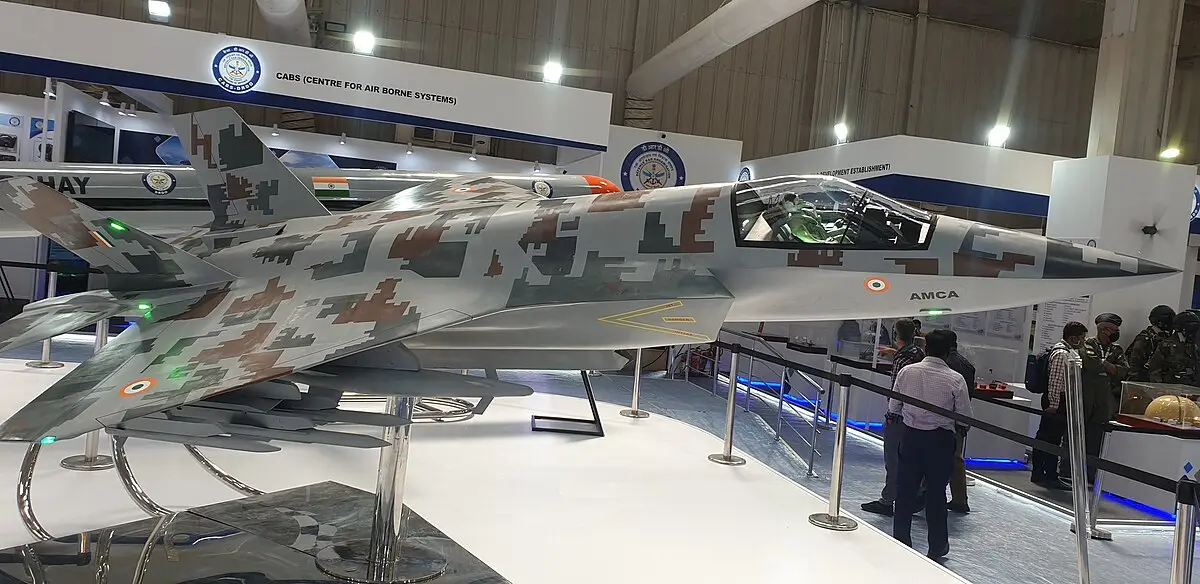
Bridging Past, Present and Future
From the Marut’s brave beginnings to the agile Tejas and the futuristic AMCA, India’s fighter jet evolution illustrates both the hurdles of building complex defence systems and the determination to achieve self-reliance. While challenges remain, especially with timelines and technology gaps, the progress since the 1960s marks a remarkable national endeavour — from early designs constrained by foreign engines to aircraft shaped entirely by Indian engineering.
)
)
)
)
)