From knitting to packing: Indian cotton yarn's journey

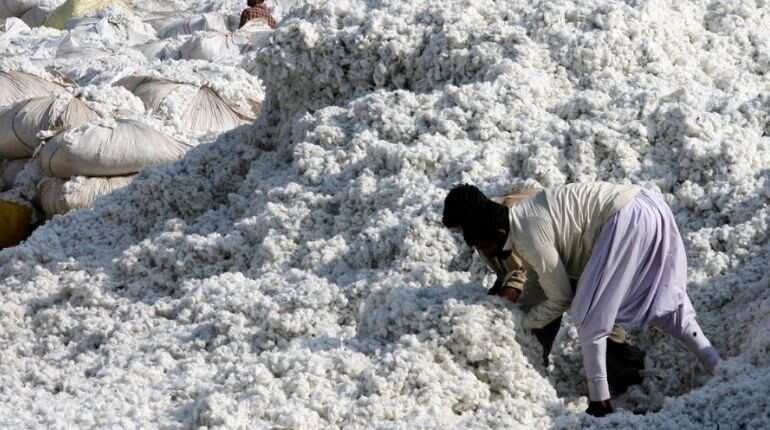
Cotton
Cotton is grown in states such as Telangana and Andhra Pradesh in the south; then goes further south to Tamil Nadu for spinning into yarn; weaving happens in the western states of Gujarat and Maharashtra; processing occurs in neighbouring Rajasthan; from where it goes to the national capital region of Delhi in the north, Bengaluru in the south and Kolkata in the east for garment-making.
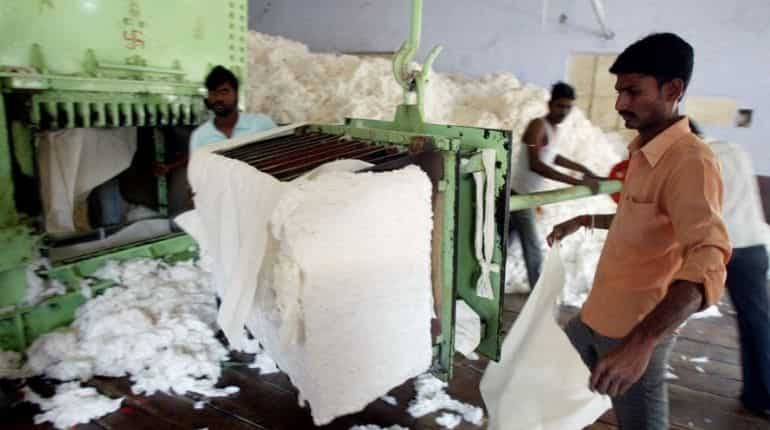
Indian textiles industry
Cotton produced by a farmer in Telangana can move thousands of kilometres to become a T-shirt, compared with barely a few hundred kilometres in Bangladesh, though the latter is reliant on cotton produced in India and China.
Some Indian textiles industry officials say many companies have now moved their factories closer to raw materials.
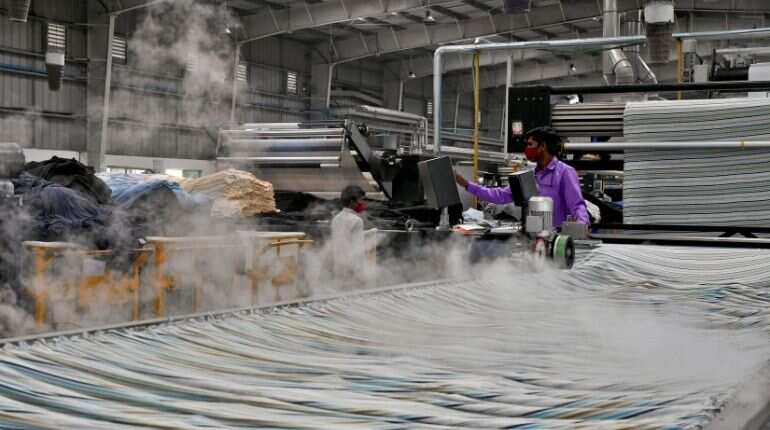
Yarn
Texport, whose main factories are in the town of Hindupur in Andhra Pradesh, sources white or dyed yarn from suppliers in Gujarat, Maharashtra and Tamil Nadu. The supplies come from factories located anywhere between 350 km (215 miles) and 1,450 km (900 miles) away.
Fabric
The Hindupur factories use South Korean knitting machines to produce rolls of fabric from yarn to make products such as T-shirts for Tommy Hilfiger.
The factories buy woven fabrics to make shirts and tops for Kohl's from firms spread across various textile clusters in Tamil Nadu, located within a radius of 350 km.
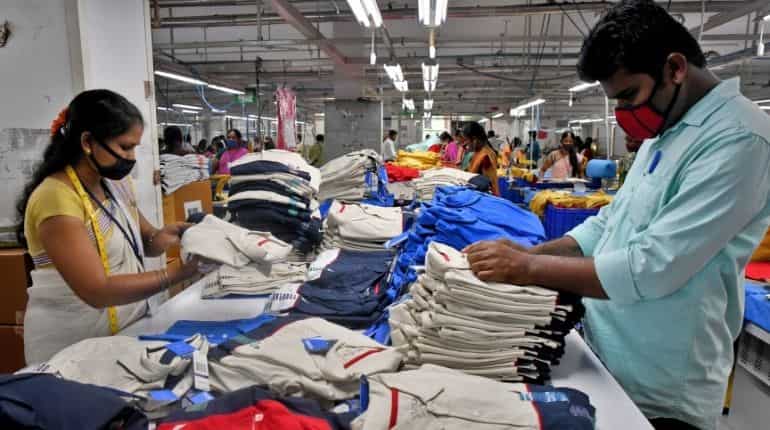
Garments
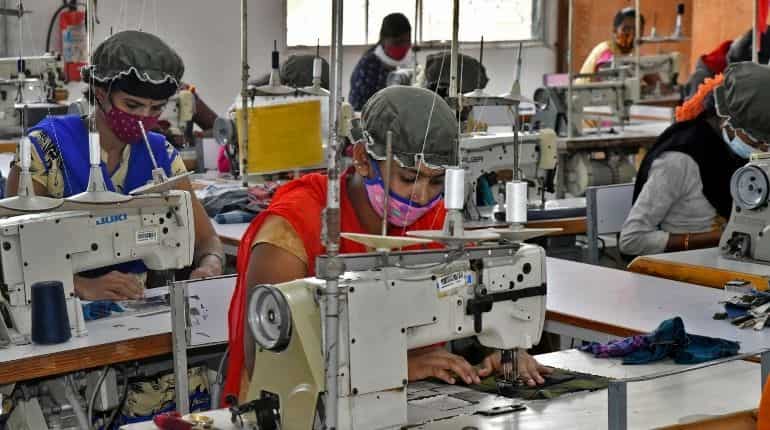
The in-house and third-party fabric rolls then move to giant plants nearby where thousands of people work machines, scissors and hot irons in eight-hour shifts.
The dyed and washed rolls are unrolled using machines. Plain ones are shaped by machines in batches, checked ones using scissors.
An army of mostly women seamstresses then stitch them into T-shirts, shirts, tops and kids' jumpsuits that are inspected, washed, dried, pressed, tagged and then packed into cartons to be trucked to the seaport in Chennai, some 400 km away, before they are shipped to nearly two dozen countries, mainly the United States.
)
)
)
)
)