From hypersonics to cruise missiles: North Korea's long-range ballistic missile technology

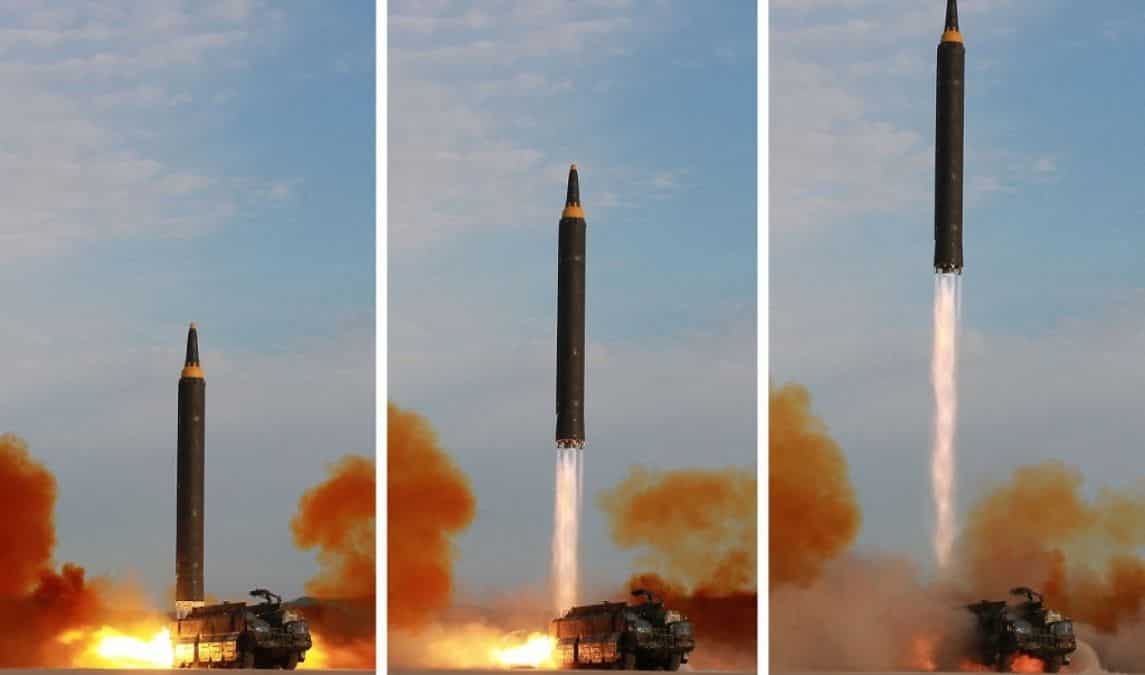
Hwasong-12
Intermediate-range ballistic missiles (IRBMs), which are rocket-propelled for the first stage of flight, have a range of about 3,000-5,500 kilometres (1,800–3,400 miles).
North Korea's main IRBM is called the Hwasong-12, a missile powerful enough to hit the US territory of Guam. This is what it test-fired on January 30.
Pyongyang first successfully tested the Hwasong-12 in May 2017.
Under current UN Security Council sanctions, it is banned from testing any ballistic missiles.
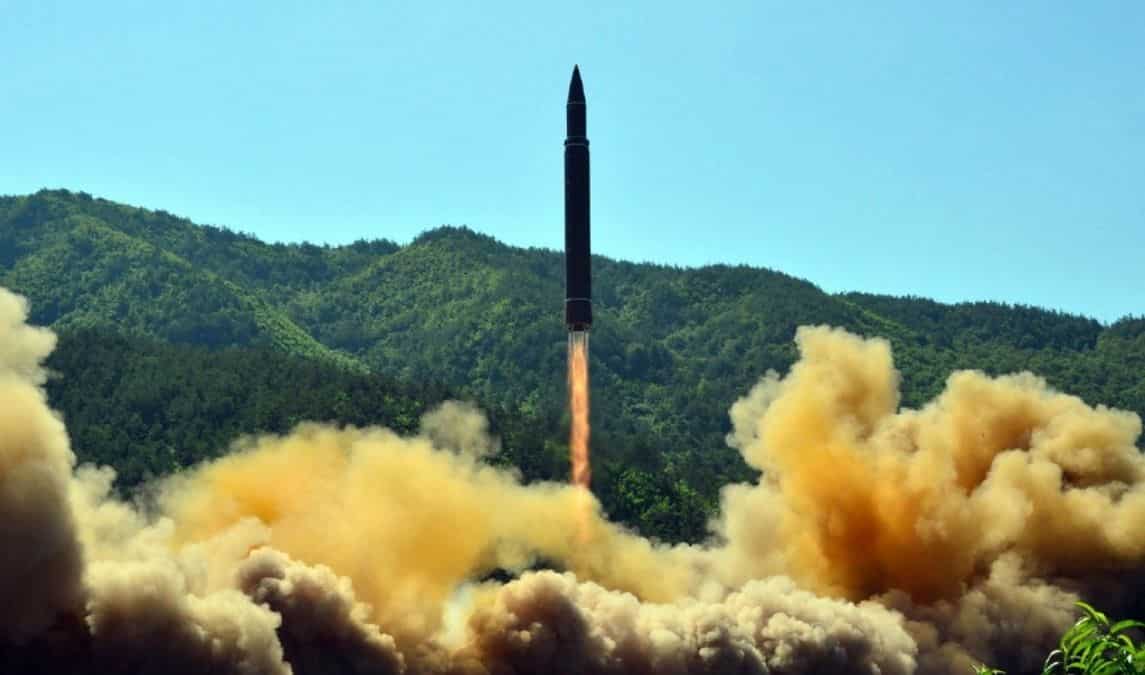
Hwasong-14 & Hwasong-15
Intercontinental ballistic missiles (ICBMs) have a minimum range of 5,500 kilometres (3,400 miles) and are primarily designed for nuclear weapons delivery.
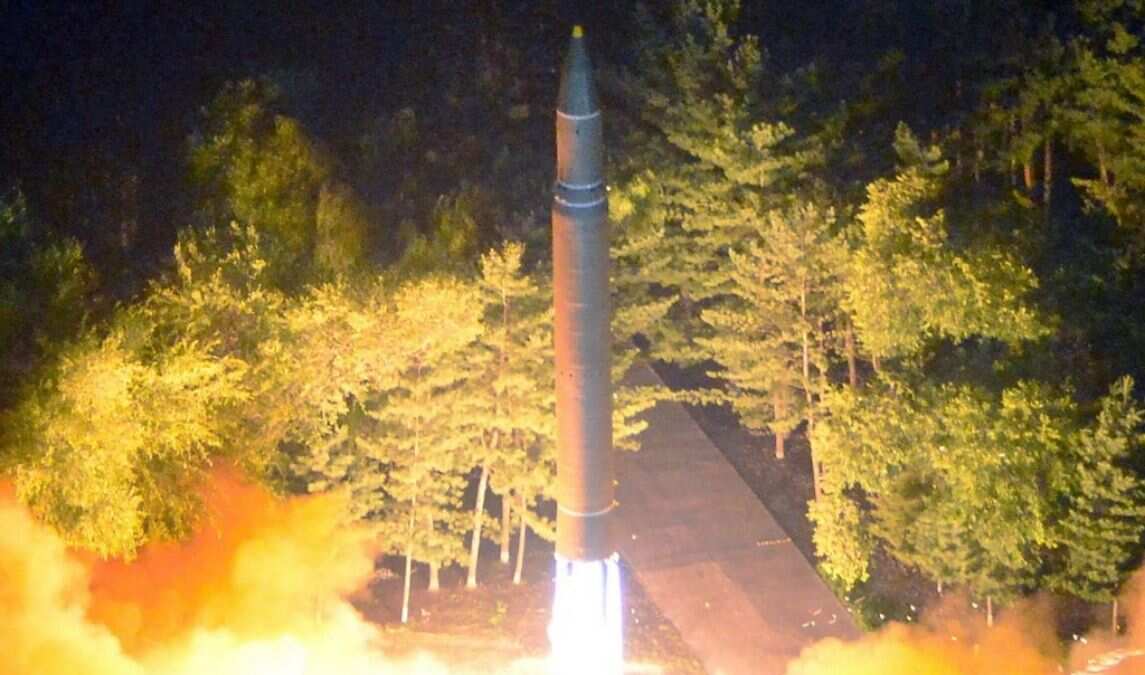
North Korea has tested ICMBs three times -- all in 2017 during a period of "fire and fury" when Kim and Trump traded insults and threats.
Pyongyang first tested the Hwasong-14 that year, claiming it reached an altitude of 2,802 km and flew 933 km during a successful test.
The launch date of July 4 coincided with US Independence Day, a gift for the "American bastards".
It tested the missile again at a lofted trajectory three weeks later.
North Korea continued its ICBM testing with the even more powerful Hwasong-15, a missile capable of reaching the US mainland.
Pyongyang claimed that during the November 2017 test it reached an altitude of around 4,475 km and travelled 950 km.
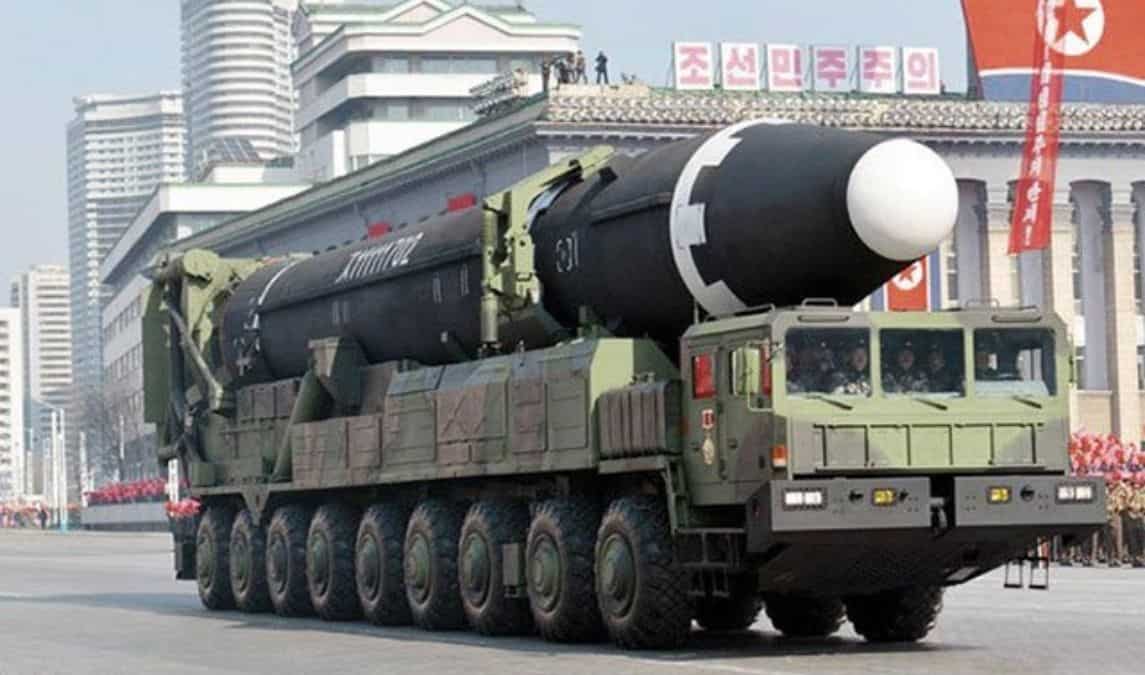
Hwasong-17
First unveiled on a 22-wheeled vehicle at a military parade in October 2020, the Hwasong-17, dubbed a "monster" missile by analysts, was seen as a new iteration of Hwasong-15, with technical improvements.
While it has yet to be test-fired, the US and South Korea have assessed that the North's two launches in early 2022, one on February 27 and one on March 5, "involved a new intercontinental ballistic missile system", likely components of the Hwasong-17.
North Korea had claimed the tests were of components for a reconnaissance satellite.
The Hwasong-17 is believed to have the capacity to carry multiple warheads, making it harder to intercept.
North Korea has not demonstrated this capability before.
Experts now expect Pyongyang to test-fire the Hwasong-17, likely disguised as a space rocket, on April 15, the 110th birth anniversary of Kim Il Sung, the founder of North Korea.
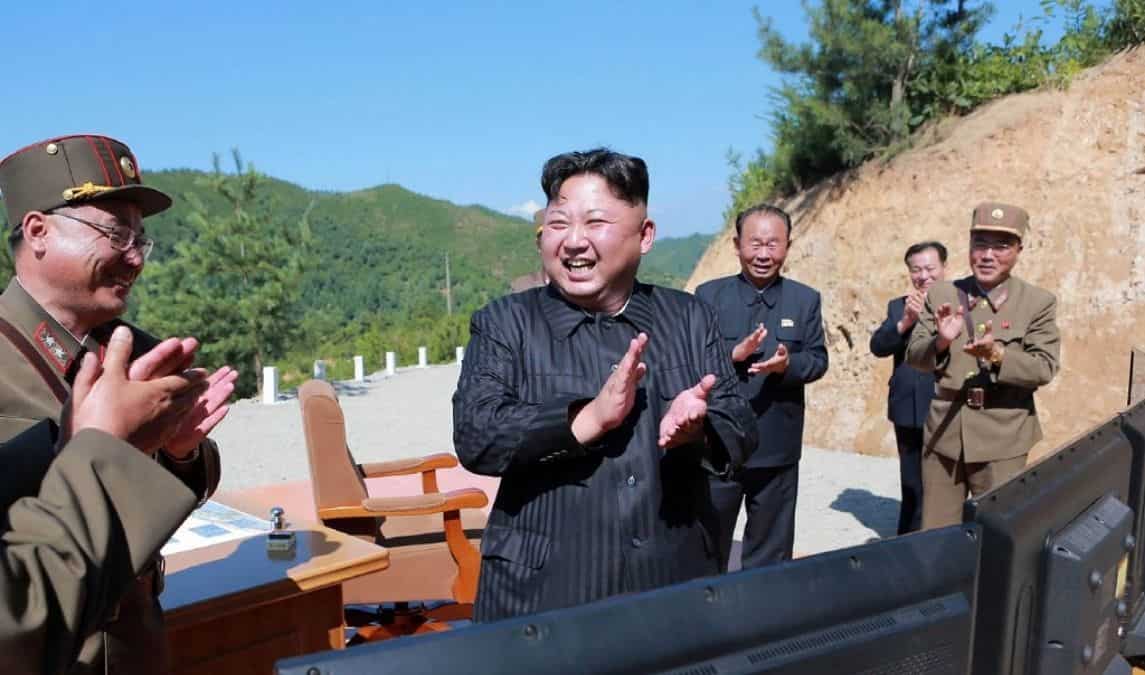
History of launches
Since 1998 North Korea has launched five satellites, of which two appeared to have been successfully placed in orbit, including its last in 2016.
International observers said the satellite appeared to be under control, but there was lingering debate over whether it had sent any transmissions.
Experts at the time of the 2016 launch said that North Korea had used a three-stage rocket booster like the Unha-3 of previous launches, but that a new launch pad was clearly built for a larger rocket.
A senior official at North Korea's space agency said after the launch that it planned to put more advanced satellites into orbit by 2020 and eventually "plant the flag of (North Korea) on the moon". The country has not launched any more satellites since then, however.
During a party congress in January 2021, leader Kim Jong Un revealed a wish list that included developing military reconnaissance satellites.
Dual-use technology
The United States and its allies called North Korea's latest tests of satellite systems clear violations of United Nations Security Council resolutions, which prohibit any development of technology applicable to North Korea's ballistic missile programmes.
North Korea has said its space programme and defence activities are its sovereign right.
At the time of the 2016 space launch, North Korea had yet to fire an ICBM. The satellite launch was condemned by governments in the United States and South Korea as a disguised test of ballistic missile technology capable of striking the continental United States.
"The obvious concern is that North Korea is testing ballistic missiles and only pretending to care about satellites," the U.S.-based monitoring program 38 North said in a report at the time.
The report said the Unha-3 system would be ungainly to use as a weapon because it required a fixed launching site and a long period for preparation, and predicted that North Korea would not develop an operational road-mobile ICBM until some time after 2020.
North Korea launched its first road-mobile ICBM the next year, and later test fired several more.
North Korea has not test fired an ICBM since 2017, but now officials in Washington and Seoul fear a new satellite launch could help the country further improve its ballistic missiles.
"In the future, if North Korea launches intercontinental ballistic missiles under the pretext of launching a satellite, it will face stronger pressure from the international community," Yoon Suk-yeol, the main conservative candidate in South Korea's presidential election, said in a statement after the latest launch.
)
)
)
)
)