From flying pancakes to giant flying boats: 7 real jets so bizarre you won’t believe they ever flew!

Though most never saw mass production, each offered valuable lessons, and left behind an unforgettable silhouette in the sky.
Aviation’s boldest experiments
Throughout aviation history, engineers have pursued radical ideas that often defied logic, convention and aesthetic appeal. Some were built to answer military needs, others to test scientific theories, and a few simply to explore what was aerodynamically possible. Though most never saw mass production, each offered valuable lessons, and left behind an unforgettable silhouette in the sky.
The Vought V-173 'Flying Pancake'
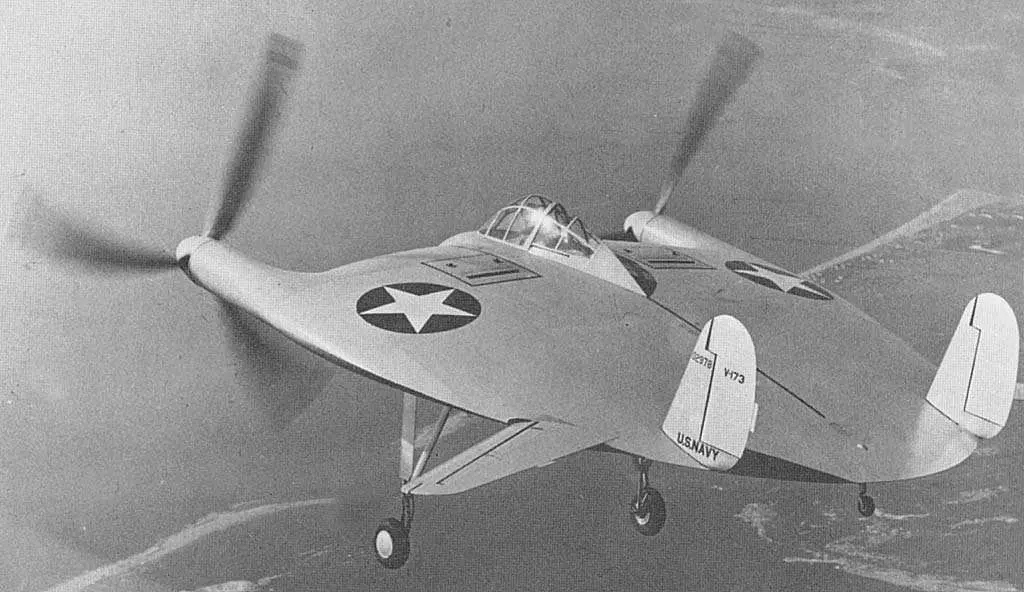
Developed in the United States during the Second World War, the Vought V-173 first flew in 1942. Designed by Charles Zimmerman, it featured an almost circular, flat wing which earned it the nickname ‘Flying Pancake’. The aim was to create an aircraft with excellent lift and short take-off capability, potentially suited for naval operations. Powered by two piston engines driving large propellers on the wingtips, it proved surprisingly stable in test flights. Despite promising handling, the advent of jet propulsion led to the project's cancellation, and it never entered active military service.
The Hughes H-4 Hercules 'Spruce Goose'
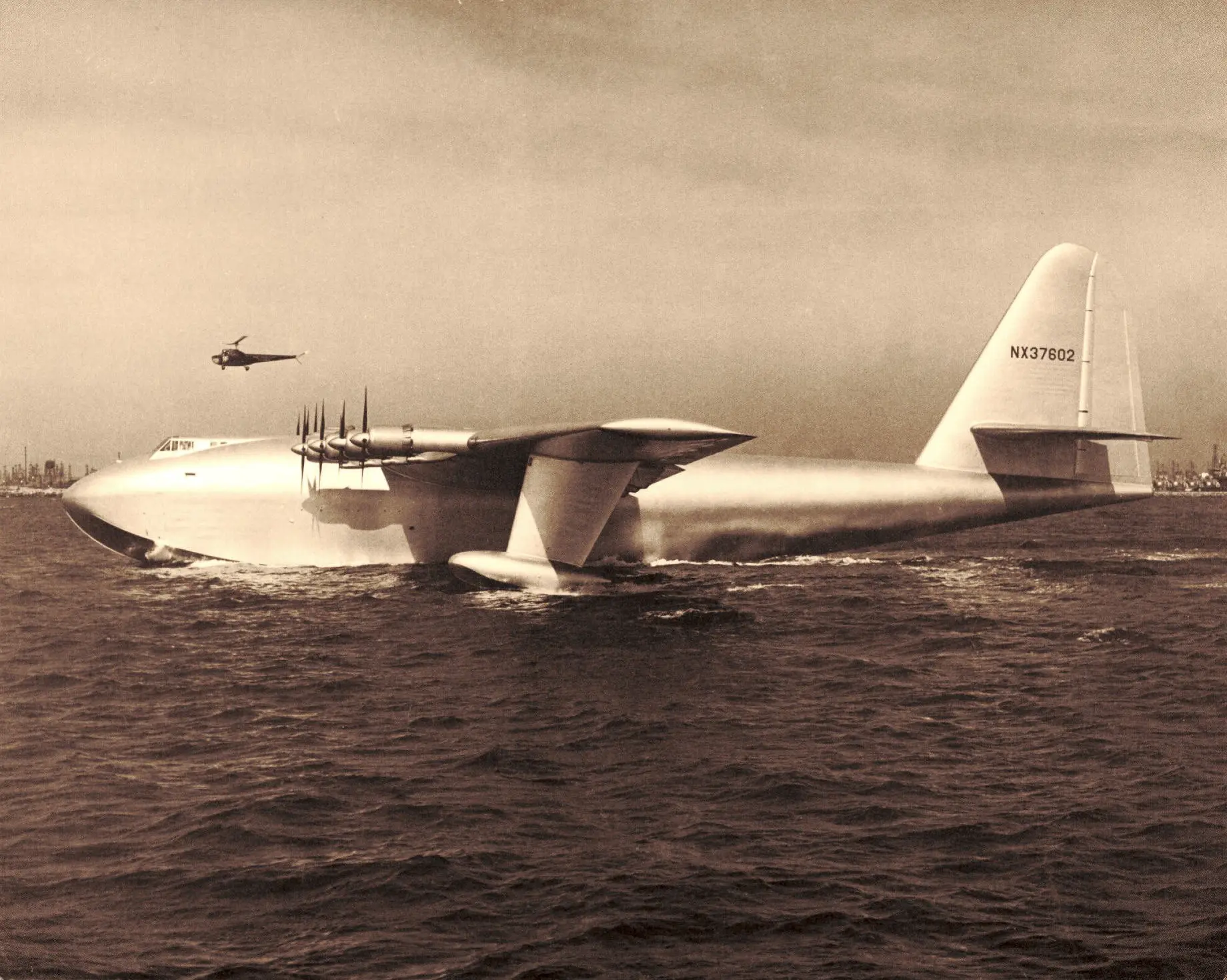
Commissioned by industrialist Howard Hughes, the Hughes H-4 Hercules was conceived during the Second World War to transport troops and equipment across the Atlantic, avoiding German submarines. Completed in 1947, it was made largely from birch wood due to wartime metal shortages, though it earned the nickname ‘Spruce Goose’. With a wingspan of nearly 98 metres, it remains the largest flying boat ever built. The aircraft flew only once, for under a minute, before being retired, more a proof of engineering ambition than a practical machine.

The Bartini Beriev VVA-14
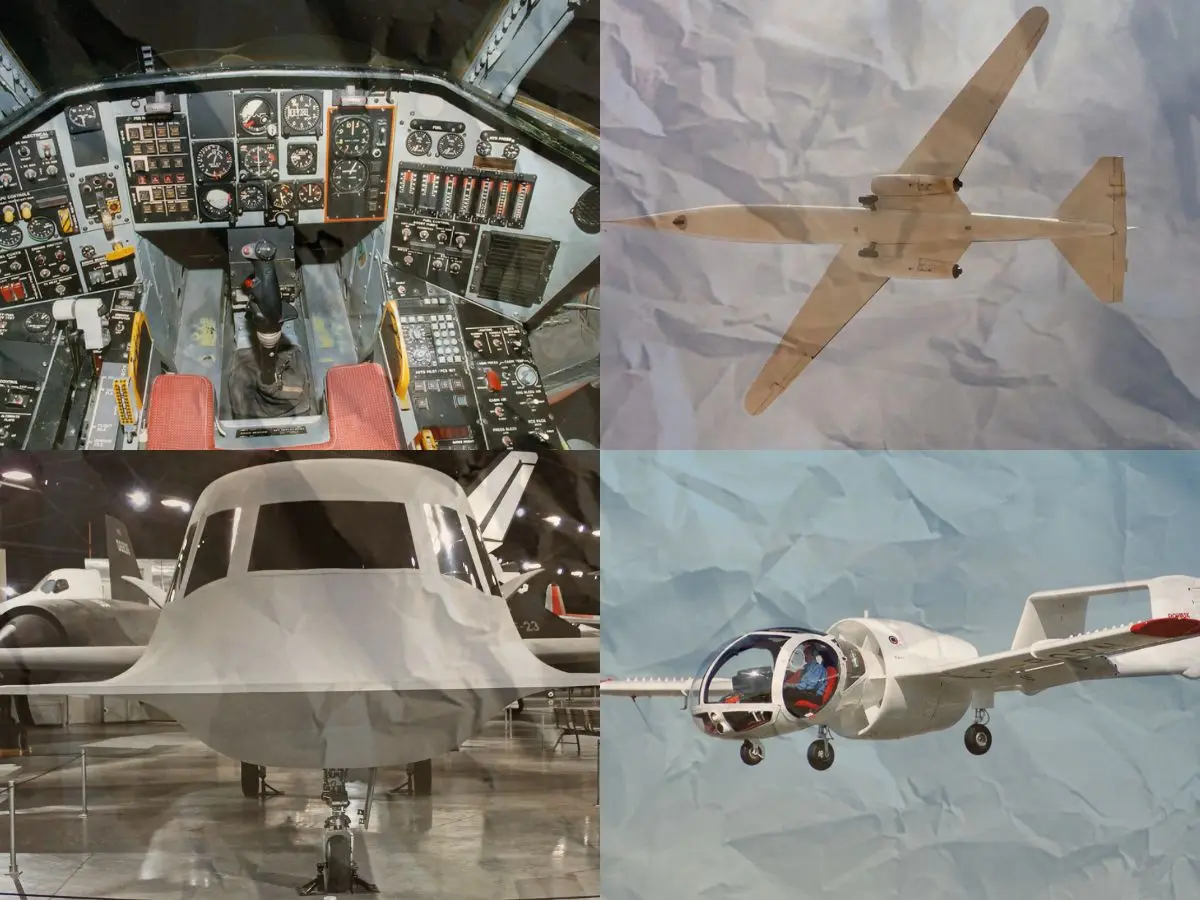
Designed by Italian-born Soviet engineer Robert Bartini in the early 1970s, the VVA-14 was built to detect and destroy submarines using ground effect flight over water. Its most distinctive feature was its inflatable pontoons and lift jets, allowing vertical take-off from the sea. Only a few prototypes were completed, with the first flight in 1972. The project ended after Bartini’s death in 1974, and the aircraft never entered Soviet military service.
The Edgley Optica
First flown in 1979 in Britain, the Edgley Optica targeted civil applications such as aerial photography, policing and environmental monitoring. Its large, bubble-like cockpit offered panoramic visibility, while a quiet ducted fan replaced the usual propeller. With a top speed of around 130 knots, it excelled at slow, stable flight. Though some entered limited civilian use, a factory fire and financial setbacks meant production was short-lived.
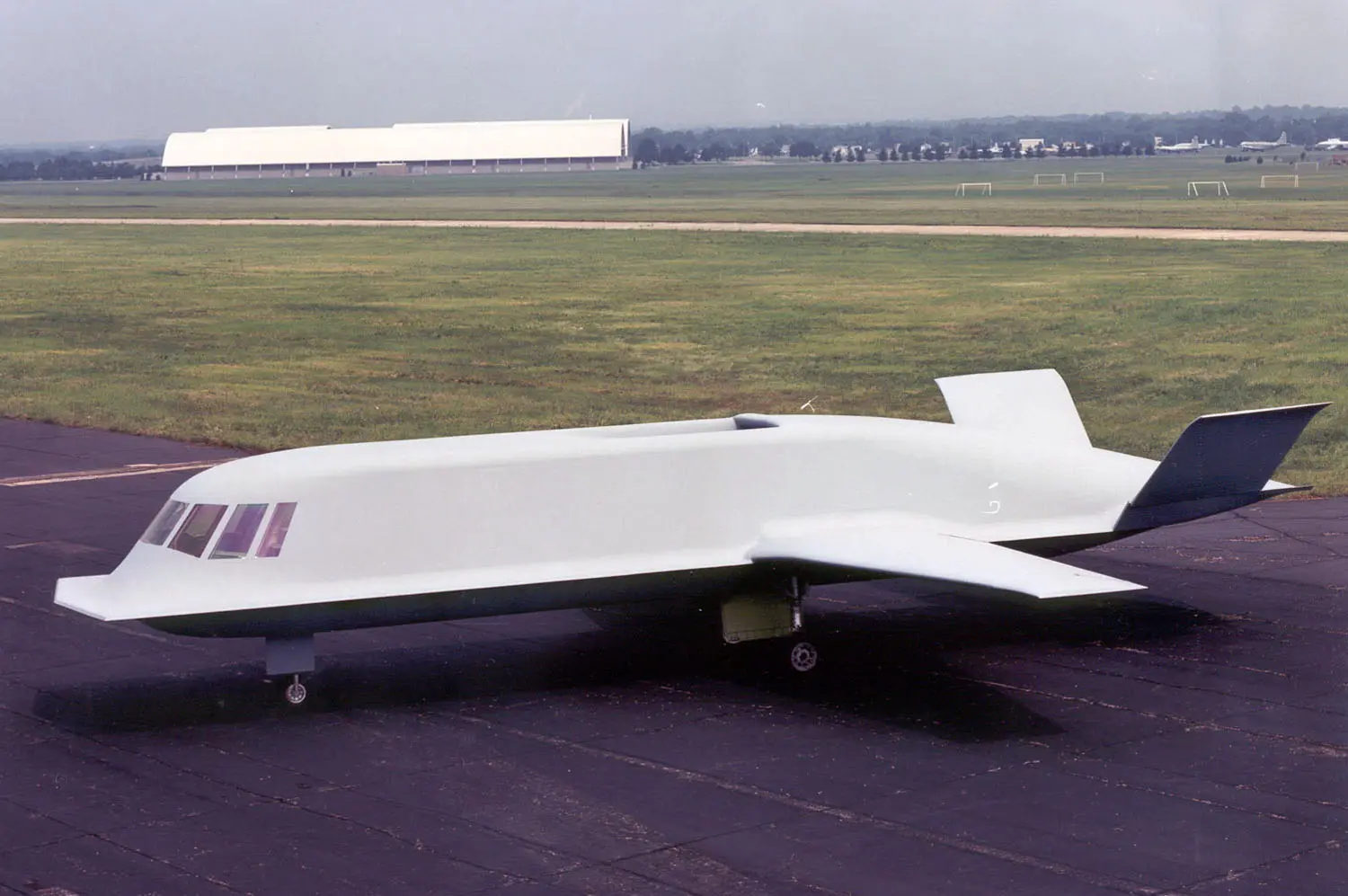
The Northrop Tacit Blue
Developed secretly in the United States from 1982, Tacit Blue tested stealth technology in combination with real-time battlefield sensors. Its rounded, slab-sided fuselage and canted surfaces made it look awkward, yet these shapes helped reduce radar signature. It flew until 1985 as an experimental platform but never became an operational military aircraft, although its findings directly influenced later stealth designs like the B-2 bomber.
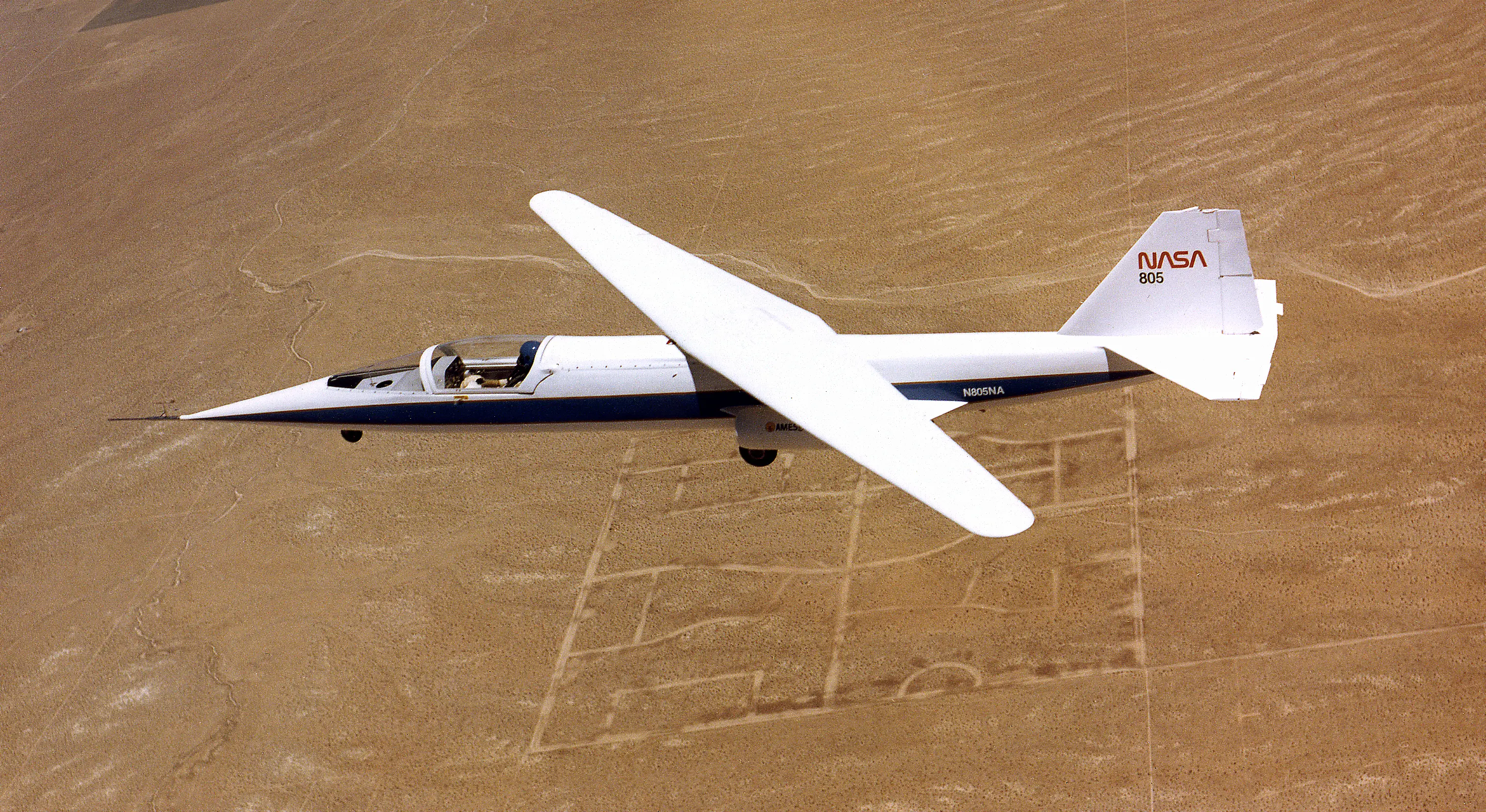
The NASA AD-1 Oblique Wing
Built by NASA and Ames Industrial Company, the AD-1 first flew in 1979. Its wing could pivot obliquely up to 60 degrees, aiming to combine high-speed efficiency with low-speed control. The prototype flew 79 test flights before retirement in 1982. Despite demonstrating the concept, the asymmetrical forces and handling challenges prevented further development into service aircraft.
Remembering the improbable
While none of these aircraft entered full-scale military or civilian service, each represented an era when engineers dared to question tradition. Their brief flights and eccentric shapes left more than curiosity: they offered insights that quietly shaped the future of aeronautics, proving that even the strangest designs can teach lasting lessons.
)
)
)
)
)