From Chabahar to Kashmir: Why Iran’s turmoil puts India’s strategic interests at risk

As protests intensify and uncertainty grows over Tehran’s future direction, India could face the risk of strategic setbacks across connectivity, energy security and regional balance.
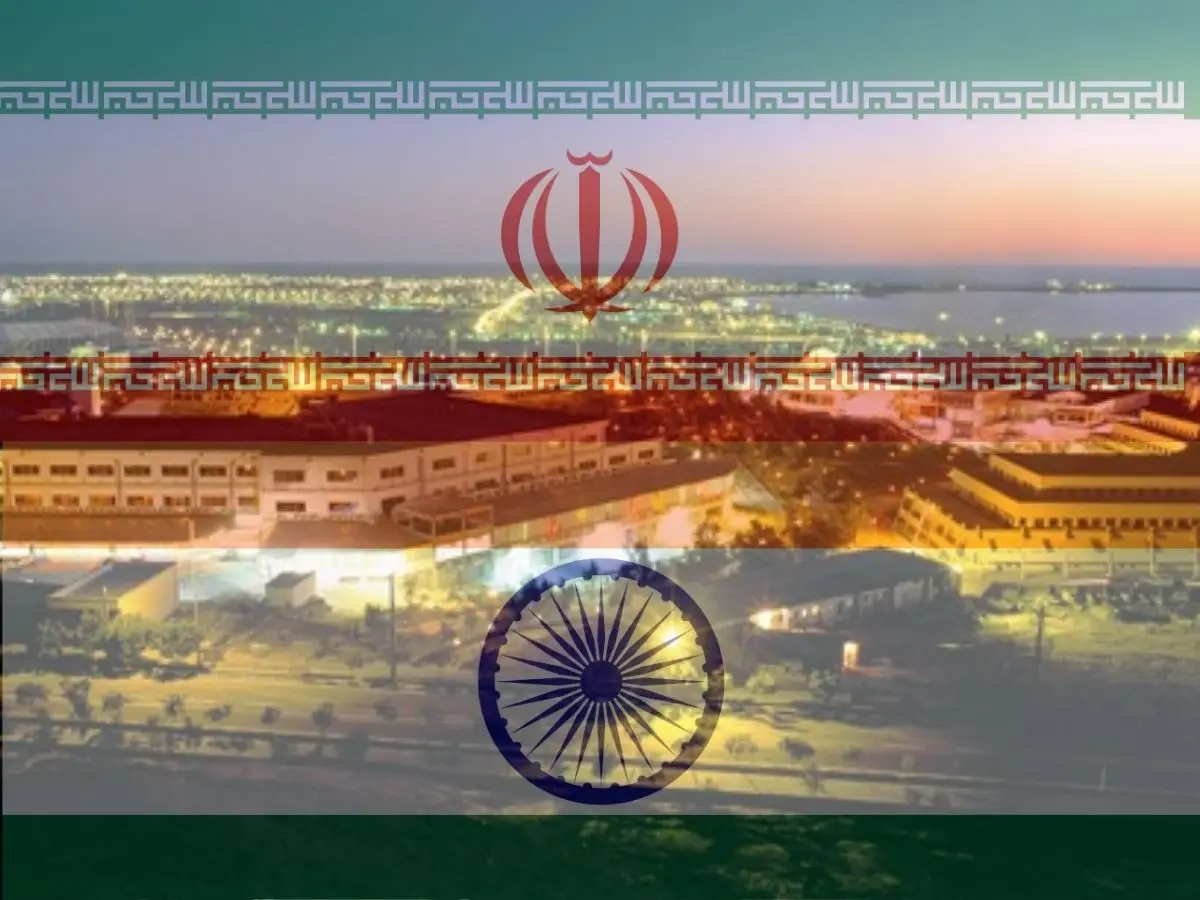
A Crisis Beyond Iran’s Borders
The political turmoil unfolding in Iran has implications that extend well beyond its borders, particularly for India. As protests intensify and uncertainty grows over Tehran’s future direction, India could face the risk of strategic setbacks across connectivity, energy security and regional balance. Iran has long been a quiet but critical pillar of India’s westward outreach, and instability there could reshape power equations in South Asia.
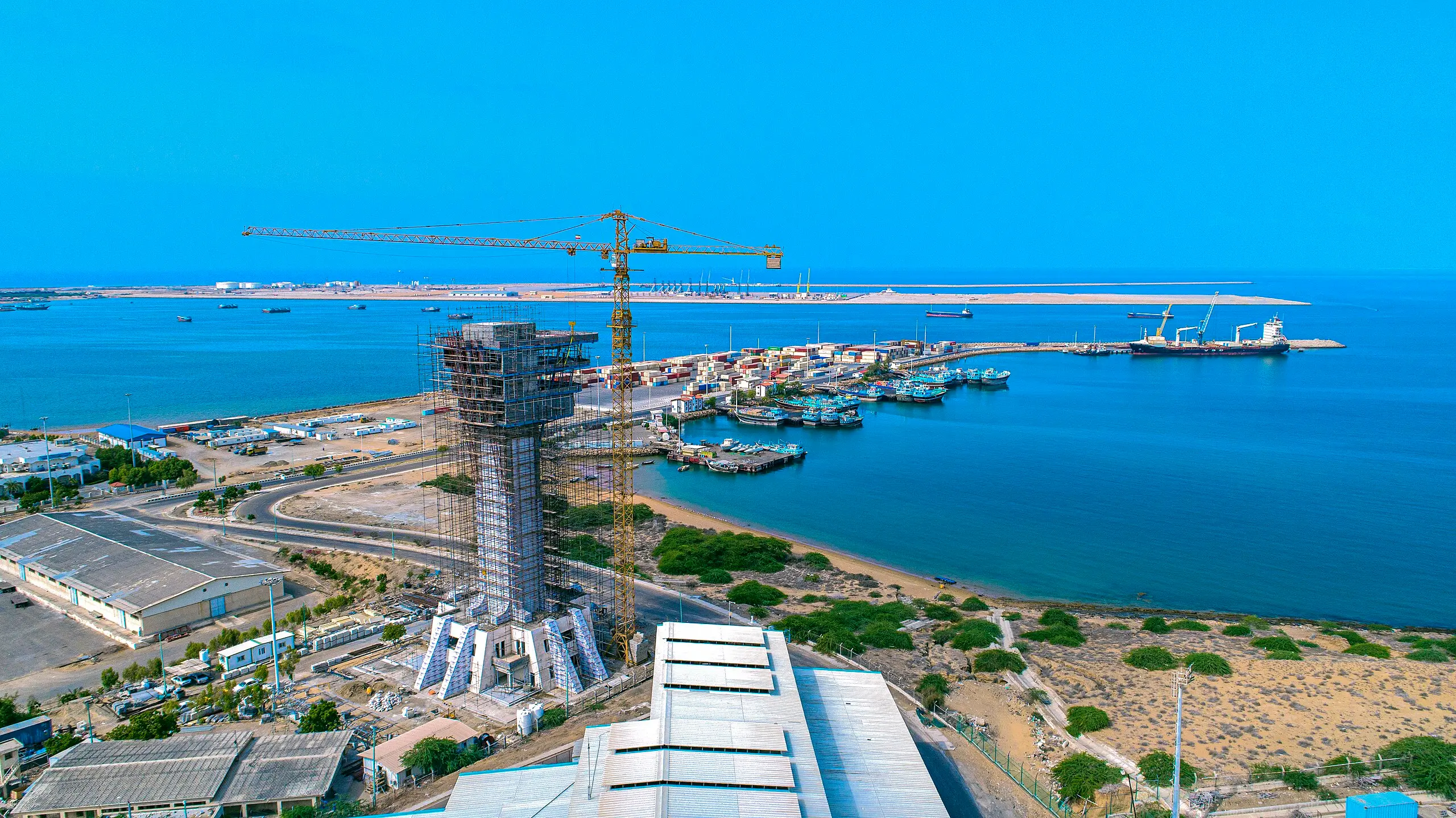
Chabahar: India’s Gateway to the West
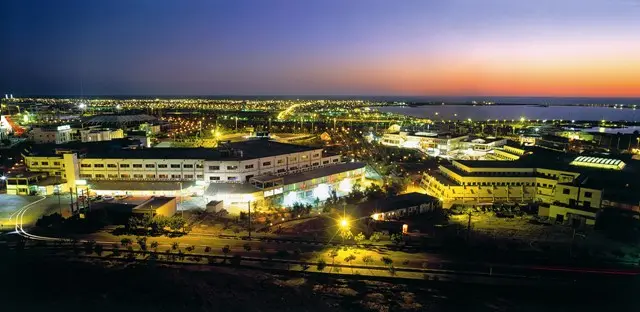
At the centre of India–Iran ties lies the Chabahar port, which was developed with Indian support to provide New Delhi direct access to Afghanistan and Central Asia while bypassing Pakistan. Chabahar is not just a commercial project; it is a strategic counterweight to China’s Belt and Road Initiative, sometimes referred to as the New Silk Road, and to Pakistan’s Gwadar port. Earlier, China had expressed interest in helping Iran and Pakistan connect Chabahar with the Gwadar Ports. Any prolonged unrest or regime change in Iran could slow operations at Chabahar or weaken India’s influence there by progressing towards linking both the ports.
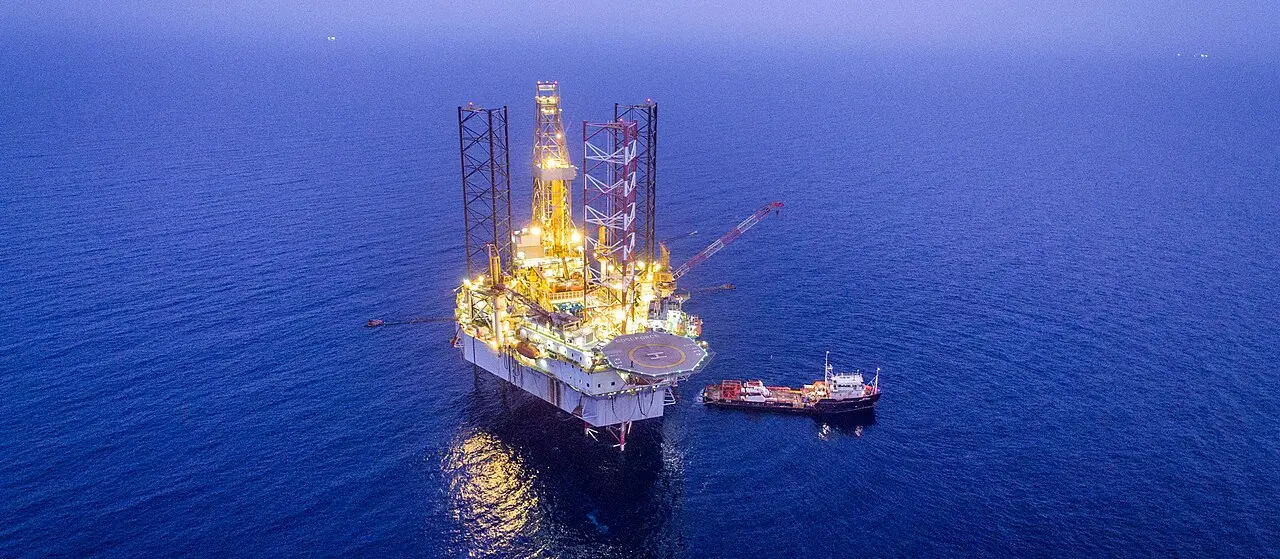
Energy Security at Stake
Iran has historically been one of India’s key oil suppliers, often ranking as the second or third largest source, offering favourable terms and proximity advantages. Although US sanctions have reduced direct imports, Iran remains central to India’s long-term energy calculus. A destabilised Iran could push India to rely more heavily on costlier or politically sensitive suppliers, increasing vulnerability in global energy markets.
India-Iran Trade
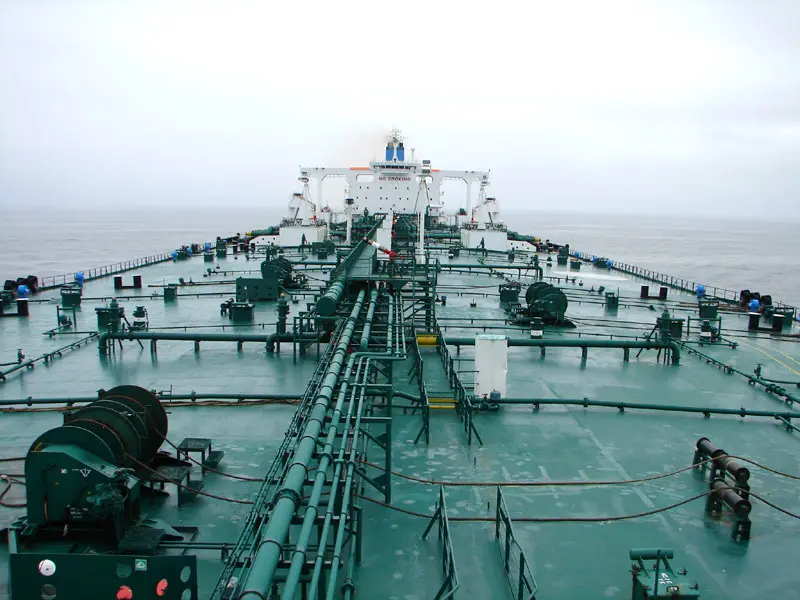
India and Iran are important trade partners. India has been among Iran’s five largest trade partners in recent years. Major Indian exports to Iran include rice, tea, sugar, pharmaceuticals, manmade staple fibres, electrical machinery, artificial jewellery etc. while major Indian imports from Iran consist of dry fruits, inorganic/organic chemicals, glassware, etc. Iran is a key transit hub for the International North-South Transport Corridor (INSTC). The INSTC is an important initiative taken by India, Russia and Iran by signing an Inter-Governmental Agreement on 12th September 2000, to enhance trade and transport connectivity among countries along its route. This multimodal route, most importantly connects Russia and India through Iran, utilising Caspian Sea ports.
China’s Expanding Footprint
While India’s room for manoeuvre may narrow, China stands to gain. Beijing has steadily deepened its economic and strategic presence in Iran, including through a long-term cooperation agreement. China, in fact, remains by far the largest crude importer and the main buyer of oil from Iran, purchasing on average about 1.38 million barrels per day of Iranian oil, according to Reuters. If Iran drifts further towards China amid Western pressure, India risks losing strategic space, especially in infrastructure, trade routes and regional diplomacy.
Pakistan’s Strategic Opening
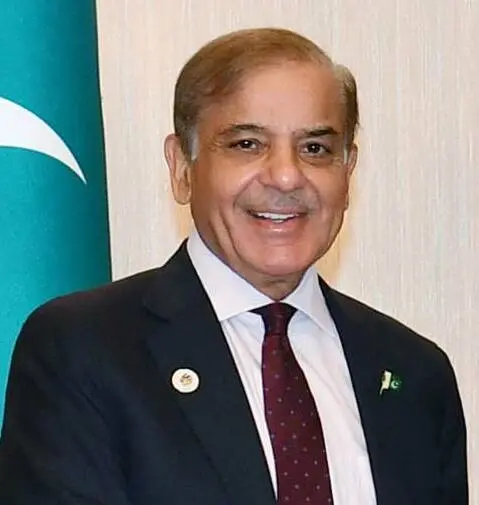
Instability in Iran could also indirectly benefit Pakistan. A weakened Iranian state may have less capacity to balance Pakistan’s regional ambitions or to resist deeper China–Pakistan coordination. This could strengthen the China–Pakistan Economic Corridor and reduce the relative importance of India-backed alternatives such as Chabahar.
Implications for Kashmir and Regional Balance
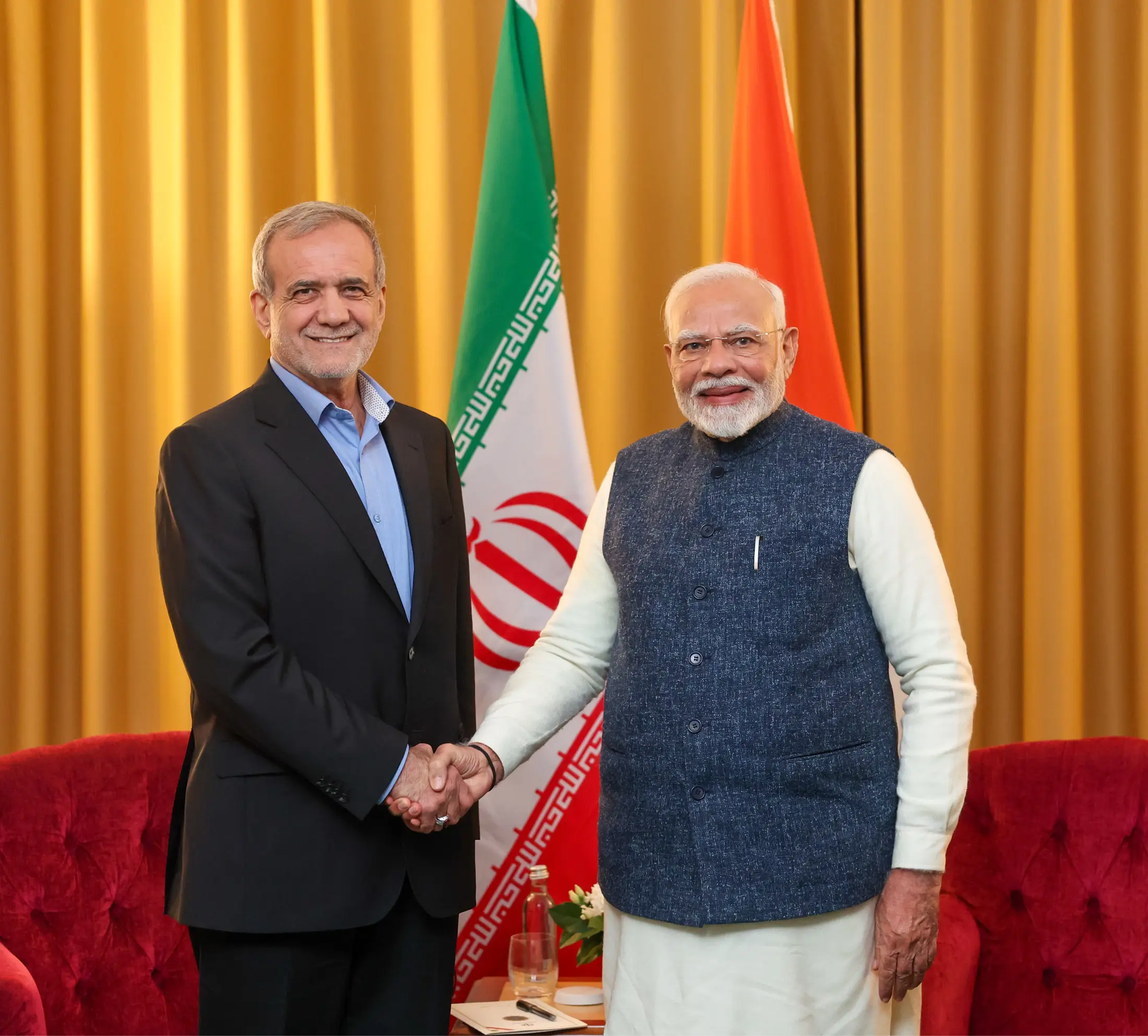
Iran has traditionally maintained a nuanced stance on Kashmir, avoiding overt alignment with Pakistan. It has often highlighted that the Kashmir issue should be resolved thorough 'dialogue and peaceful means'. A shift in Iran’s internal or external orientation could alter this balance, potentially emboldening Pakistan diplomatically and complicating India’s efforts to keep the Kashmir issue from being internationalised.
Why Iran Still Matters to India
For India, Iran represents connectivity, strategic autonomy and regional balance rolled into one. From access to Central Asia to countering China–Pakistan alignment, Tehran’s stability remains closely tied to New Delhi’s long-term interests. As turmoil deepens, India faces a difficult task: protecting strategic equities without being drawn into Iran’s internal crisis.
)
)
)
)
)