From B‑52, B‑2 to H‑6: The list of all bomber jets still patrolling the skies

Strategic bombers demand enormous investment, specialised bases and aerial refuelling support, costs few nations can justify. They remain powerful symbols of deterrence and national ambition flown today by just three countries, each with fleets shaped by unique strategic needs and histories.
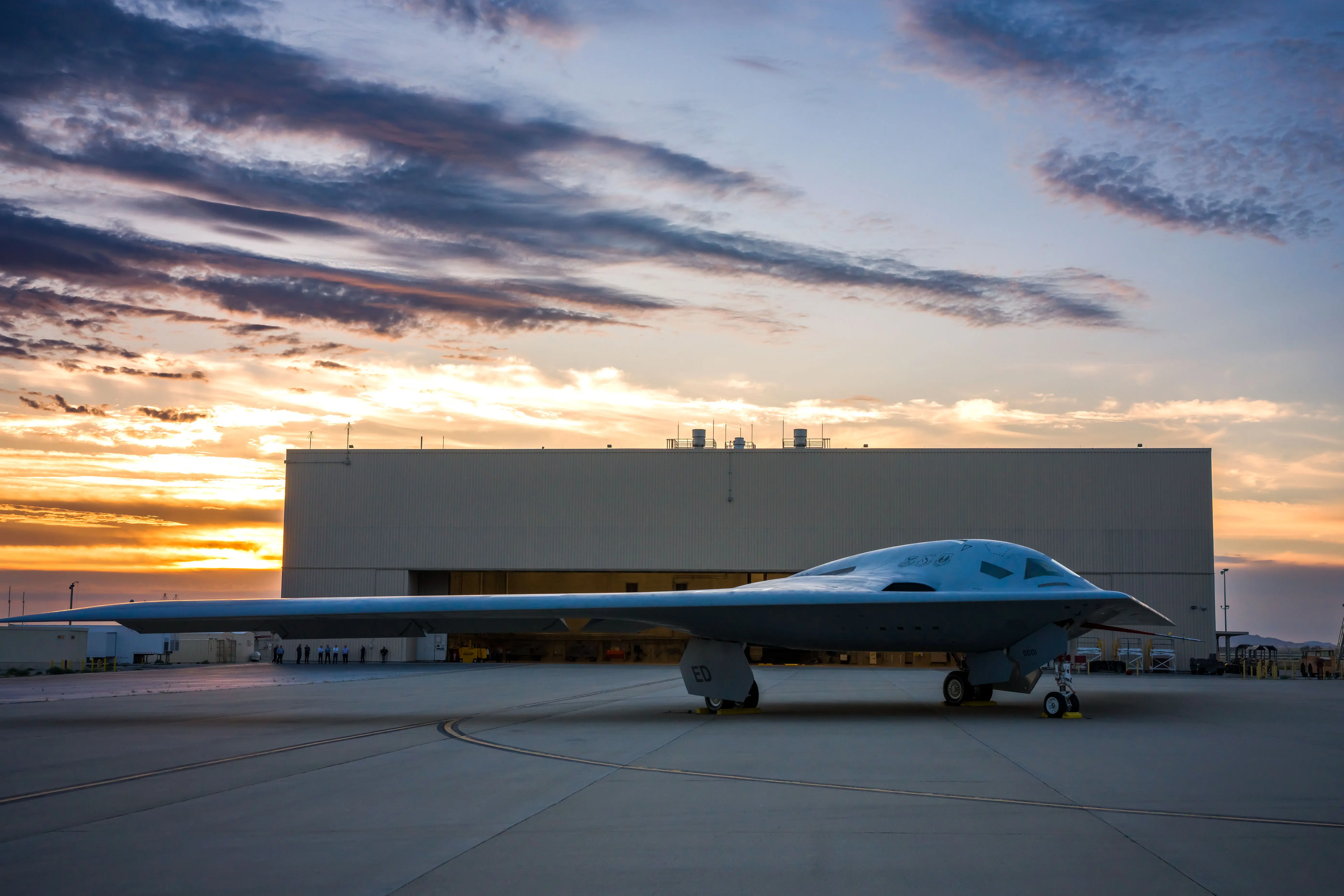
The giants of global power
True strategic bombers are among the rarest aircraft in the world. Built to deliver nuclear or heavy conventional weapons over intercontinental distances, they remain in service with only three countries: the United States, Russia and China. Each nation fields a distinct fleet that reflects decades of history, technology and doctrine.
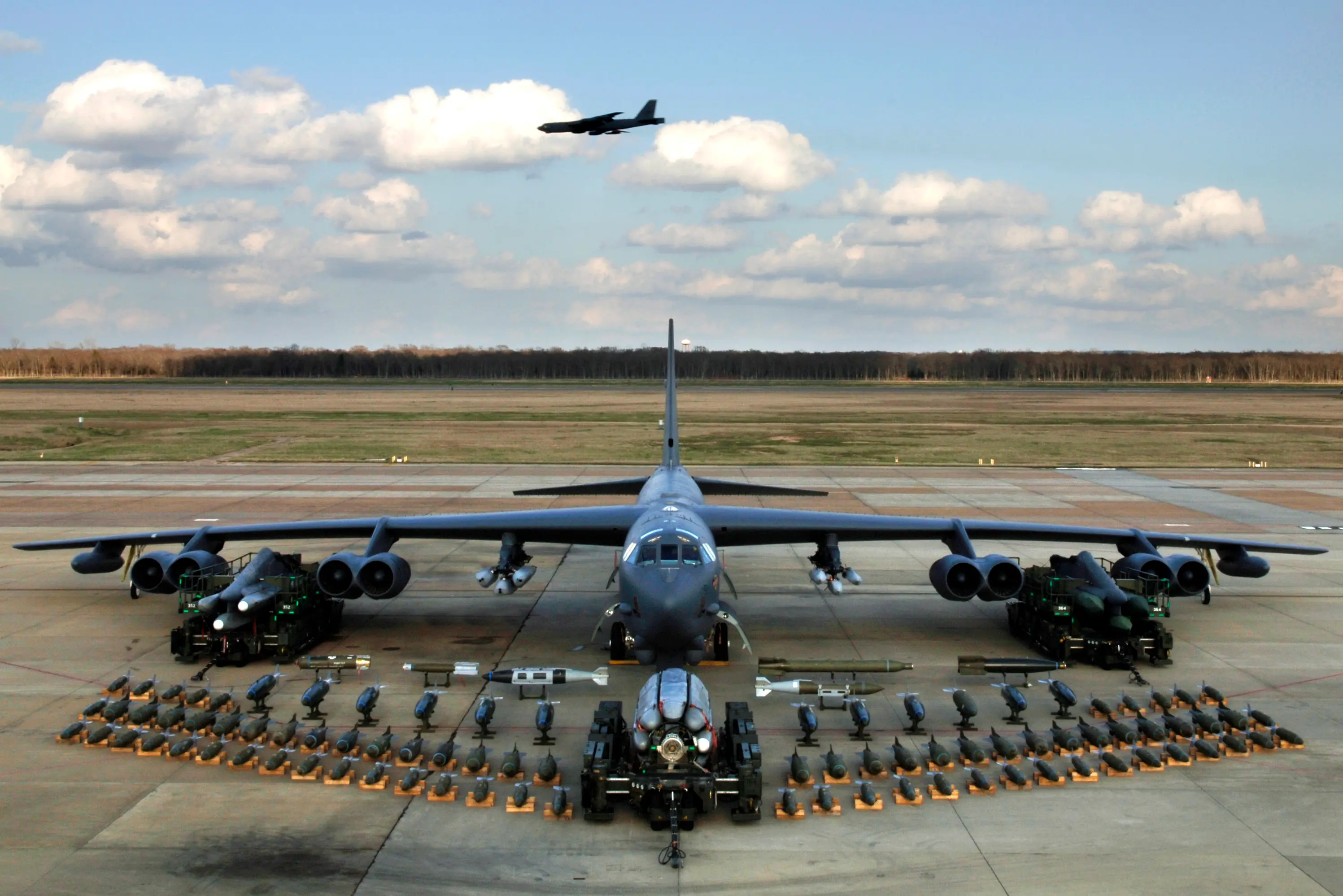
America’s B‑52 Stratofortress
First flown in 1952, the Boeing B‑52 remains a central pillar of US air power. Powered by eight jet engines, it boasts an unrefuelled range of over 14,000 km and can carry up to 31 tonnes of weapons, including nuclear cruise missiles and precision conventional bombs. The US Air Force operates about 76 B‑52Hs, many continuously upgraded with new avionics and weapons systems to keep them flying into the 2050s.
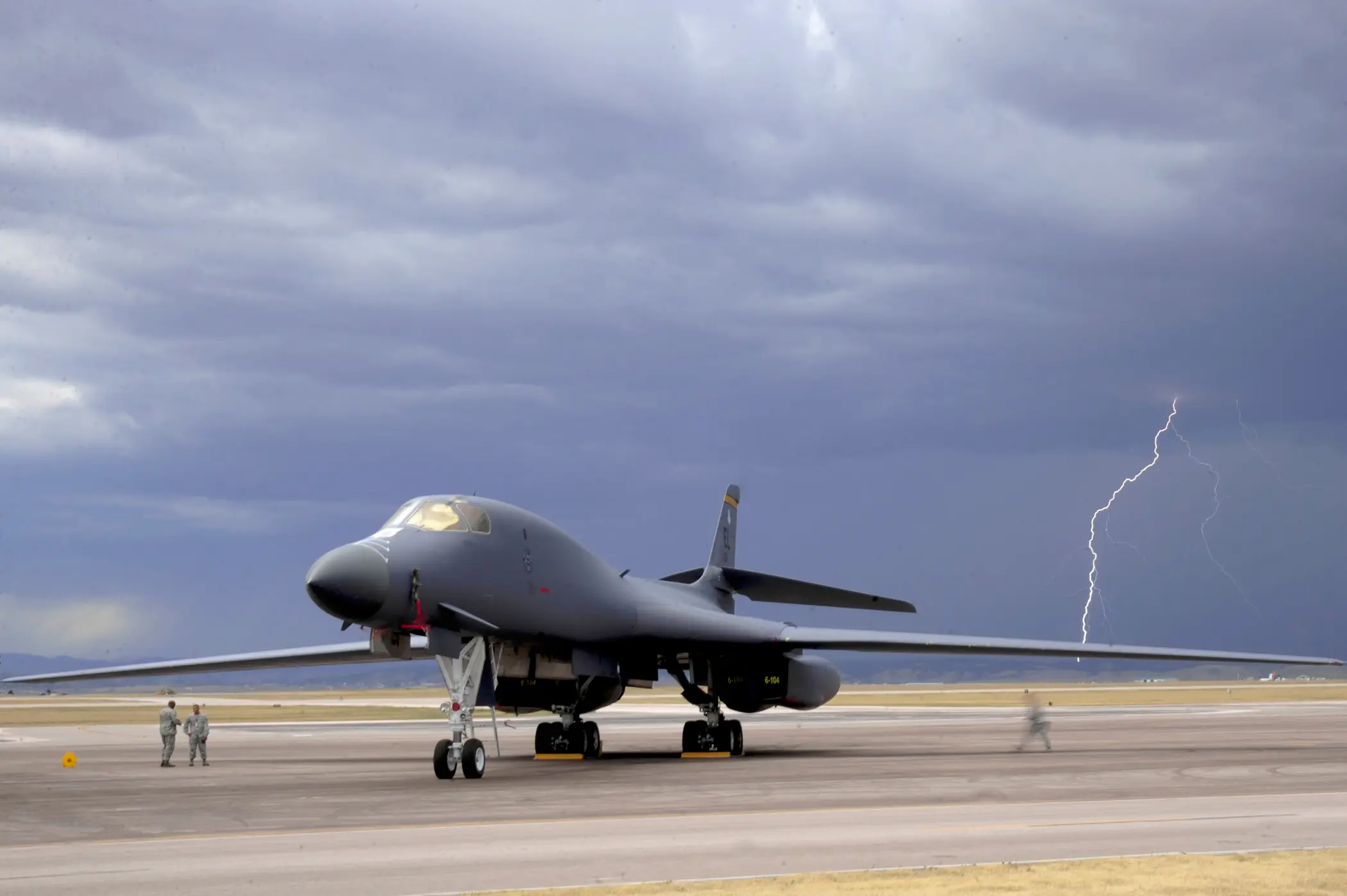
B‑1B Lancer: speed and payload
The Rockwell B‑1B Lancer, introduced in the 1980s, is a variable‑sweep wing bomber built for supersonic speed. Originally nuclear‑capable, it now carries only conventional weapons but remains invaluable for its flexibility and large payload capacity of over 34 tonnes. Around 45 B‑1Bs remain in active service, though the fleet has gradually reduced in number.
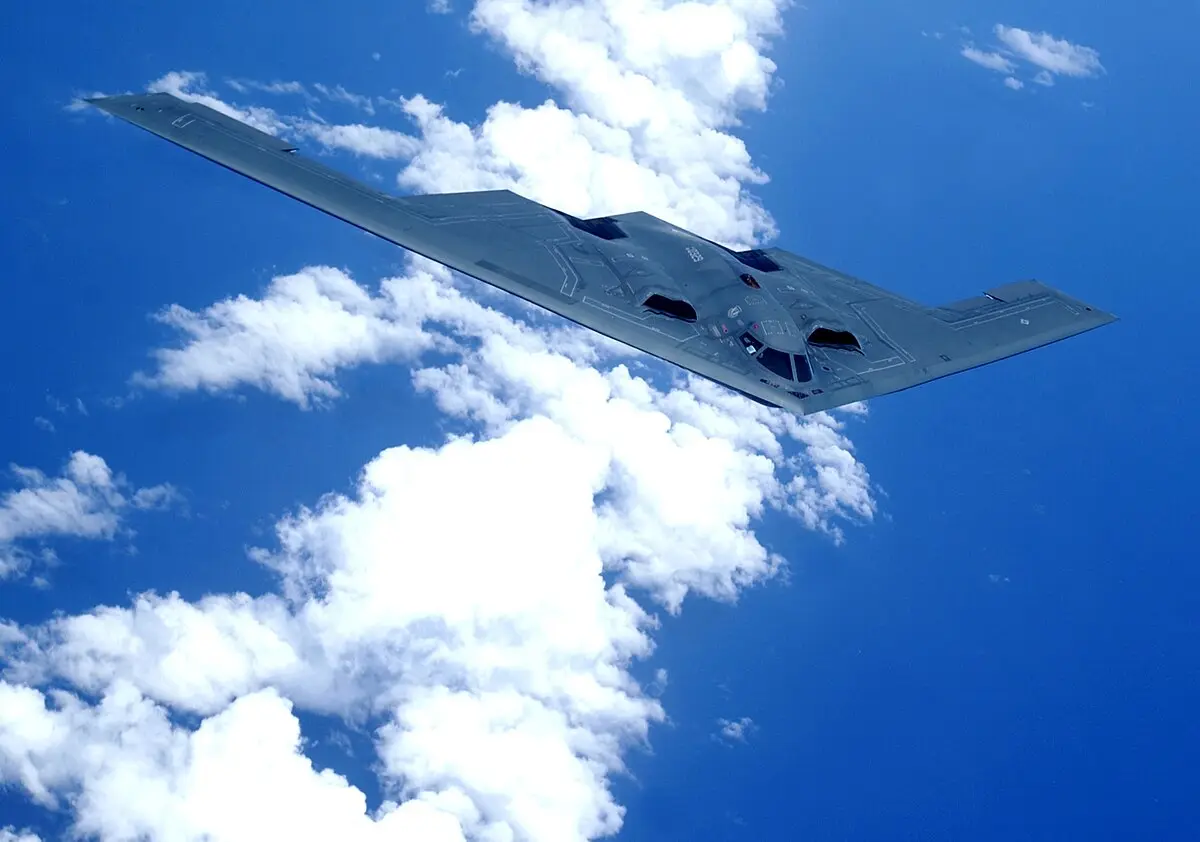
Stealth in the skies: B‑2 Spirit
The B‑2 Spirit, in service since the late 1990s, is the world’s only operational stealth strategic bomber. Designed to penetrate the most heavily defended airspace, it can carry both nuclear and conventional munitions over 11,000 km without refuelling. Only 20 B‑2s were built, and they continue to serve as the United States’ most advanced bombers until the B‑21 Raider enters service.
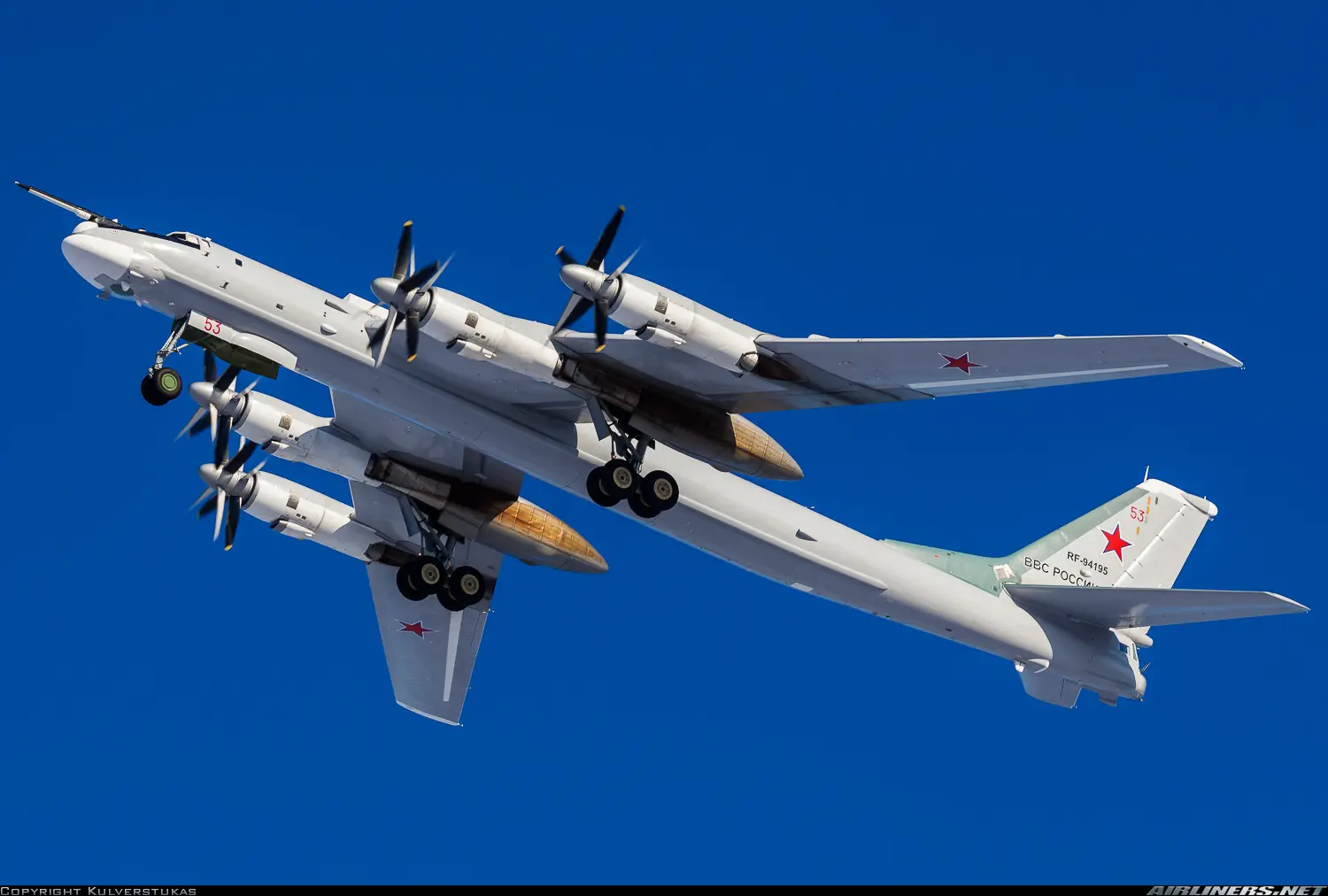
Russia’s Tu‑95: the enduring Bear
Russia’s Tu‑95 ‘Bear’, first flown in the 1950s, remains unique as a long‑range turboprop bomber. Its four contra‑rotating propellers allow speeds up to 830 km/h with intercontinental range. Modernised versions can launch nuclear‑capable cruise missiles, maintaining its relevance. Russia keeps about 60 Tu‑95MS bombers in service.
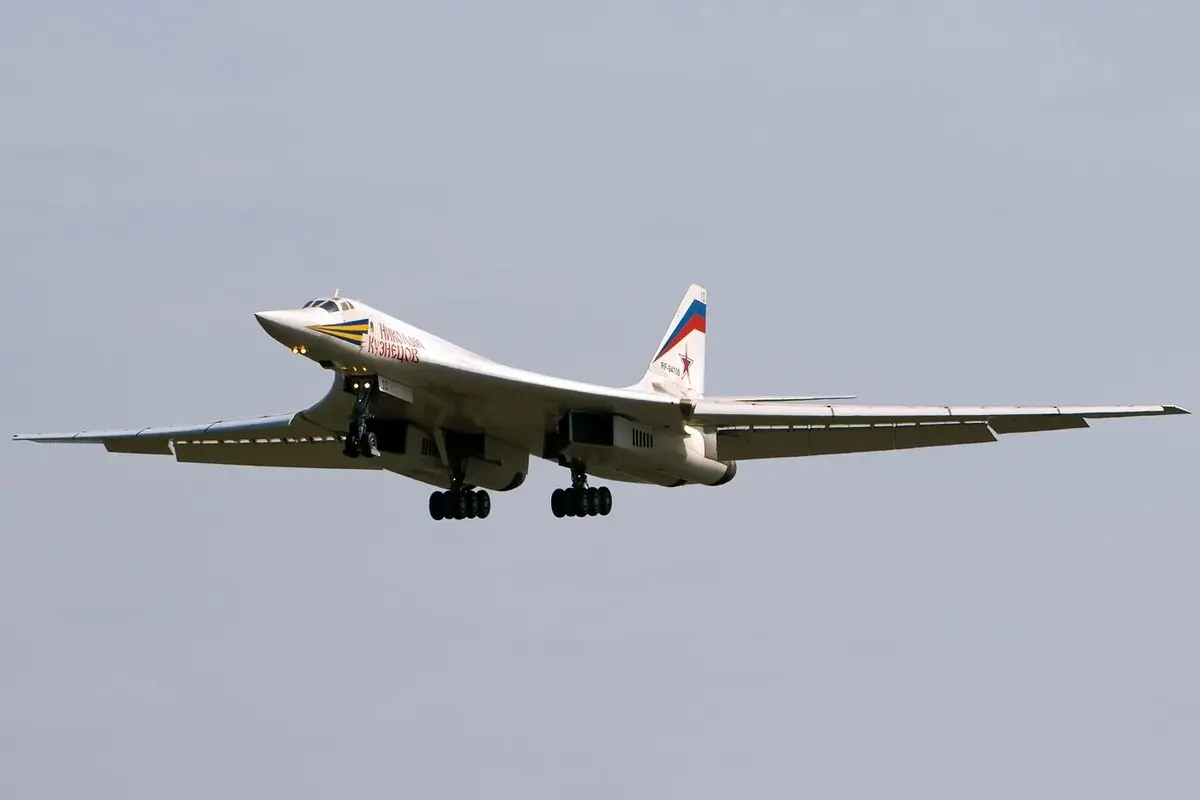
Tu‑160 Blackjack: the heaviest bomber
The Tu‑160 is the world’s largest and fastest supersonic strategic bomber, introduced in the late 1980s. With variable‑sweep wings, it can carry around 40 tonnes of conventional or nuclear weapons at speeds over Mach 2. Russia has roughly 16 operational Tu‑160s, including upgraded Tu‑160M variants with modern systems.
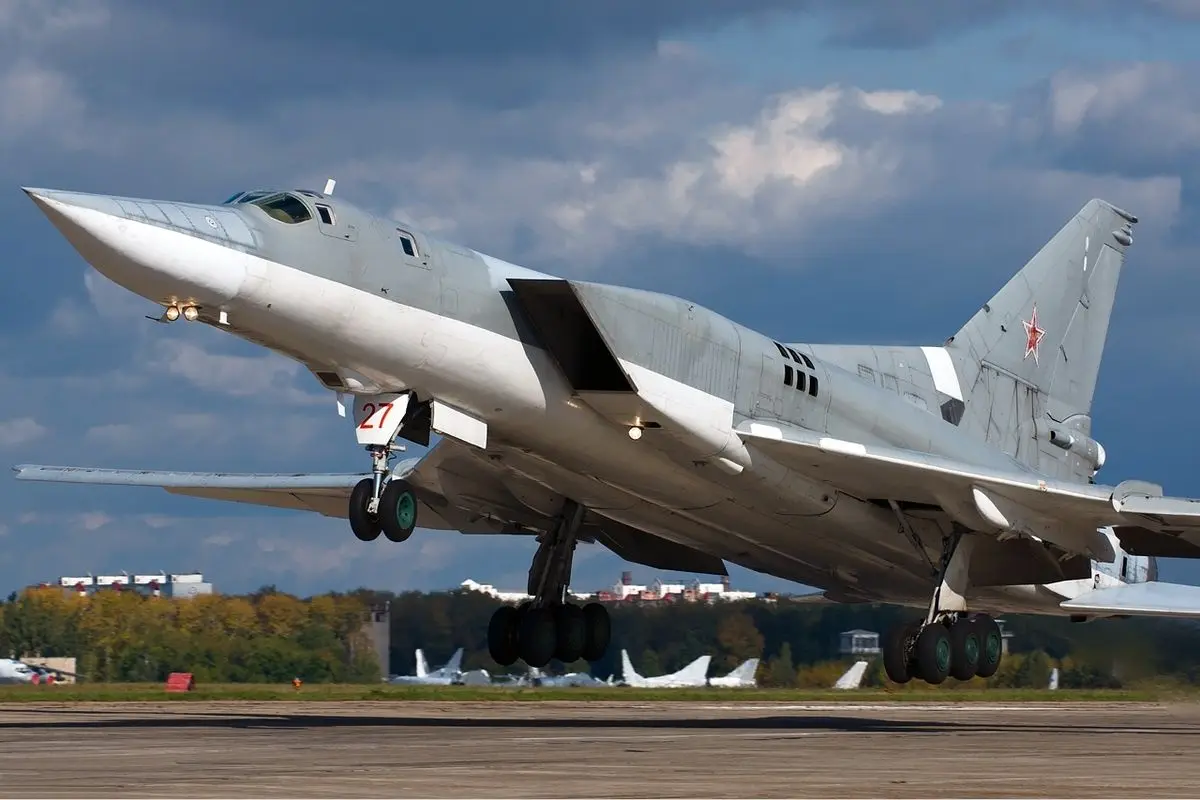
Tu‑22M3 Backfire: regional strike power
The Tu‑22M3 'Backfire', though sometimes grouped with strategic bombers, serves as a long‑range, nuclear‑capable aircraft for regional missions. Capable of flying at supersonic speeds with a combat radius exceeding 2,000 km, about 60 remain in Russia’s inventory.
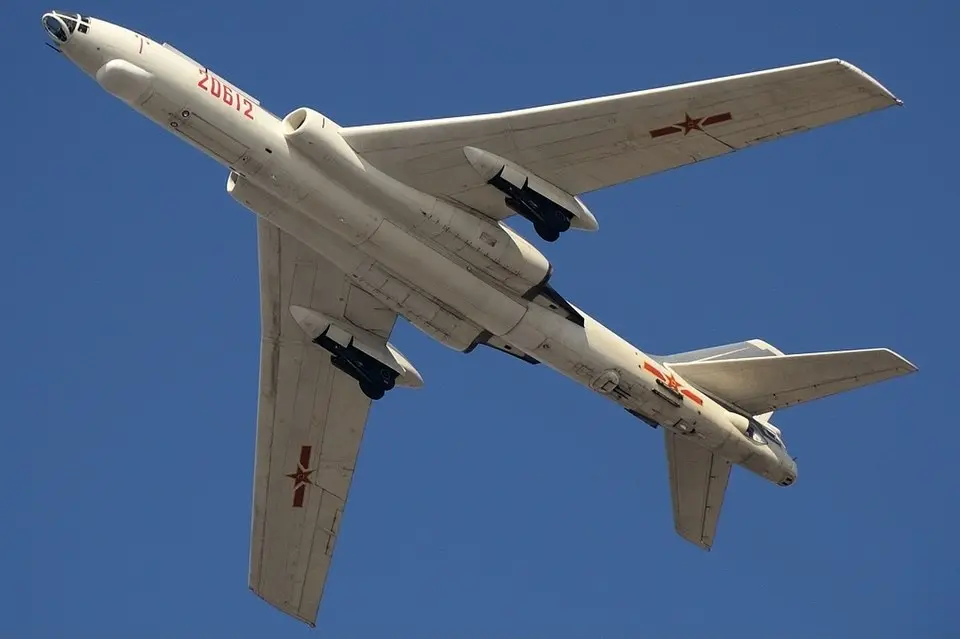
China’s H‑6: an old design reborn
Derived from the Soviet Tu‑16, the Chinese H‑6 bomber family has been extensively modernised. The latest H‑6K and H‑6N variants carry air‑launched cruise missiles and, reportedly, anti‑ship missiles, giving China a credible long‑range strike force. Between 150 and 200 H‑6 bombers of various types remain operational, underlining Beijing’s commitment to extend its reach.
)
)

)
)