From ‘annihilation’ threat to ceasefire deal: How did Trump pivot so quickly on Iran?

Trump’s ceasefire pivot mirrors Nixon’s "Madman Theory," where a leader projects irrationality and extreme aggression to coerce adversaries into submission.
A fragile pause, not an end
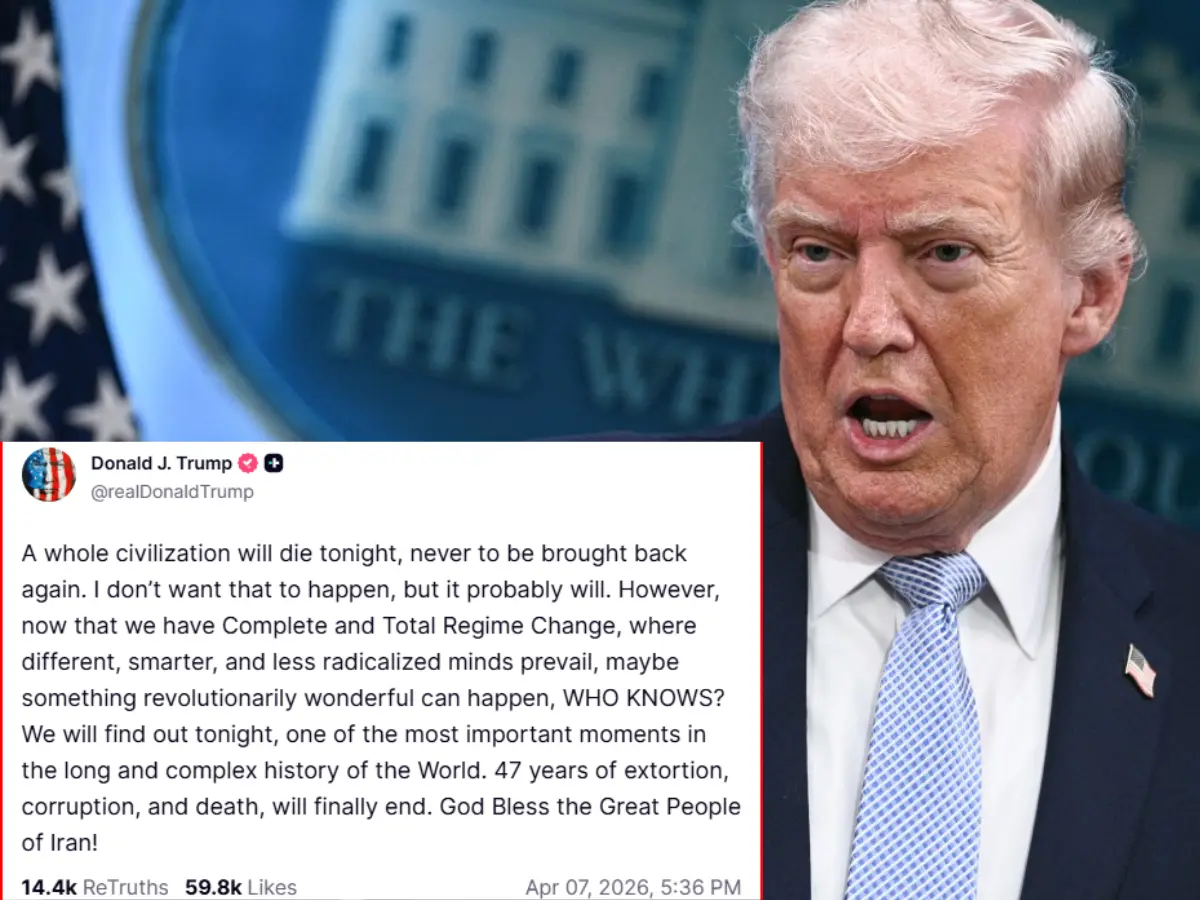
The geopolitical landscape of the Middle East shifted with startling velocity this week as United States President Donald J. Trump transitioned from threats of "annihilating a civilization" to formalising a two-week ceasefire with Tehran. The escalation, which saw the first direct American strikes on Iranian soil since the 1979 revolution, brought the world to the precipice of total war. However, following intensive back-channel diplomacy and a strategic ultimatum involving Iran's critical infrastructure, a temporary truce was established on April 8, 2026. This sudden de-escalation reflects a pragmatic pivot in American foreign policy, prioritising energy security and regional stability over a protracted ground conflict.
The Ultimatum and Industrial Targeting
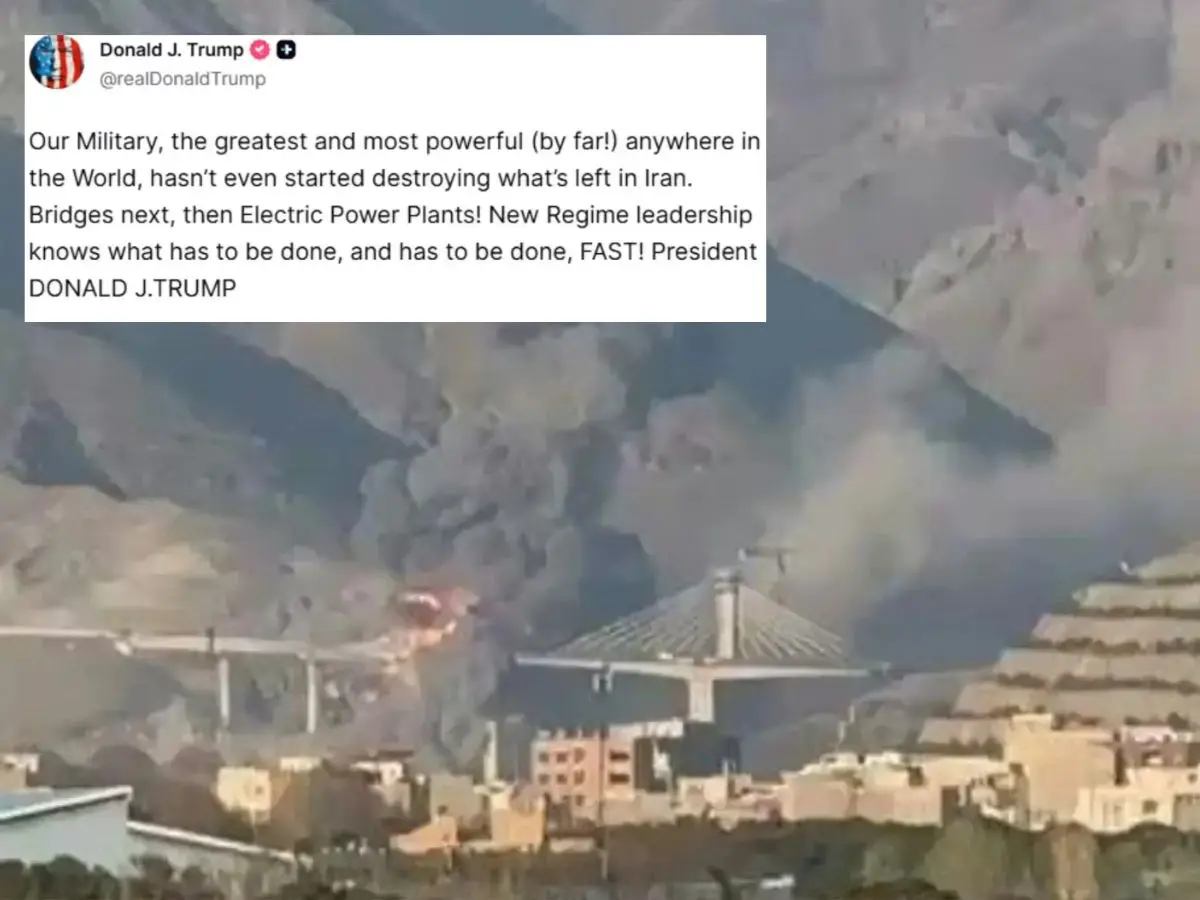
The path to the ceasefire began with a severe ultimatum from the Trump administration. The White House threatened to systematically destroy Iran’s domestic infrastructure, including bridges and power plants, if Tehran did not halt its operations by a strict deadline. The President’s rhetoric reached a crescendo when he warned that failure to comply would result in consequences from which the Iranian state might never recover. This "maximum pressure" tactic was designed to leverage Iran’s economic vulnerabilities, specifically targeting the facilities that sustain the daily lives of its civilian population.
The Ultimatum and Industrial Targeting
In the final hours before the deadline, Trump warned on Truth Social, "A whole civilization will die tonight, never to be brought back again. I don’t want that to happen, but it probably will," if Iran failed to comply. The ultimatum reflected a strategy of maximum pressure, with threats extending to critical infrastructure, raising global concern over potential escalation.
Diplomatic intervention alters course
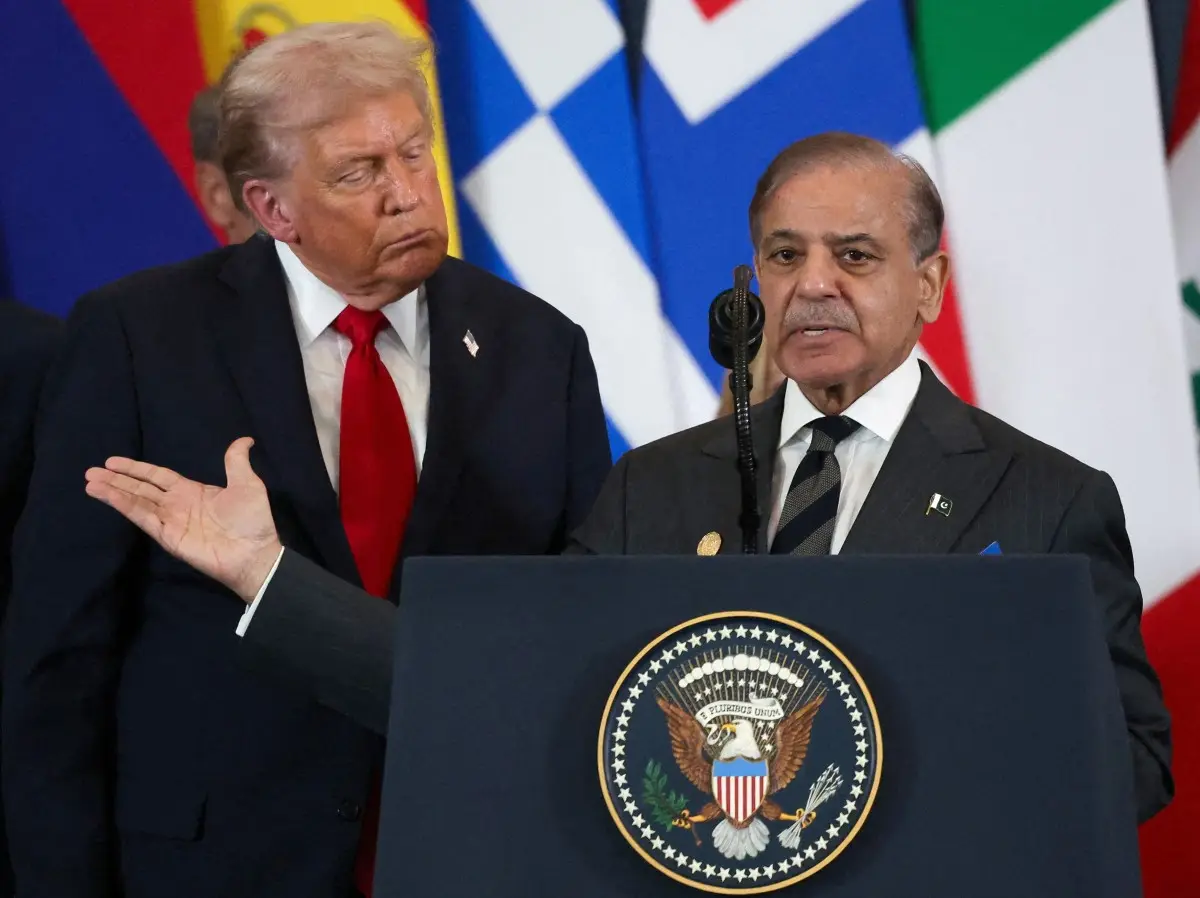
The breakthrough came through last-minute diplomatic efforts, particularly led by Pakistan and supported by other international actors. According to AP, Trump agreed to the ceasefire after what he described as a “workable” proposal from Iran, signalling a shift from confrontation to negotiation.
Ceasefire tied to strategic concessions
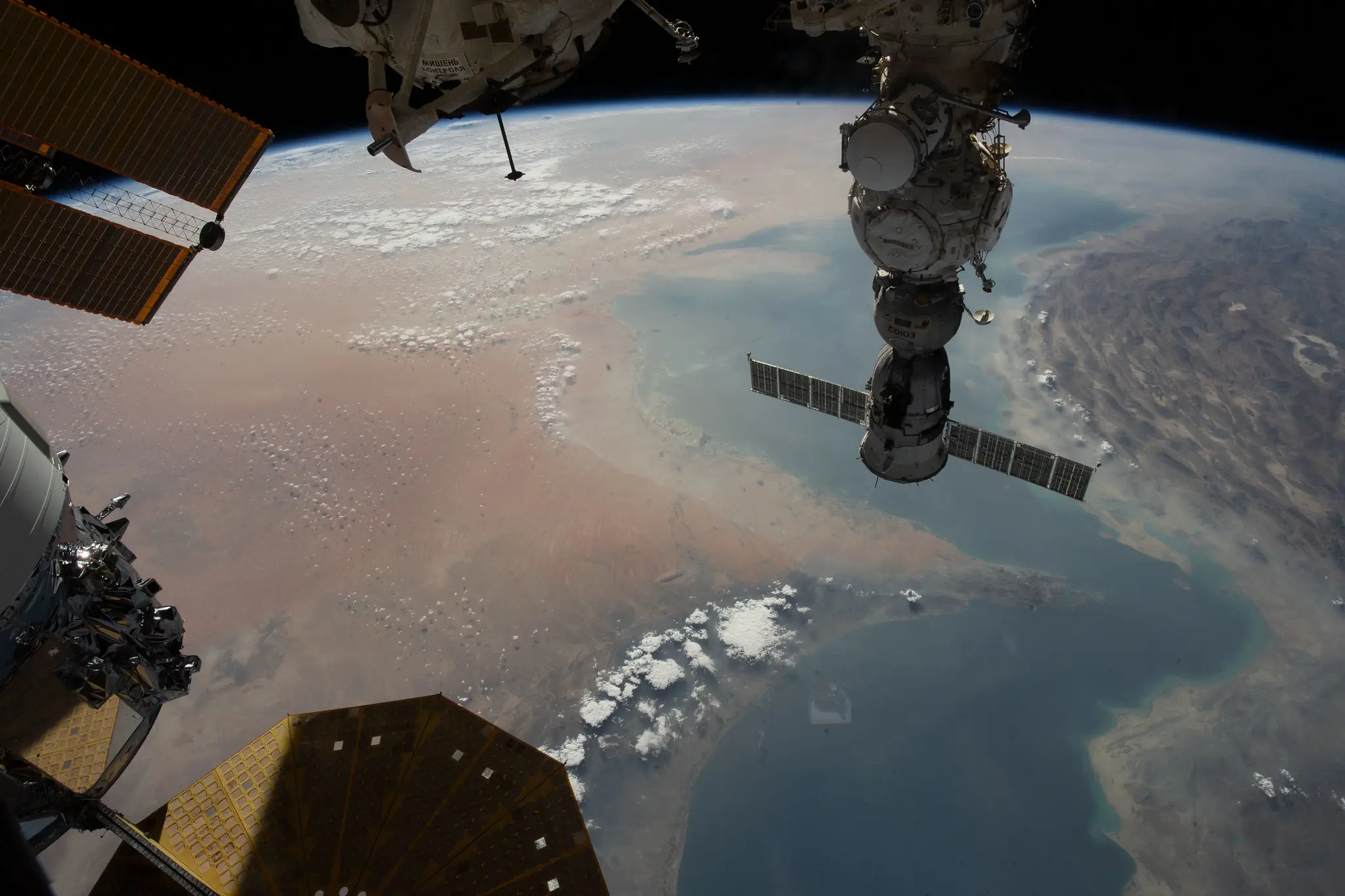
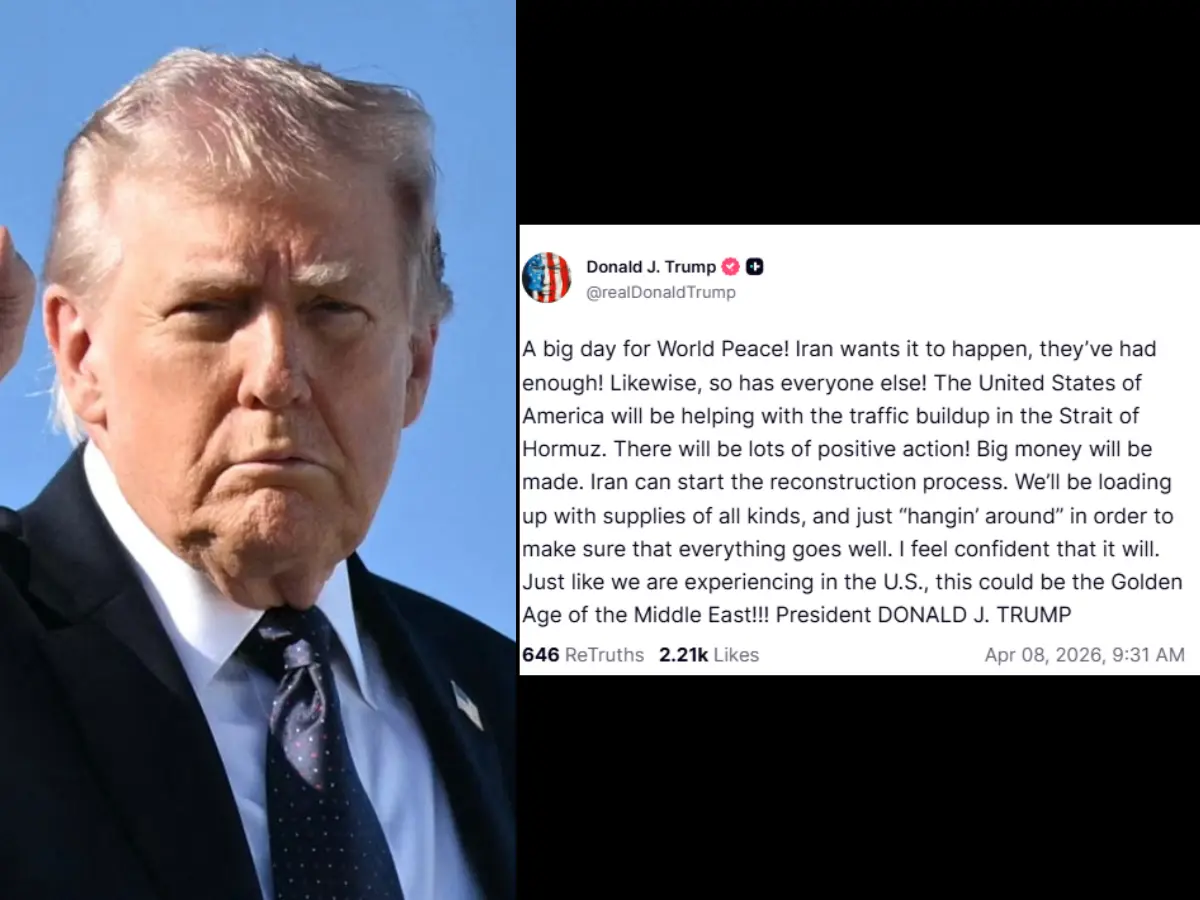
The agreement centred on Iran reopening the Strait of Hormuz, a vital global oil route. Iran confirmed it would allow safe passage through the waterway during the truce, while both sides prepared for negotiations. The ceasefire was framed as conditional and limited to two weeks, rather than a permanent resolution.
Claims of victory and strategic messaging
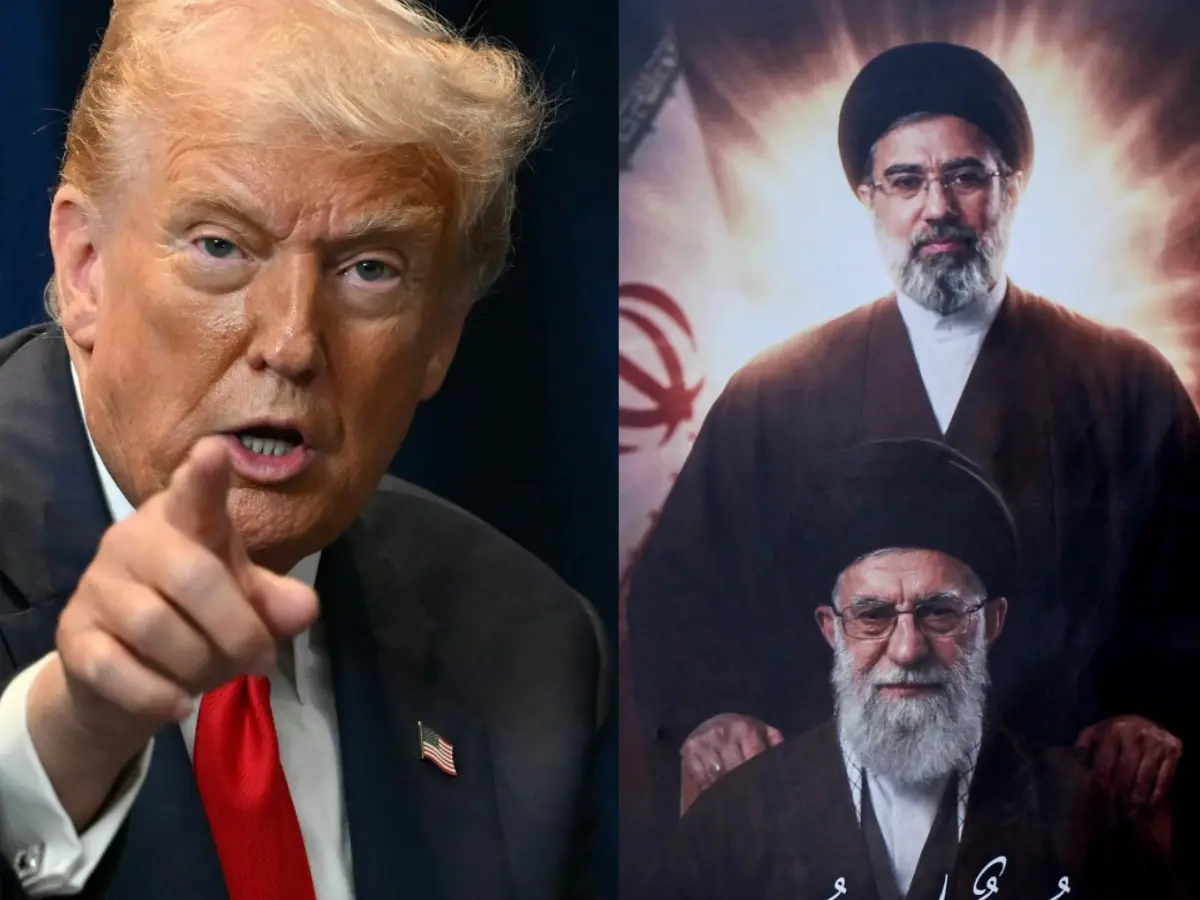
Trump presented the ceasefire as a success, stating US military objectives had been achieved. He described the outcome as a “total and complete victory”, despite the abrupt shift from earlier threats. The White House framed the move as evidence of leverage gained through military pressure.
CeasefireGrants Iran Toll Control Over Strait
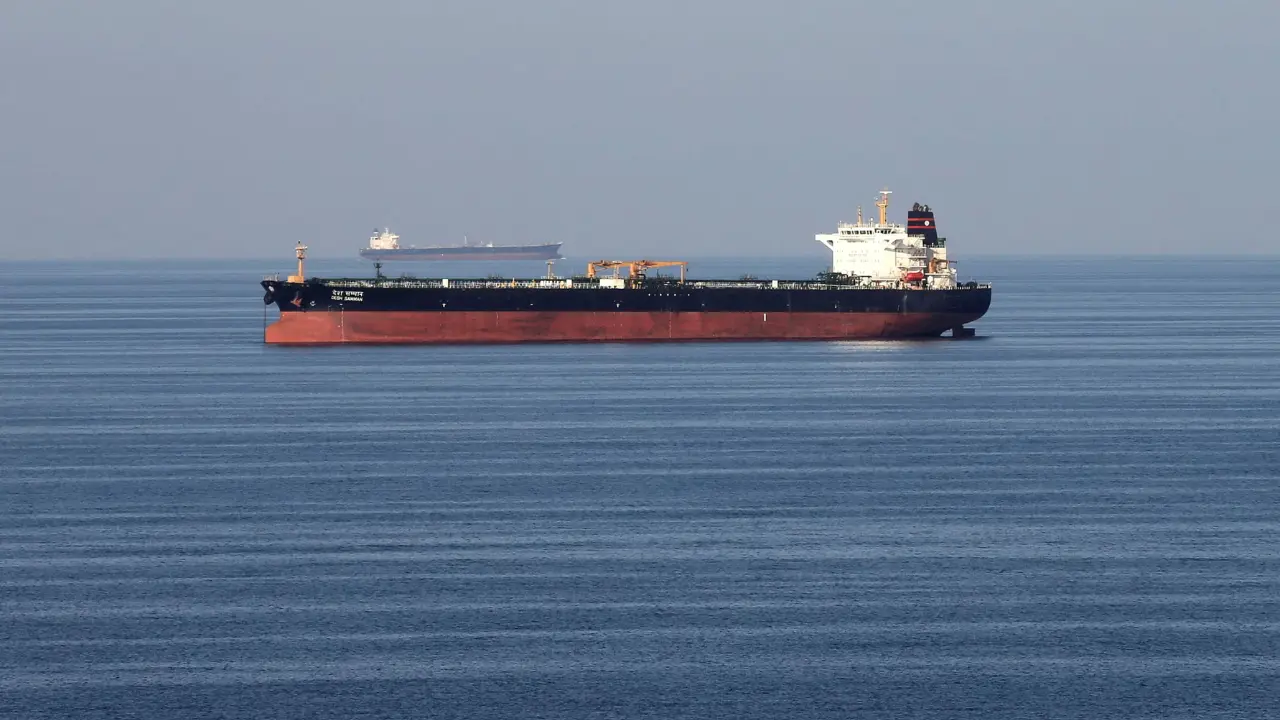
Under the two-week ceasefire, both Iran and Oman are authorised to charge fees on ships transiting the Strait of Hormuz, a regional official said, with Iran earmarking the revenue for reconstruction. The implications sparked controversy, Sen. Chris Murphy, D-Conn. was quoted by AP, calling it “a history-changing win for Iran” and criticising the move as “stunning and heartbreaking incompetence.” Previously considered an international waterway with free passage, the strait lies within the territorial waters of both Iran and Oman. The arrangement marks the first time shipping through this critical oil route will be subject to tolls.
Strait of Hormuz: High-risk military calculus
One of the most important reason is believed to be the fact that Iran’s leadership, despite being militarily outmatched, signalled confidence it could entangle the United States in a prolonged and costly conflict. Defence analysts quoted by AP said Washington could quickly secure the Strait of Hormuz, a critical route carrying about 20 per cent of global oil flows. However, sustaining control would be far more complex. Ben Connable of the Battle Research Group noted that securing the waterway would require control over roughly 600 km of Iranian territory, from Kish Island to Bandar Abbas, to prevent missile attacks. This could demand up to three US infantry divisions, or 30,000–45,000 troops, making it a long-term, resource-intensive operation.
Trump’s Two-Week Playbook: Buying Time on High-Stakes Decisions
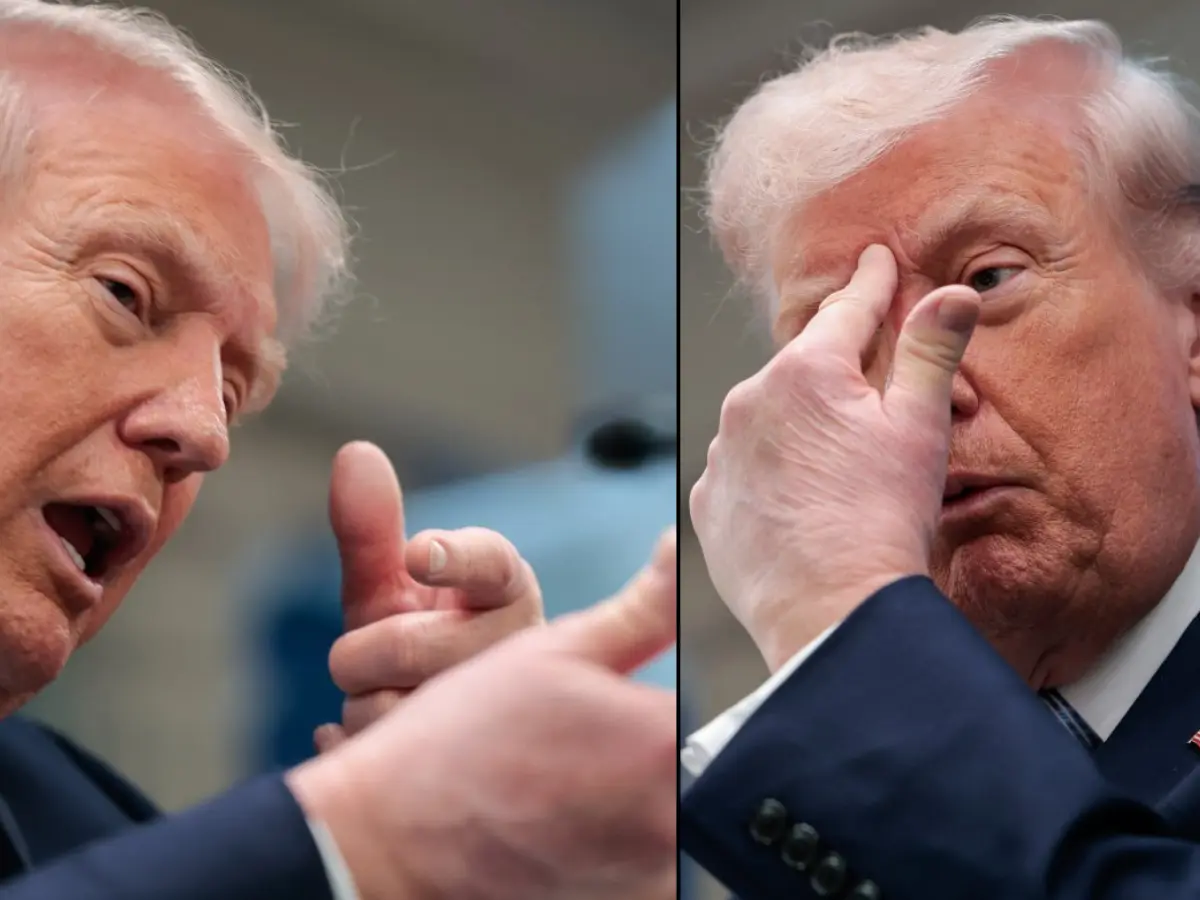
Trump has repeatedly used two-week intervals to buy time for major policy decisions. Last summer, the White House announced he would decide on an initial bombing campaign against Iran within two weeks, yet airstrikes were ordered before that period ended, which he claimed “obliterated” Iran’s nuclear capabilities. The pattern extends to other high-stakes negotiations, including efforts to resolve Russia’s war in Ukraine, and policy areas like healthcare. Trump often issues maximalist demands only to retract them, as seen with April 2025 “Liberation Day” tariffs and his January 2026 Davos proposal to claim Greenland, later abandoned in favour of diplomatic pressure on Europe.
The Strategic Unpredictability
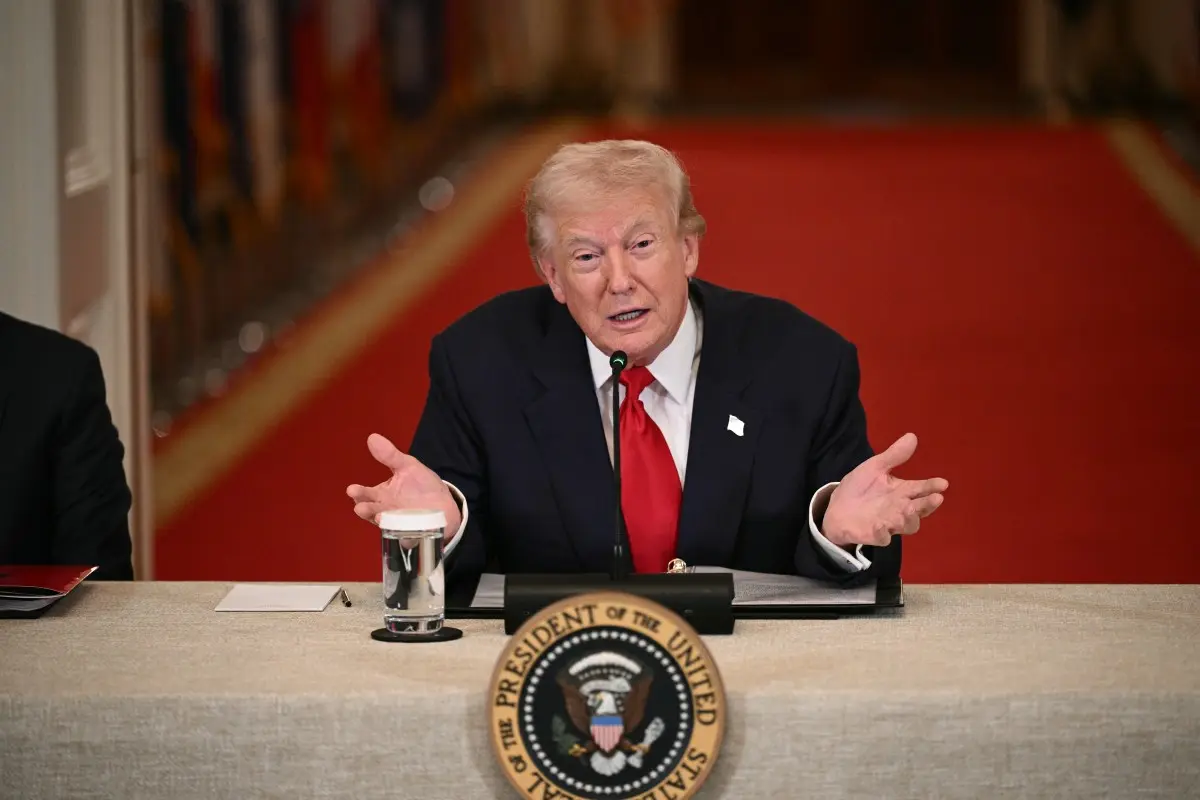
Trump’s ceasefire pivot mirrors Nixon’s "Madman Theory," where a leader projects irrationality and extreme aggression to coerce adversaries into submission. By leveraging expletive-laden threats and "controlled unpredictability," Trump forced a diplomatic pause, using the fear of total annihilation to secure the strategic reopening of the Strait of Hormuz.
)
)
)
)
)