Fighter jet upgrades: How AI is transforming aerial combat?

Artificial intelligence is changing fighter jets forever, enabling faster decisions, safer missions and autonomous flight. From the US to India, new upgrades let jets fly, fight and adapt better than ever.
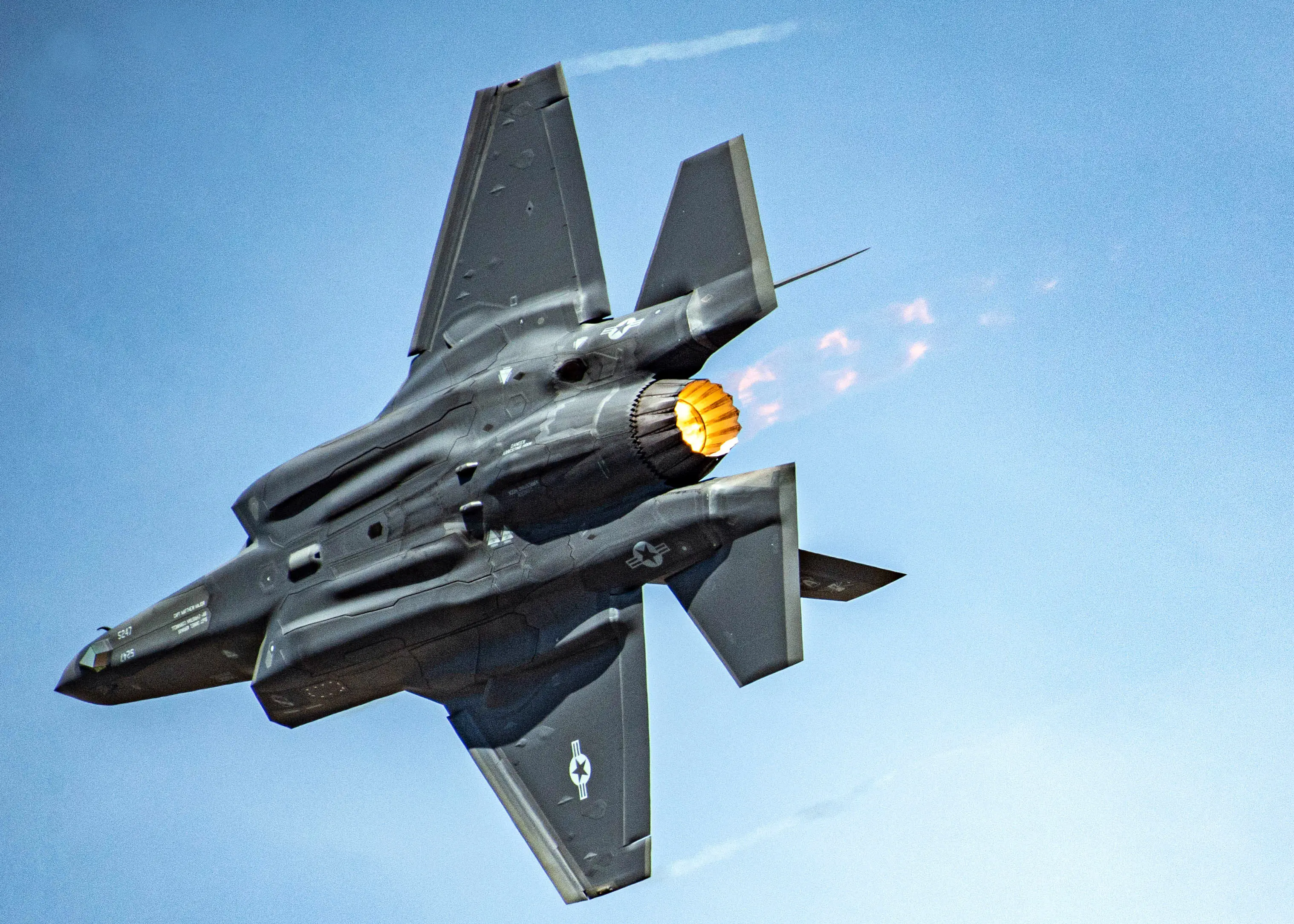
What is AI in fighter jets?
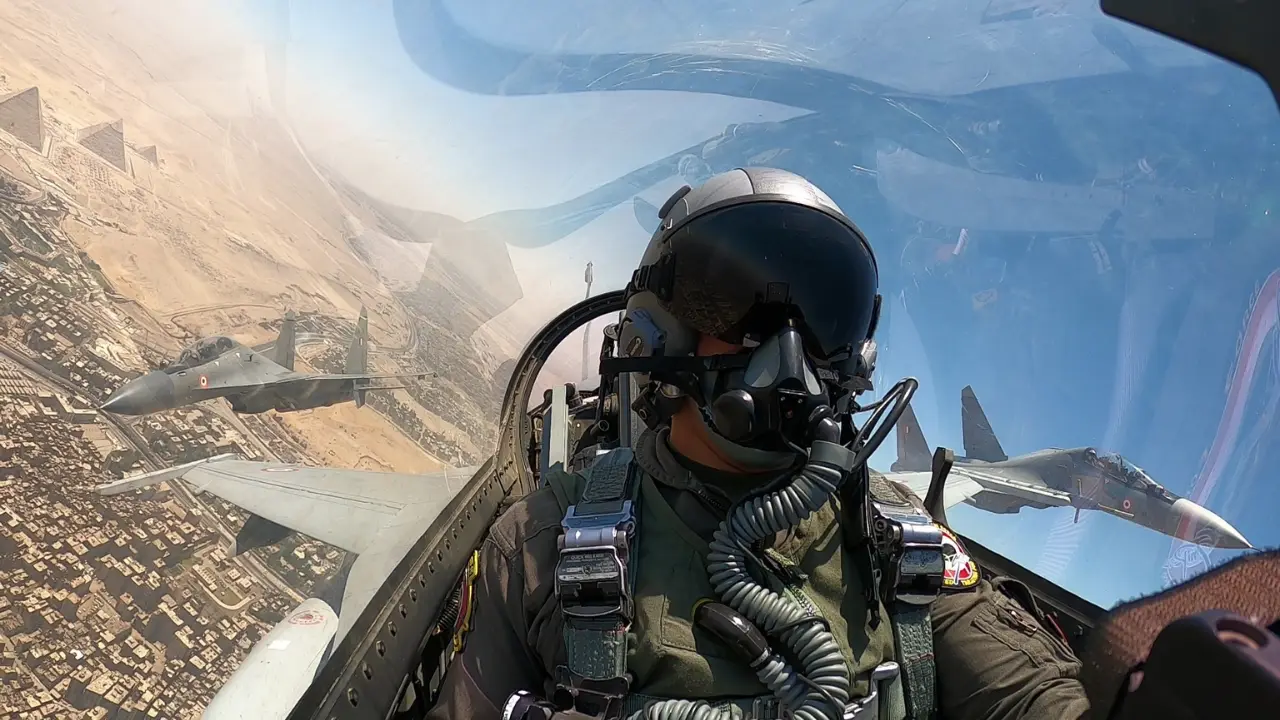
Modern fighter jets use artificial intelligence to process huge amounts of data, spot threats and make decisions quickly. Upgrades, like the US F-16 Project VENOM and India’s Super Sukhoi, add AI cockpits and advanced sensors so jets can react faster than humans.
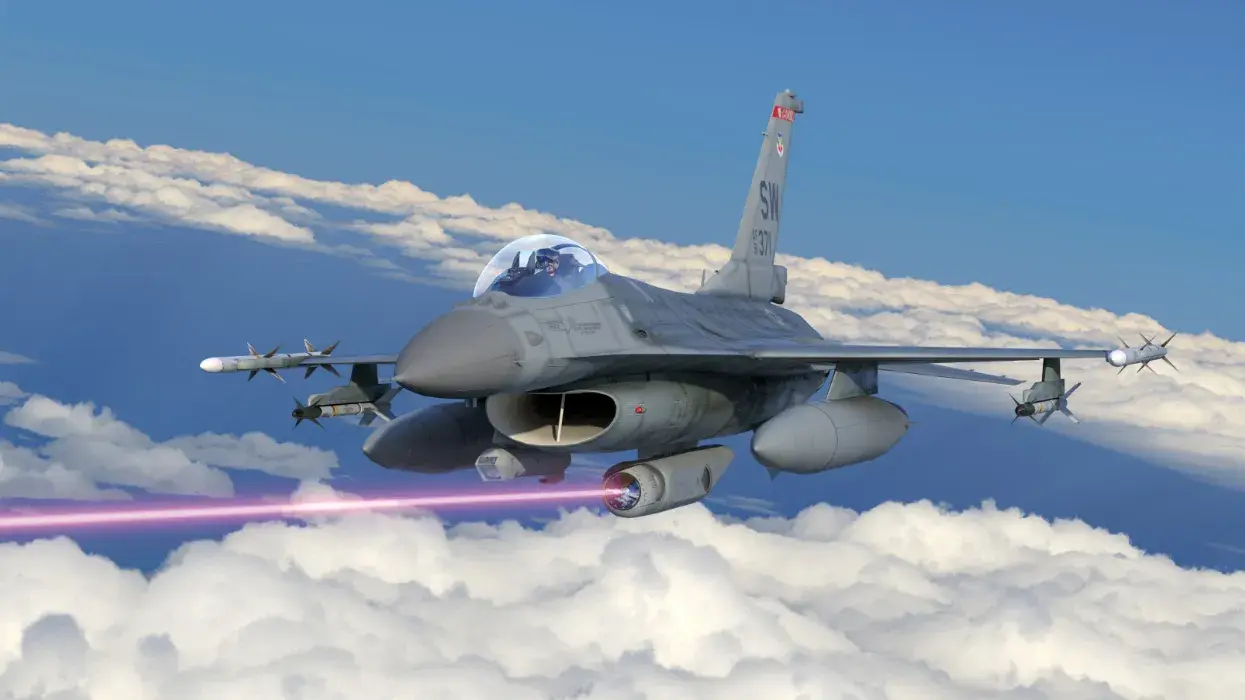
Autonomous flying and loyal wingmen
AI lets jets fly solo or in swarms, handling missions with little pilot input. The "loyal wingman" concept means unmanned, AI-powered aircraft can support human pilots flying ahead, scouting, jamming signals or launching strikes safely. US, China and Australia are testing this idea now.
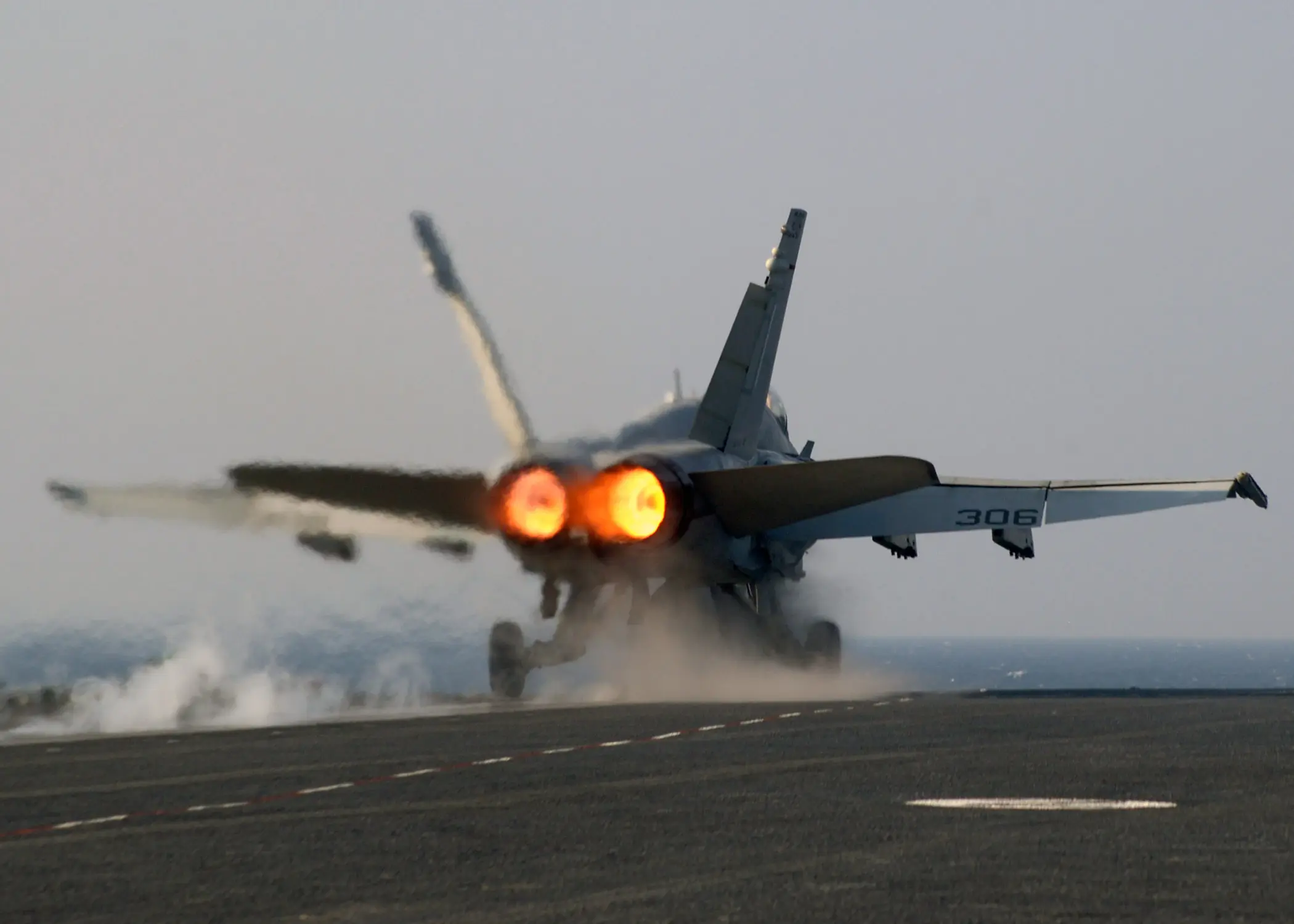
Smarter air-to-air combat
In 2024, AI-controlled F-16s managed advanced dogfights at speeds over 550 mph, outmanoeuvring expert pilots. AI learns by running thousands of simulated battles, improving its tactics, aim and reaction speed with every flight, and beating humans in air combat trials.
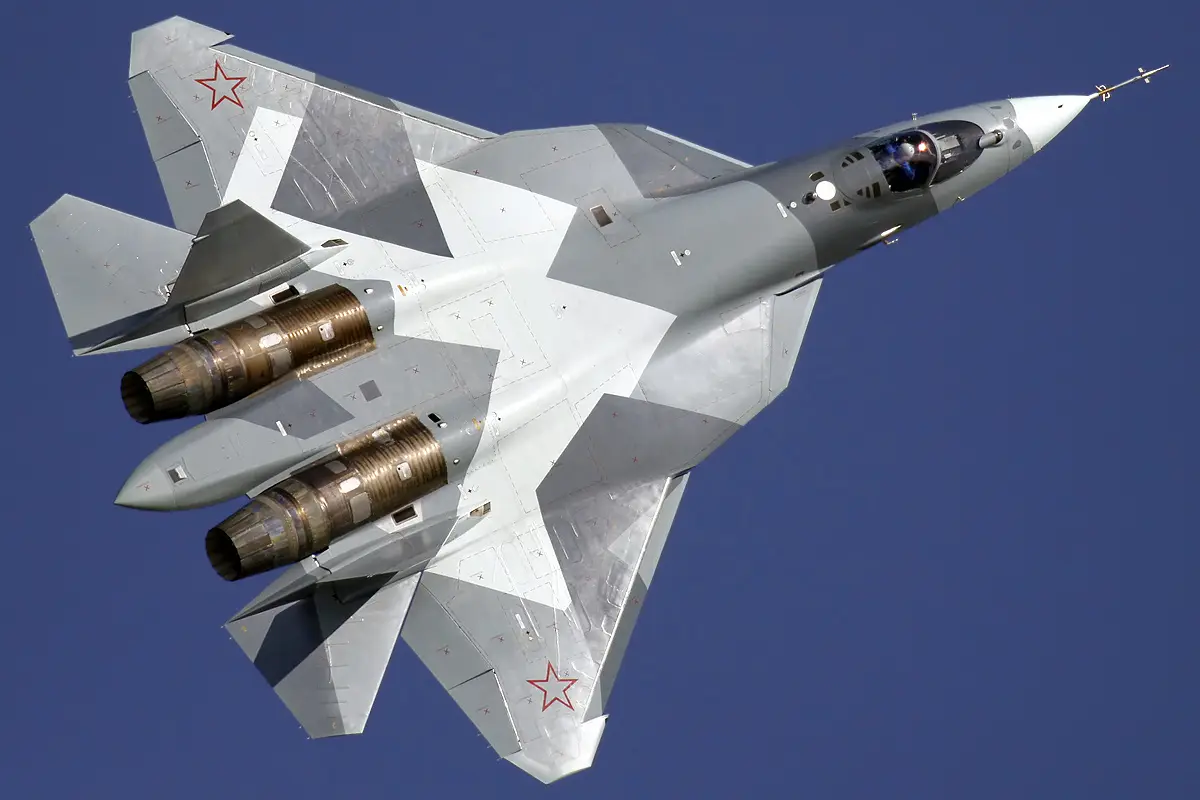
Upgraded weapons and sensors
AI improves how jets use radars and weapons. Systems like Rafale’s Talios pod and AESA radars scan areas, spot tiny targets and advise pilots or automate missile launches. In India, nearly 200 Su-30MKI jets are getting AI-based upgrades for precision targeting and self-protection.
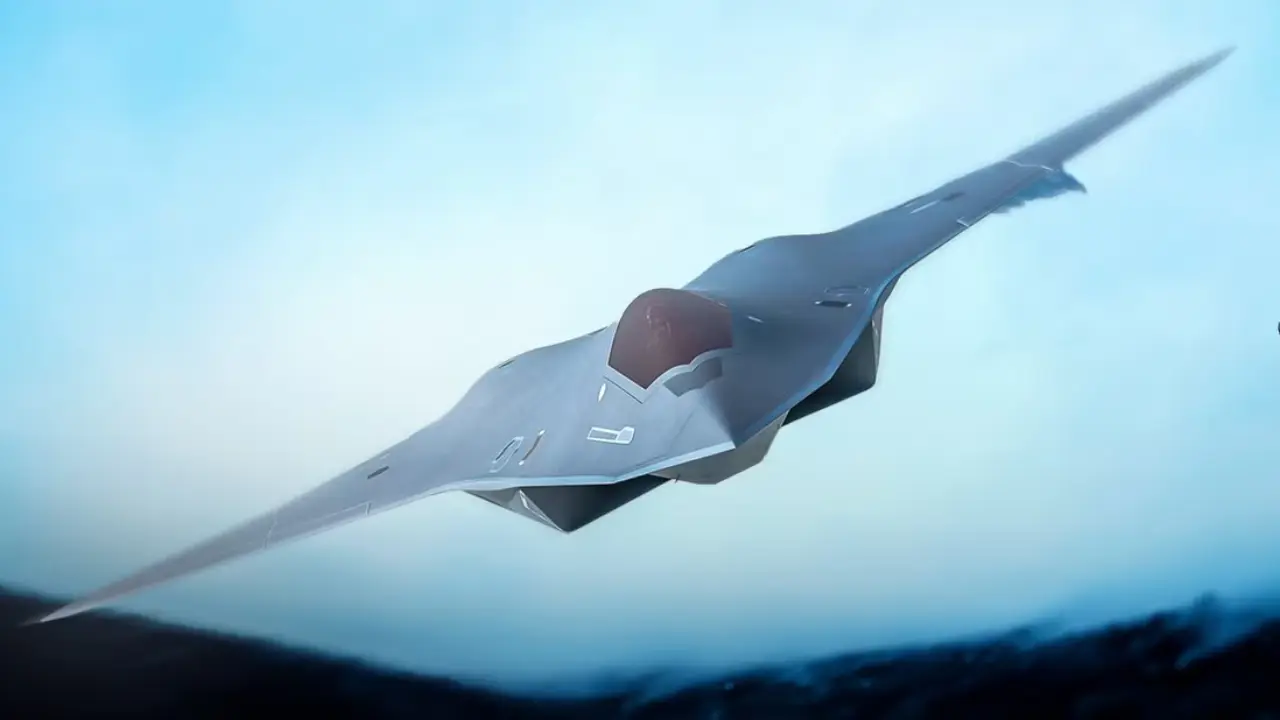
Predictive safety and maintenance
AI predicts engine faults and maintenance needs before anything fails, keeping jets safe and mission-ready. Algorithms monitor thousands of components and flight hours, warning crews in advance. This means fewer breakdowns and lower costs for air forces worldwide.
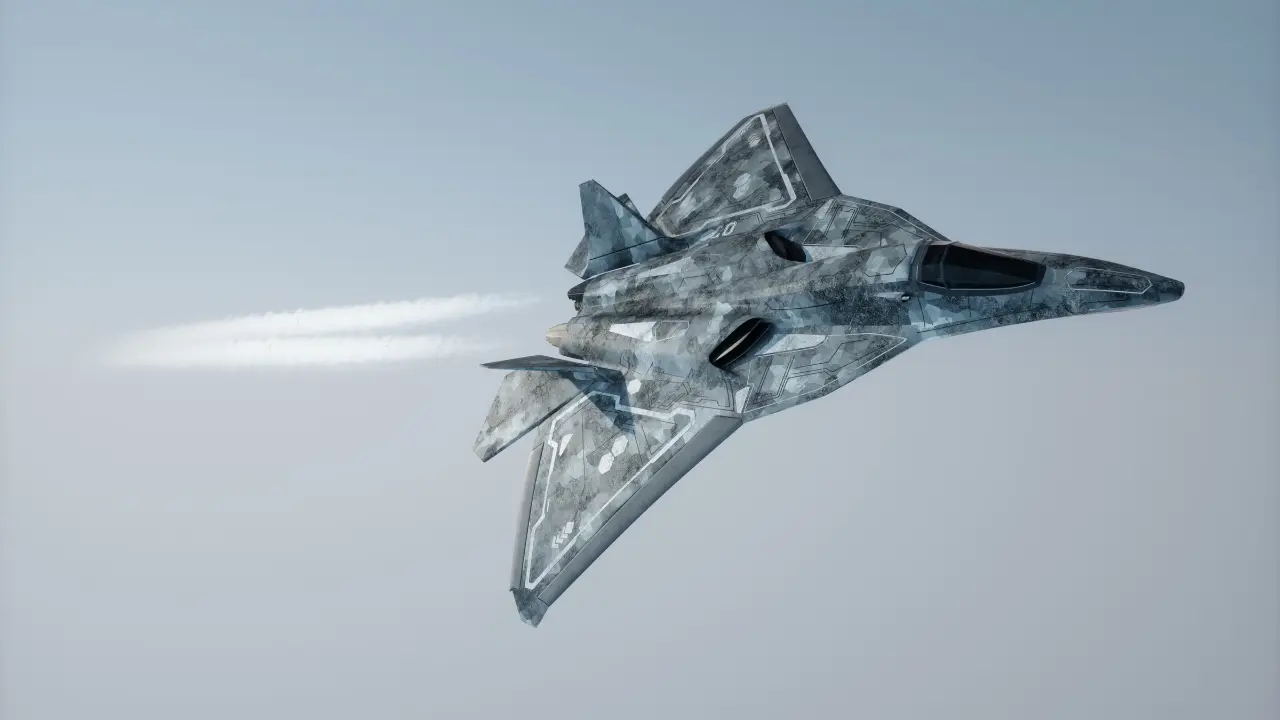
Collaborative combat networks
AI lets fighter jets, drones and sensors share data in real time, creating an "air combat cloud." This web of machines helps adapt to enemy moves, detect threats and coordinate attacks far faster than humans alone can manage. US, Europe and China now link advanced jets into networked battle clouds.
Shaping the future of air warfare
AI upgrades are moving jets from pilot-assist to full autonomy, changing how wars are planned and won. As sixth-generation fighters develop, air forces rely on AI for faster, smarter, safer missions. Experts say the biggest advances are still ahead, with unmanned jets set to become vital soon.
)
)
)
)
)