Fighter jet ejection: Why timing is more complex than it seems

Fighter pilot ejection is more complex than pressing a button. It takes 2-4 seconds with 12-16 G-force acceleration. Minimum ejection altitude 140 feet for ACES II, 100 feet for K-36DM. Parachute timing depends on altitude and airspeed sensors. One-third of fatalities delayed ejection.
What Makes Ejection Timing So Complex?
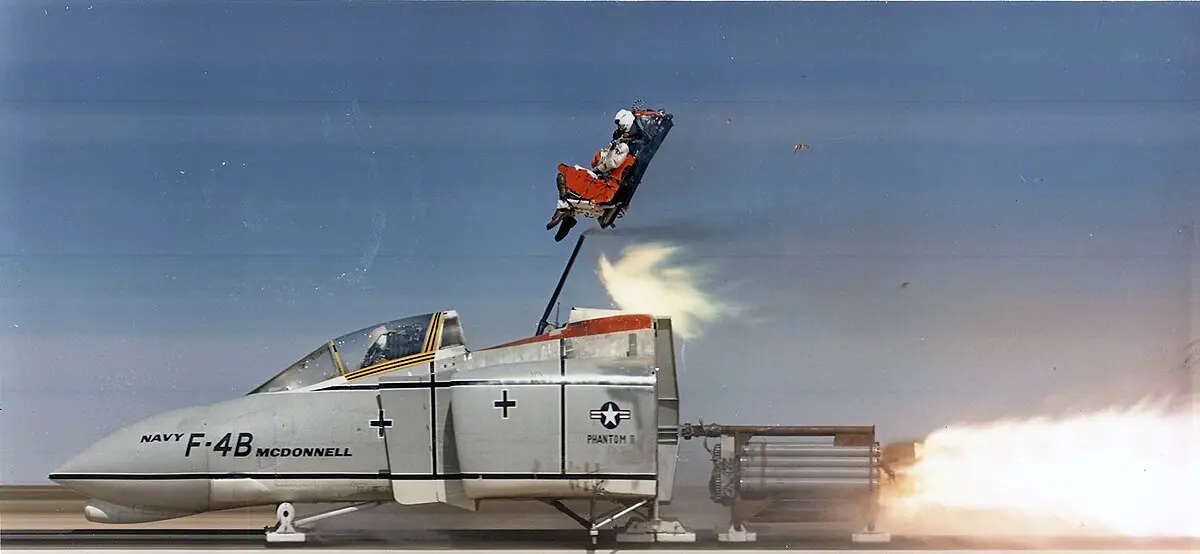
Most people think fighter pilots press an ejection button and fly to safety. The reality is far more complex. Ejection timing depends on many factors. The aircraft altitude matters. The aircraft speed matters. Whether the aircraft is inverted matters. The type of ejection seat matters. All of these affect whether ejection succeeds or fails. Pilots must decide whether to eject or try fixing the aircraft problem. This decision must happen in seconds, not minutes. One-third of pilots who died in ejection emergencies actually had adequate altitude to survive.
The Ejection Sequence Takes Only 2-4 Seconds
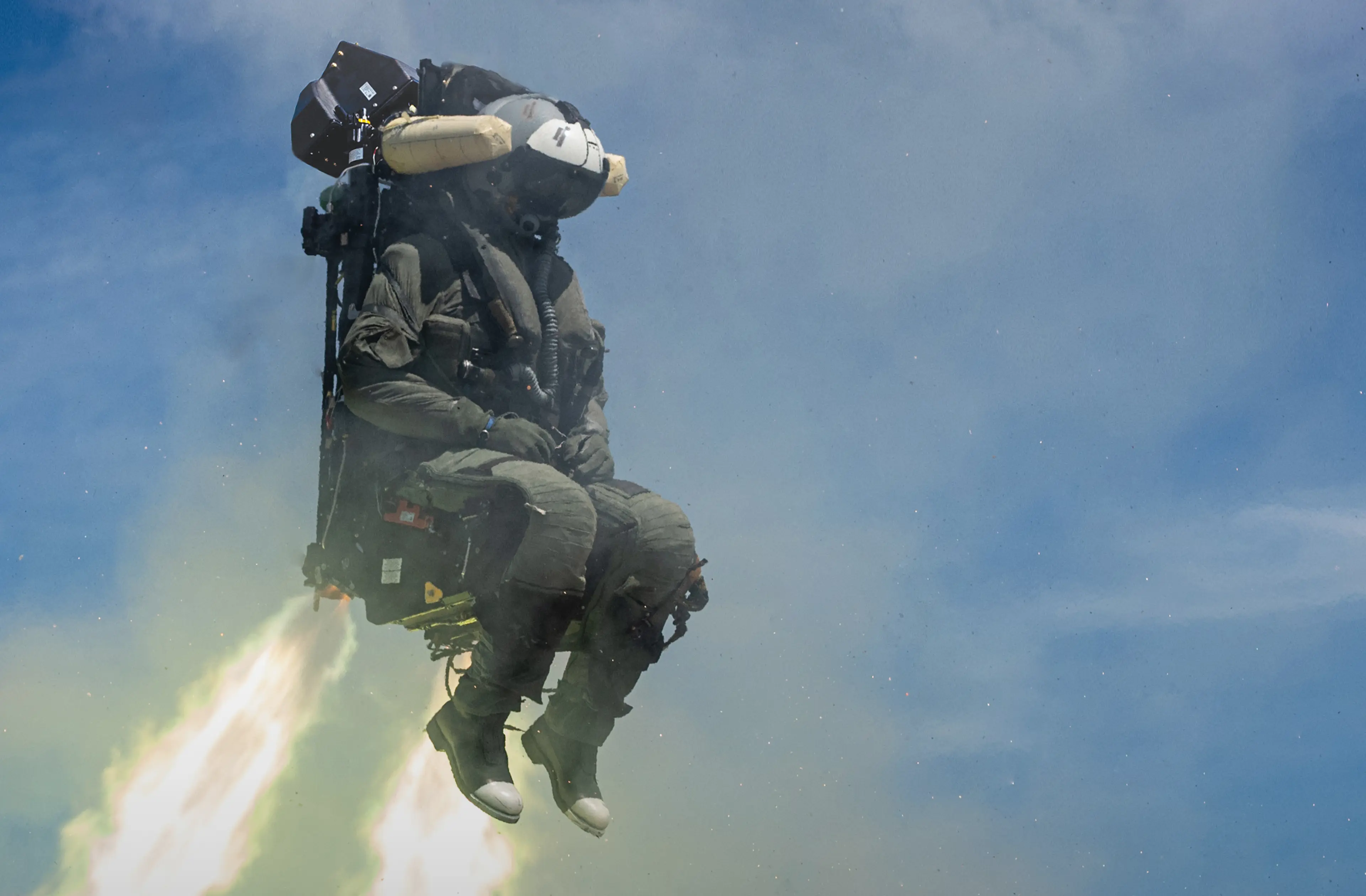
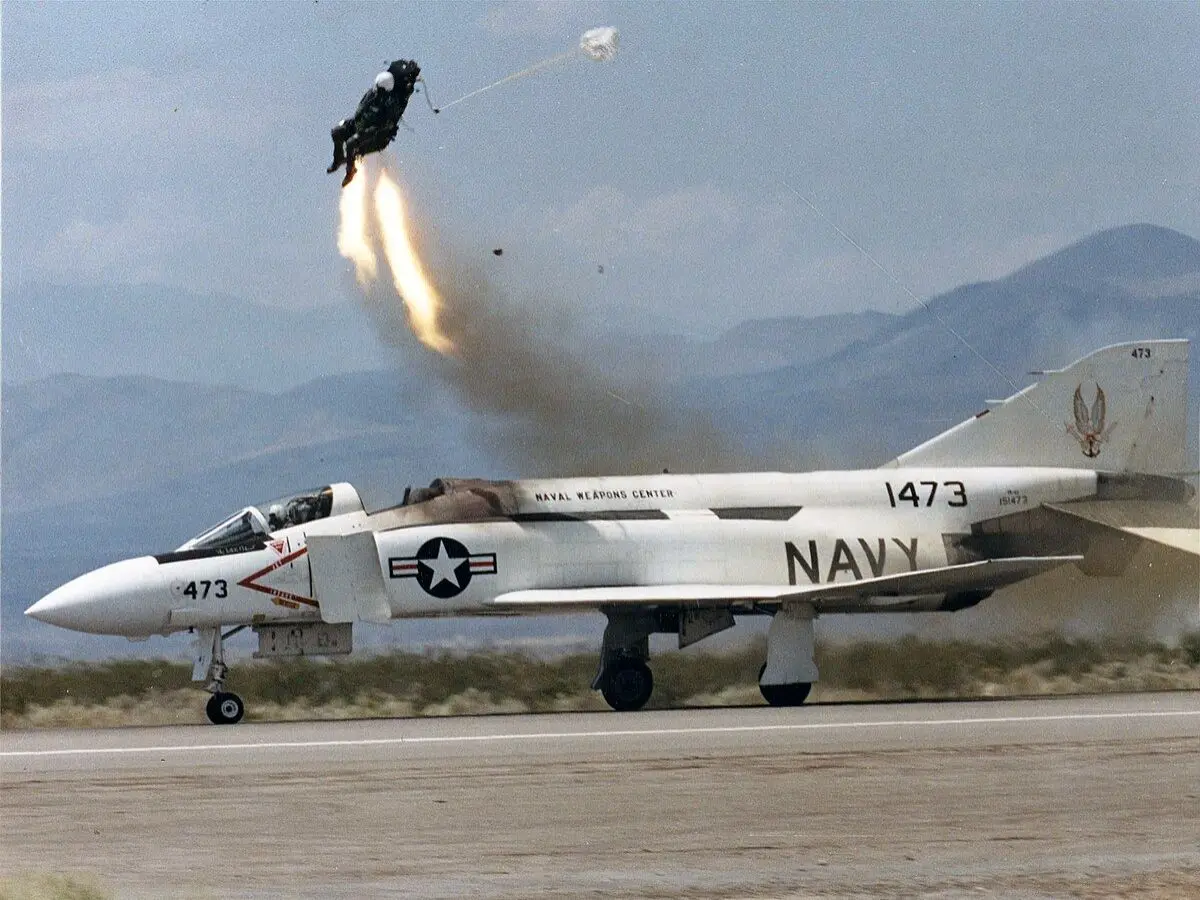
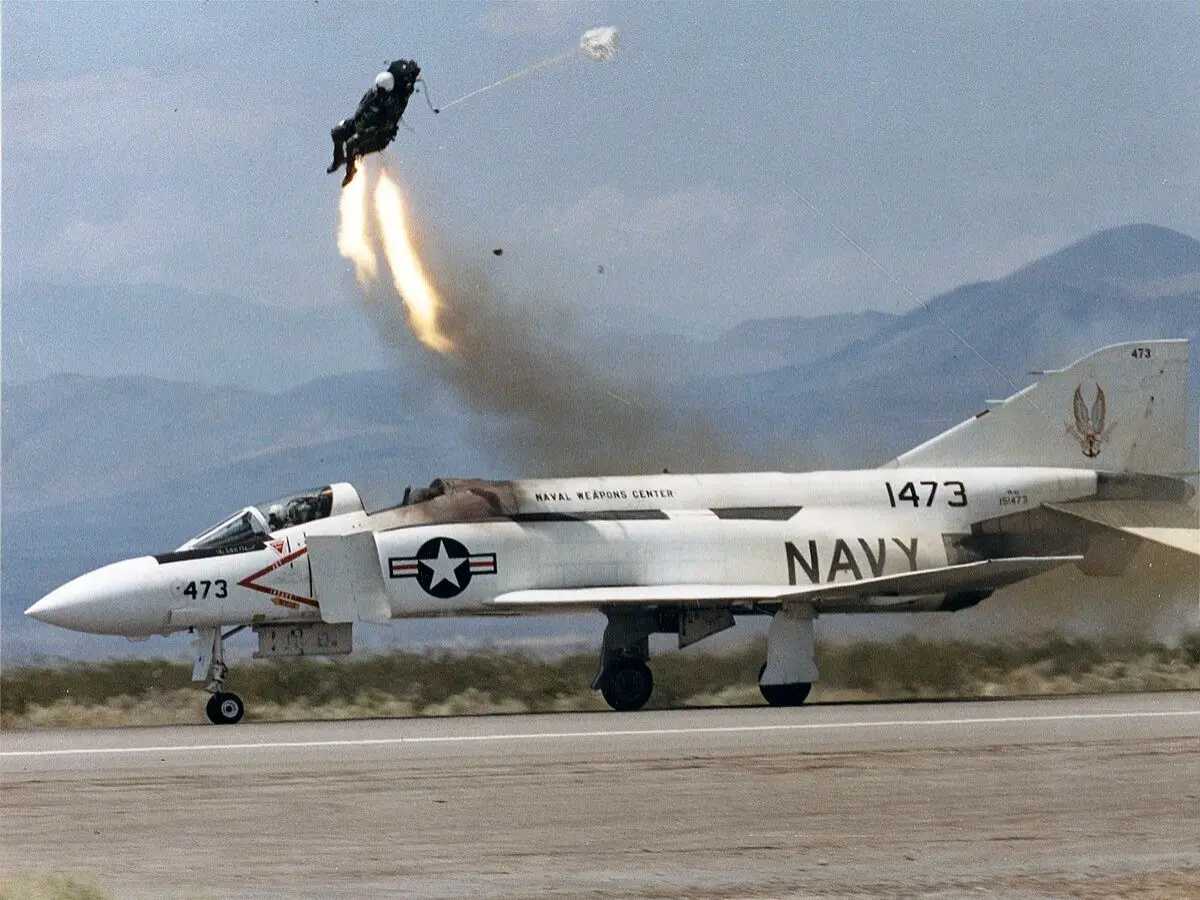
When a pilot pulls the ejection handle, several things happen automatically and rapidly. The canopy shatters in 10 to 20 milliseconds. The seat catapult fires and launches the pilot out of the aircraft. Within 0.2 seconds, stabilisation booms deploy to prevent dangerous tumbling. The seat continues rising for about 2 to 2.5 seconds whilst the parachute system prepares. The parachute deploys when the seat reaches safe altitude. The pilot separates from the seat via automatic straps cutting. The entire sequence happens in 2 to 4 seconds. In this short time, the pilot's body experiences tremendous forces.
The Extreme G-Forces During Ejection
During the seat launch, pilots experience acceleration of 12 to 16 G-forces. This is extreme force. Each gram is equivalent to Earth's gravity. At 12 G, a 100 kilogram pilot feels like they weigh 1,200 kilograms. The Russian K-36 seat reaches even higher G-forces, up to 25 G, during high-altitude inverted ejections. All of this force happens whilst launching out of the aircraft. Pilots train extensively to handle these forces. Their bodies must be correctly positioned or serious injury occurs. Spinal compression injuries are common in pilots who eject multiple times during their careers.
Minimum Altitude Requirements Are Crucial
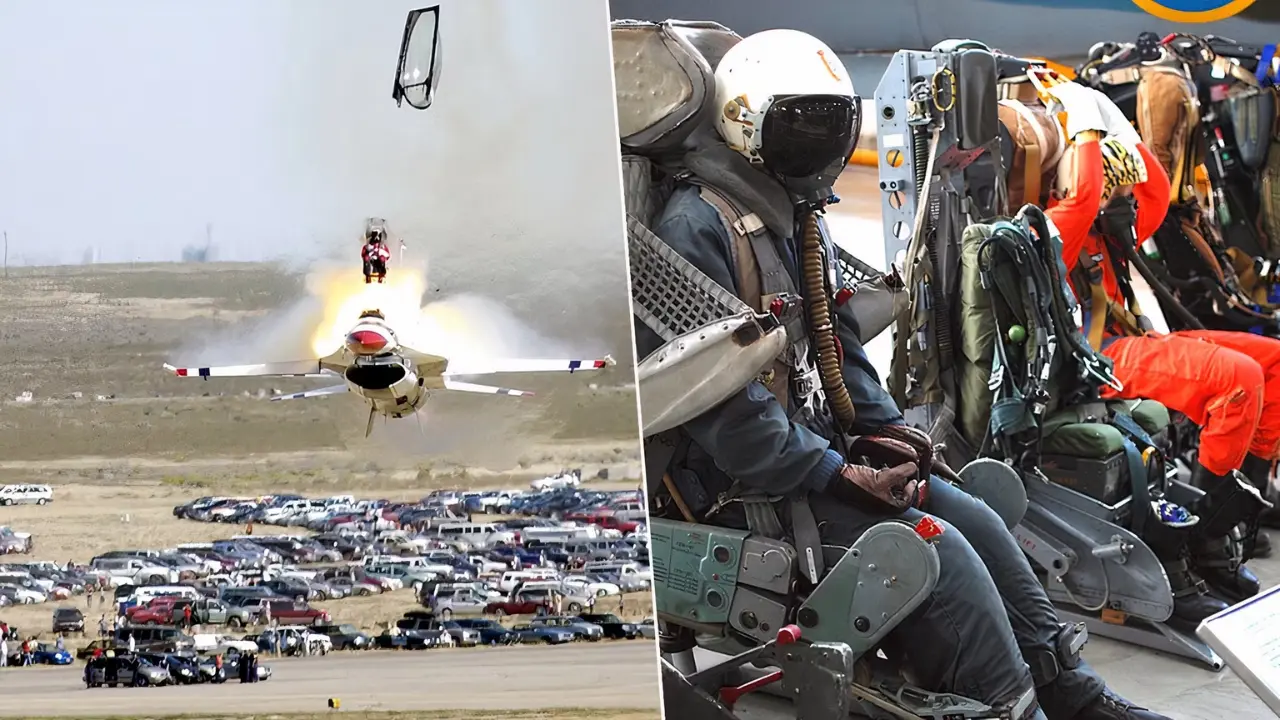
Different ejection seats have different minimum altitude requirements. The American ACES II seat requires minimum 140 feet altitude to eject safely if the aircraft is inverted. The Russian K-36DM seat is more advanced and needs only 100 feet from inverted flight. Altitude matters because the parachute must have time to open fully. At low altitude, there is little time between ejection and ground impact. The seat and parachute system must work perfectly with no delays. Any malfunctions mean the pilot will not survive. Modern zero-zero seats can eject from ground level with zero airspeed. These seats have onboard rockets to boost the pilot to safe altitude.
The Decision To Eject Is The Hardest Part
Pilots face a terrible decision during emergencies. They must choose to eject and abandon their aircraft. The aircraft costs millions of pounds. Getting another aircraft costs enormous money and time. Some pilots try fixing the problem instead of ejecting. Sometimes they succeed and save the aircraft. Sometimes they wait too long and cannot eject safely. Research shows that one-third of pilots fatally injured during ejection emergencies had adequate altitude to survive. They delayed their ejection decision too long. By the time they decided to eject, altitude was too low. This delay often comes from pilots trying to save their aircraft.
Altitude And Airspeed Affect Parachute Deployment
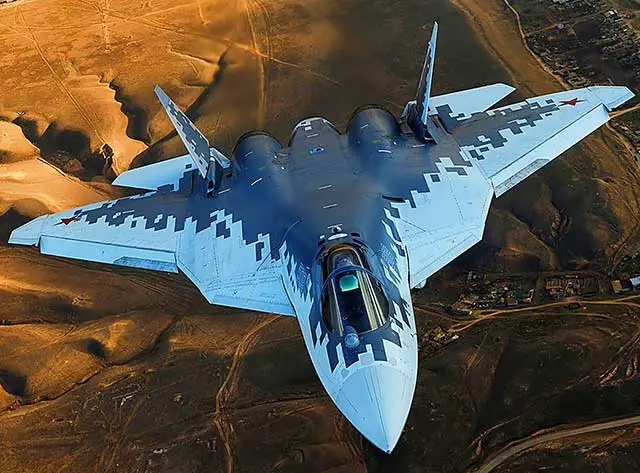
The parachute cannot open immediately after seat ejection. At high altitude, the pilot would lose consciousness from thin air. At high speed, the parachute would tear if opened too quickly. Modern ejection seats have sensors that measure altitude and airspeed. The automatic system decides when to deploy the parachute. At high altitude, the pilot freefalls whilst the seat climbs higher. When reaching safe altitude, the parachute deploys. At low altitude, the parachute deploys immediately after seat separation. The sensors are remarkable. They make splitting-second decisions based on actual flight conditions measured in real time.
Future Ejection Technology And Improvements
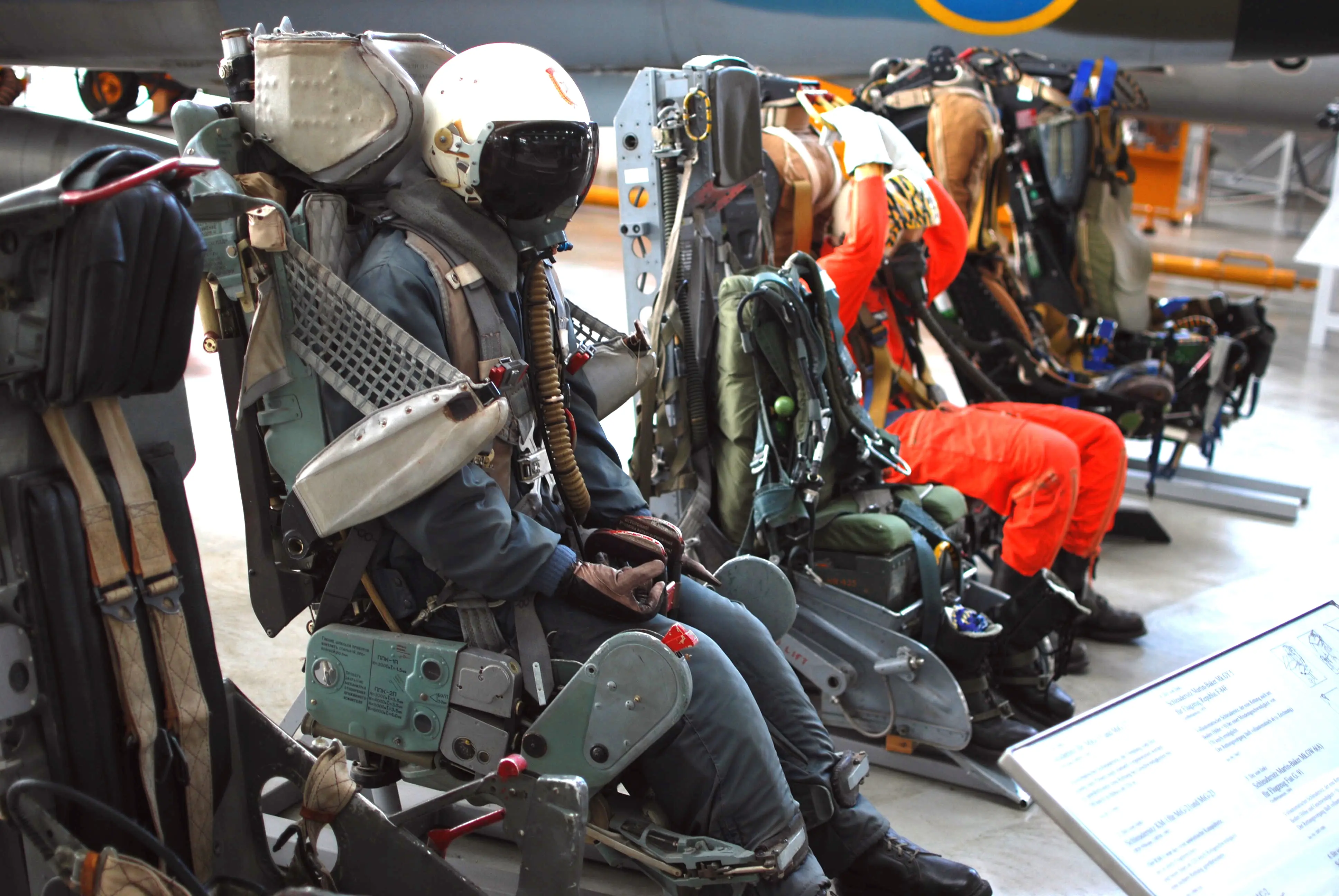
Future fighter jets will have even better ejection systems. Engineers are developing seats that can eject safely at even lower altitudes. New materials reduce the G-forces on pilots during ejection. Better automation means seats make smarter decisions about parachute timing. Tejas Mk2 and future Indian fighters will incorporate the latest ejection technology. Some future seats may use rocket boosters to escape faster. Others may use different materials to reduce injury. The goal is to increase pilot survival rates from emergency situations. Every improvement in ejection technology saves pilot lives. As aircraft fly faster and higher, ejection technology must improve to match.
)
)
)
)
)