F/A-18 Super Hornet vs Rafale: 6 key differences between these advanced fighter jets

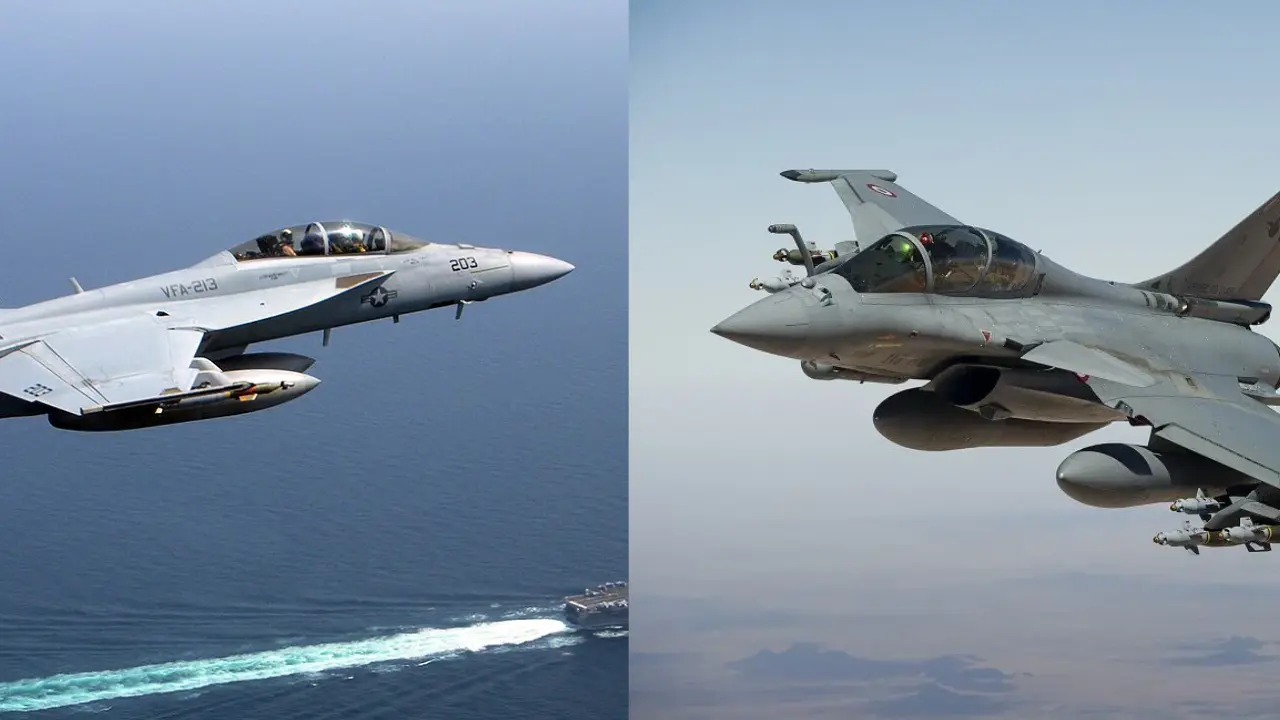
The American F/A-18 Super Hornet and the French Dassault Rafale M are both multirole fighter jets. While both excel in combat roles, their performance, technology, and design reveal notable differences. Here is a comparison of speed, range, radar, and real-world performance.
Design and Role
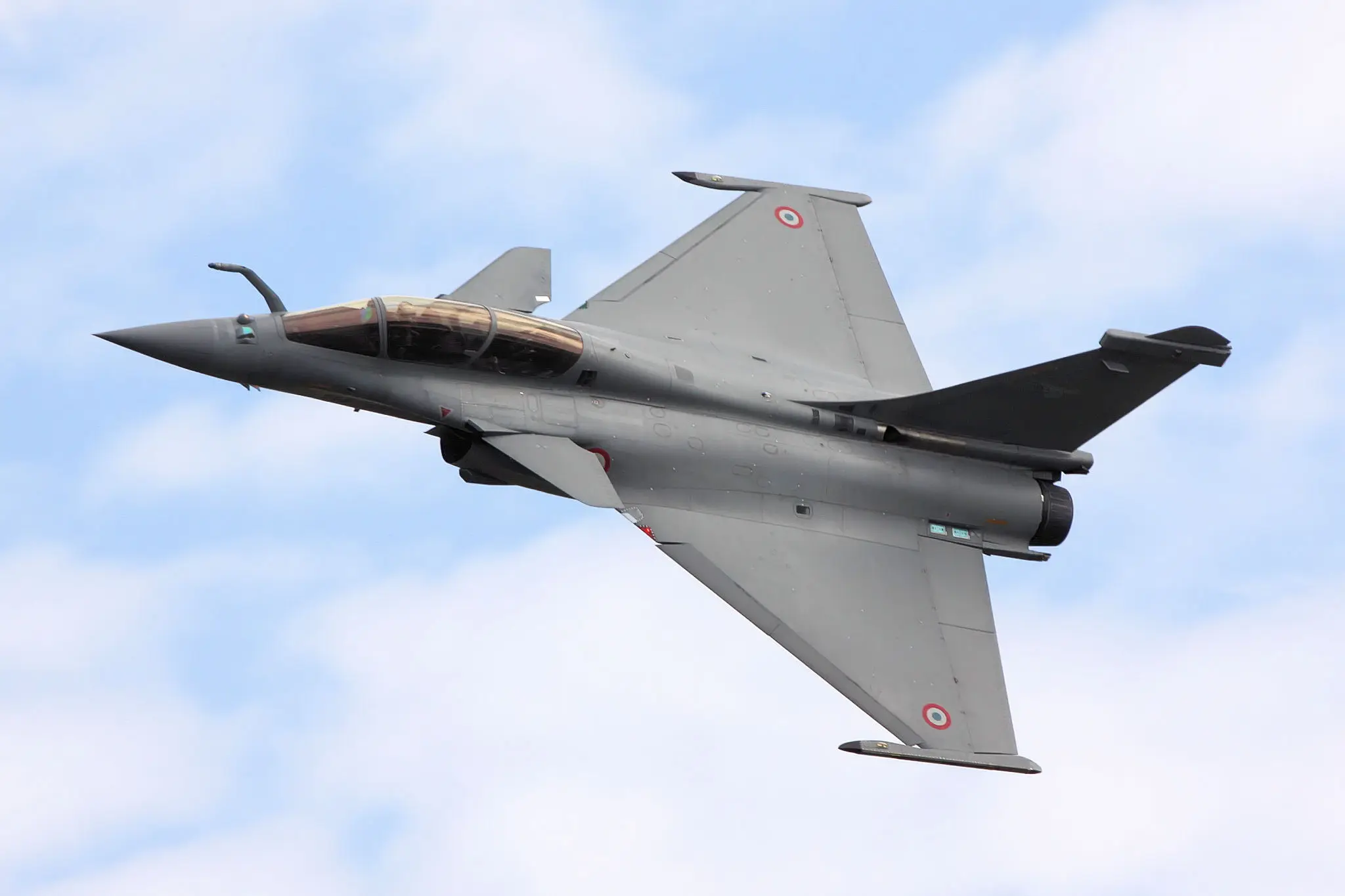
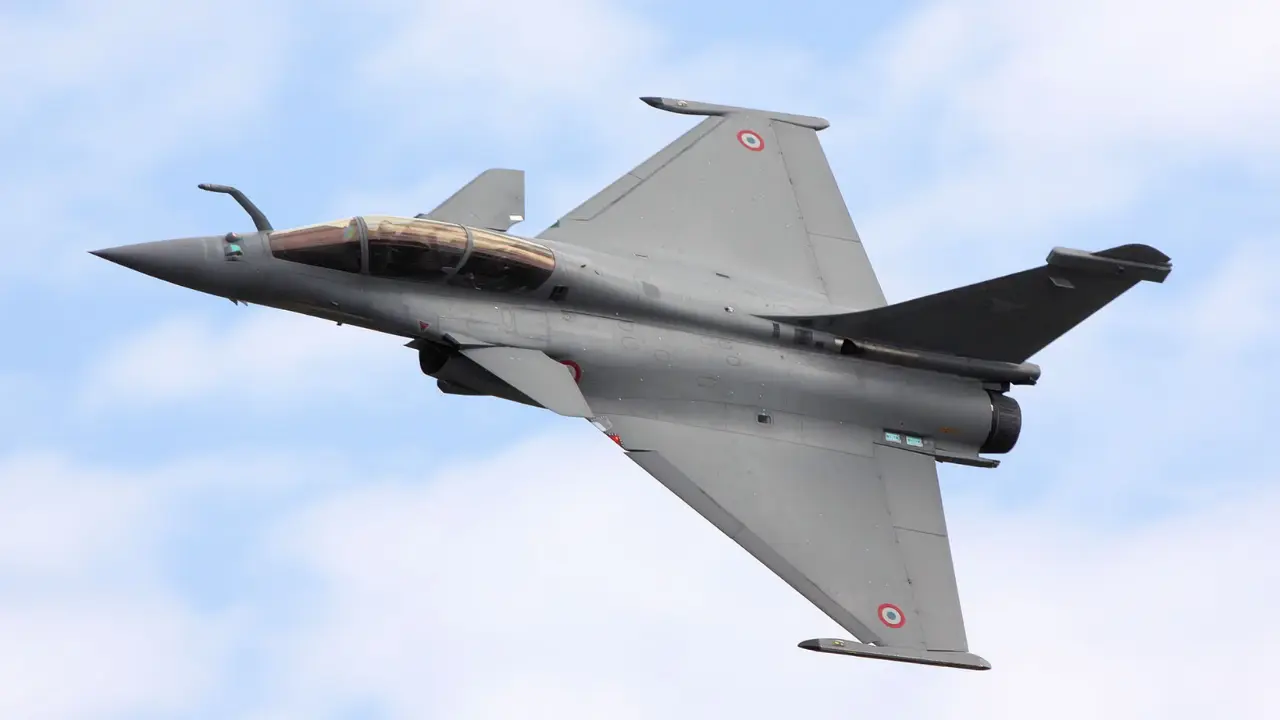
The F/A-18 Super Hornet, made by Boeing, is a multirole fighter tailored for the U.S. Navy, designed for both air-to-air and air-to-surface missions. The Rafale M, developed by Dassault Aviation, is an “omnirole” fighter that performs all mission types from air combat to anti-ship strikes with greater versatility. Its lighter airframe and advanced radar make it highly adaptive for quick strikes.
Speed and Supercruise
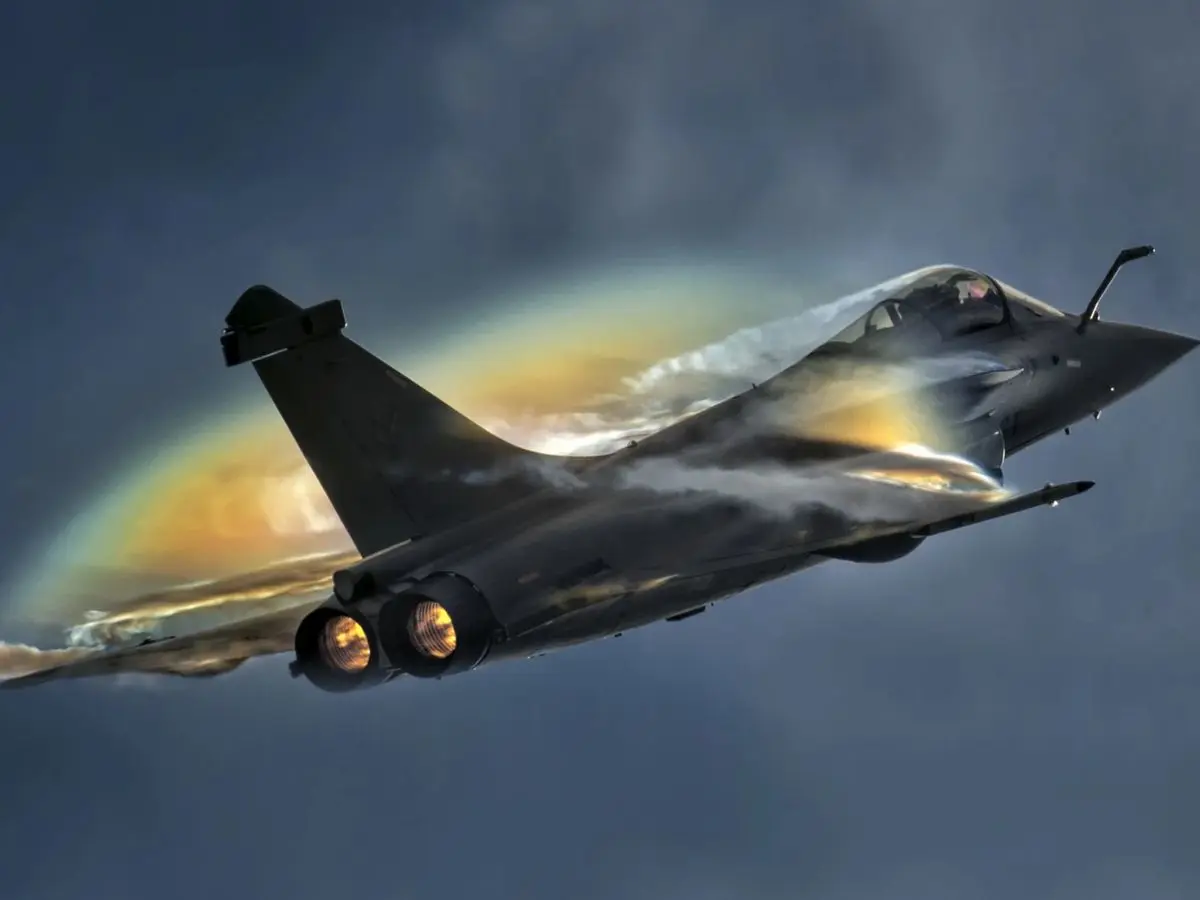
Both jets reach top speeds near Mach 1.8, but only the Rafale can supercruise, maintaining supersonic speed without afterburners at around Mach 1.4. The Super Hornet cannot supercruise and performs best at lower altitudes. This gives the Rafale an advantage in energy retention, missile launch energy, and endurance during long-range operations.

Manoeuvrability and Flight Performance
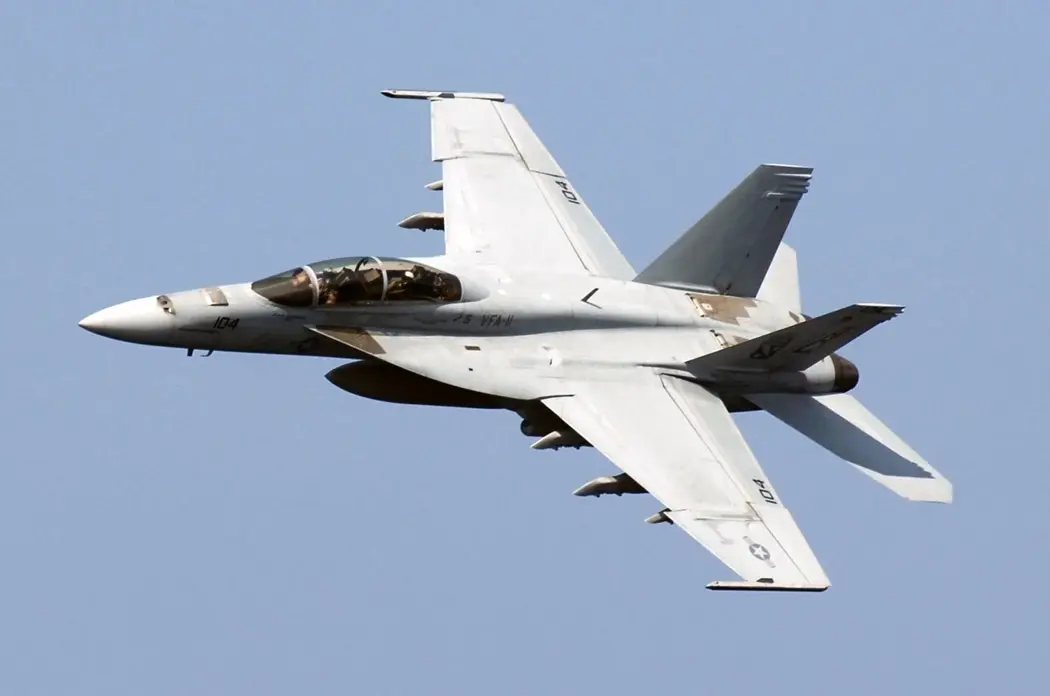
According to Defence Review, the Rafale M edges ahead in performance with higher sustained turn rates, better instantaneous turns, and higher sustained G-loads (+9G) compared to the Super Hornet’s limit of +7.5G. The Super Hornet holds an advantage in high angle of attack (high-alpha) manoeuvres, but the Rafale’s aerodynamics and lighter structure make it more efficient and responsive overall.
Weapons and Combat Power
The Rafale carries up to 13 hardpoints versus the Super Hornet’s 11, enabling a larger payload capacity of up to 9,500 kg. Rafale is equipped with the Meteor missile, which outranges the Super Hornet’s AIM-120D AMRAAM, and can also deploy MICA and SCALP-EG missiles. The Super Hornet has access to a wider weapon library, including JSOW, HARMs, and JDAMs, benefiting from U.S. logistics and lower costs, but lacks equivalent missile range.
Range and Endurance
The Rafale M has a ferry range of 3,700 km and a combat radius of 1,850 km, while the Super Hornet’s maximum range is 2,346 km according to Aviation Geek Club data. The Rafale’s aerodynamic efficiency, larger fuel load, and lower drag give it longer endurance in multirole missions without refuelling.
Radar, Sensors, and Avionics
The Rafale carries the Thales RBE2-AA AESA radar paired with its advanced SPECTRA electronic warfare suite and front-sector optronics for detection without emitting radar signals. The Super Hornet uses the APG-79 AESA radar with broader coverage and powerful jamming abilities. Reports by FlightGlobal suggest the Super Hornet’s radar is larger, but Rafale’s sensor fusion provides superior situational awareness and self-protection.
Operational Use and Real-World Advantage
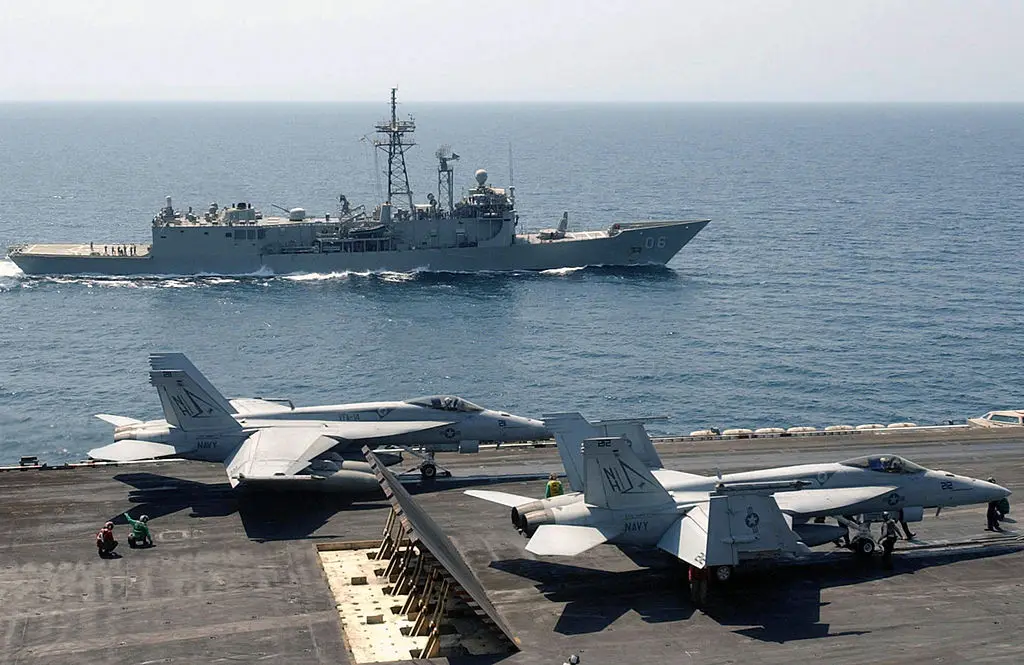
The Rafale M has proven its capability in combat from aircraft carriers like the French Charles de Gaulle. India’s Navy has also selected the Rafale M after trials where it outperformed the F/A-18E/F in deck take-offs, maintenance checks, and sensor performance. The Super Hornet remains key to the U.S. Navy but faces limited export success. Rafale’s versatility and combat-proven record make it the more adaptable fighter for multiple environments.
)
)
)
)
)