F-35 Lightning II vs F-14 Tomcat: 6 major evolutions in fighter jet design, stealth, and technology

From radar-visible F-14 Tomcat to stealthy Lightning II, fighter jets have evolved. Let’s explore how avionics, engines, weapons, and cockpit tech transformed the F-14’s power and legacy into the F-35’s cutting-edge multirole dominance.
Stealth Technology
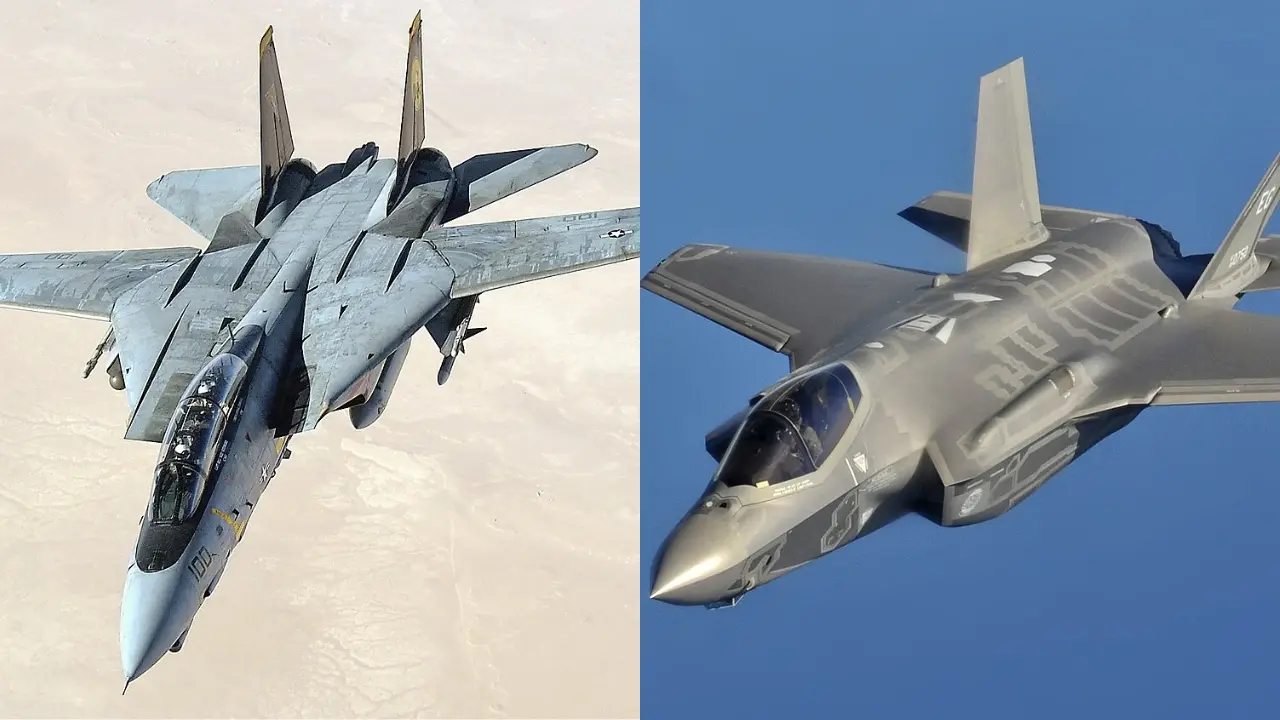
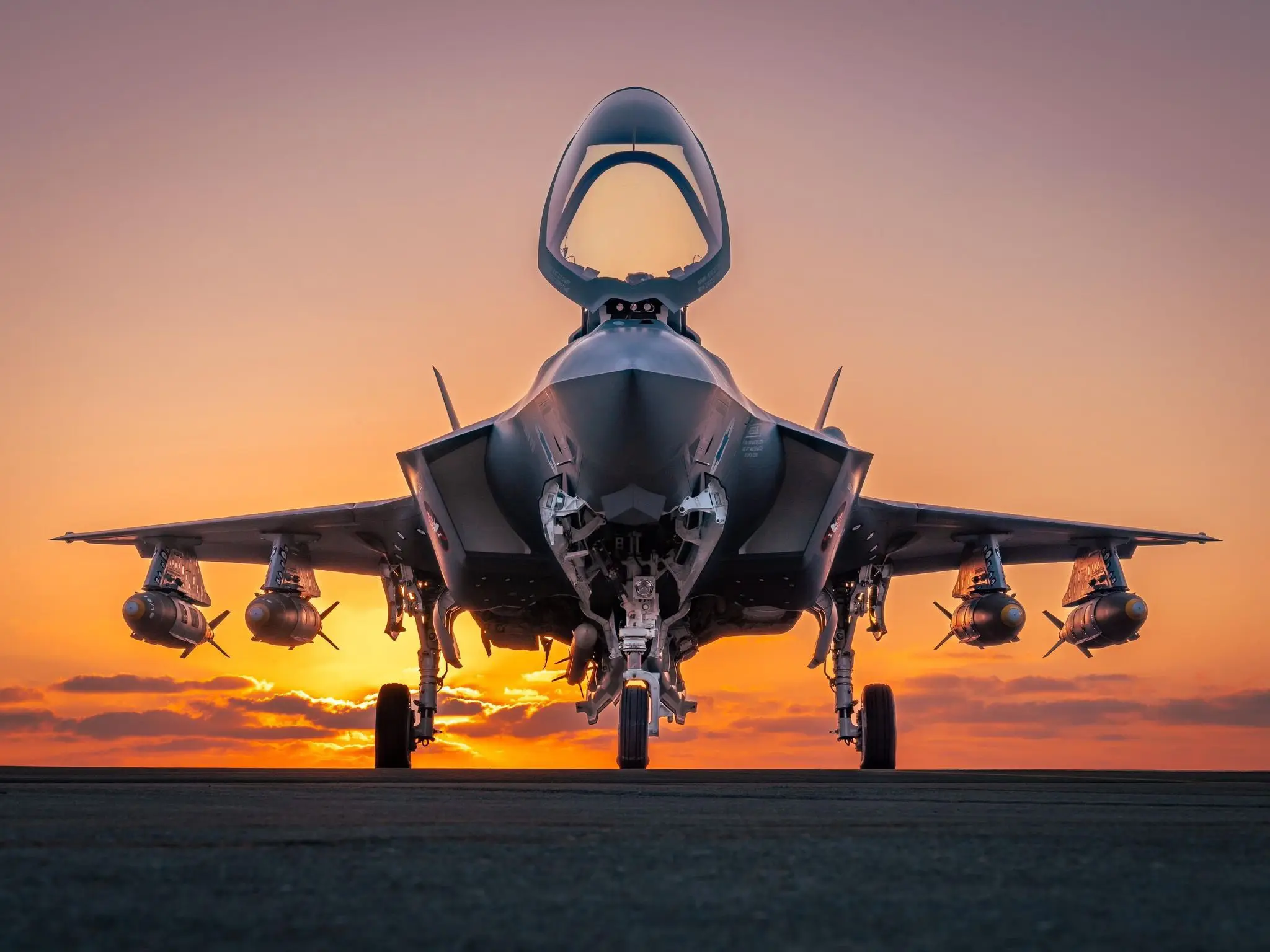
The F-14 Tomcat, entering service in 1974, had almost no stealth features and was quite visible to radar. On the other hand, the F-35 Lightning II is designed with cutting-edge stealth technology, including radar-absorbent materials and an internal weapons bay to reduce radar signature. These features make the F-35 much harder to detect by enemy systems.
Avionics and Sensors - Basic to Highly Integrated
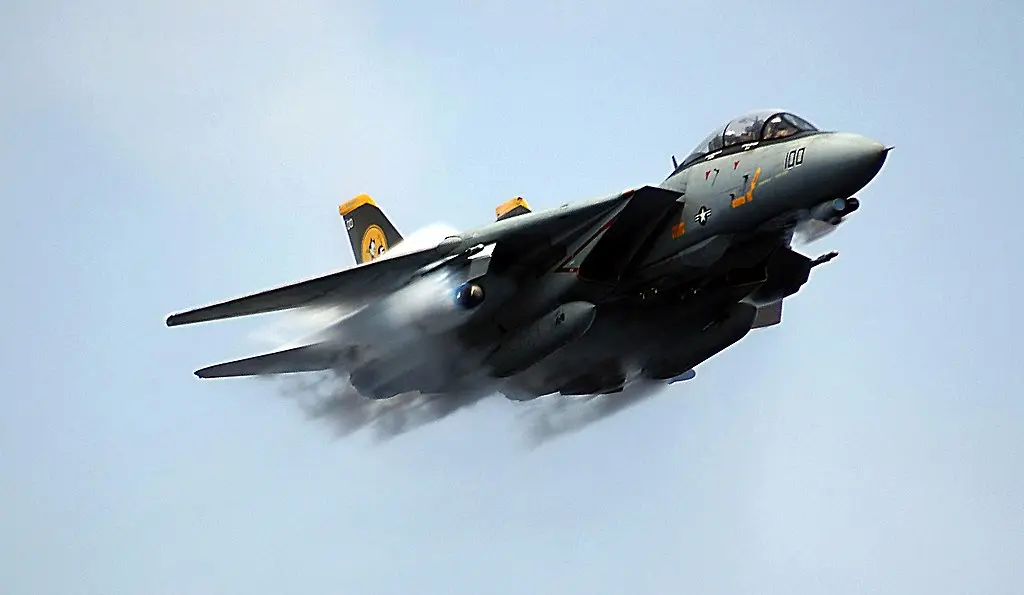
The F-14 used radar and sensors that were advanced for their time but relied on separate systems. The F-35, however, has an integrated sensor fusion system that combines radar, infrared, and electronic warfare sensors into a single, comprehensive picture for the pilot. This allows better situational awareness and faster decision making.
Engines and Performance - Twin Rolls to Single Powerhouse
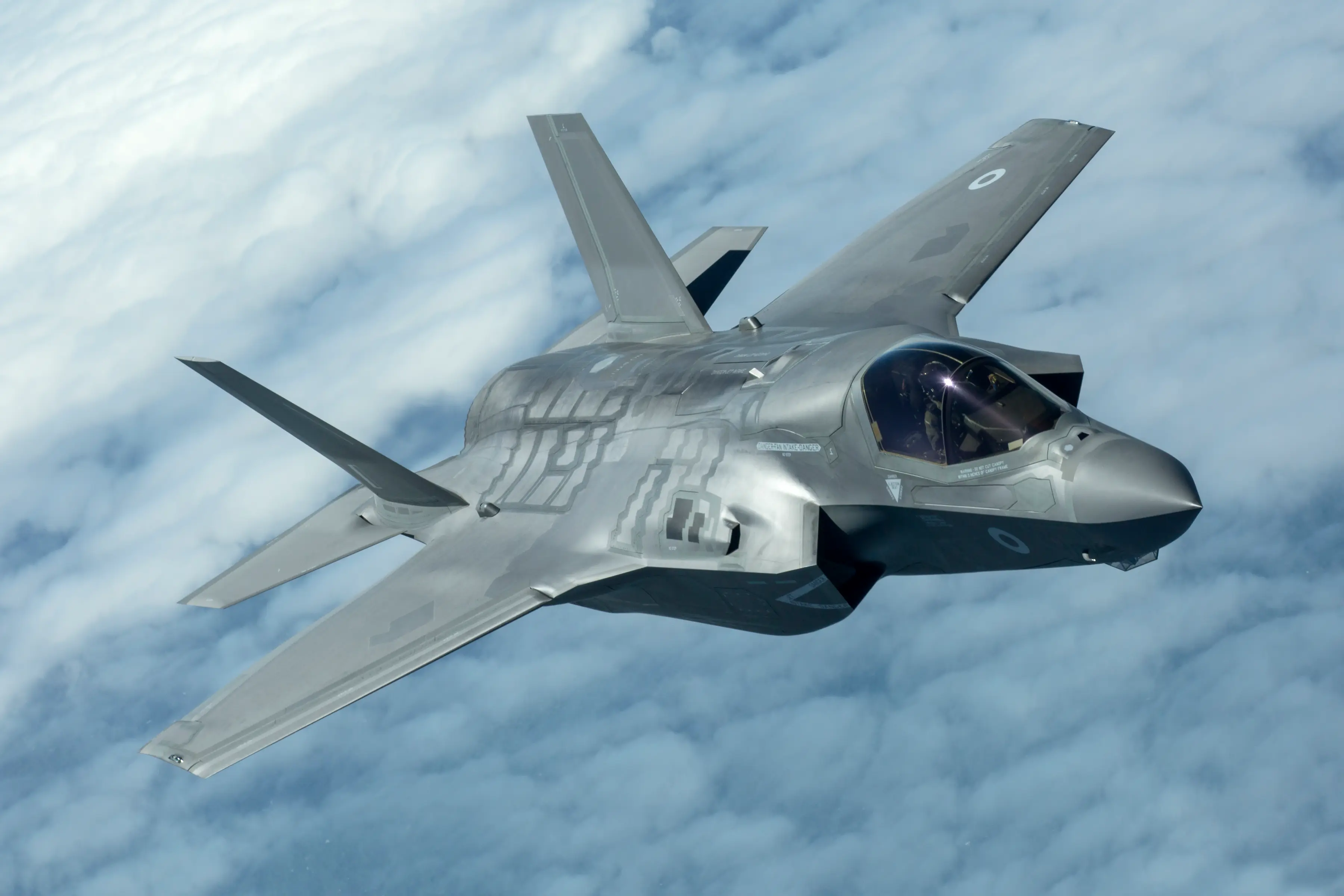
The F-14 had two powerful turbofan engines, providing good speed and agility, with a max speed of over Mach 2. The F-35 has a single Pratt & Whitney F135 engine but benefits from supercruise ability and advanced engine design, giving it supersonic speeds up to Mach 1.6 with stealthy efficiency.
Weapons Carriage - External vs Internal Bays
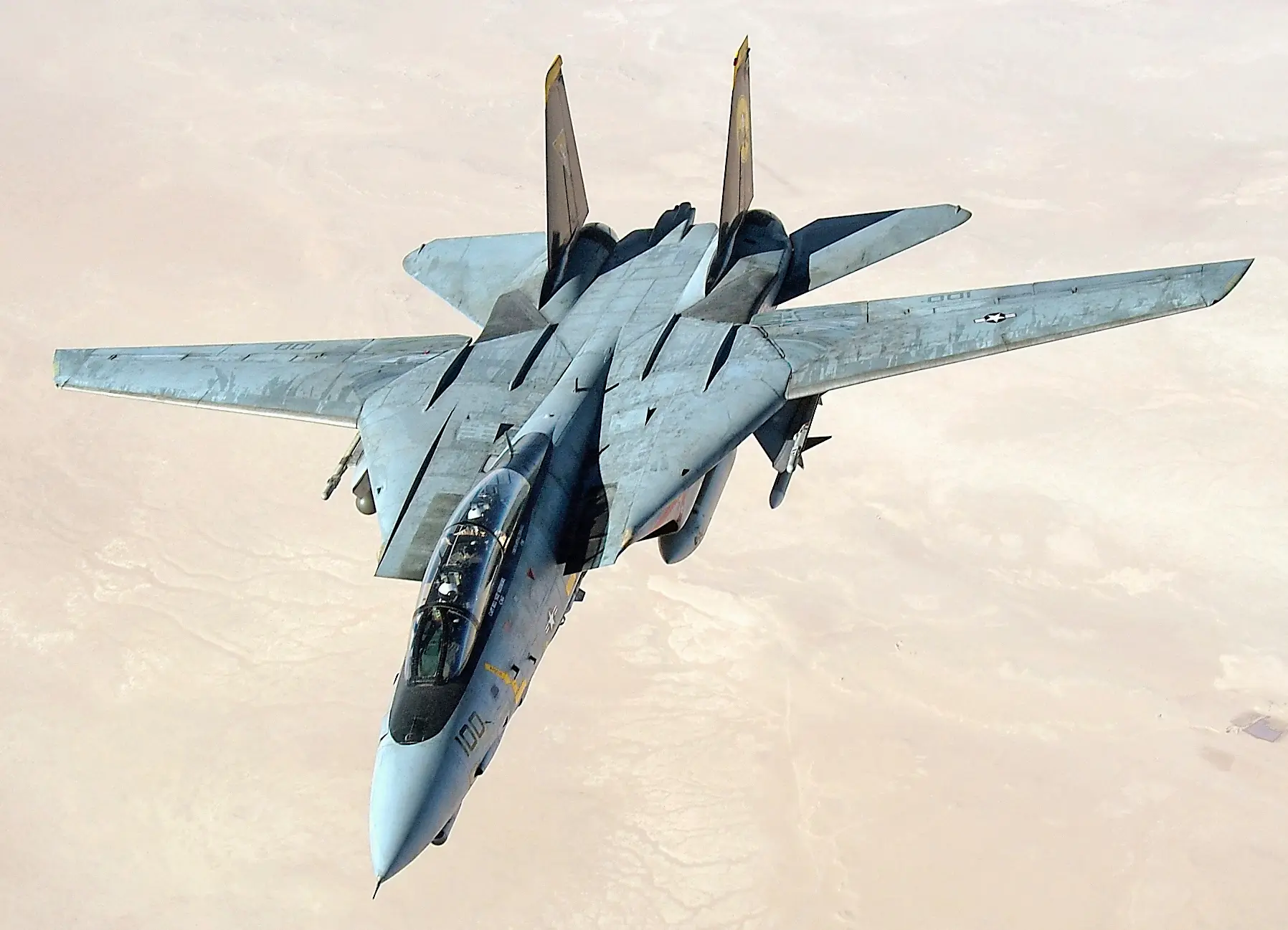
The Tomcat carries weapons externally on wing pylons, which increases drag and reduces stealth. The Lightning carries most weapons internally in special bays, preserving its stealth profile and aerodynamic efficiency, enabling it to carry advanced air-to-air missiles, bombs, and sensors without compromising concealment.
Role and Versatility - Interceptor to Multirole
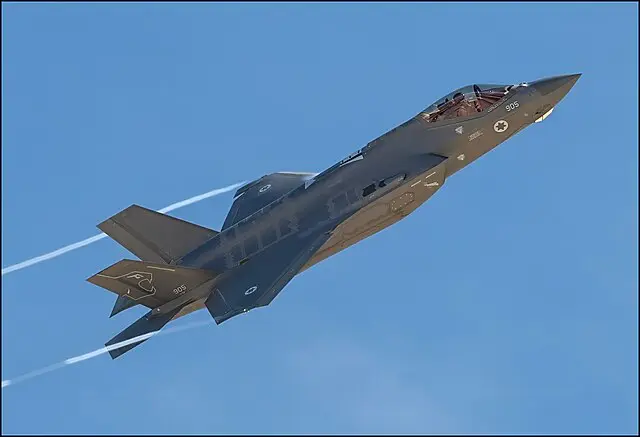
Originally designed mainly as an air superiority fighter and fleet defender, the F-14 later adapted to ground attack roles. The F-35 is built from the start as a multirole fighter, able to conduct air superiority, strike missions, reconnaissance, and electronic warfare, suited for modern integrated battlefields.
Cockpit and Pilot Interface - Analog to Digital
The F-14 cockpit has multiple displays and analog gauges typical of its era. The F-35 features a glass cockpit with a large touchscreen display and a helmet-mounted display system that shows critical flight and targeting information directly on the pilot’s visor, improving reaction time and reducing fatigue.
Production and Operational Status
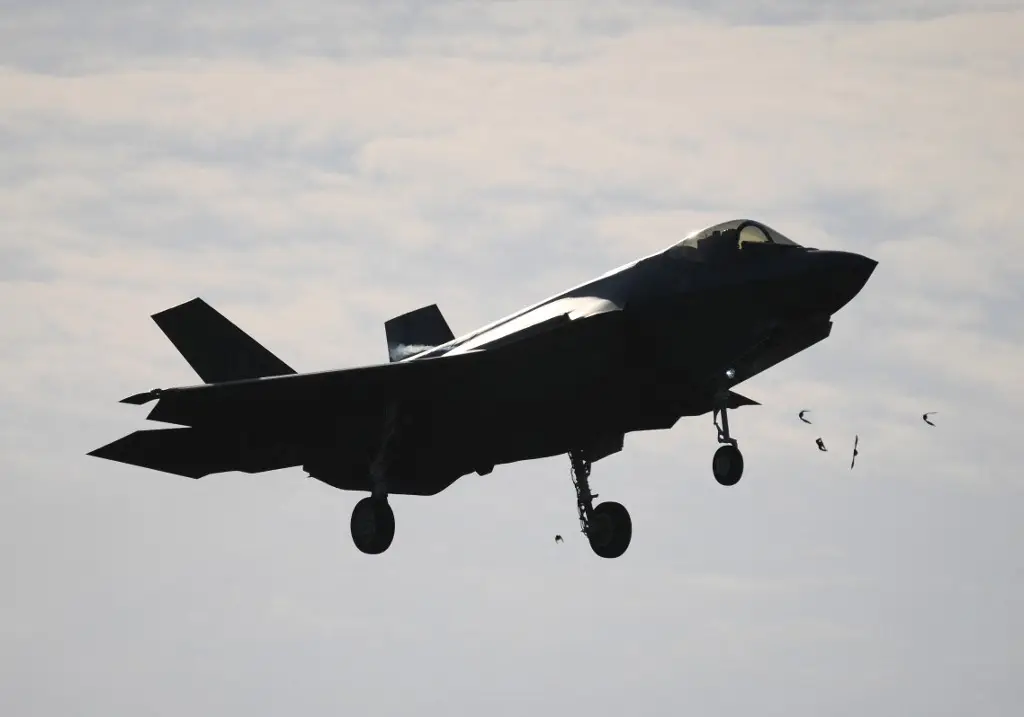
The F-14 was produced from the 1970s until the mid-2000s with over 700 units built. The F-35 began deliveries in 2015 and is still in production, planned to serve many years with multiple countries. It represents the latest in fighter jet design and ongoing technological advances.
)
)
)
)
)