F-22 vs F-117 Nighthawk: How fighter jet stealth evolved since the 1990s

The F-117 Nighthawk revolutionised stealth with its angular design, while the F-22 refined it into speed, connectivity, and dominance. Here’s how stealth technology evolved from invisibility to supremacy. Know more below.
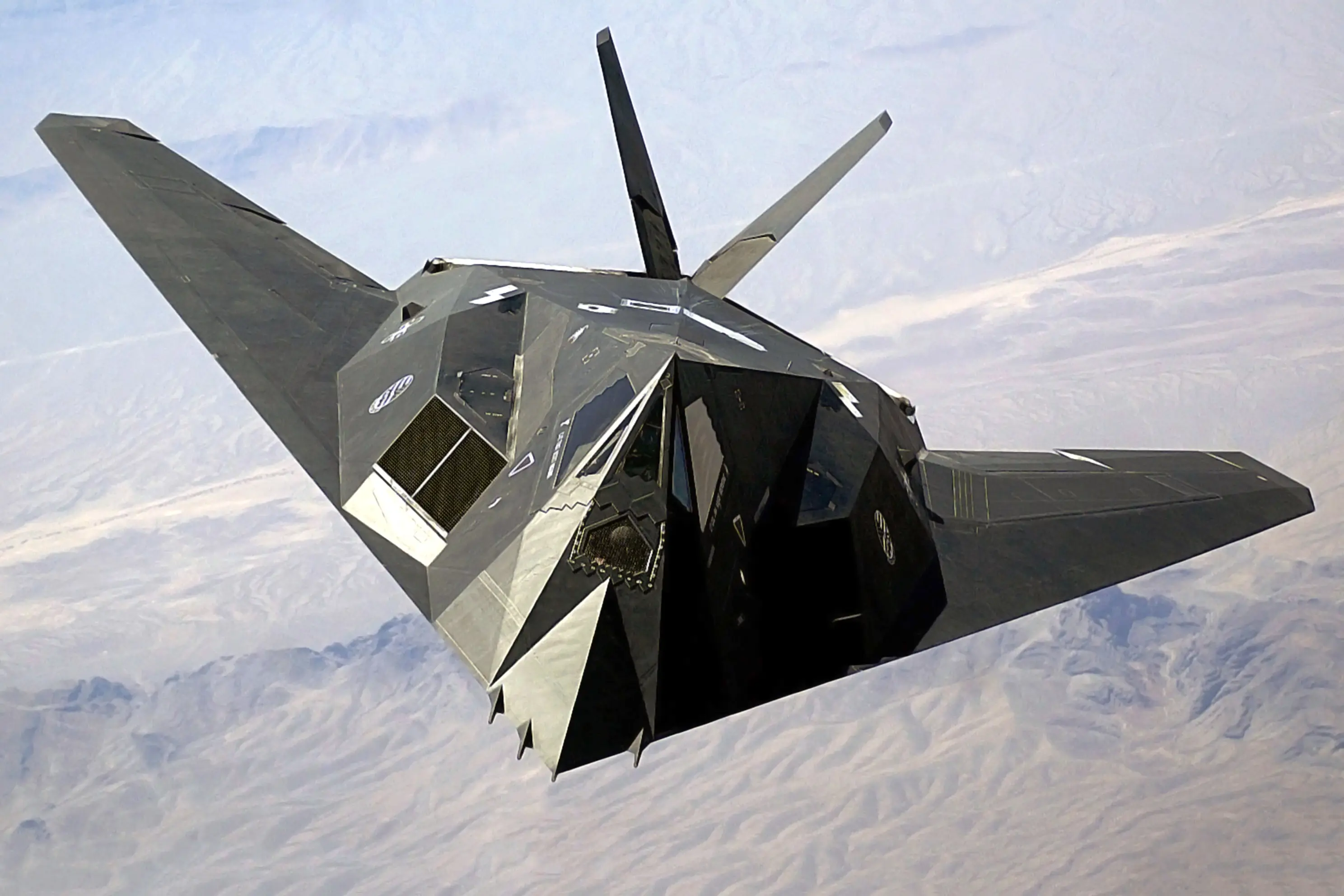
Shape and Design - From Faceted to Smooth Surfaces
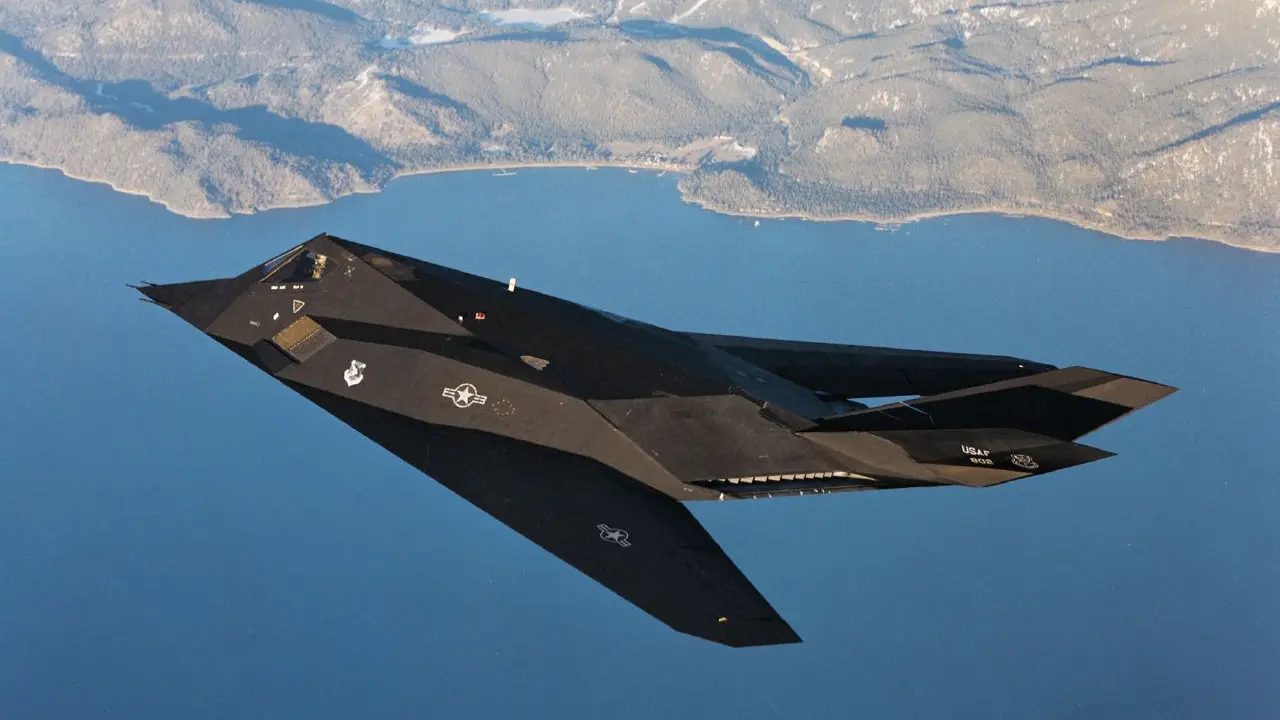
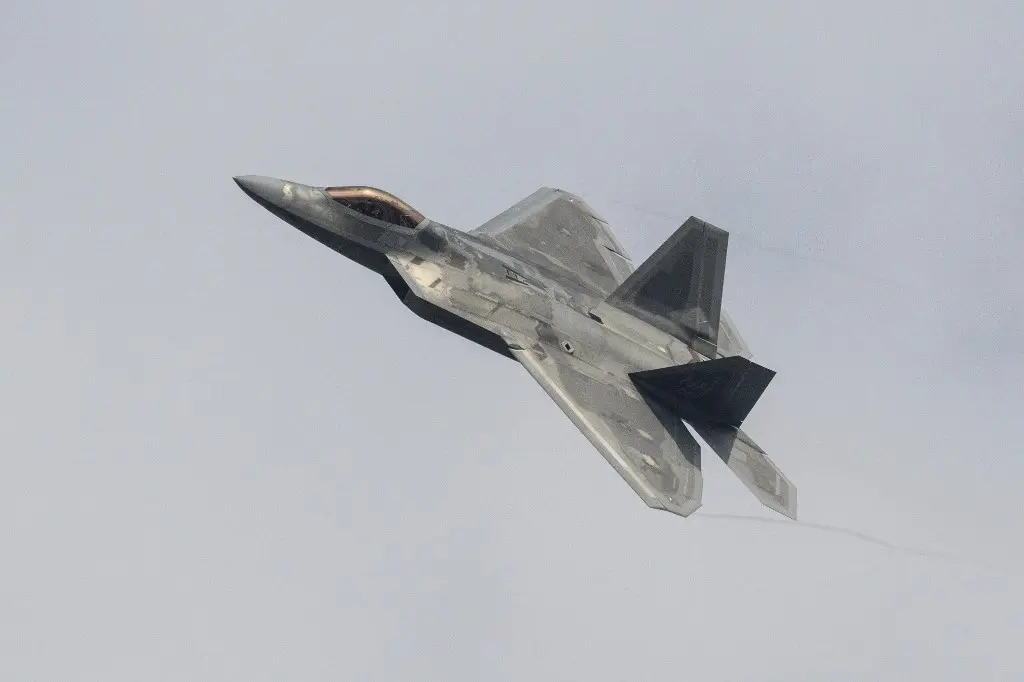
The F-117, first flown in 1981, used flat, faceted panels to scatter radar signals, a method limited by 1970s computing. Its shape looked angular because designers could not calculate radar reflection curves. The F-22, entering service in 2005, used smooth, blended curves thanks to advanced modelling software. According to Lockheed Martin, this reduced its radar cross-section (RCS) to about 0.0001 m², much smaller than the F-117’s 0.001 m².
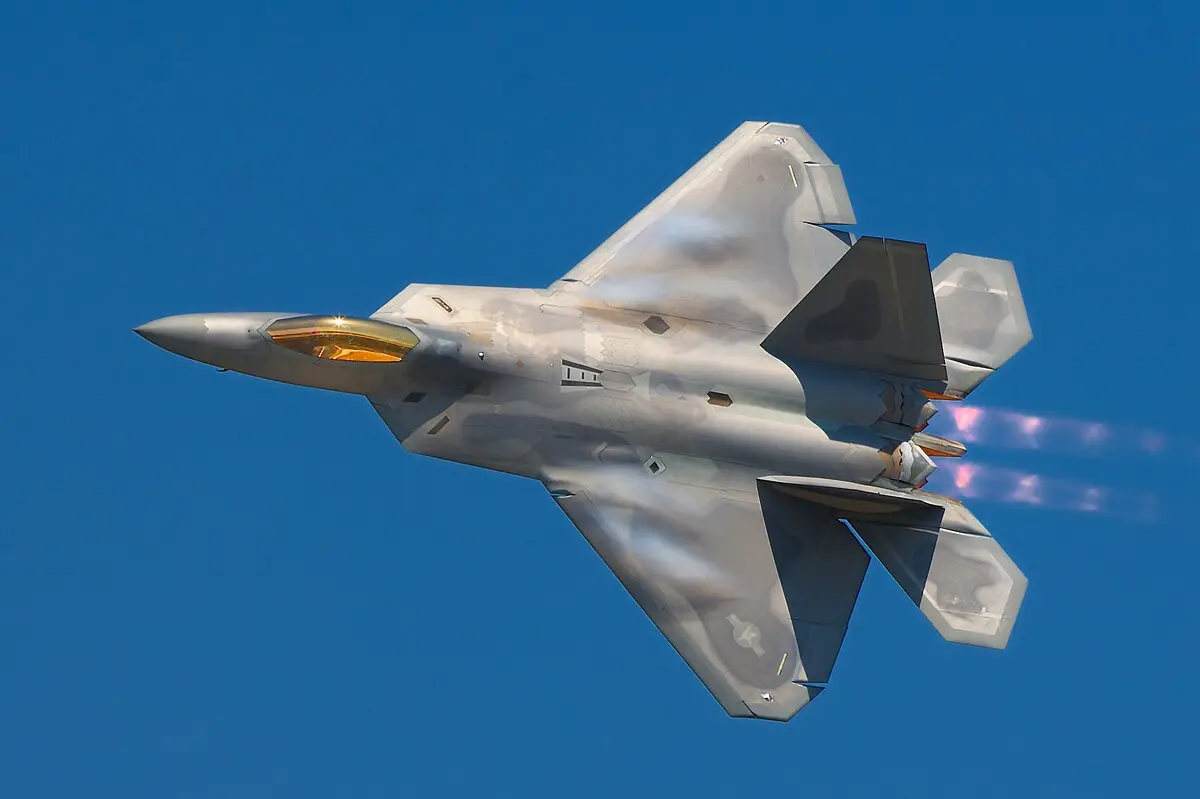
Speed and Performance - From Subsonic to Supersonic
The F-117 was subsonic, reaching top speeds of only Mach 0.92, because breaking the sound barrier increased infrared and radar visibility. In contrast, the F-22 Raptor can supercruise at Mach 1.8 without afterburners and reach over Mach 2.2 at full thrust. Modern stealth materials and design refinements allow the F-22 to combine stealth and high performance, something the F-117 sacrificed for invisibility.
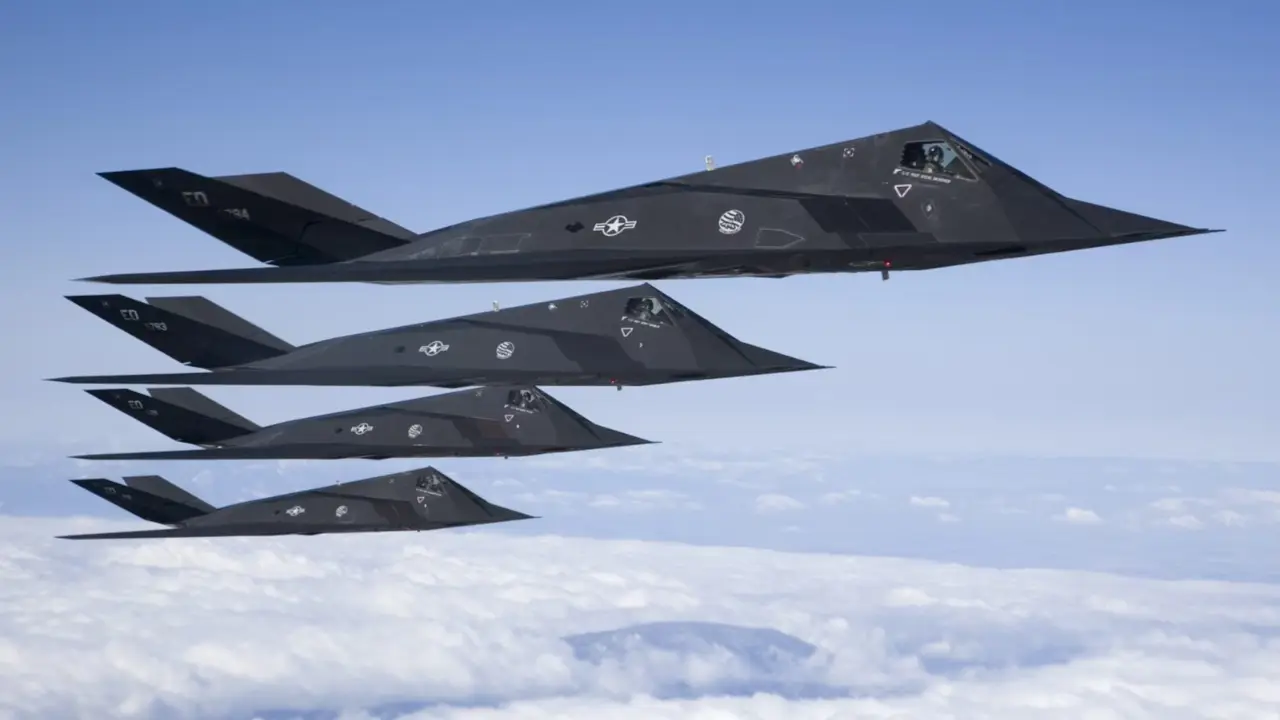
Radar and Sensors - Silent vs Connected
The F-117 carried no onboard radar, as it would compromise its stealth. Missions relied on external targeting data and infrared sensors. The F-22, however, introduced Active Electronically Scanned Array (AESA) radar, giving it situational awareness without exposing its position. It also includes secure datalinks and passive sensors that detect threats without transmitting signals, offering both stealth and battlefield connectivity.
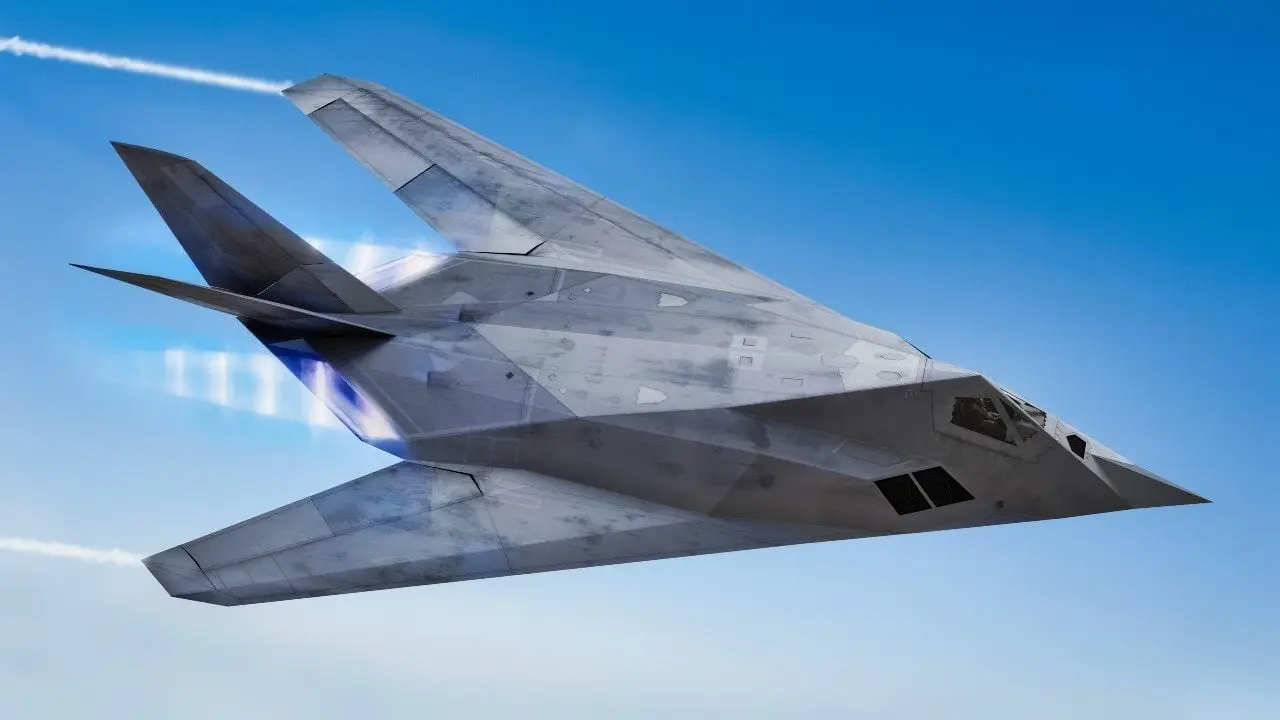
Construction and Coating - Lighter, Stronger, and Smarter
The F-117 used heavy radar-absorbent paint layers weighing almost a tonne, described by Lockheed as “butter-like putty.” Maintenance involved constant reapplication. The F-22 uses advanced composites and radar-absorbing materials (RAM) integrated into the structure itself, cutting maintenance time and cost. The Raptor’s self-healing coatings also allow quick servicing between flights.
Combat Role – Stealth Bomber to Air Superiority Fighter
The F-117 was designed purely for ground attack and could carry only two laser-guided bombs internally. By comparison, the F-22 functions as a multirole stealth fighter, carrying missiles internally for air combat and precision attacks. It combines stealth with unmatched manoeuvrability, thrust vectoring, and advanced avionics, making it more capable in both offensive and defensive operations.
Evolution of Stealth Strategy - From Avoidance to Dominance
The F-117 operated at night, relying on total silence and precision to avoid detection. The F-22’s stealth allows open-air combat during the day. It can track, engage, and escape before enemies even detect it. This evolution shows how stealth shifted from simple radar evasion to complete tactical dominance, integrated with networked warfare and sensor fusion.
)
)
)
)
)