'Photos, evidence and more': Top 7 Epstein file documents already public and what they actually show

Thousands of pages of Epstein-related materials have already been made public in earlier court releases, FOIA records, and civil filings. Here’s a factual breakdown of the major public documents and what each source actually reveals based on what is officially available.
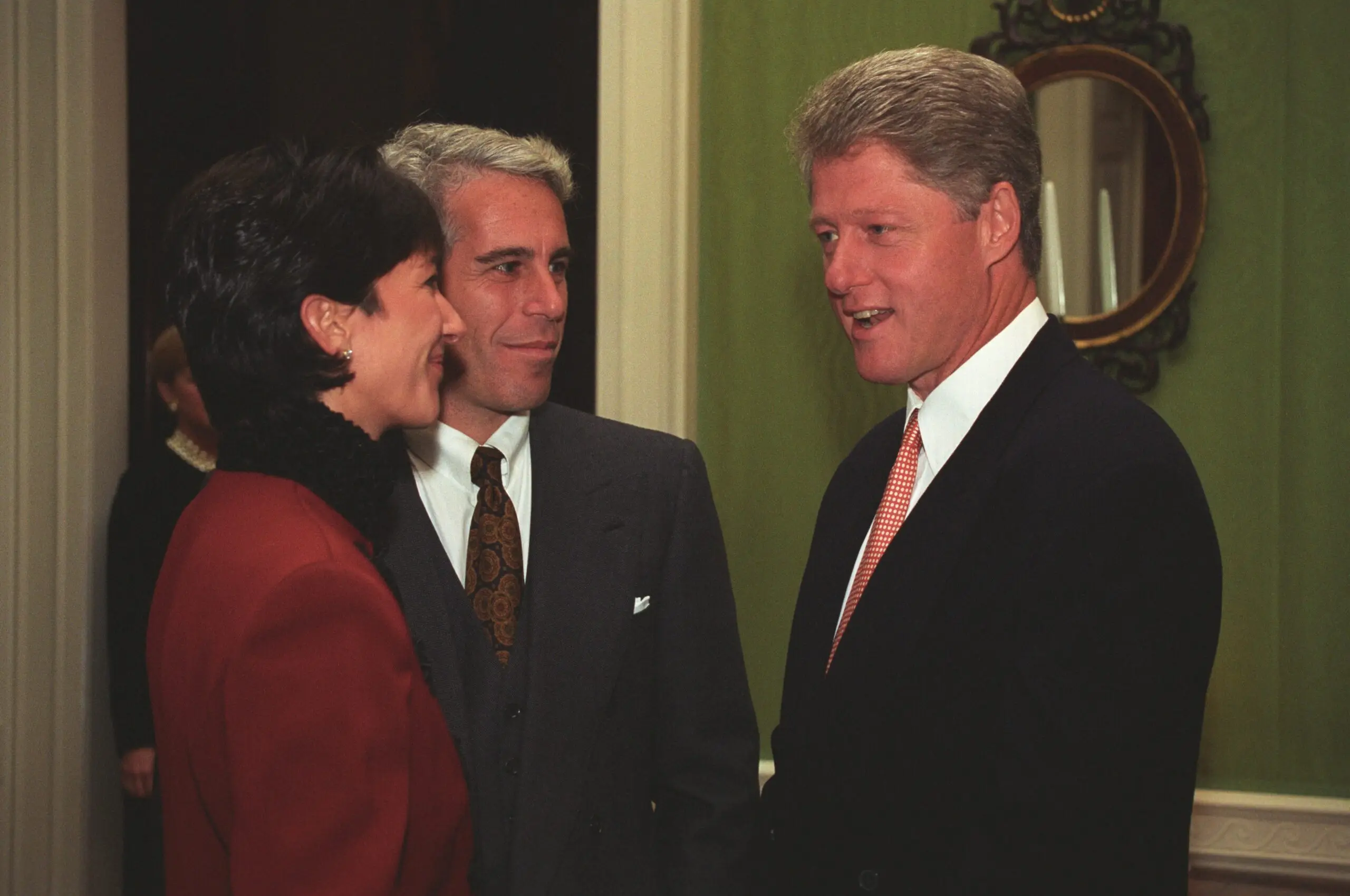
1. Court Documents From the Giuffre v. Maxwell Civil Case (2015–2017)
These documents include motions, affidavits, depositions, and exhibits from Virginia Giuffre’s defamation lawsuit against Ghislaine Maxwell. They reveal sworn statements from victims, staff members, and Maxwell, forming the most substantial publicly available record of allegations and responses made under oath.
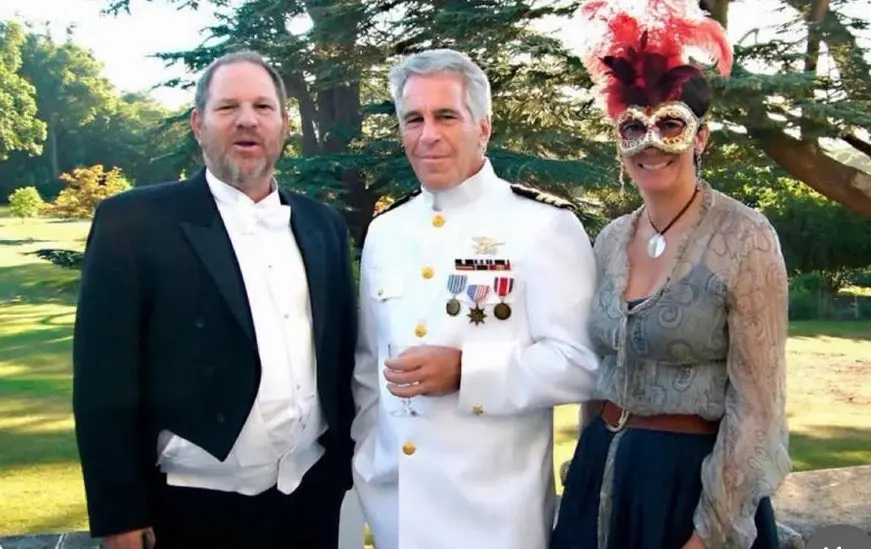
2. FBI 302 Reports and Search Warrant Returns (2005–2019)
Public filings from the Palm Beach investigation and later federal probes include police interviews, detective summaries, and items seized from Epstein’s properties. These documents outline evidence collected by law enforcement from hard drives and CDs to contact books and surveillance equipment, without interpreting any of it.
3. Flight Logs From Epstein’s Pilots Filed in Civil Cases
Pilot-signed flight manifests entered into court as exhibits list dates, routes, aircraft crews, and passenger names. These records verify who flew on which aircraft and when, but they do not suggest wrongdoing or provide any context beyond standard aviation documentation.

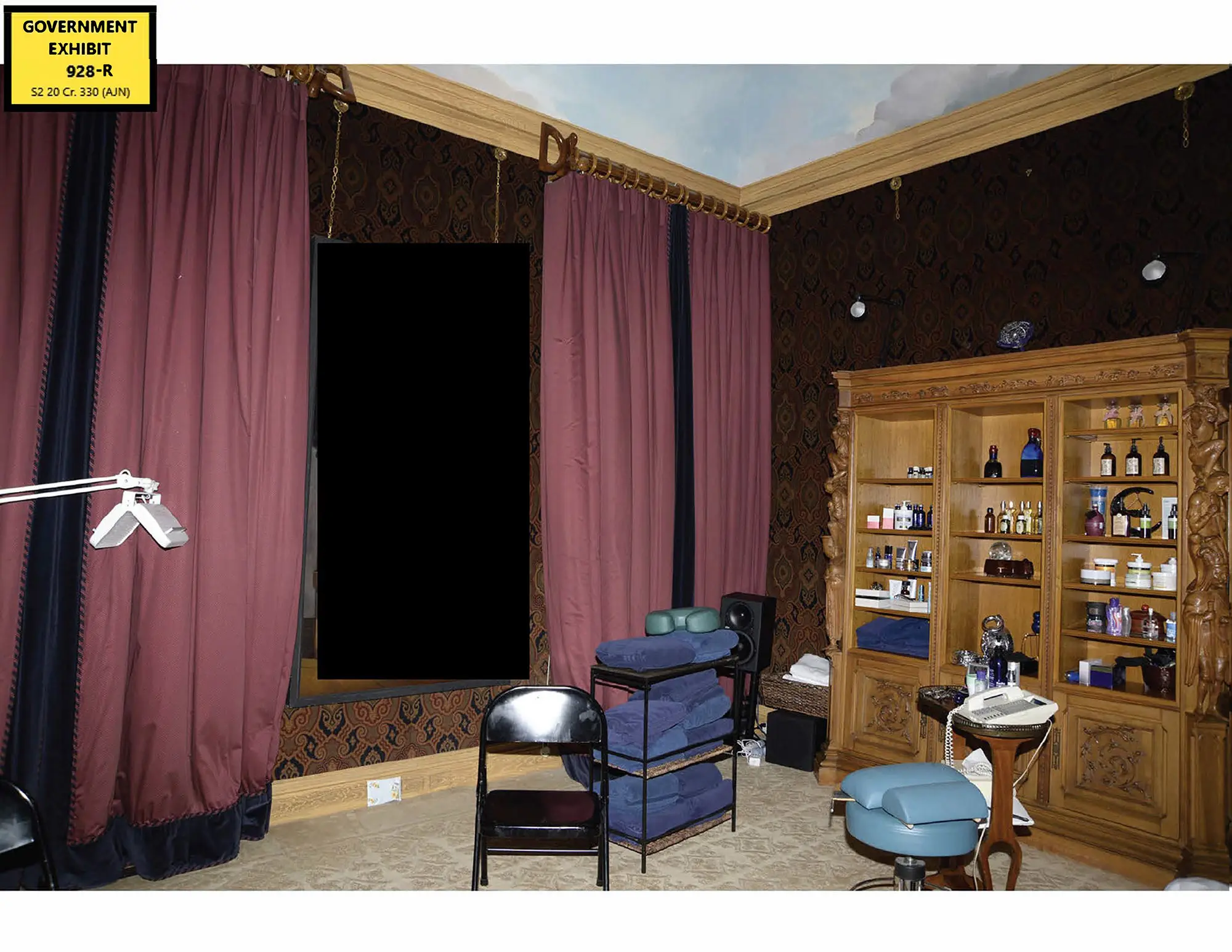
4. Property Search Photos and Evidence Catalogues (2019)
The 2019 New York and Florida raids produced images and item lists that were filed publicly in federal court. These include room layouts, safes, documents, identification cards, and electronics recovered from Epstein’s properties. They map out how investigators documented the physical spaces during the federal case.
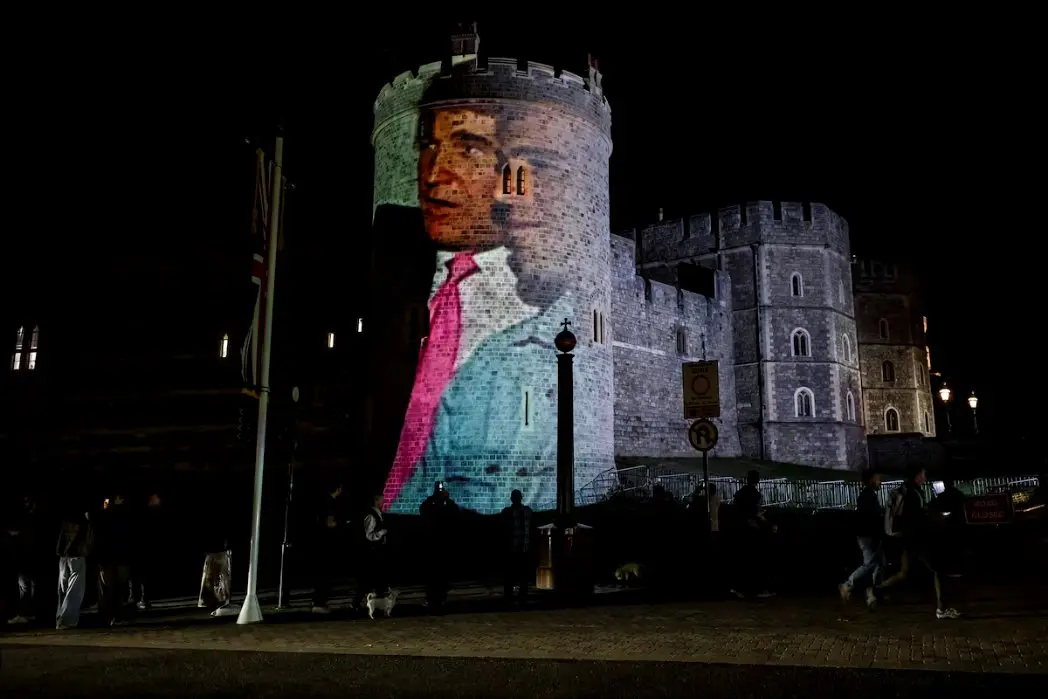
5. Department of Justice and BOP Reports on Epstein’s Detention
Public DOJ Inspector General summaries and Bureau of Prisons filings detail staffing failures, camera malfunctions, and protocol lapses at the Metropolitan Correctional Center. These official documents explain what federal investigators confirmed about Epstein’s time in custody.

6. Plea Deal Documents From the 2008 Florida Case
The 2008 non-prosecution agreement, victim notifications, prosecution memos, and court filings related to the Palm Beach case are publicly available. They reveal how the plea deal was negotiated, why certain charges were dropped, and which federal offices approved the agreement.

7. Civil Lawsuits Filed by Victims in New York and the Virgin Islands
Numerous civil filings, especially the US Virgin Islands case against Epstein’s estate, include bank records, wire transfers, property listings, staff testimonies, and internal emails. These documents outline how his businesses, trusts, and staff operations functioned, based solely on evidence disclosed during litigation.
8. Ghislaine Maxwell’s Trial Exhibits (2021)
The Maxwell criminal trial released a set of exhibits, including flight logs, photos, contact lists, and witness testimonies. These materials provide a structured legal narrative of Epstein’s operations as presented by federal prosecutors, all reviewed and admitted by the court.
)
)
)
)
)