Engine resilience: Can a B-52 bomber fly with one engine out?

The B-52 can easily fly with an engine out, proven in 2017 when one detached mid-flight. It keeps its eight-engine layout because a four-engine setup would cause lethal asymmetric thrust if one failed.

The Eight-Engine Layout
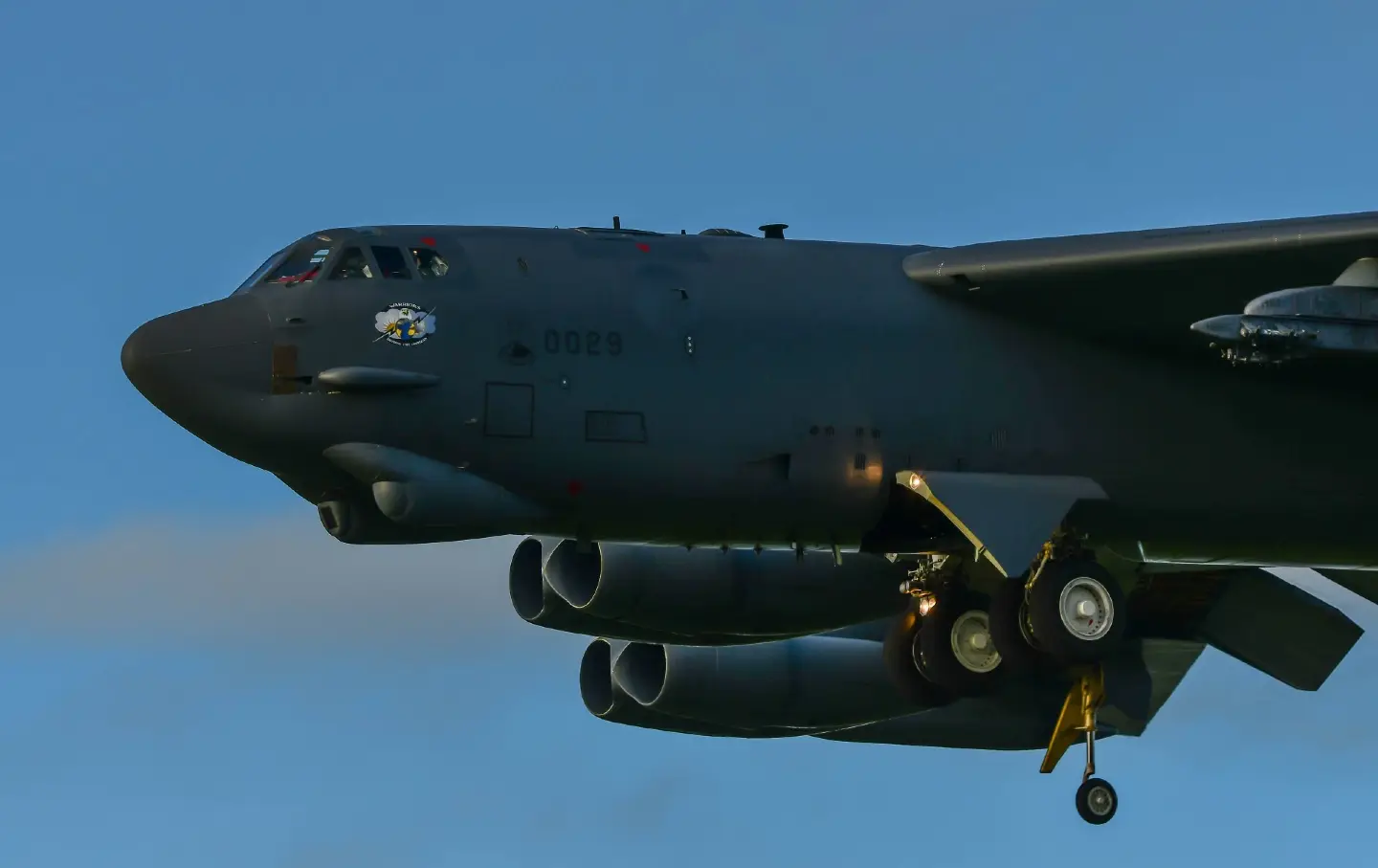
Built in the 1950s, the Boeing B-52 Stratofortress features a massive eight-engine configuration. It relies on this multi-engine layout simply because early jet engines lacked the raw thrust to independently lift the heavy bomber.

Losing an Engine
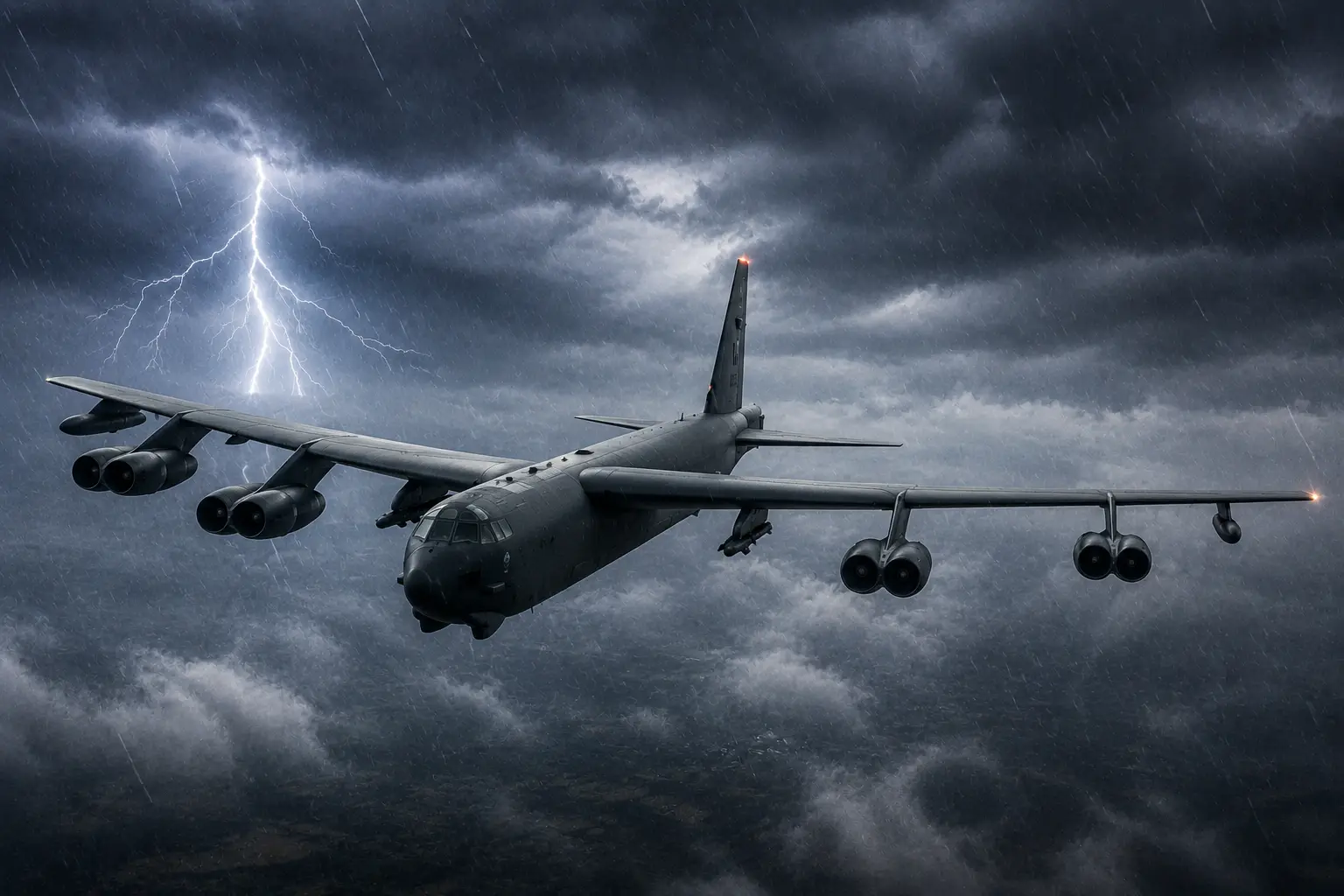
The B-52 can easily survive losing a single engine mid-flight. In 2017, an entire TF33 engine completely detached and fell off a B-52 during a training flight, yet the pilot safely landed the aircraft on the remaining seven engines.
Pushing the Limits
Due to its unmatched redundancy, the heavy bomber can technically lose up to four engines and still remain airborne. However, safely flying with half its power depends heavily on the aircraft's weight, payload, and the specific phase of flight.

The Asymmetric Threat
Losing engines becomes incredibly dangerous if the failures occur on only one side of the aircraft. This creates severe asymmetric thrust, violently pulling the nose toward the dead engines and fighting the pilot's ability to fly straight.
Why Not Four Engines?
Engineers have repeatedly proposed upgrading the B-52 with four massive modern high-bypass airline engines. However, the US Air Force consistently rejected this idea due to the sheer structural danger it poses to the vintage airframe.

The Rudder Problem
If a four-engine B-52 lost a single massive engine, the resulting asymmetric thrust would be violently uncontrollable. The bomber's existing tail rudder simply lacks the physical surface area required to counter such extreme yawing drag.

The Eight-Engine Future
To solve this, the upcoming B-52J upgrade programme will strictly maintain the classic eight-engine layout. By installing eight modern Rolls-Royce F130 turbofans, the US military ensures the bomber flies safely without risking deadly structural redesigns.
)
)
)
)
)