'Engine by alien people': Scientists discover a Manhattan-sized cosmic object emitting its own light

The glow was concentrated rather than spread out, puzzling scientists who expected a typical comet-like reflection.
A mysterious visitor in the solar system
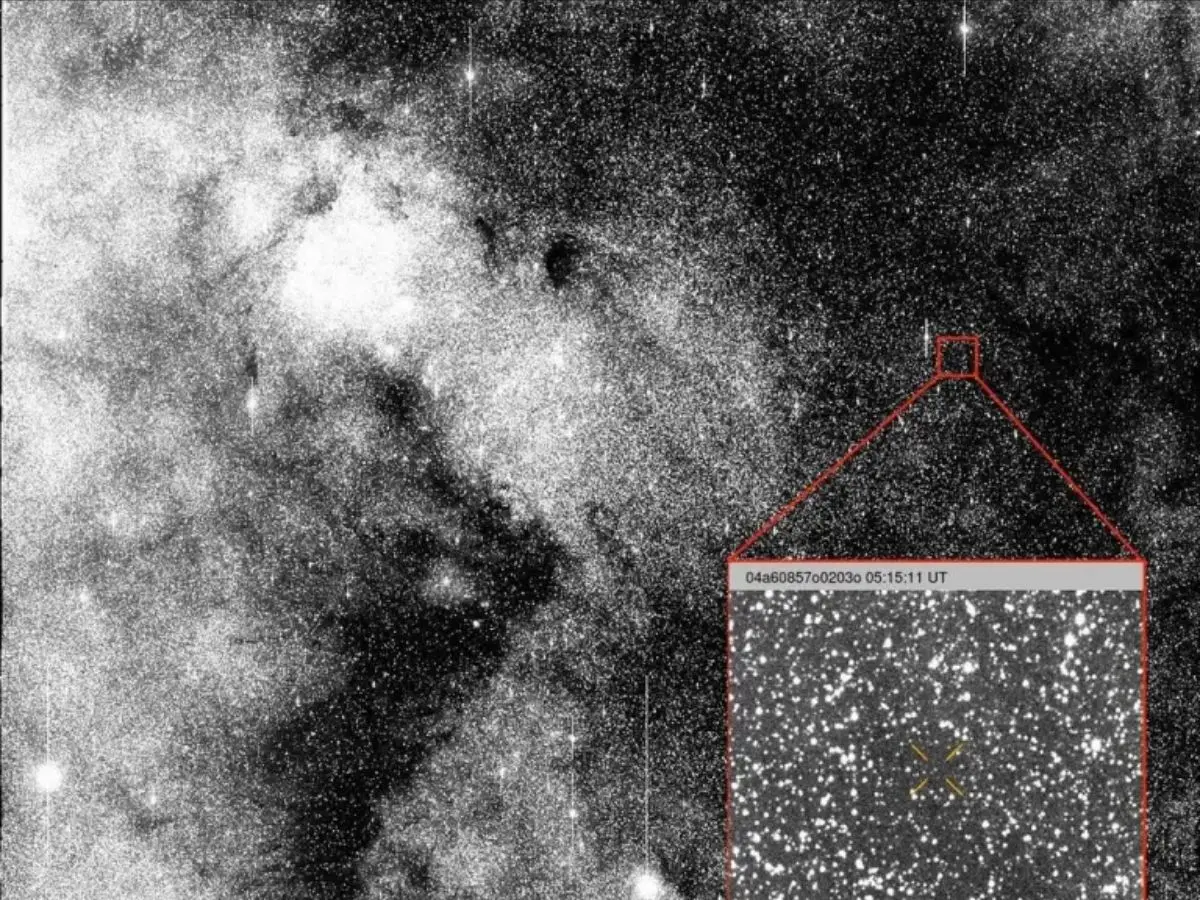
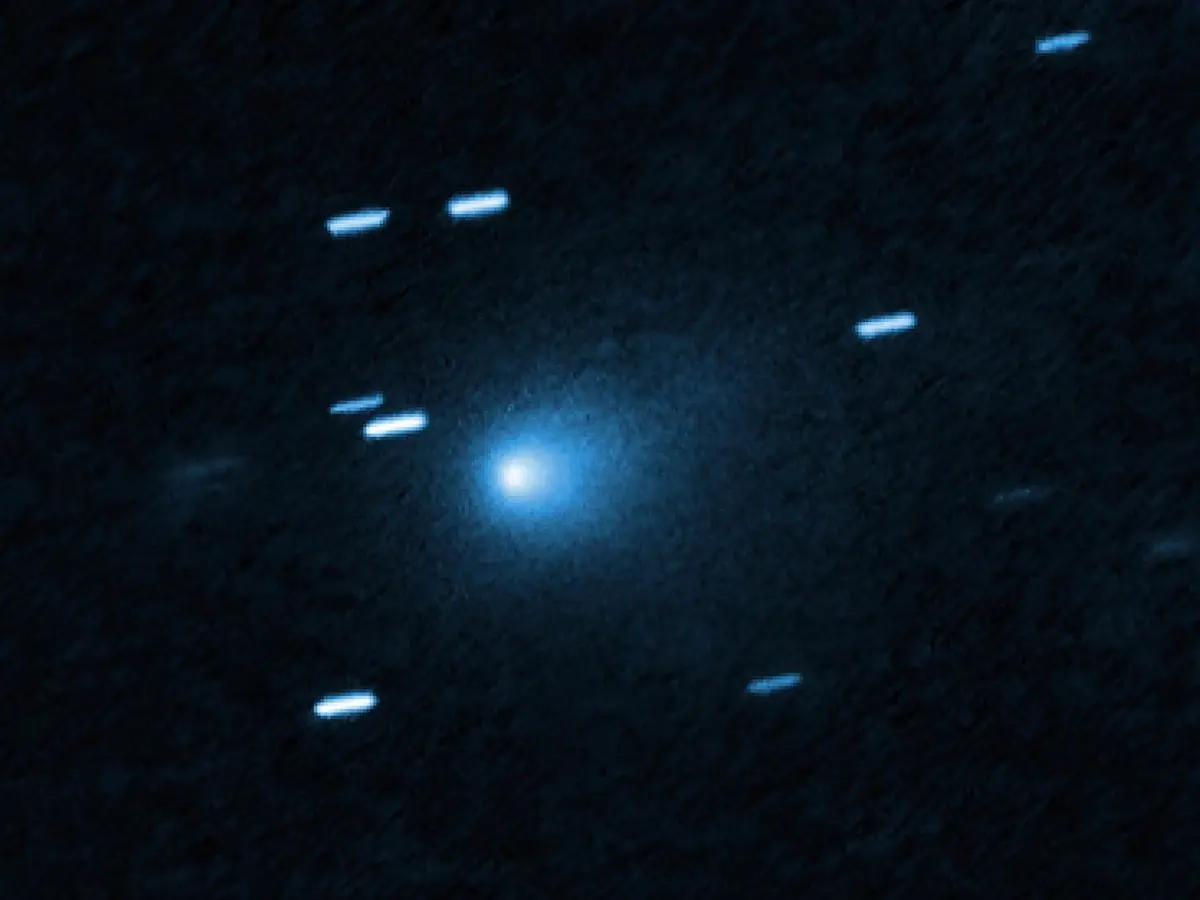
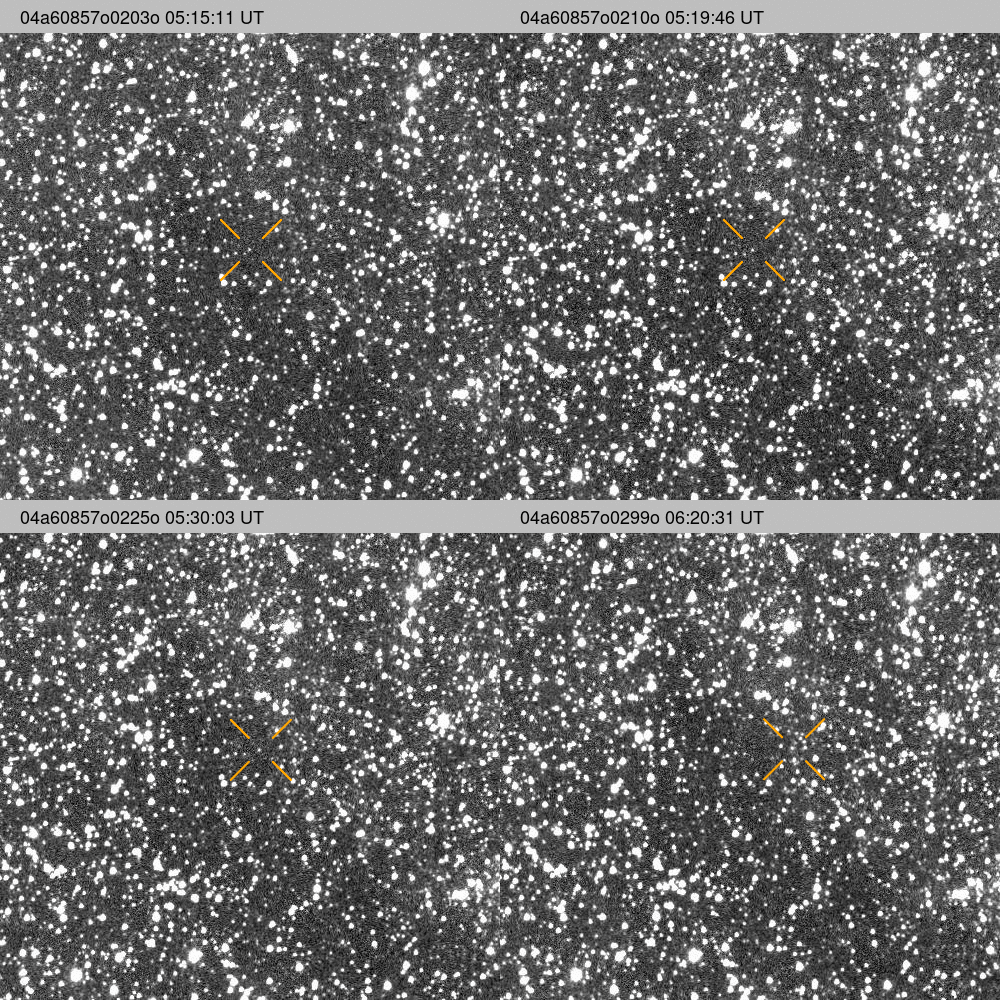
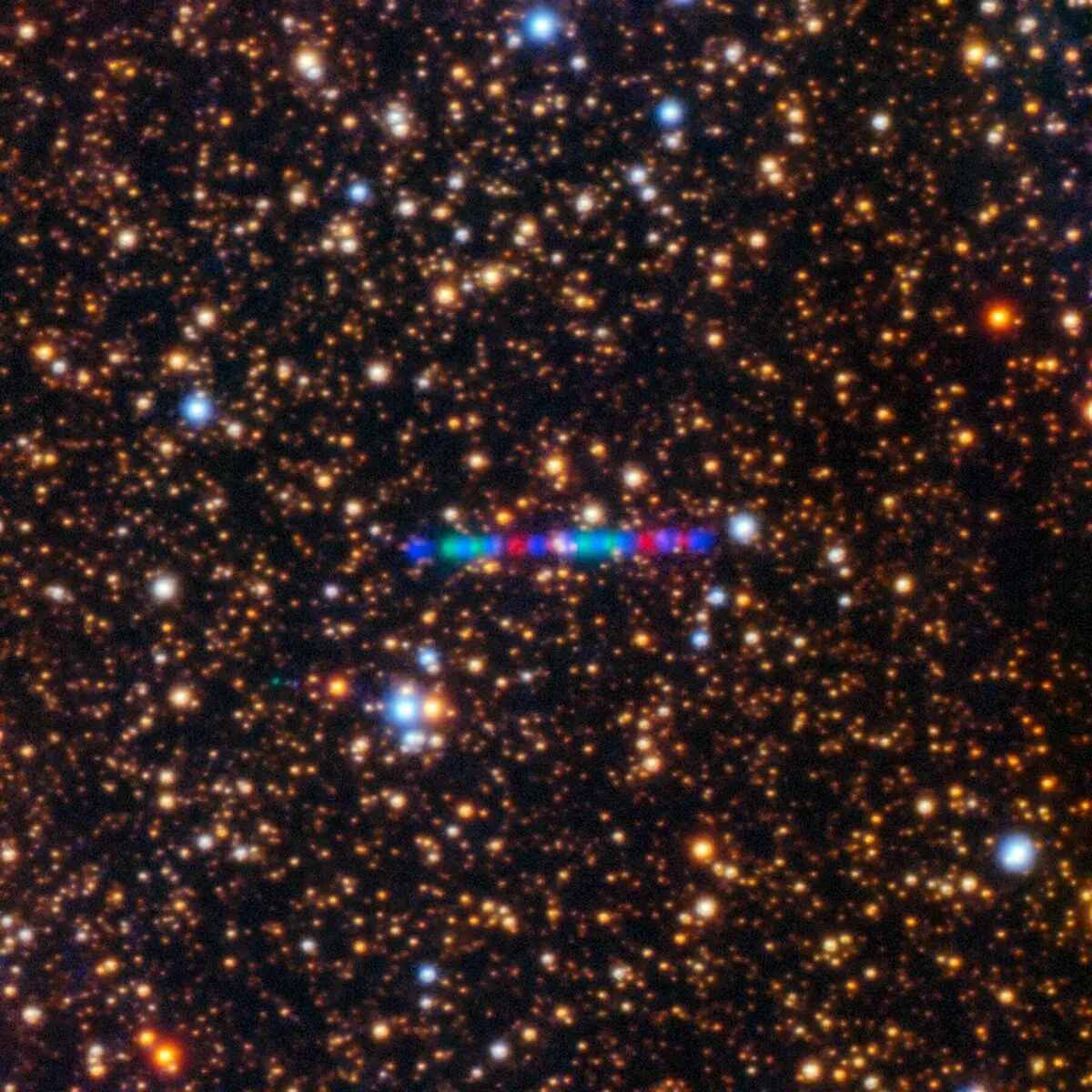
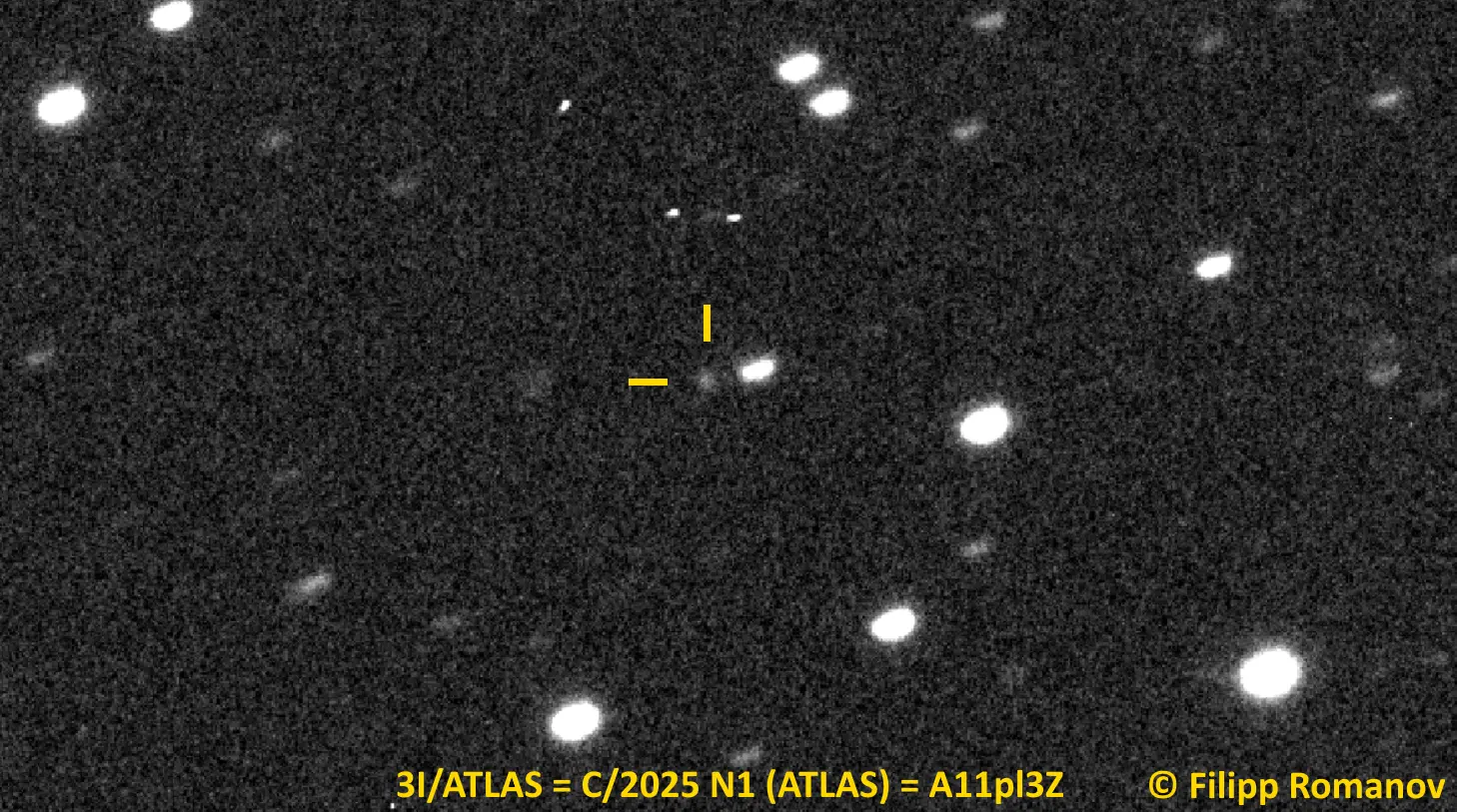
An interstellar object designated 3I/ATLAS is racing through the inner solar system and raising serious questions among astronomers. First detected earlier this year, the US's Manhattan-sized body is unlike any comet or asteroid previously tracked. On July 21, a Hubble Space Telescope image appeared to show the object glowing on the side facing the Sun. The glow was concentrated rather than spread out, puzzling scientists who expected a typical comet-like reflection.
Light that should not be there
Harvard astrophysicist Avi Loeb argues that 3I/ATLAS may not simply be reflecting sunlight but could be generating its own light source. In his recent analysis, Loeb compared the phenomenon to a vehicle switching on its headlights. The brightness decreases sharply with distance from the object, unlike comets where light usually disperses more evenly. If confirmed, the observation would directly contradict NASA’s current classification of 3I/ATLAS as a large comet roughly 12 miles long.
A smaller, stranger object?
Loeb and colleague Eric Keto have proposed that if 3I/ATLAS is producing its own glow, its size might have been overestimated. Instead of spanning miles, it could be as short as 300 feet, with the intensity of the light misleading telescopic measurements. This would place it closer in scale to the first known interstellar traveller, ‘Oumuamua, which passed through the solar system in 2017 and also defied conventional explanations.
Natural or artificial origins
Speculation has turned to what could be powering such light. Loeb has suggested possibilities ranging from a rare fragment of a supernova core rich in radioactive elements, to a nuclear-powered engine created by an intelligent civilisation. '3I/ATLAS could be a spacecraft powered by nuclear energy, and the dust emitted from its frontal surface might be from dirt that accumulated on its surface during its interstellar travel,' Loeb wrote in a statement according to Daily Mail. He admits both ideas are unlikely but argues they cannot yet be dismissed. Normal cometary activity, dust and gas evaporating under solar heat, does not fit the unusual dimming pattern. Nor does the absence of a visible coma, which is expected around comets.
An unusual path through the planets
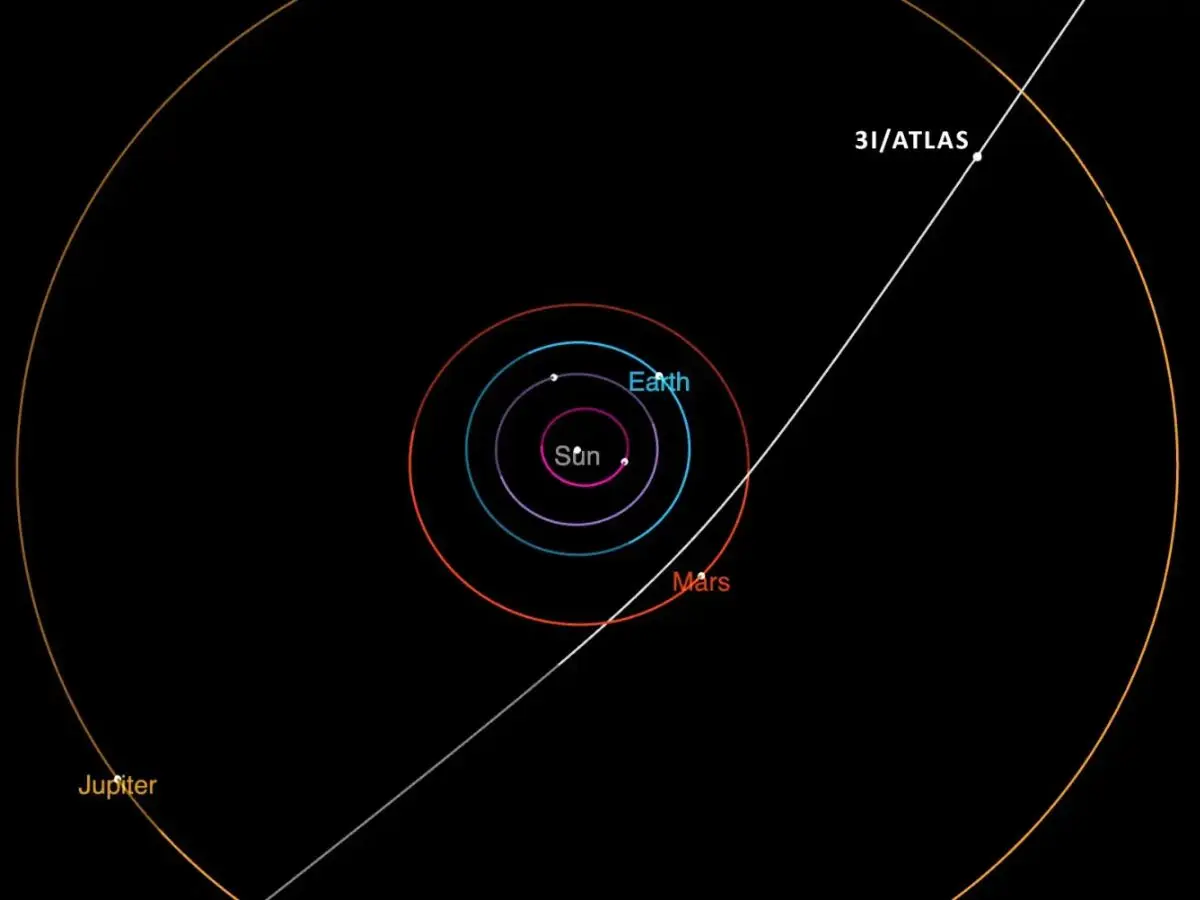
Adding to the mystery is the object’s trajectory. 3I/ATLAS is set to pass unusually close to Venus, Mars and Jupiter on its way through the solar system. Loeb notes the statistical chance of a natural rock following such a precise course is extremely small, less than 0.005 per cent. This echoes his earlier claims about ‘Oumuamua, which accelerated without any obvious gravitational cause, fuelling theories of artificial origin. Loeb also proposed that the object’s core could function as an engine built by an extraterrestrial civilisation, according to the New York Post.
Preparing for closer inspection
The object will make its closest pass to Earth on 17 December, coming within 17 million miles. Loeb has called for NASA to task the Mars Reconnaissance Orbiter’s HiRISE camera with photographing it during an earlier close pass near Mars in October, as well as for Juno, orbiting Jupiter, to attempt observations next spring. Better images may finally determine whether 3I/ATLAS is an ordinary space rock or something more extraordinary.
A cautious scientific debate
For now, NASA maintains that 3I/ATLAS is a comet. Loeb, however, points out that even professional agencies have misclassified objects before, such as mistaking Elon Musk’s Tesla Roadster for an asteroid. Until more data is gathered, the question of whether 3I/ATLAS is a natural interstellar fragment or evidence of alien technology remains unresolved, but scientists agree that it represents one of the most intriguing astronomical mysteries in recent years.
)
)
)
)
)