Ebola outbreak worries WHO over ‘scale and speed’: What do we know about the Bundibugyo strain?

Health authorities have reported 516 suspected cases and 33 confirmed infections in the DRC, alongside two confirmed cases in Uganda. WHO Director-General Tedros Adhanom Ghebreyesus has expressed deep concern over the rapid spread.

WHO declares global health emergency as Ebola spreads in DRC and Uganda
The World Health Organization has raised alarm over a fast-moving Ebola outbreak in the Democratic Republic of Congo and Uganda, declaring it a public health emergency of international concern due to its 'scale and speed'. Reuters reported that 26 additional suspected deaths were recorded in 24 hours in eastern DRC, bringing total fatalities linked to the outbreak to 131. Health authorities have reported 516 suspected cases and 33 confirmed infections in the DRC, alongside two confirmed cases in Uganda. WHO Director-General Tedros Adhanom Ghebreyesus has expressed deep concern over the rapid spread.
Spread and frontline transmission risk
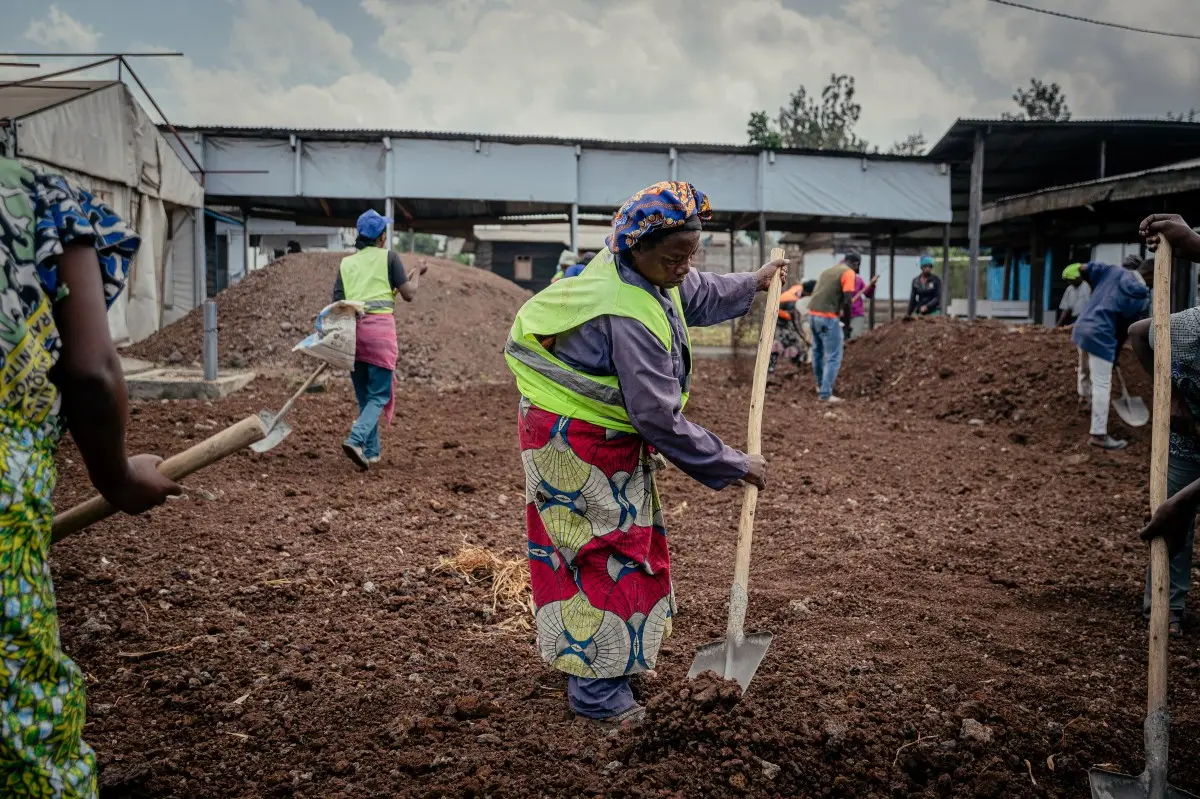
The outbreak remains concentrated in eastern DRC, with spillover into neighbouring Uganda. Health officials say transmission is being driven by close human contact, particularly in high-risk settings such as households and healthcare facilities. The US has also reported infection of a medical worker in the region, highlighting risks faced by frontline staff during containment efforts.
What is the Bundibugyo Ebola strain?
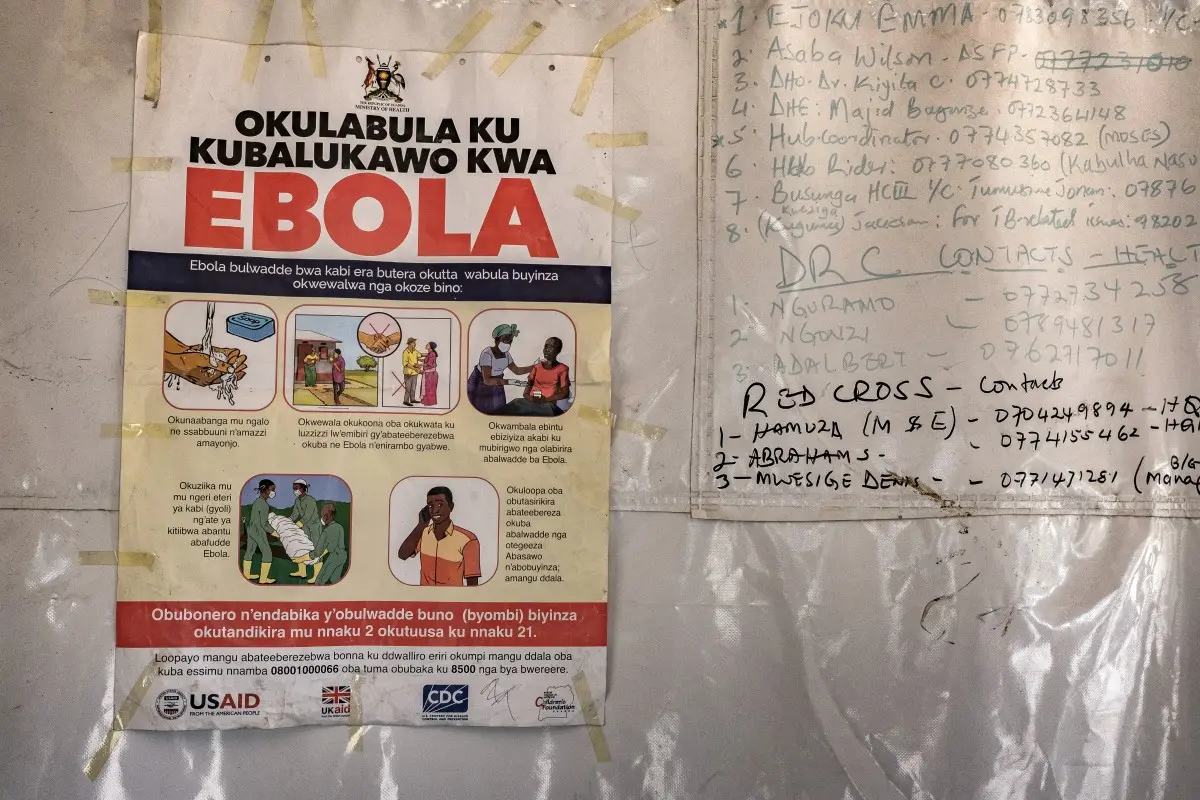
The current outbreak is caused by the Bundibugyo strain of Ebola, first identified in Uganda’s Bundibugyo province during 2007–2008, with a second outbreak recorded in 2012 in the DRC. It is one of four known species in the ebolavirus genus and spreads through direct contact with infected bodily fluids or contaminated objects. WHO notes that symptoms begin with fever, fatigue, muscle pain, headache and sore throat, progressing to vomiting, diarrhoea, and in severe cases, internal and external bleeding and multi-organ failure.
Fatality rate and comparison with other strains
According to global studies cited in 2024, Bundibugyo Ebola has a fatality rate of 30 per cent to 40 per cent. This is significantly lower than the Zaire strain, which can cause death in up to 90 per cent of cases. Despite being less lethal, experts warn its outbreak potential remains serious due to transmission patterns and limited medical countermeasures.
No approved vaccine or treatment yet
There are currently no approved vaccines or antiviral drugs specifically for the Bundibugyo strain. Experimental candidates such as Merck’s Ervebo, Mapp Biopharmaceutical’s MBP 134 and Auro Vaccines’ VesiculoVax have shown promise in trials. Some early-stage research, including a Chinese mRNA vaccine tested in mice, has also shown potential but has not yet reached advanced testing stages.
How Bundibugyo differs from other Ebola strains
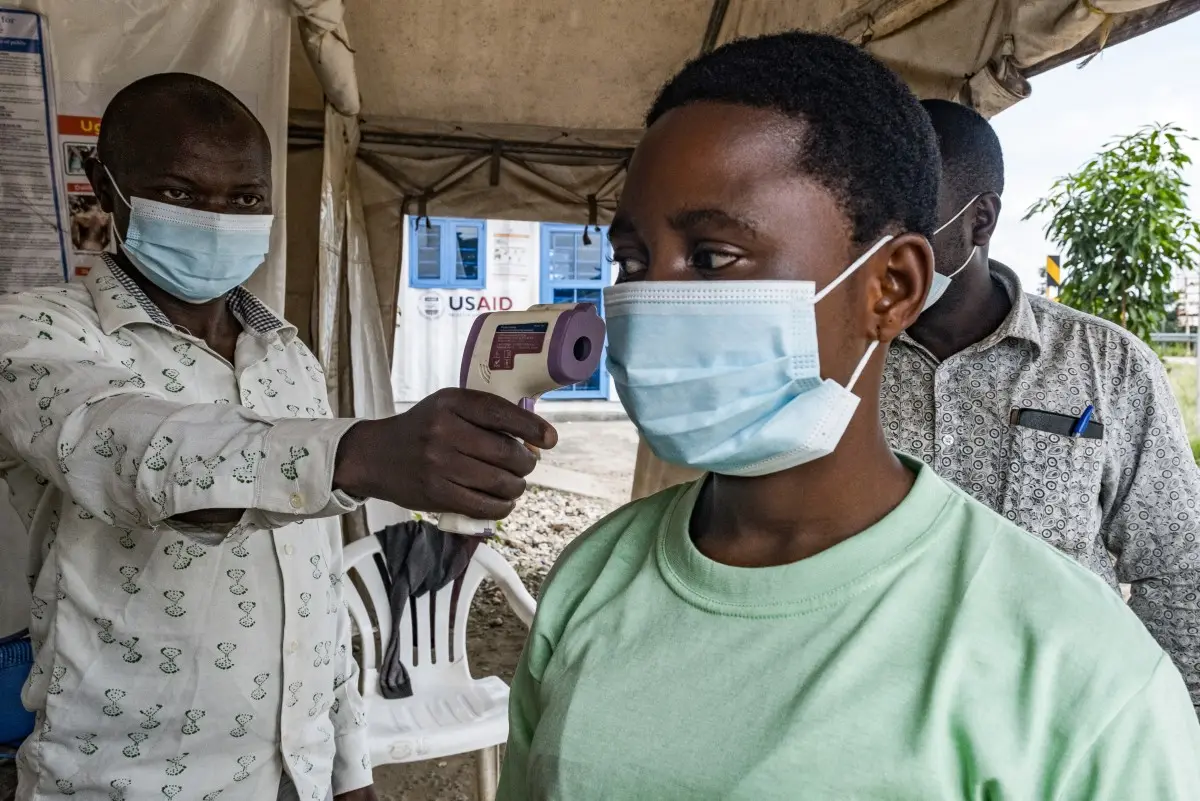
Genetic differences between Bundibugyo and other ebolaviruses affect how the virus spreads, how it is detected, and how severe it becomes. Compared to the Zaire strain, which replicates rapidly and reaches high viral levels in the body, Bundibugyo spreads more slowly and takes longer to overwhelm the immune system. Both strains have a similar incubation period of around 8 to 10 days, sometimes up to three weeks. However, Bundibugyo tests are not widely used, and early standard testing in the current outbreak initially failed to detect infections.
Limitations
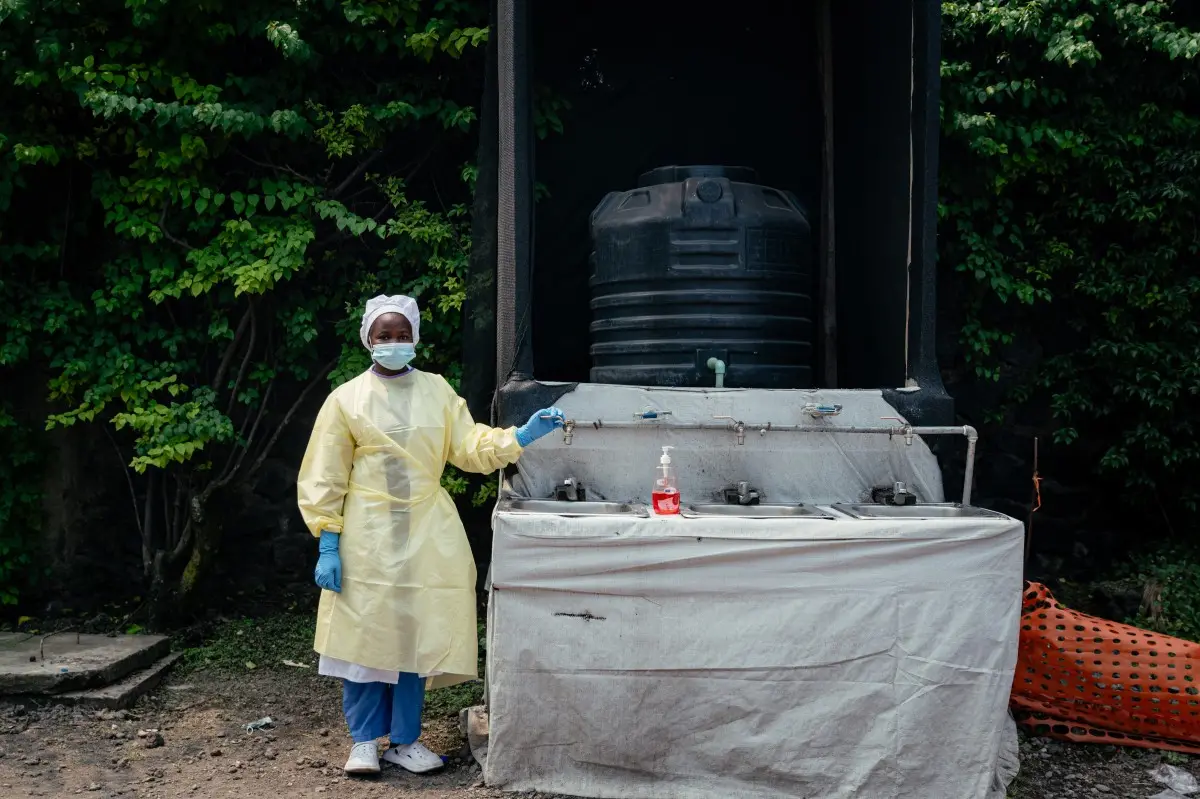
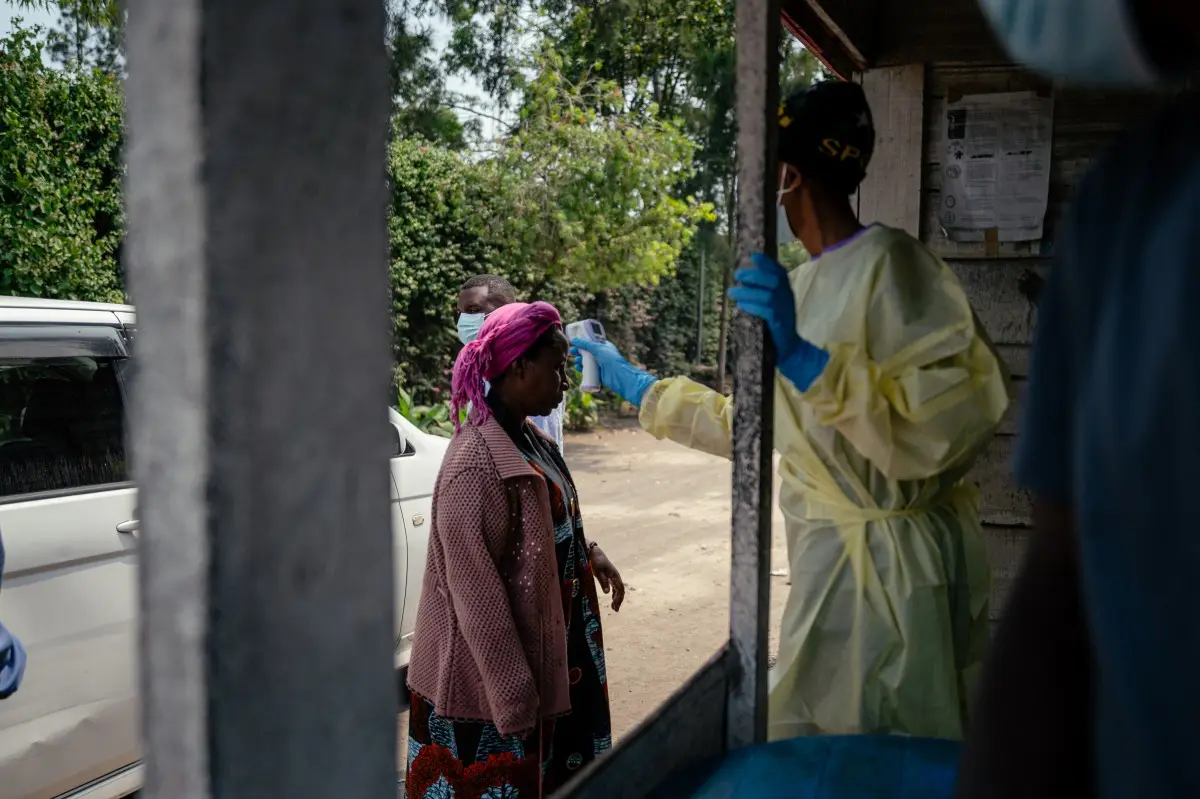
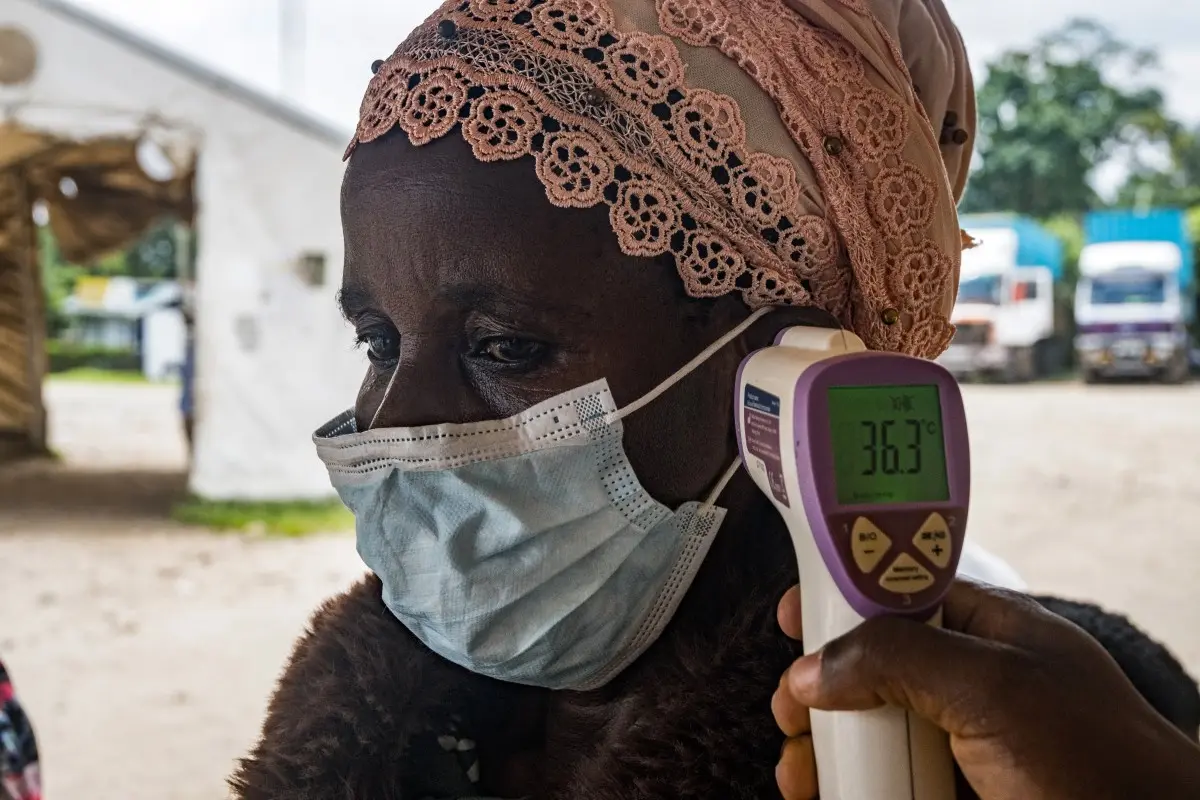
Testing limitations have slowed early response efforts. “Because early tests looked for the wrong strain of Ebola, we got false negatives and lost weeks of response time,” Dr Matthew Kavanagh of Georgetown University told Reuters. Health experts stress that containment depends on rapid detection, isolation, contact tracing and safe burials, measures that were key during the 2014–2016 West Africa Ebola epidemic.
Global response and travel warnings
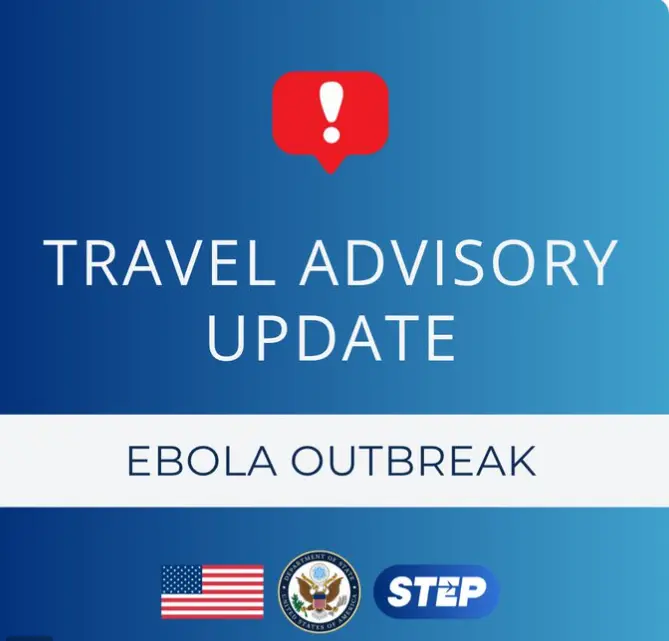
The US State Department has issued Level 4 ‘Do Not Travel’ advisories for the DRC, South Sudan and Uganda, and urged caution for neighbouring regions. WHO has warned that without swift containment, outbreaks of this nature can escalate quickly, particularly in areas with fragile healthcare infrastructure.
)
)
)
)
)