Does petrol have an expiry date?

Do you know petrol has a shelf life? Leaving fuel sitting unused for a few months can cause chemical changes that might harm your engine. Know how long it can last, and why it degrades.
Does petrol have an expiry date?
Petrol can lose its effectiveness and evaporate chemicals over months or years if stored improperly or for long periods. The volatile compounds that make petrol burn efficiently break down over time. You might park your car for several months or keep a spare can in the garage for emergencies. But does the fuel inside actually go off? The simple answer is yes. Petrol is a chemical mixture and it does not last forever. It begins to degrade from the moment it leaves the refinery.
The Lifespan of Petrol
Petrol does not have a fixed "best before" date printed on the pump. However, motoring organisations like the RAC suggest that standard petrol generally has a shelf life of around three to six months if stored properly in a sealed container. If it is left sitting in a car tank, it may degrade even faster due to temperature fluctuations and exposure to air.
The science of degradation: Oxidation
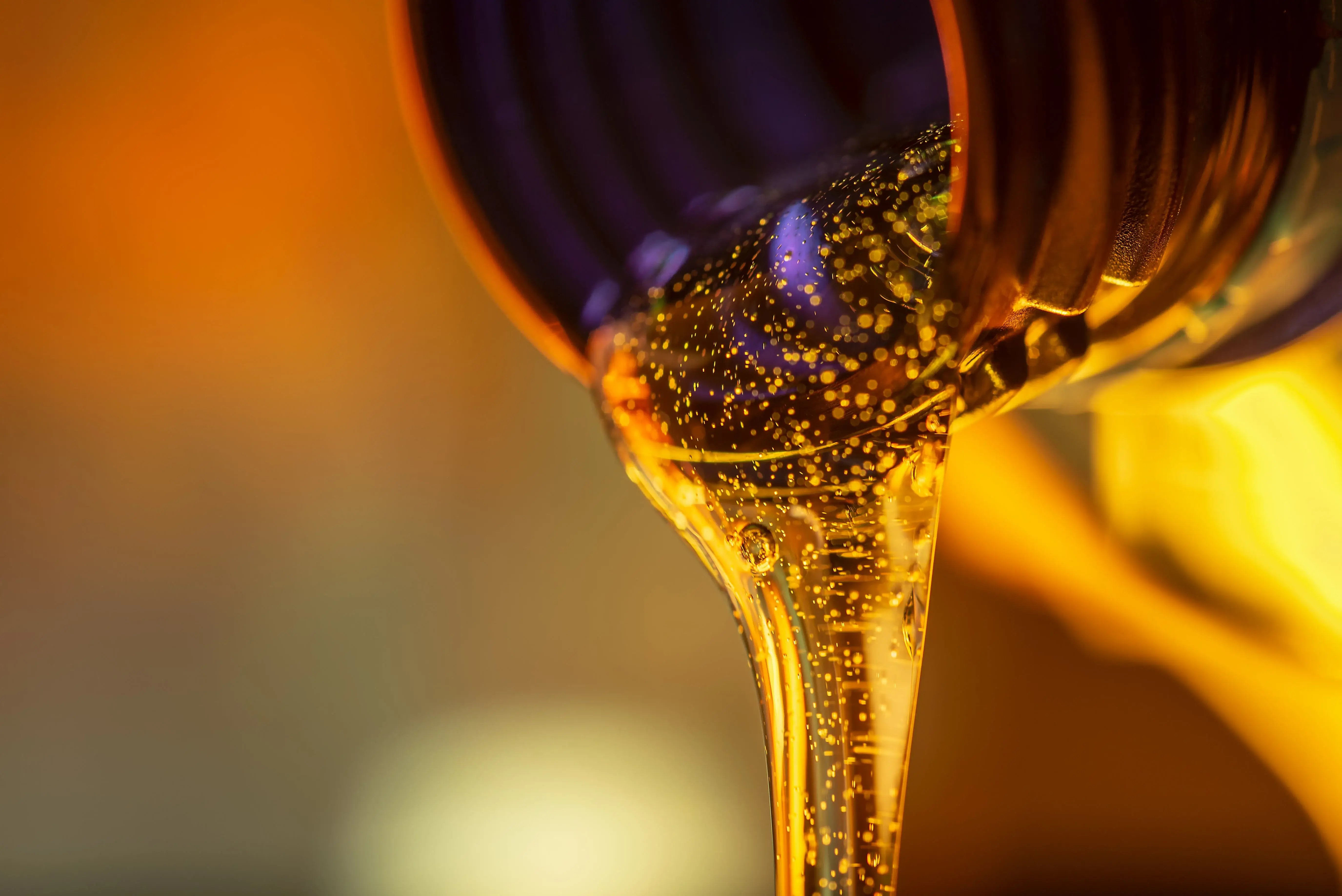
The main issue affecting stored petrol is contact with oxygen. Over time, exposure to air causes chemical changes within the fuel mixture. This process is known as oxidation. As the petrol oxidises, it leads to the formation of heavy, gummy deposits and varnish. These substances do not burn cleanly in the engine.

The Evaporation Problem
Petrol is blended with various different chemicals to make it work efficiently. The lighter components are highly volatile and are essential for helping the engine start easily when cold. If a tank or storage can is not sealed tightly, these vital parts escape into the air as vapour over a few weeks, leaving behind a less combustible liquid.
How to spot petrol that has gone off
You can often tell old fuel by checking its appearance and smell before using it. Fresh petrol is typically clear or has a slight yellowish tint. Degraded fuel often turns darker, muddier, or cloudy. It also develops a distinct, sour, or unpleasant odour that is different from the normal smell of fresh petrol fumes.
The risks of using outdated fuel
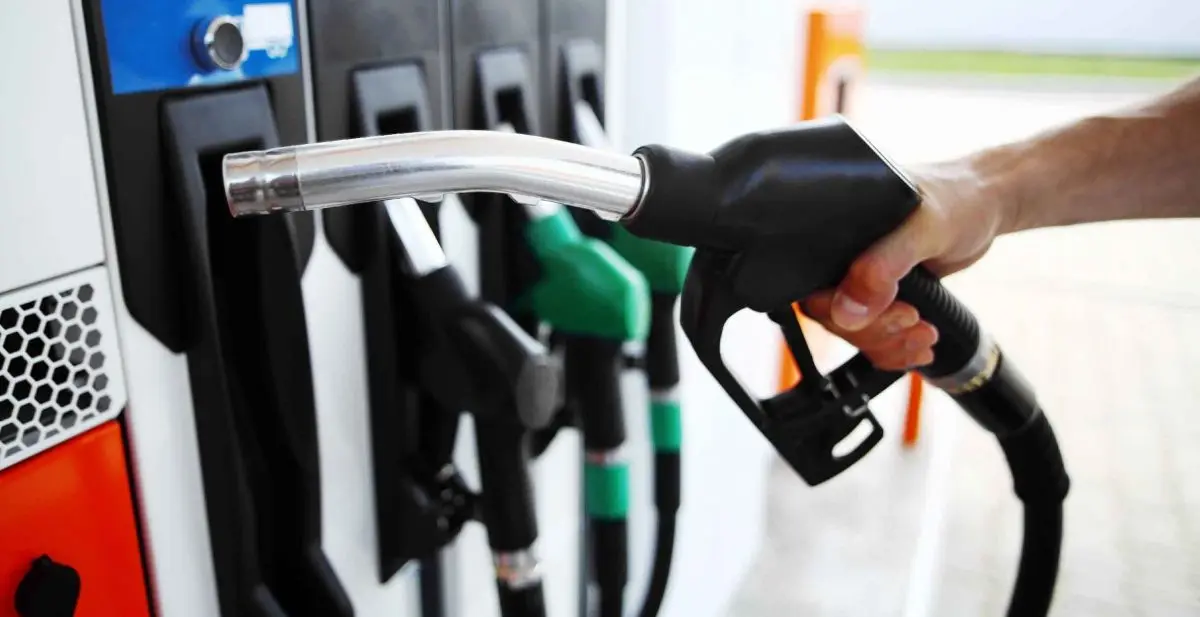
Using stale fuel can cause real problems for a vehicle engine. It often leads to difficulty in starting the car or causes rough running and sputtering while driving. In more serious cases, the gummy deposits mentioned earlier can block sensitive fuel injectors and damage internal components, leading to expensive repairs.
Future Possibilities and Prevention
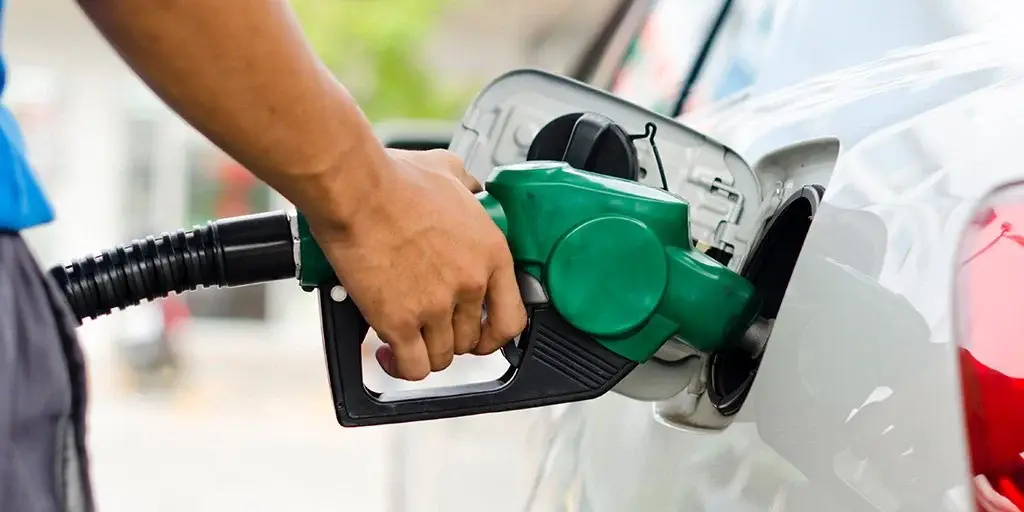
Fuel companies continue to research formulations to make petrol more stable for longer periods. Currently, adding a chemical fuel stabiliser can extend storage life up to a year or more if added when the fuel is fresh. As the global automotive market moves towards electric vehicles, long-term petrol storage issues may become less common in the coming decades.
)
)
)
)
)