Does keeping your tires perfectly inflated actually save you fuel?

Under-inflated tyres increase rolling resistance and force the engine to work harder. Maintaining correct tyre pressure saves fuel, cuts daily petrol costs, and prevents rapid tread wear.
0.2 per cent drop
For every single unit of pressure your tyres are under-inflated, your vehicle loses roughly 0.2 per cent of its total fuel economy. This subtle drop happens because softer tyres struggle to roll efficiently on the tarmac, forcing the engine to burn more petrol.
3 per cent savings
Maintaining the exact manufacturer-recommended air pressure across all four wheels can improve your overall fuel efficiency by up to 3 per cent. Keeping the tyres perfectly firm reduces friction and allows the car to glide smoothly, keeping engine strain to an absolute minimum.
10 per cent resistance
Under-inflated tyres flatten out and create a larger footprint on the road, increasing rolling resistance by as much as 10 per cent. The engine has to overcome this heavy physical drag continuously, which requires a much richer fuel mixture during daily commutes.
Loses 1 PSI monthly
Even without punctures, a standard car tyre naturally loses about one PSI of air pressure every month due to natural permeation. Drivers who ignore routine pressure checks for months unknowingly drive on soft tyres, causing severe and compounding fuel wastage over time.

Rs 4,000 yearly loss
A daily commuter driving a moderately inefficient car on under-inflated tyres can easily waste over Rs 4,000 in excess petrol every year. Checking and topping up the air pressure twice a month costs almost not30 per cent tread wearhing but provides immediate returns through better fuel mileage.
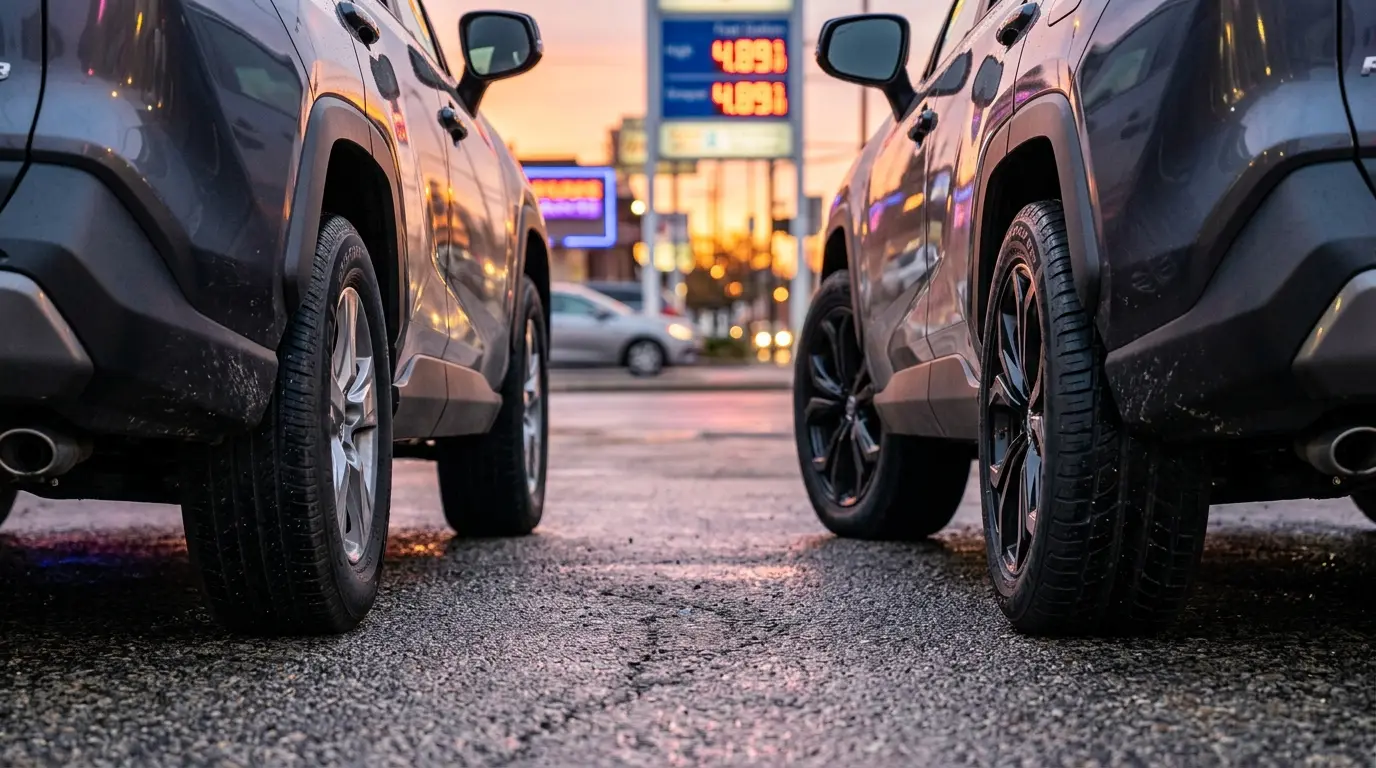
30 per cent tread wear
Beyond wasting fuel, driving on low pressure forces the outer edges of the tyre to bear the vehicle's entire weight. This improper distribution accelerates tread wear by up to 30 per cent, meaning you will need to buy expensive replacement tyres much sooner.
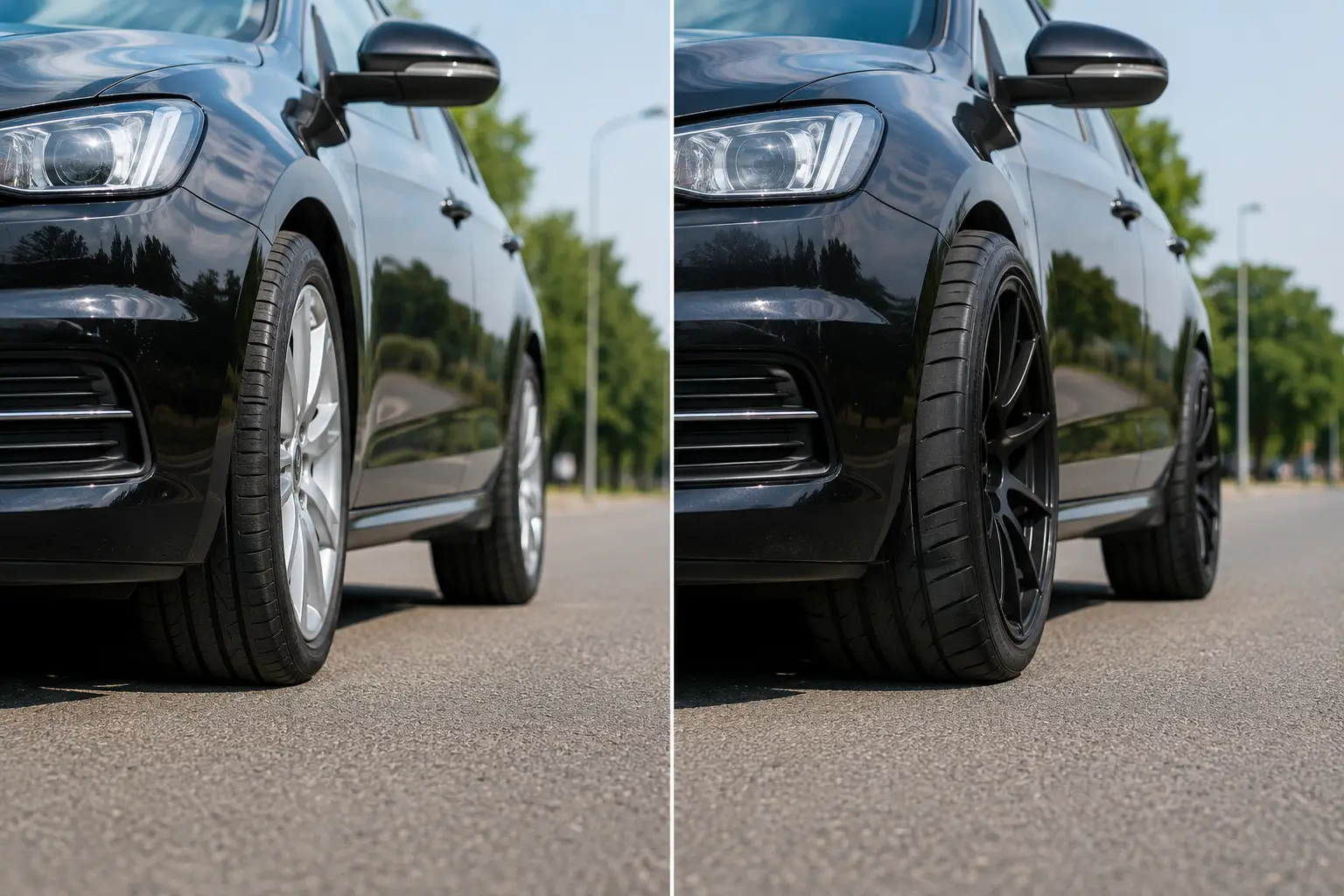
3 hours cooling
To get the most accurate reading and best fuel savings, wait at least three hours after driving before checking tyre pressure. Hot air expands inside a moving tyre, creating artificially high readings that can easily trick you into running the vehicle on low pressure.
)
)
)
)
)