Does driving with the AC on waste too much fuel?

Running the AC forces the engine to work harder, cutting fuel economy by up to 10 per cent. However, at highway speeds, using the AC is much more efficient than the aerodynamic drag from open windows.
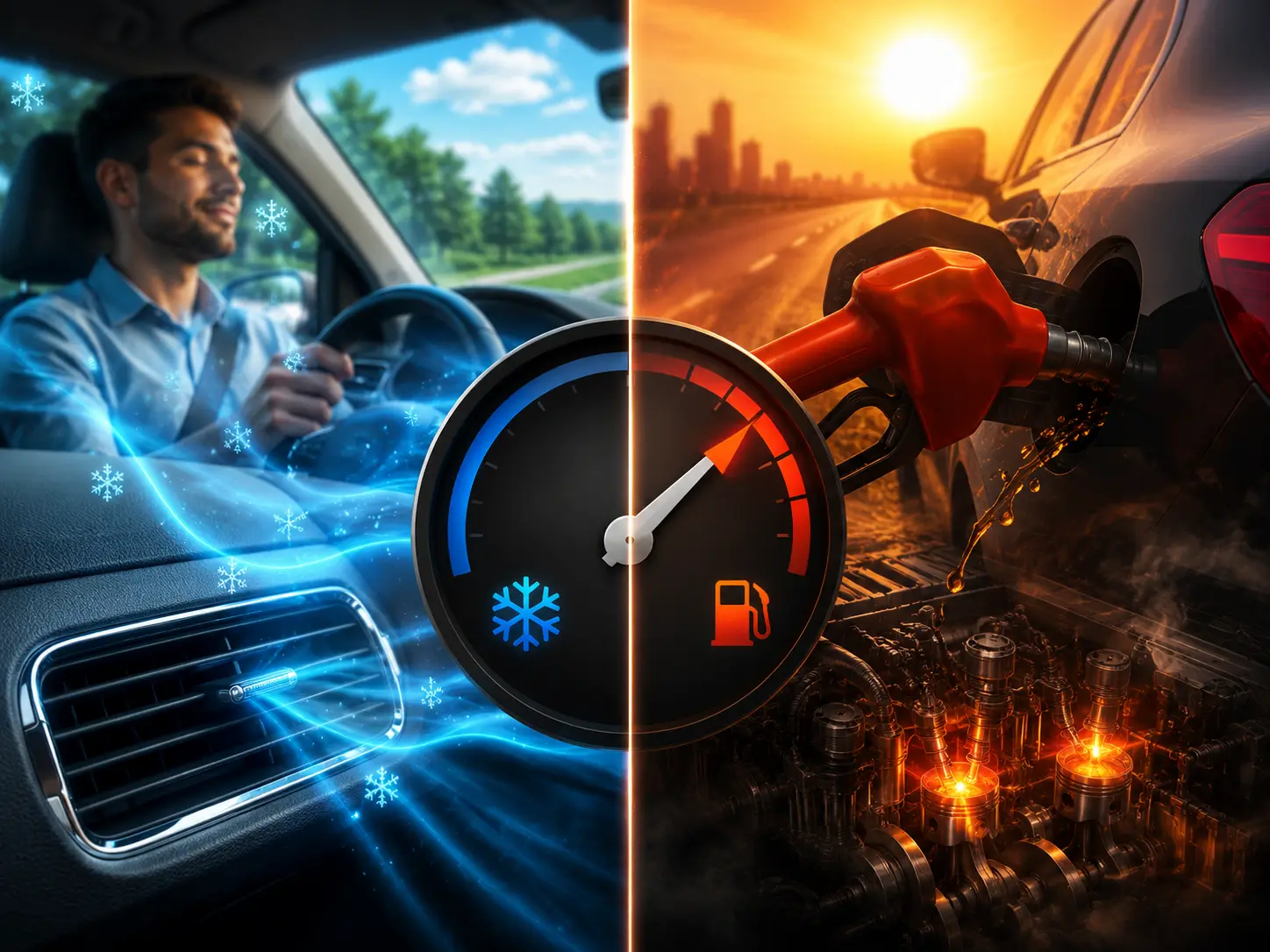
Drains 10 per cent fuel
Turning on your car air conditioning forces the engine to power the compressor, which requires extra energy. This mechanical load can decrease your overall fuel economy by up to 10 per cent during normal driving. The exact drop depends heavily on your vehicle size and the outside temperature.

Above 80 km/h threshold
Many drivers open windows to save petrol, but this creates massive aerodynamic drag at higher speeds. Once you cross 80 kilometres per hour, the engine works harder to push through the wind resistance. At highway speeds, using the air conditioning is actually more fuel-efficient than keeping windows down.

Burns 1 litre hourly
Keeping the air conditioning running while parked is one of the fastest ways to waste petrol. A standard car engine burns roughly one litre of fuel every hour it spends idling with the compressor on. Switching off the engine while waiting is a simple way to protect your mileage.
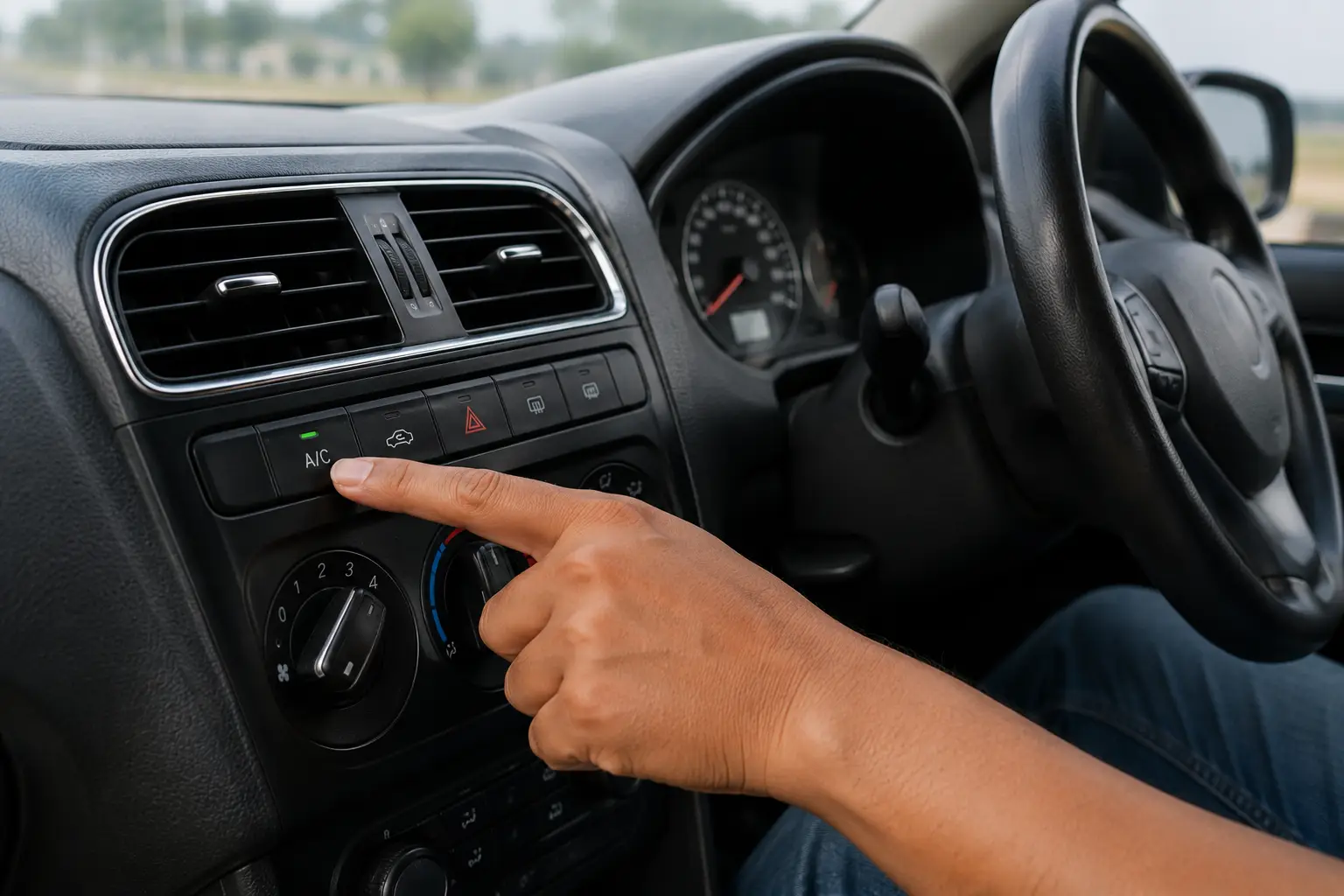
20 per cent city penalty
Air conditioning systems draw a massive amount of power when you are stuck in heavy, stop-and-go traffic. Because the engine runs at low speeds, the cooling system struggles to maintain the cabin temperature. This constant mechanical strain can easily slash your fuel efficiency by up to 20 per cent.
Saves Rs 3,000 monthly
A daily commuter driving in severe heat can lose a significant portion of their fuel budget to cooling. Managing your AC usage smartly on daily city runs can easily save around Rs 3,000 every month. Using the blower fan on milder days prevents this continuous financial drain at the petrol pump.
Modern 5 per cent efficiency
Newer vehicles feature advanced variable displacement compressors that are far more efficient than older units. Instead of running at full capacity continuously, these systems adjust their output based on the actual cabin needs. This modern engineering keeps the fuel economy drop closer to 5 per cent on newer models.
Saves 2 minutes load
Rolling down the windows for just two minutes when entering a hot car pushes the trapped hot air out. This basic trick means the air conditioner does not have to work at maximum capacity to cool a boiling cabin. Lowering the initial cooling load immediately improves your starting fuel efficiency.
)
)
)
)
)