Does a heavily loaded car on summer trips waste more fuel?

Carrying heavy luggage and rooftop cargo boxes during summer trips increases wind resistance and engine strain, leading to a noticeable drop in vehicle fuel efficiency.
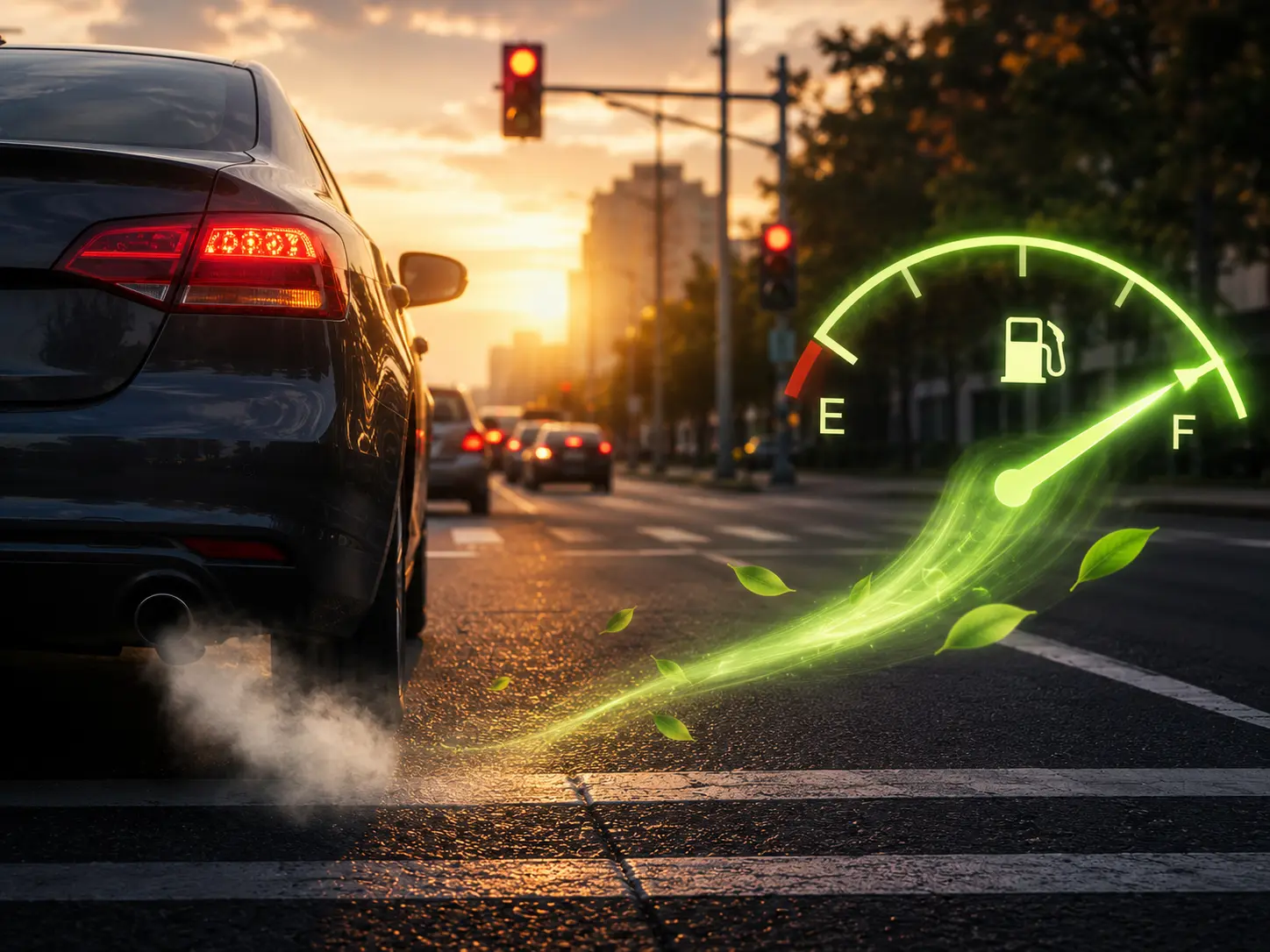
1 Per Cent Penalty
Every additional 45 kilogrammes of luggage loaded into a vehicle reduces fuel economy by roughly 1 per cent. This penalty falls heavier on smaller cars than on larger utility vehicles. Packing light is the simplest way to protect your holiday budget.
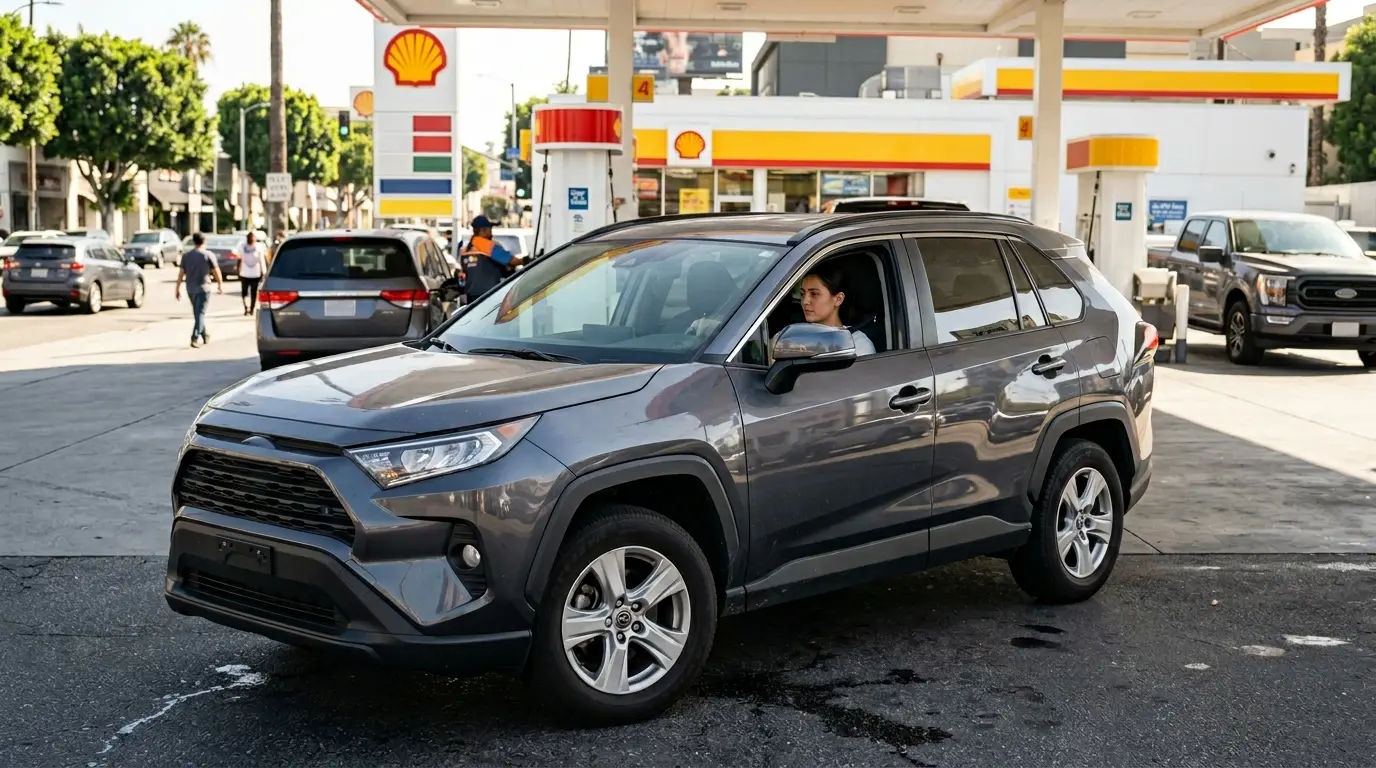
25 Per Cent Drag
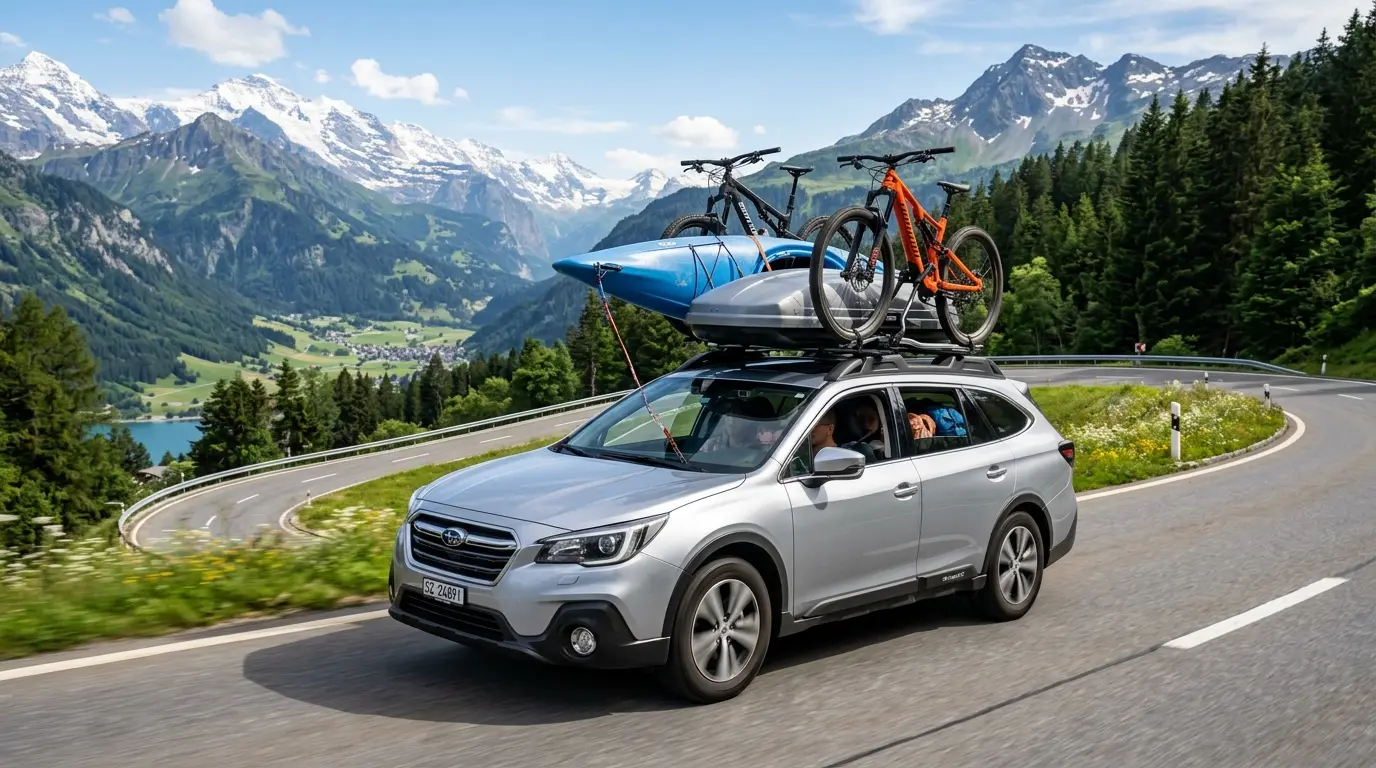
A loaded rooftop cargo box increases aerodynamic resistance significantly at highway speeds. This aerodynamic drag can cut your vehicle fuel economy by up to 25 per cent. Removing the overhead carrier when it is empty instantly restores your car efficiency.
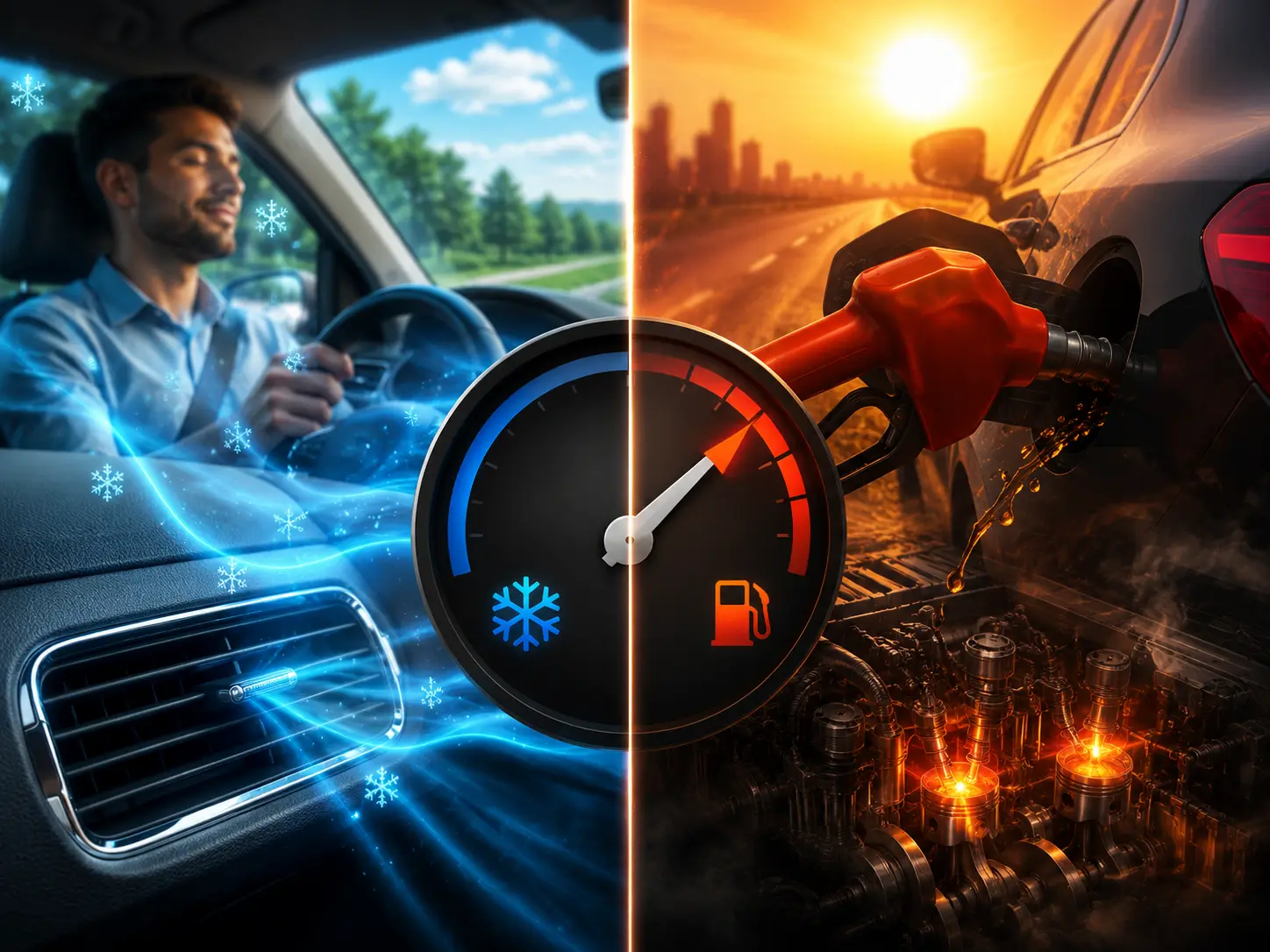
25 Per Cent AC Strain
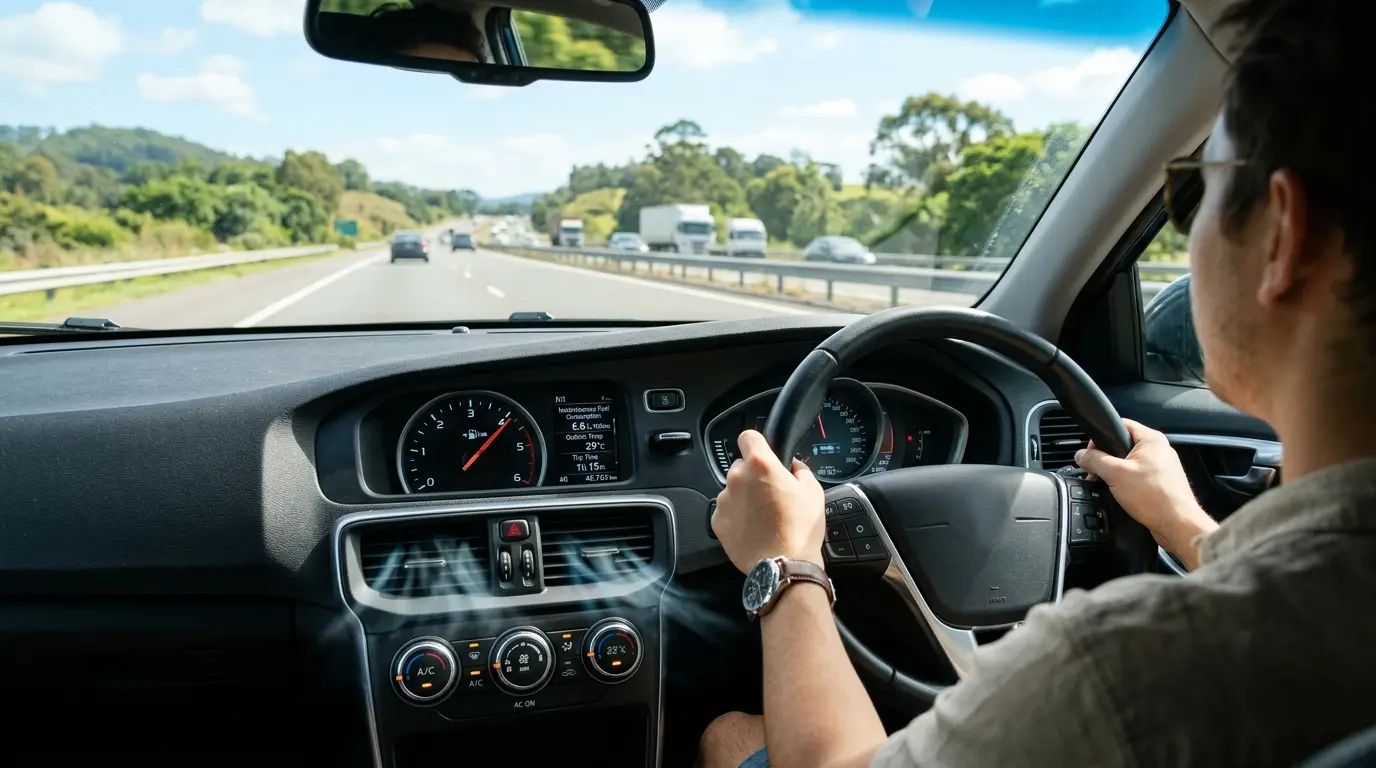
Running the air conditioner on maximum cooling during a hot day adds massive mechanical strain. Combined with a heavy passenger load, the engine burns up to 25 per cent more fuel. Parking in the shade helps reduce this initial thermal load.
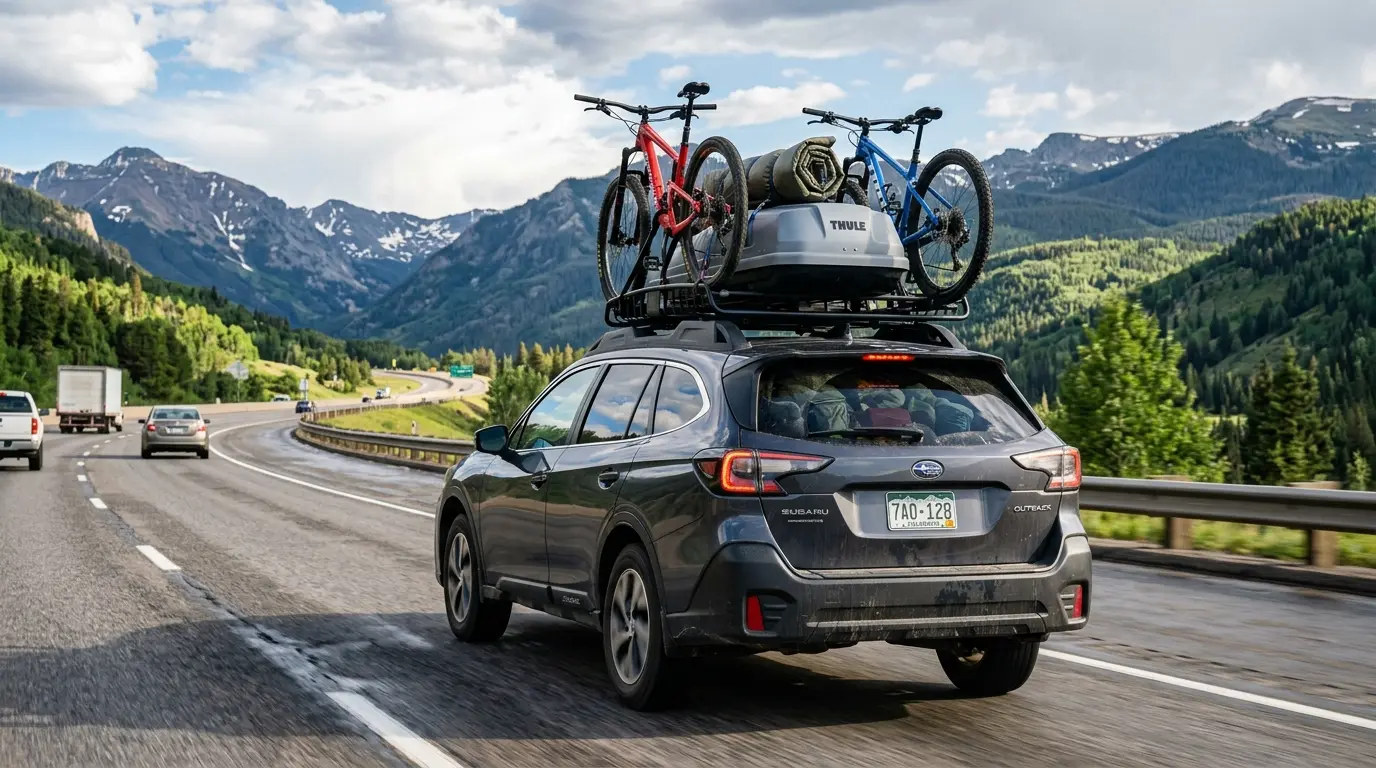
5 Per Cent Drop
Using an open roof rack instead of an enclosed aerodynamic box still creates a fuel penalty. It reduces your overall fuel efficiency by about 5 per cent due to uneven airflow. Keeping extra items inside the boot keeps the car streamlined.
Full Load Tyre Pressure
A heavily loaded car requires higher tyre pressure than the standard daily recommendation to handle the extra mass safely. Failing to inflate tyres to the manufacturer's 'full load' specification increases rolling resistance against hot tarmac, wasting more fuel per kilometre. Always check your manual before a long journey.
10 Per Cent Traffic Loss
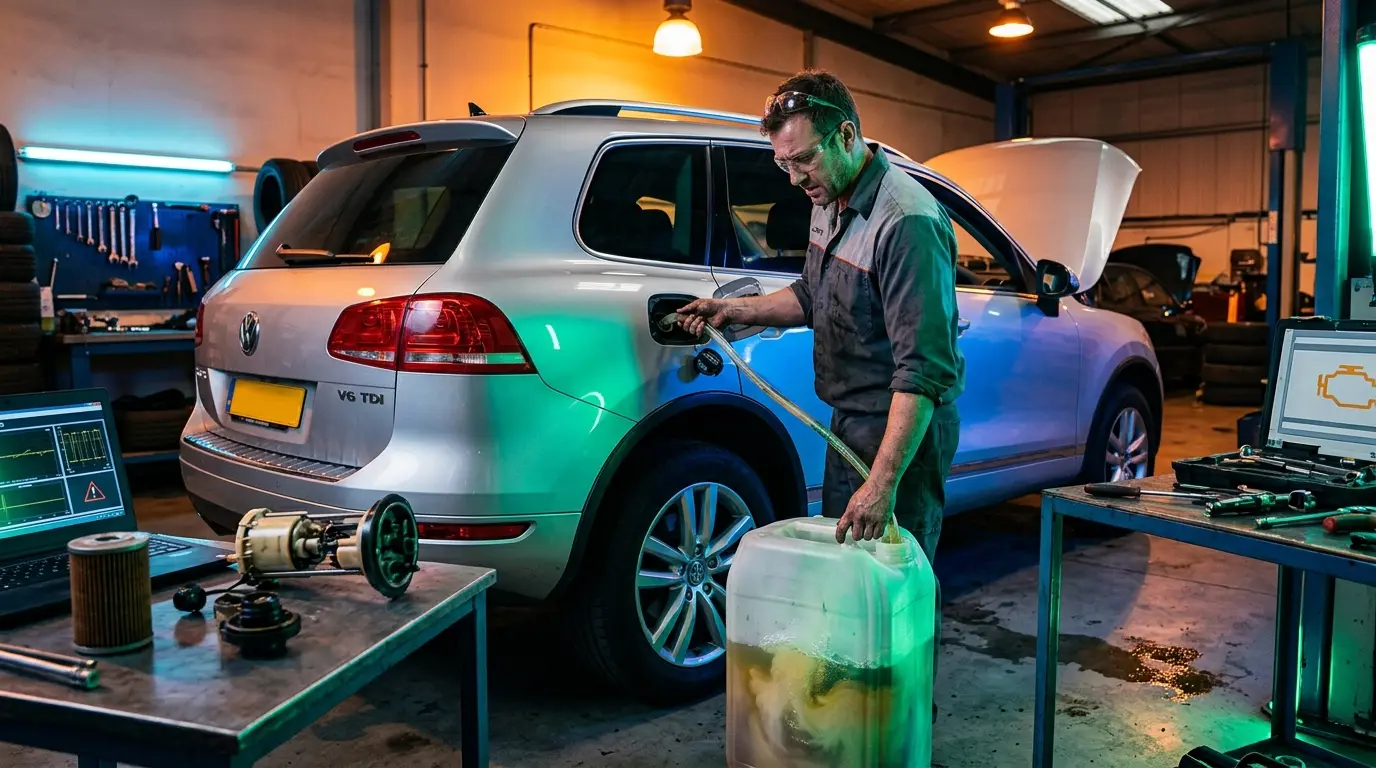
Navigating through heavy holiday traffic with a fully loaded car increases fuel consumption during stop-and-go acceleration. Moving a heavier mass from a complete standstill requires more torque and energy. Planning travel during off-peak hours reduces this unnecessary idling waste.
Rs 500 Extra Cost
The combined effect of a rooftop box, heavy luggage, and constant climate control increases trip costs. Drivers can easily spend an additional Rs 500 or more on fuel for every long journey. Smart packing and steady highway speeds help minimise these expenses.
)
)
)
)
)