Do wider tires decrease fuel mileage?

Wider tyres increase rolling resistance and aerodynamic drag, leading to a 1 to 3 per cent drop in fuel economy. For EVs, the range can decrease by 10 per cent.
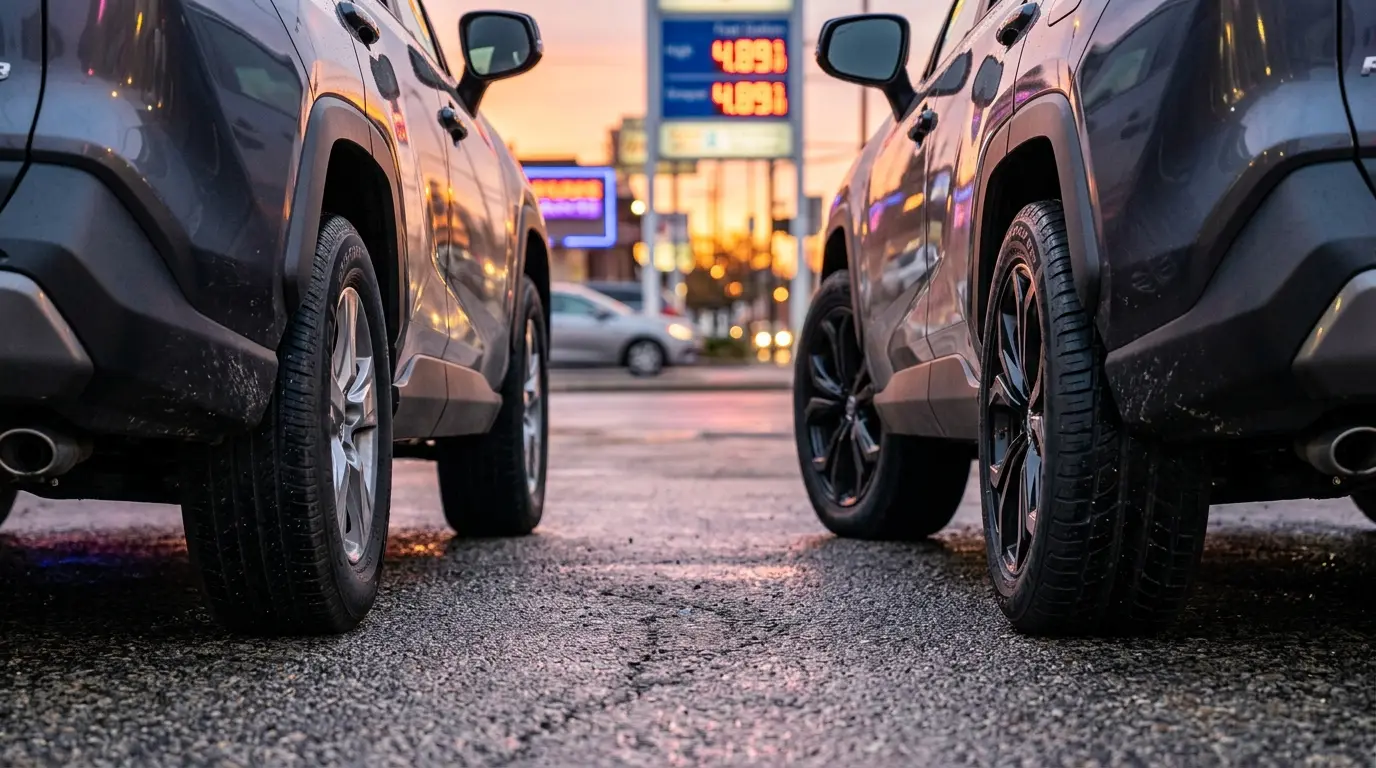
Increased rolling resistance
Wider tyres create a larger contact patch with the road surface, which increases friction. According to Bridgestone, this higher rolling resistance forces the engine to burn more fuel to maintain a steady speed.
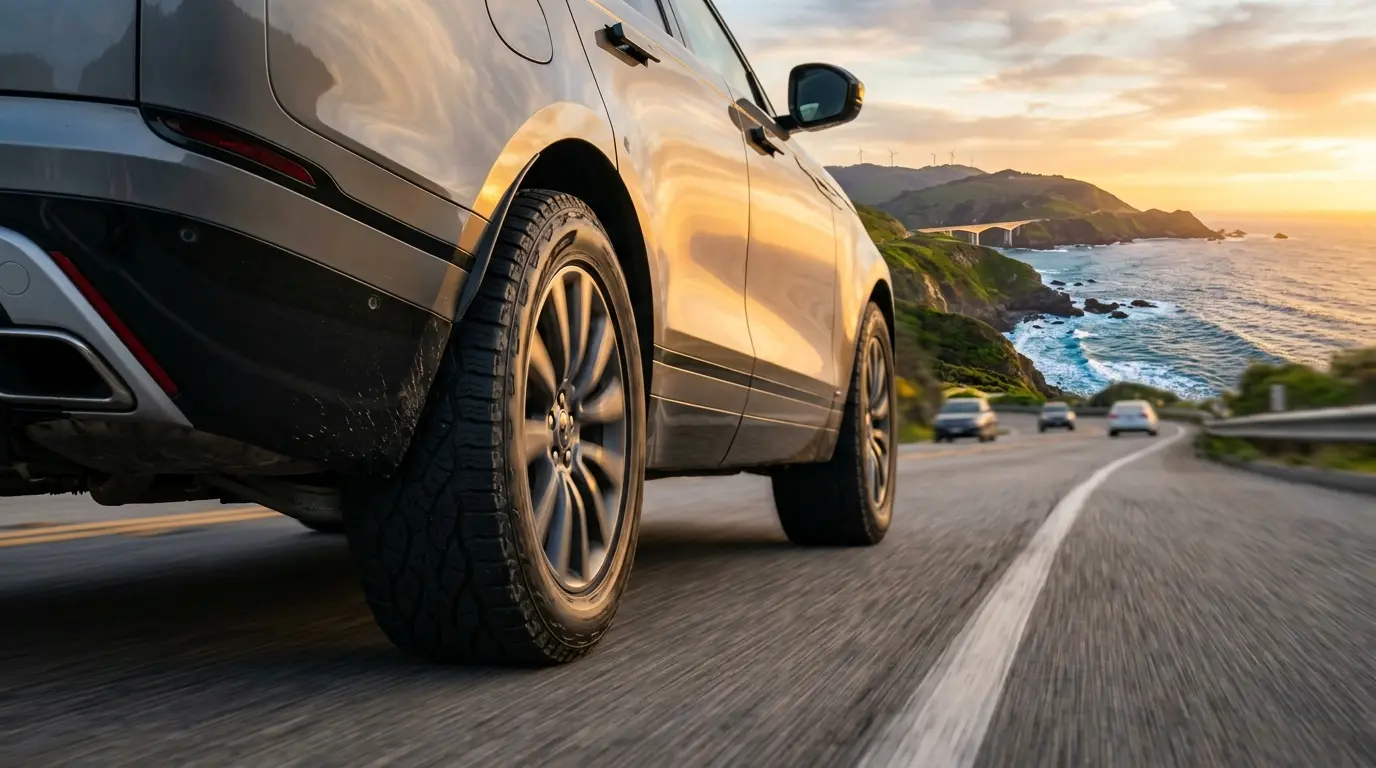
Impact of aerodynamic drag
A wider tyre increases the frontal surface area of your vehicle, creating more wind resistance. Engineering studies show that this aerodynamic drag forces the car to use more energy to push through the air at highway speeds.
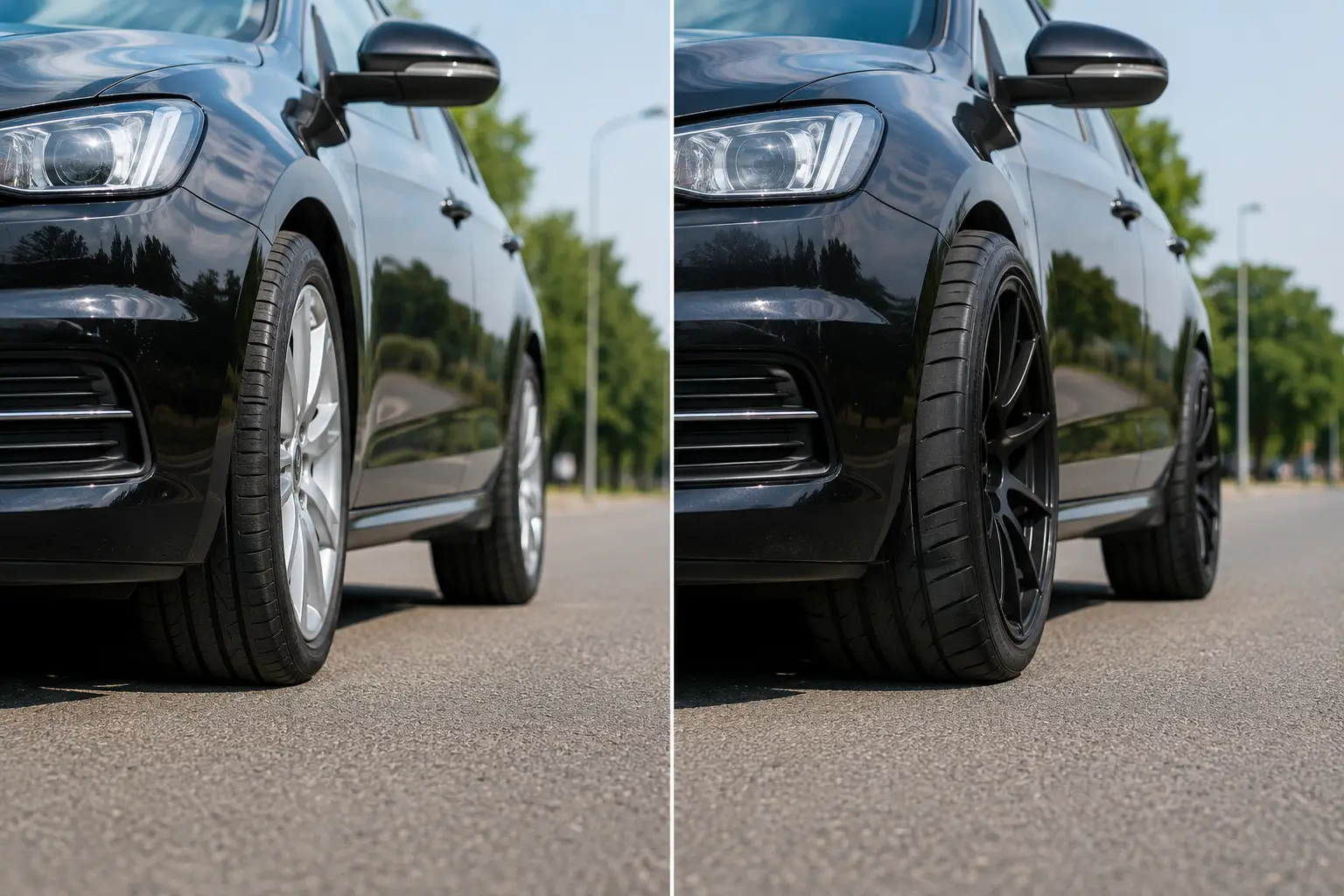
The penalty of extra weight
Wider tyres and the larger wheels they require are physically heavier than standard factory versions. The AA notes that this added weight increases rotational inertia, requiring more engine power to accelerate from a standstill.
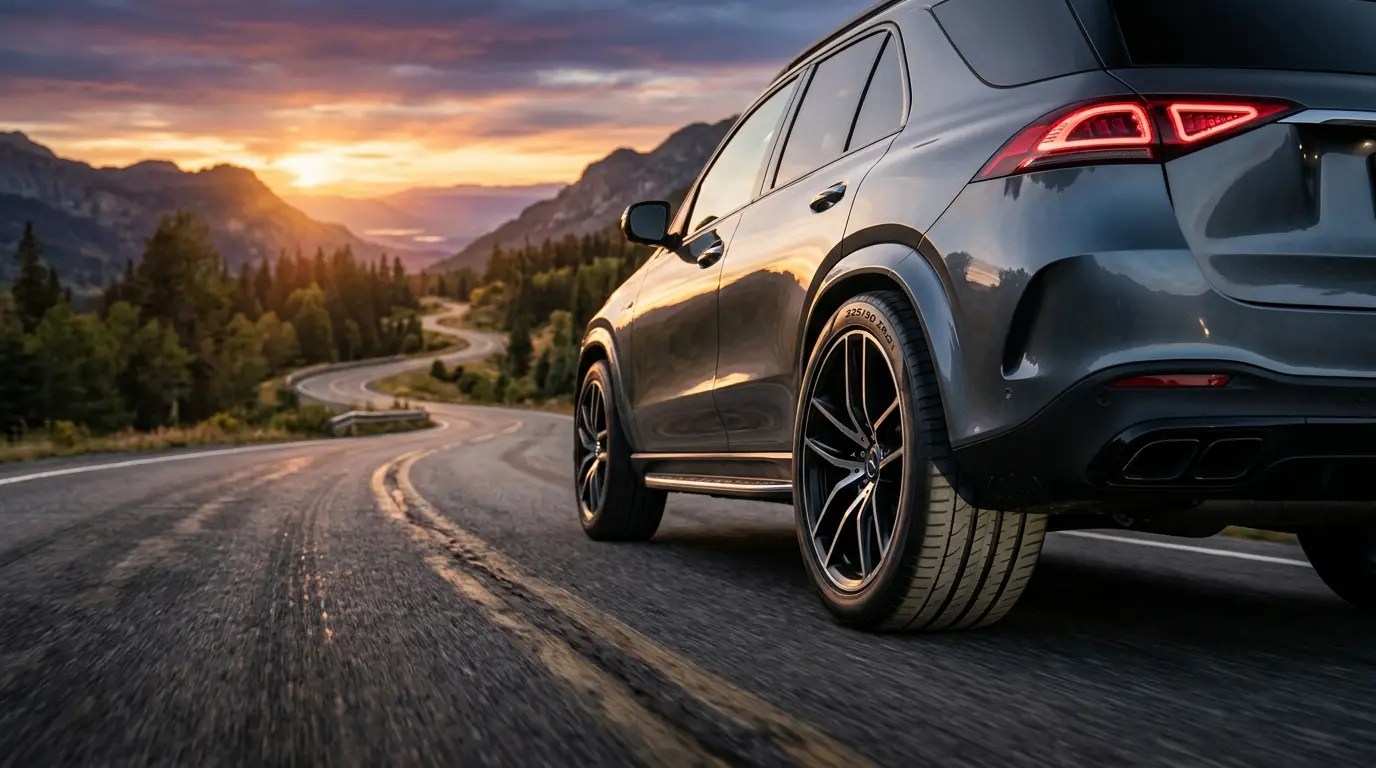
Performance versus economy
Wider tyres provide better grip and shorter braking distances, but they often use stickier rubber compounds. Continental Tyres explains that these performance-focused materials generate more heat and friction, which naturally reduces total mileage.
Real-world fuel consumption
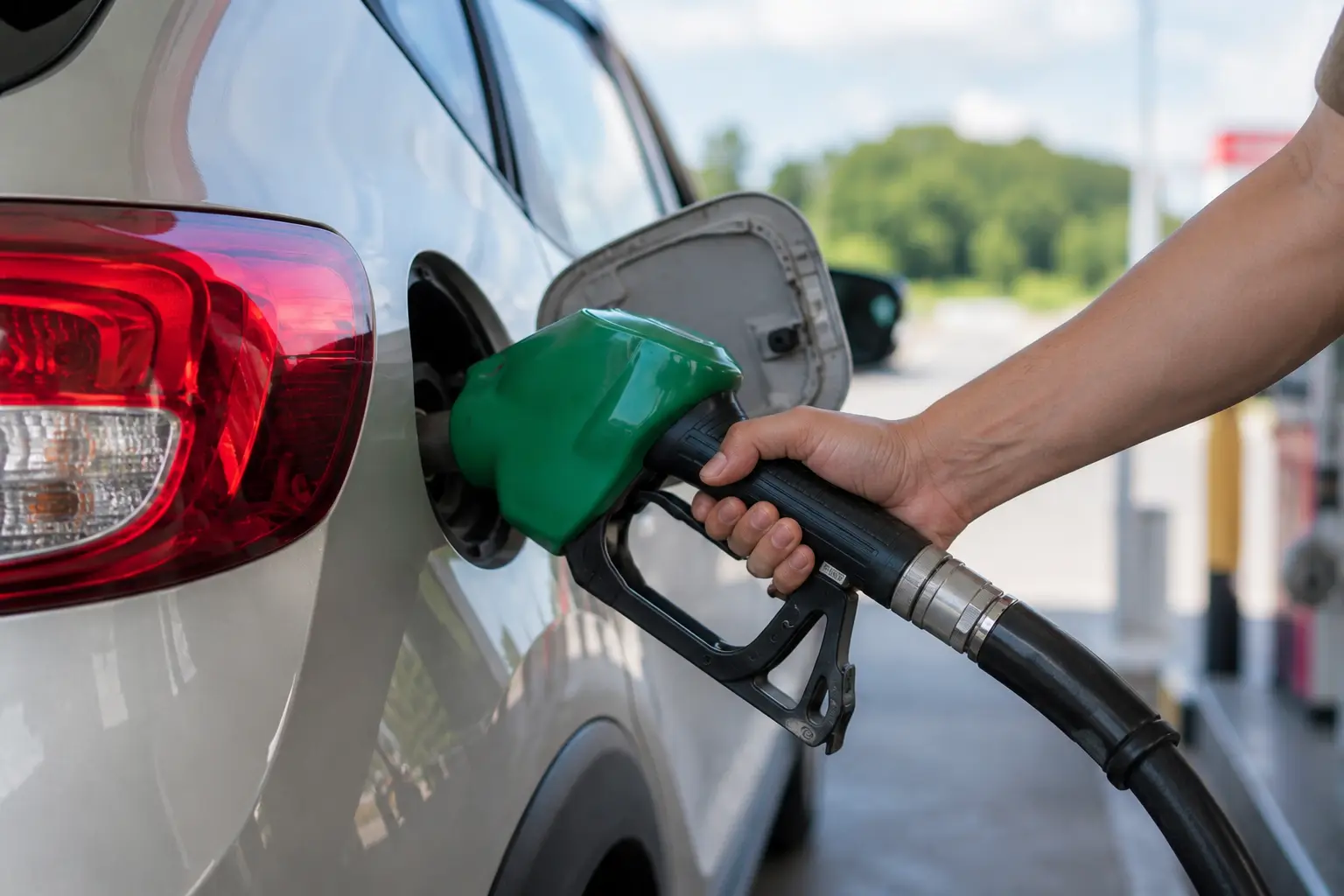
Switching to significantly wider tyres can decrease your fuel economy by roughly 1 to 3 per cent. Michelin reports that a 30 per cent increase in rolling resistance generally leads to a noticeable 5 per cent jump in fuel usage.
Range loss for electric cars
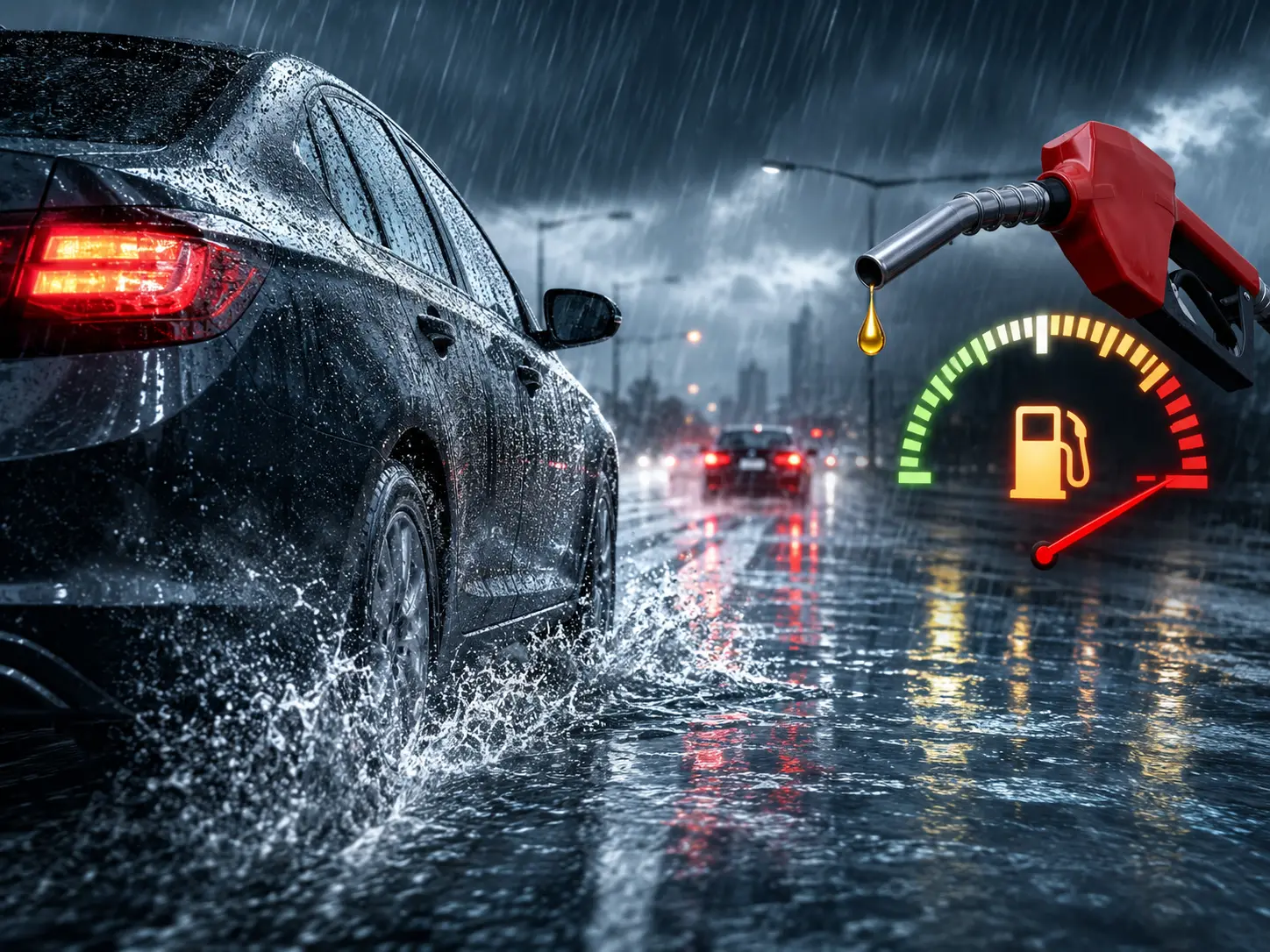
Tyre width is even more critical for electric vehicles where range anxiety is a factor. Automotive testers found that fitting wider tyres can reduce an EV’s driving range by up to 10 per cent due to increased friction.
Check the efficiency label
Most new tyres come with a fuel efficiency rating from A to G. Experts at the RAC recommend checking these labels before upgrading, as wider tyres often fall into lower, less efficient categories that cost more over time.
)
)
)
)
)