Do High-G manoeuvres reduce a fighter jet’s lifespan?

Fighter jets like Tejas may be designed for decades of service, but high-G turns quietly eat away their structural life. Every 8-G manoeuvre adds hidden fatigue that no repair fully removes. How long a fighter survives depends less on age and more on how hard it is actually flown.
Design Life Versus Operating Life
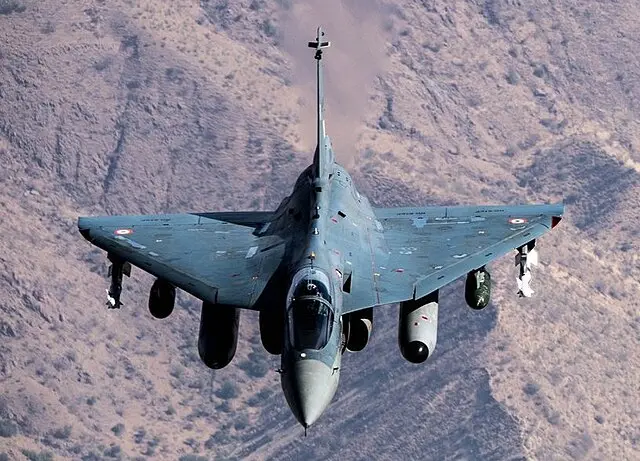
Mostly fighter jets are designed for long life for example Tejas Mk1A is designed for 8,000 flight hours total airframe life. If flown 200 hours annually, this achieves 40-year service life. If flown 600 hours annually, service life reduces dramatically to 13-15 years. Operating intensity directly determines how long the aircraft remains safe and airworthy.
High-G Accelerates Metal Fatigue
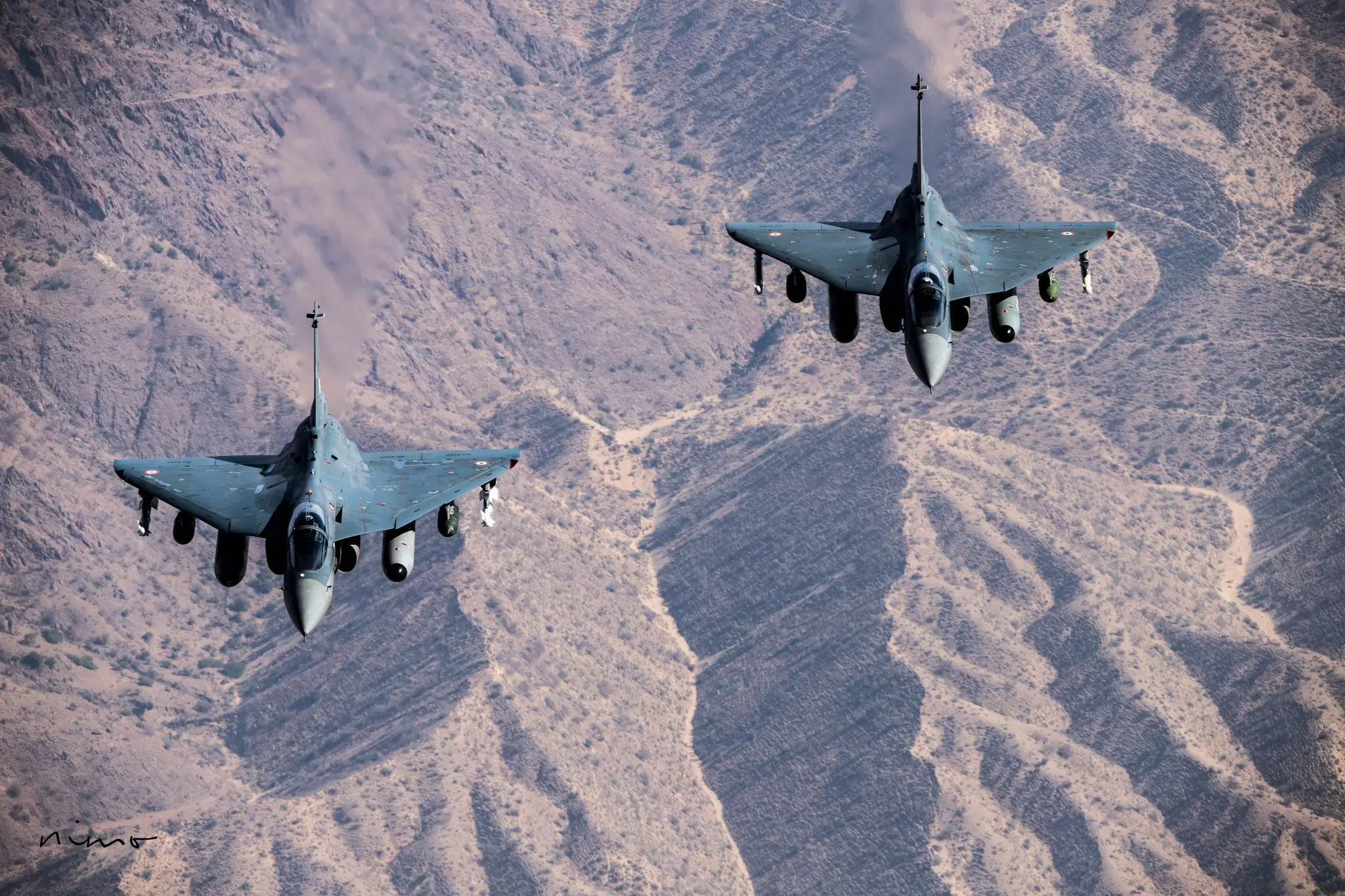
One sustained high-G manoeuvre creates fatigue damage equivalent to multiple normal flight hours. Each 8-G turn accumulates metal fatigue in the airframe. Repeated high-G manoeuvres rapidly consume the aircraft's fatigue life budget. Combat operations with frequent high-G significantly reduce remaining service life.
Wing Root Is The Critical Point
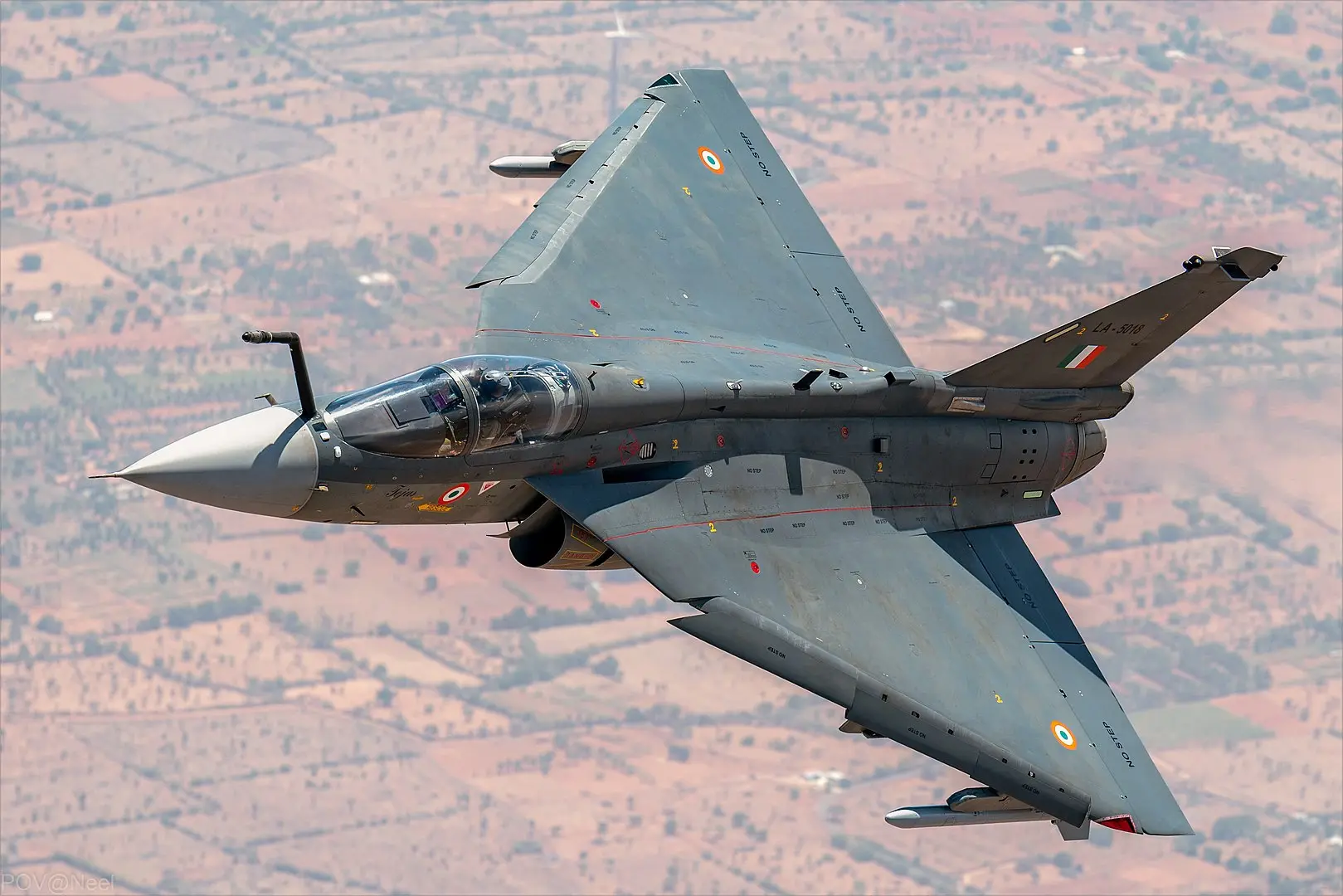
The wing root experiences maximum fatigue stress during high-G turns. This connection point between wing and fuselage fails first. Designers reinforce this area extensively. However, no amount of reinforcement prevents eventual fatigue crack formation. The wing root condition determines overall aircraft service life.
Fatigue Damage Cannot Be Completely Repaired
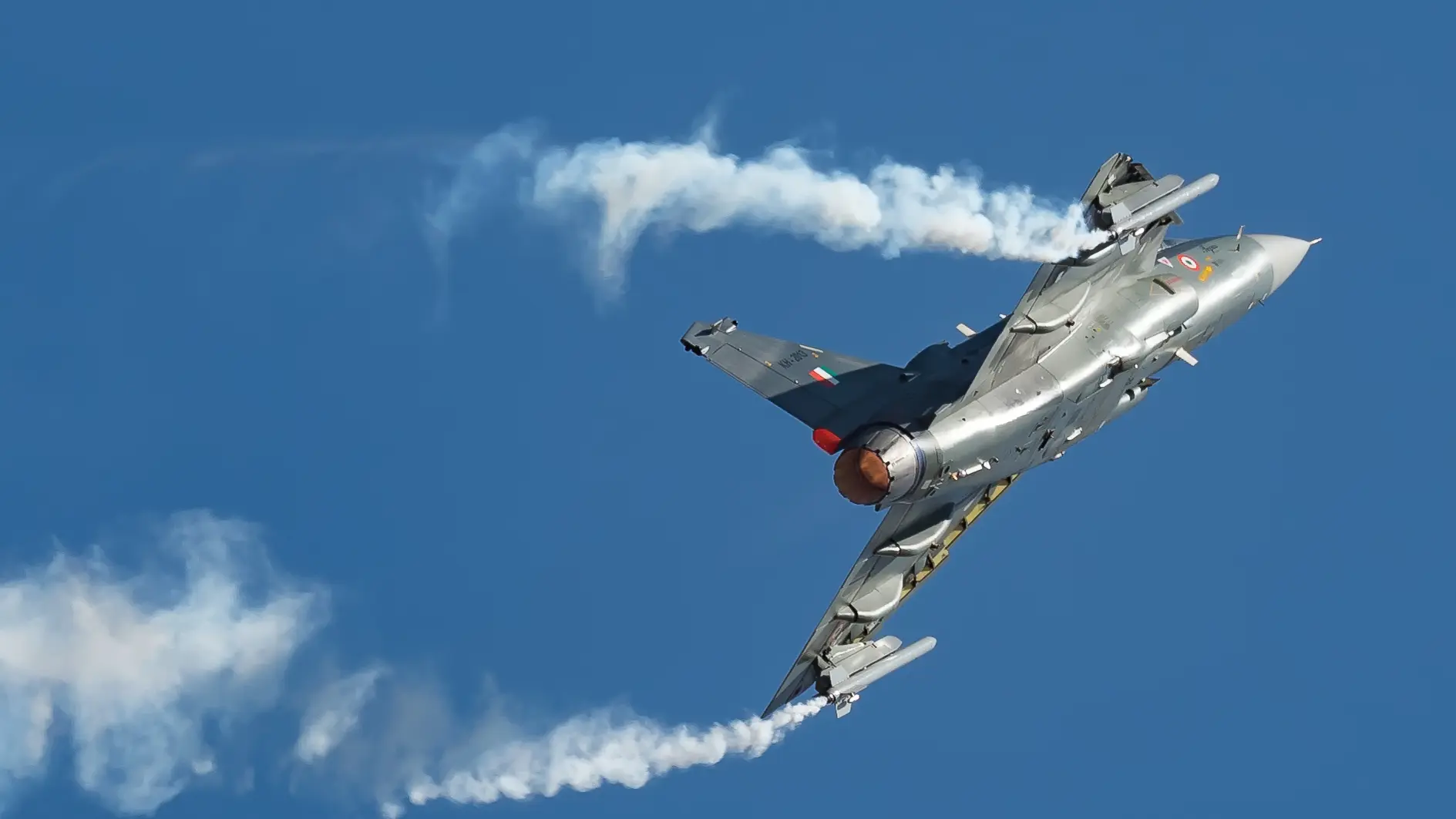
When fatigue cracks form, repairs slow their growth but do not eliminate them. Maintenance replaces or repairs damaged components. However, microscopic fatigue damage remains in the structure. Each new high-G manoeuvre causes these micro-cracks to grow slightly. Over time, cumulative growth becomes dangerous.
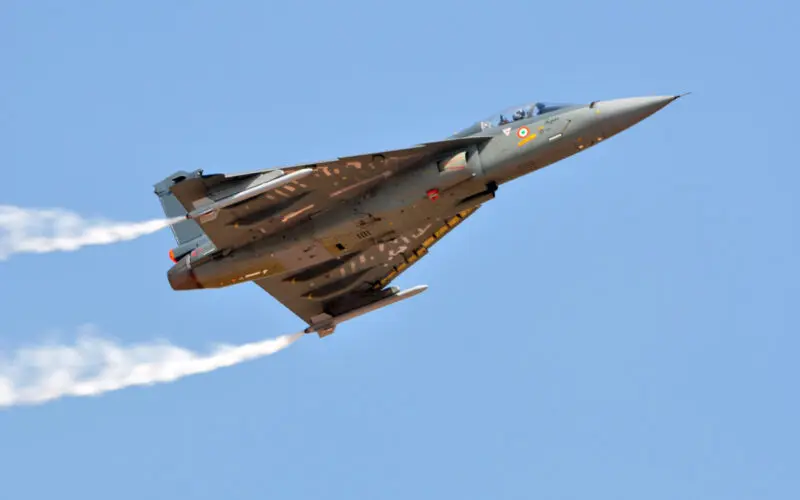
Accelerometer Data Tracks Cumulative Damage
Modern fighters have accelerometers measuring actual G-forces experienced. This data tells engineers how much fatigue has accumulated. Engineers predict remaining service life based on G-force frequency and magnitude. Operational data helps schedule maintenance and inspection appropriately before critical failure.
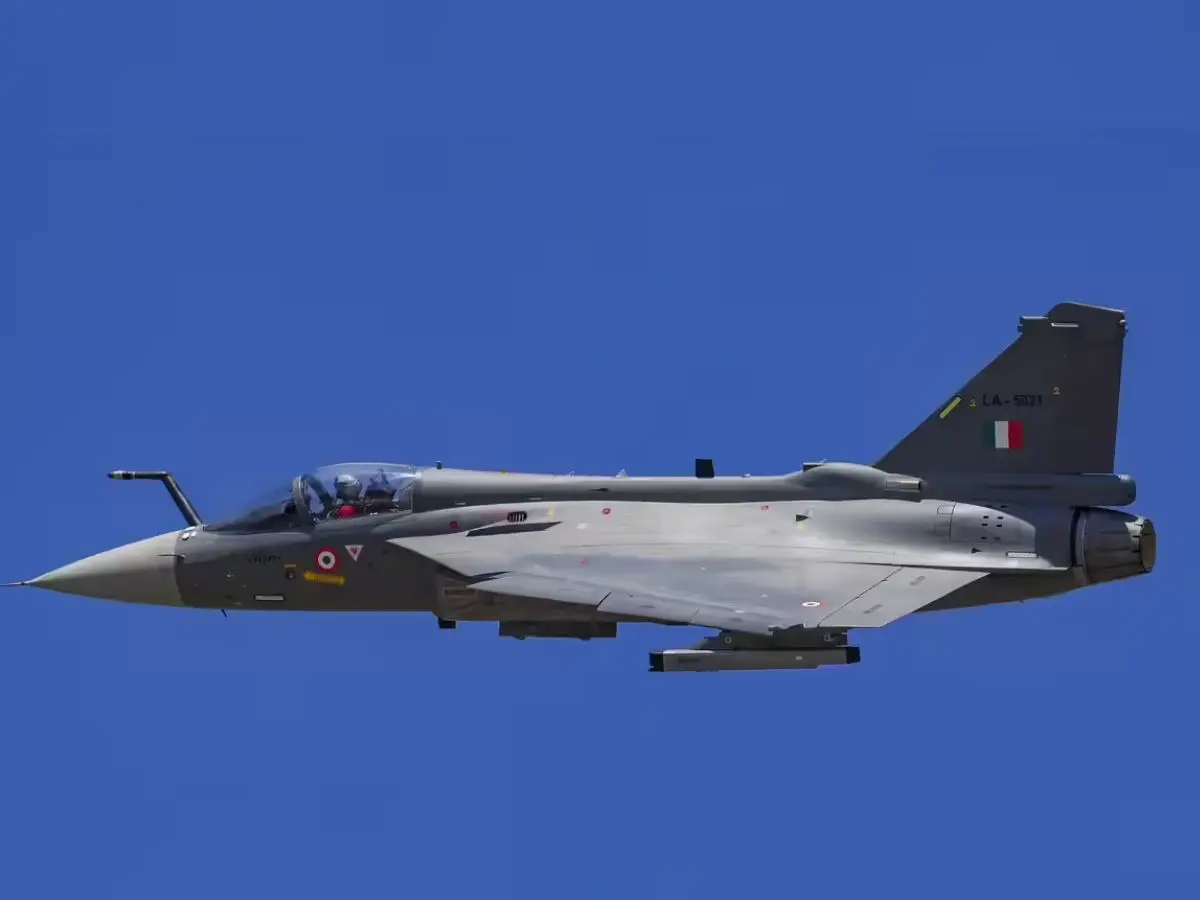
Damage Tolerance Extends Service Life
Aircraft can operate beyond original design life with appropriate inspections. The damage tolerance philosophy accepts that cracks exist and monitors their growth. Inspections catch growing cracks before they become dangerous. This allows service life extension from 40 years to 50-60 years or more.
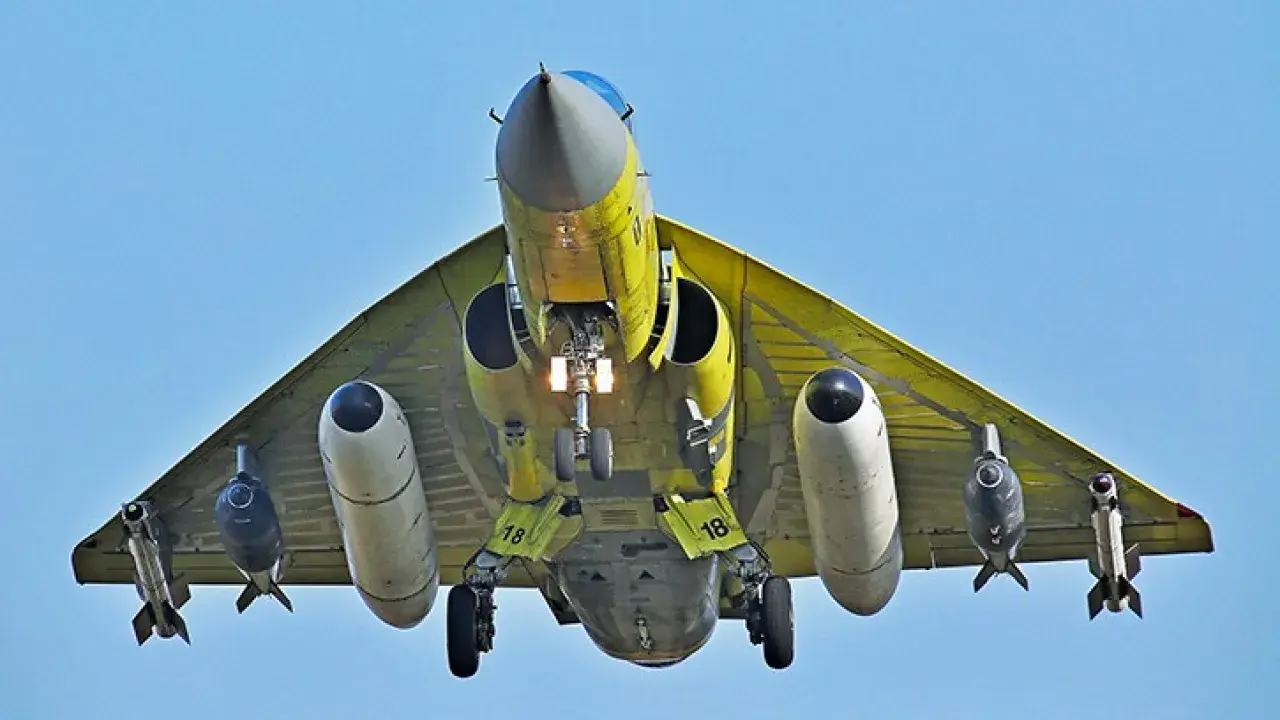
Future Tejas Operations And Life
High-intensity combat operations significantly reduce Tejas service life compared to patrol and training flights. Fighter squadrons conducting frequent combat manoeuvres will reduce airframe lifespan. Fleet operators must balance combat capability against aircraft longevity. Maintenance schedules adjust based on actual flight hours and G-force exposure.
)
)
)
)
)