Did 3I/ATLAS trigger a new space intelligence race between US and China?

While astronomers such as Avi Loeb advocate open data-sharing to study interstellar objects, intelligence agencies see them as potential assets in the race for technological and analytical superiority.

1. A New Cosmic Catalyst for Competition
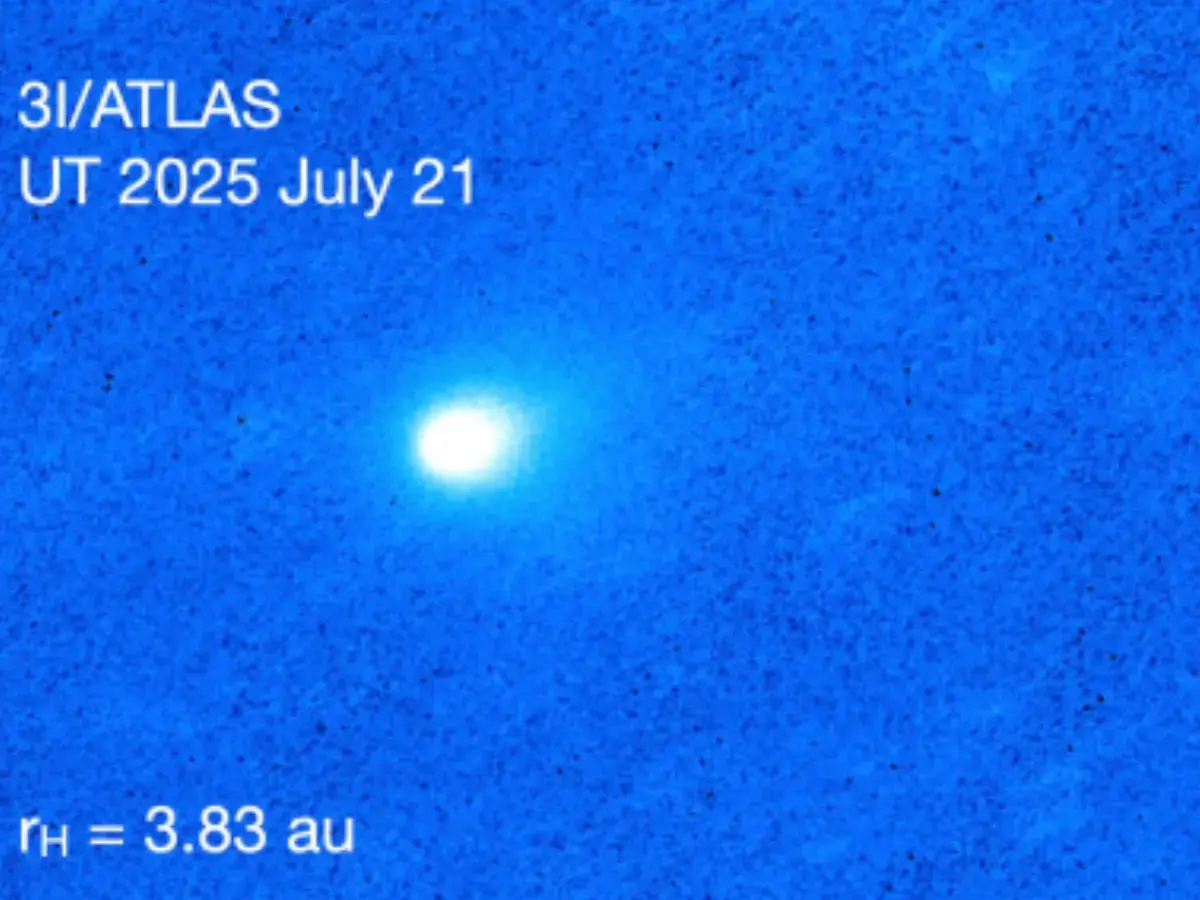
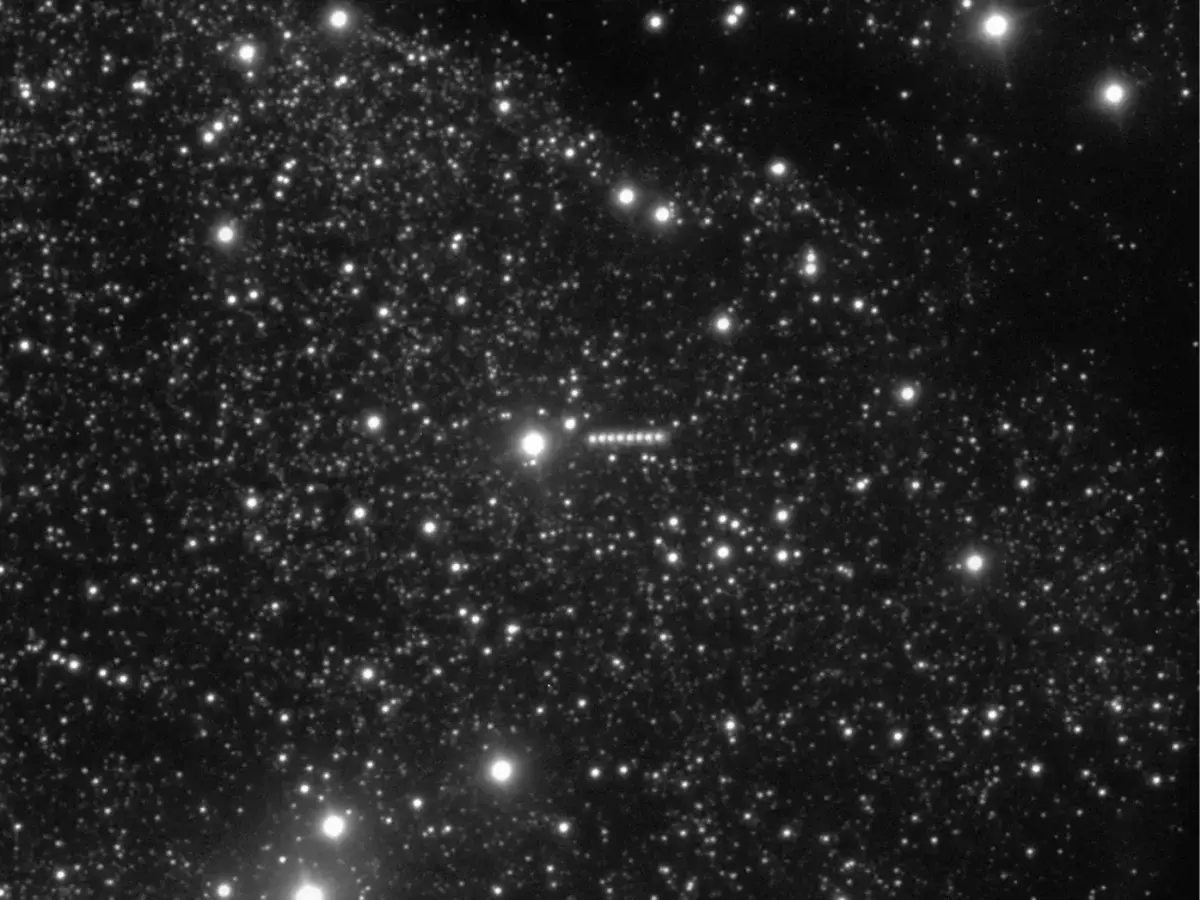
The detection of 3I/ATLAS, an interstellar comet first observed in 2024, has reignited discussions about scientific rivalry in space. Both the United States and China have accelerated observation programmes to understand whether the comet carries unique materials or clues about other star systems.

2. Scientific Curiosity Meets Strategic Caution
While astronomers such as Avi Loeb advocate open data-sharing to study interstellar objects, intelligence agencies see them as potential assets in the race for technological and analytical superiority. Data from observatories like Hubble, JWST, and China’s Purple Mountain Observatory are being closely monitored by respective national agencies.
3. China’s Expanding Deep-Space Network
China has expanded its CNSA Deep Space Observation Network in response to interstellar discoveries. The FAST Radio Telescope and Miyun Observatory have been tasked with monitoring non-terrestrial radio signals or unusual patterns around 3I/ATLAS, though no anomalies have been reported publicly.
4. The US Advantage Through Multi-Mission Coordination
NASA and affiliated institutions have leveraged both Hubble and the James Webb Space Telescope to study the comet’s chemical makeup, detecting water vapour, CO2, and organic compounds. The U.S. intelligence community reportedly classifies some observation data, citing “strategic space awareness.”

5. Data Firewalls and Information Gaps
Both nations have tightened access to deep-space data. Some astronomers have criticised the growing “data nationalism,” warning that it restricts scientific collaboration. Harvard’s Galileo Project, led by Loeb, has called for transparent global data sharing on interstellar visitors.

6. AI and Space Data Analytics Arms Race
Machine learning tools are increasingly used to interpret faint interstellar data. China’s Chang’e Data Processing Centre and NASA’s Frontier Development Lab both employ AI models to predict comet trajectories and compositional changes, creating a new, less-visible race for algorithmic dominance.

7. A New Era of Cosmic Intelligence
While 3I/ATLAS itself poses no known threat, its arrival symbolises a broader shift: space exploration is now deeply intertwined with geopolitical intelligence. As both nations race to interpret data faster and more accurately, the line between science and surveillance continues to blur.
)
)
)
)
)