Did 3I/ATLAS slow down on purpose? Tracking velocity changes that don’t add up

Recent measurements of interstellar object 3I/ATLAS suggest its velocity has not remained constant, a curious observation that challenges current models of orbital mechanics and leaves physicists asking whether something more than gravity is at play.
1. The Data That Started It All
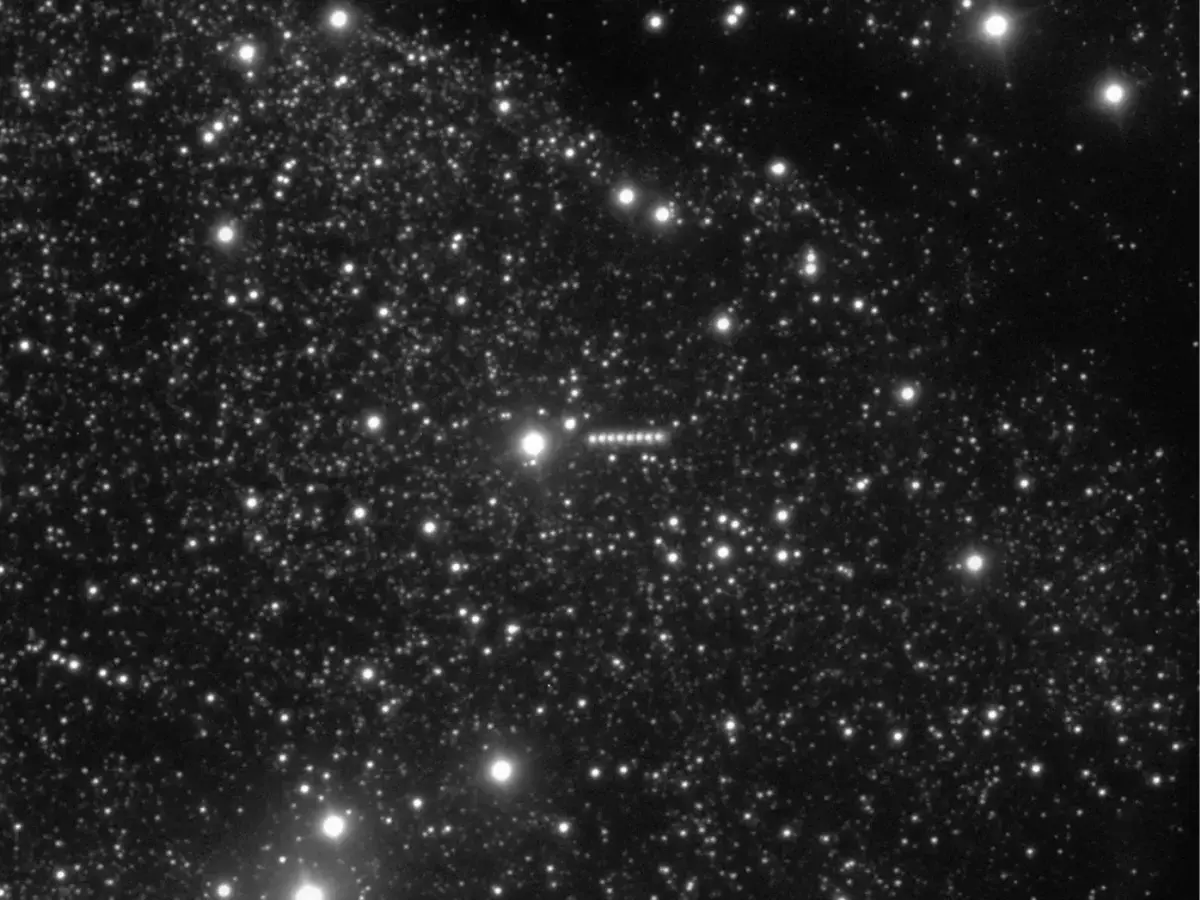
Early readings from the Asteroid Terrestrial-impact Last Alert System (ATLAS) showed 3I/ATLAS entering the solar system at roughly 26 km/s, consistent with interstellar speed. Yet, several weeks later, follow-up observations recorded a slight reduction in that rate, too subtle to dismiss, but too large to attribute solely to measurement error.
2. Cometary Drag Can’t Explain It
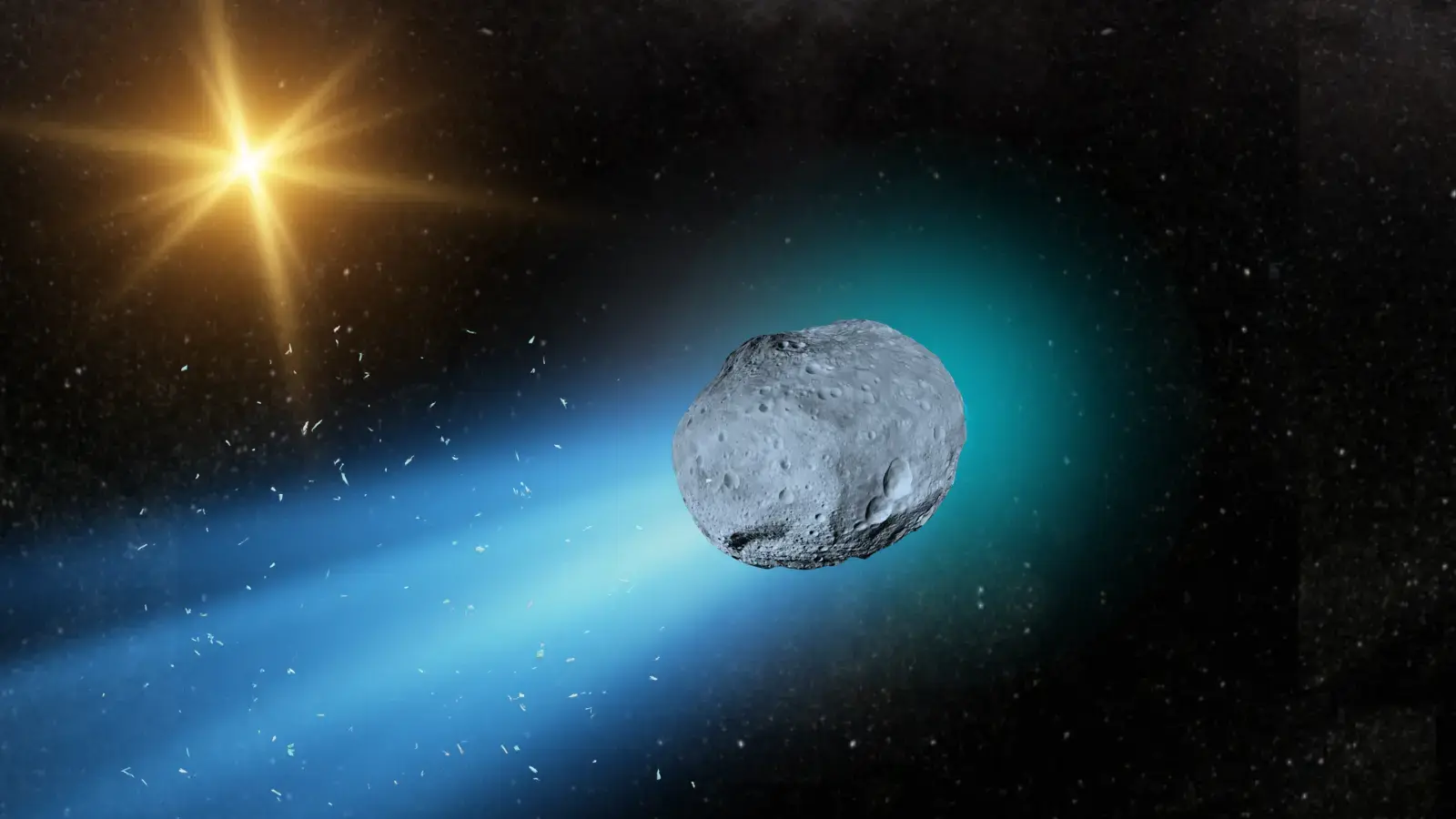
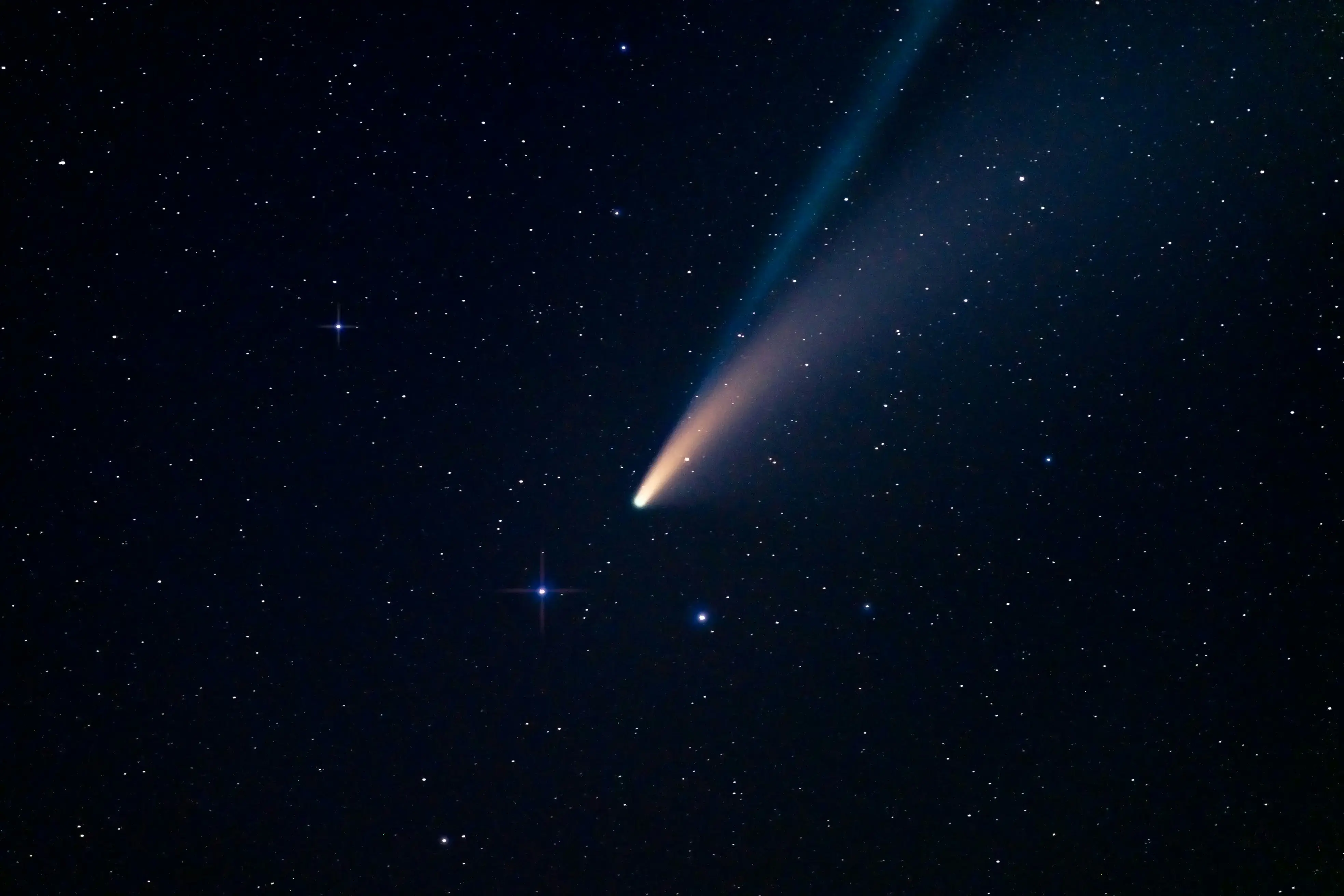
Typical comets slow down due to outgassing, the process of sublimating ice exerting recoil thrust. However, spectroscopic surveys from multiple observatories, including the European Southern Observatory and Pan-STARRS, revealed minimal volatile activity. In short, there’s no cometary tail or gas emission to justify measurable deceleration.
3. Possible Gravitational Influences Tested
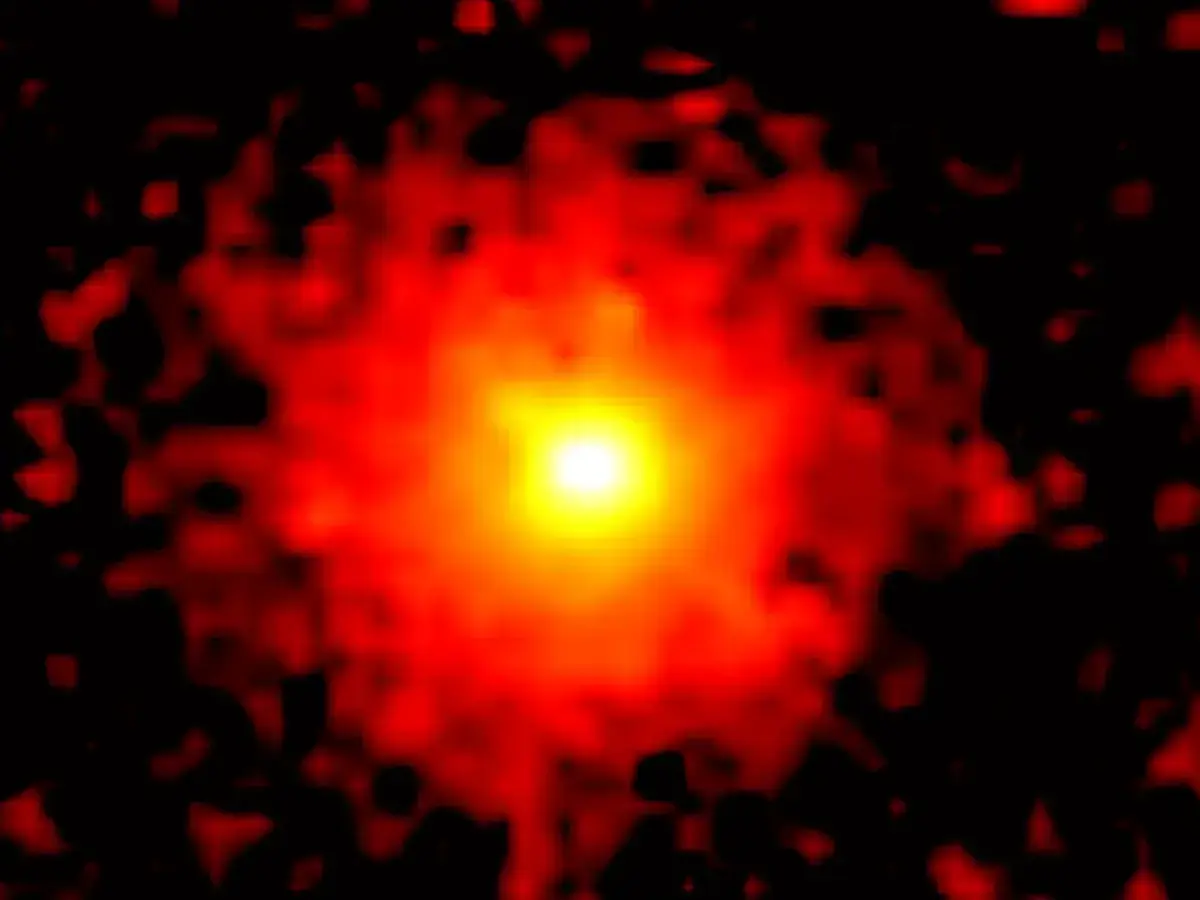
Astrophysicists rechecked gravitational models, factoring in solar tides, planetary perturbations, and radiation pressure. Even under conservative estimates, these forces could only account for a fraction of the observed slowdown. “It’s not enough to close the equation,” one astronomer told Nature Astronomy.
4. Loeb’s Artificial Origin Argument
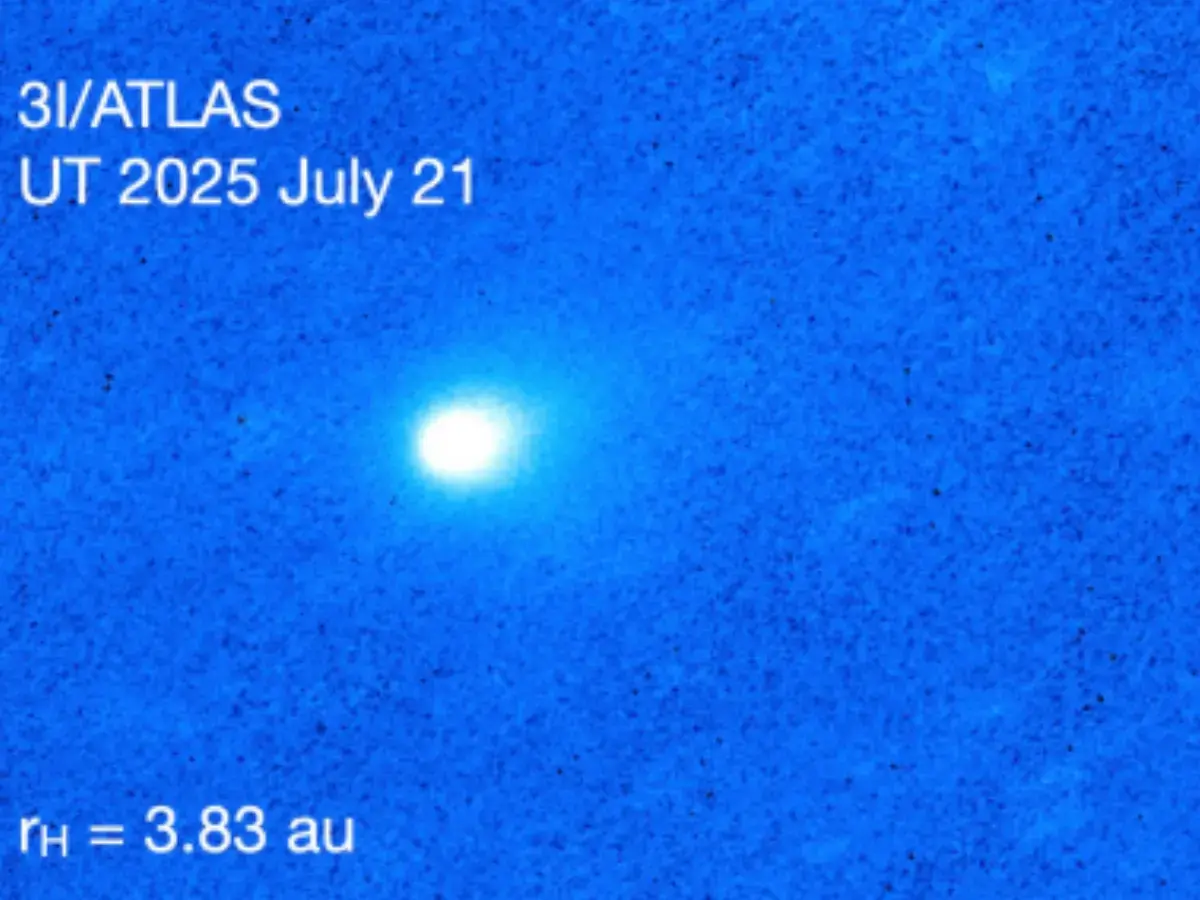
Harvard astrophysicist Avi Loeb points out that controlled deceleration could indicate mechanical or structural responsiveness, something not seen in natural bodies. “If 3I/ATLAS has a flat geometry, solar torque could act unevenly, mimicking course correction,” he explained. While he stops short of calling it deliberate, Loeb insists such behaviour “demands open-minded investigation.”

5. The Instrumental Error Debate
Sceptics argue the deceleration might result from tracking inconsistencies, given that 3I/ATLAS’s faintness and changing brightness complicate velocity calculations. Ground-based telescopes have varying calibration margins, and even small timing offsets can skew speed estimates. The uncertainty range remains under review.
6. A Pattern Similar to ‘Oumuamua
Interestingly, this isn’t the first time an interstellar object has behaved unpredictably. ʻOumuamua, observed in 2017, also exhibited non-gravitational acceleration, though in the opposite direction. Loeb notes that both anomalies could point to similar propulsion or reflective dynamics, reinforcing the light-sail hypothesis.

7. What the Slowdown Really Means
If confirmed, 3I/ATLAS’s apparent deceleration could indicate complex material composition, solar-radiation feedback, or in the most speculative case active control mechanisms. For now, the mystery remains unresolved, reminding scientists that even with advanced modelling, space still surprises.
)
)
)
)
)