'Created by mistake': 6 real hybrid animals you won’t believe exist

Each hybrid reflects unique biological quirks, ecological pressures, or human curiosity.
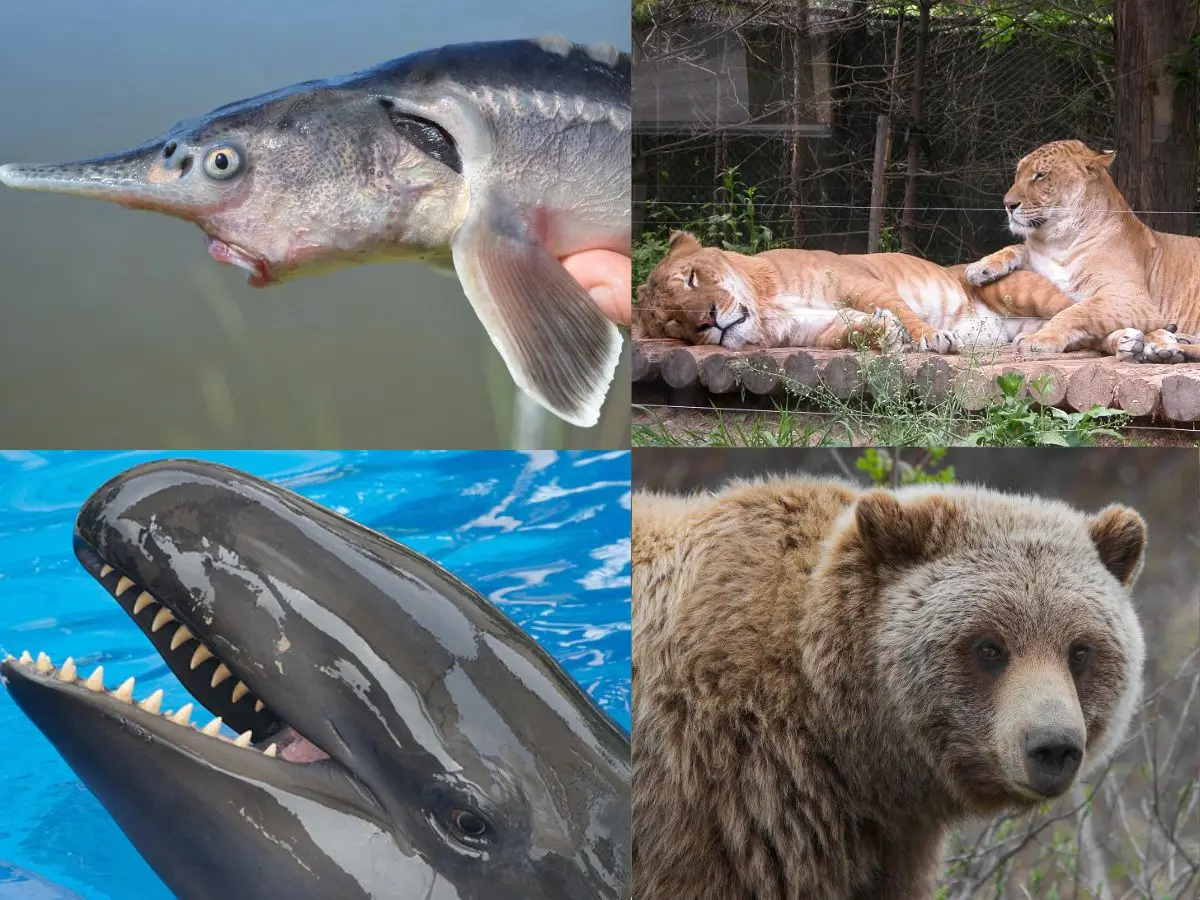
Intriguing Beginnings
Hybrid creatures, nature’s most improbable juxtapositions, deftly blur the line between the imaginable and the bizarre. Some emerge in captivity, others in the wild, or even as accidental by-products of experimental research. Each hybrid reflects unique biological quirks, ecological pressures, or human curiosity. Let’s delve into six of the most peculiar interspecies amalgamations known to science.
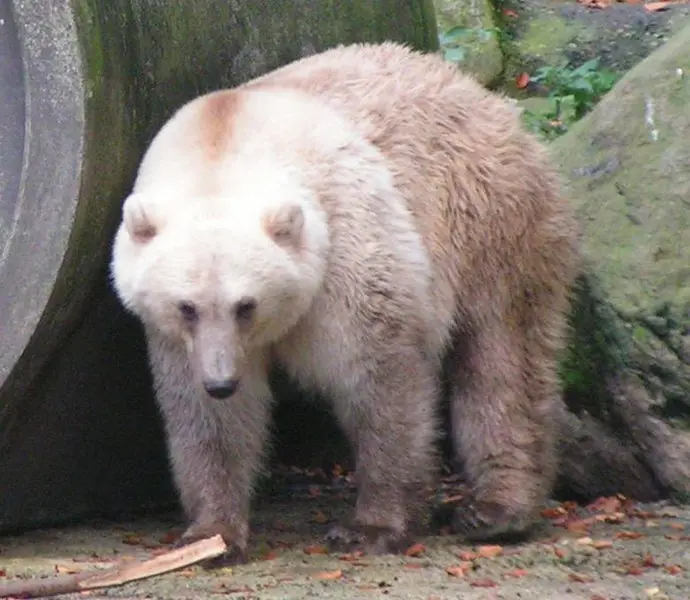
Pizzly / Grolar Bear
As Arctic ice retreats, polar bears and grizzly bears increasingly cross paths. The result? A hybrid variously known as the pizzly, grolar or nanulak, depending on which bear is the sire. First confirmed by DNA in 2006 in Canada’s Arctic, there have since been multiple cases, showing how climate shifts can drive hybridisation in even the most unlikely of pairings
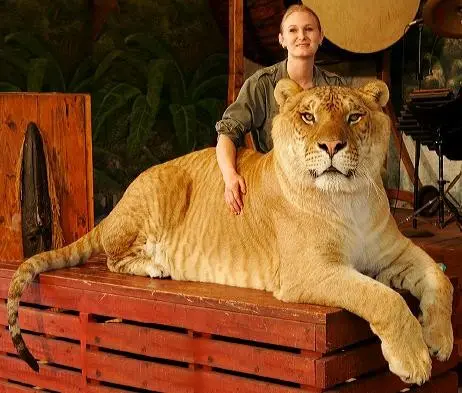
Liger
Perhaps the most iconic hybrid, the liger is born of a male lion and a female tiger, an extremely rare occurrence, confined to captivity since the two big cat species do not share territory in the wild. Ligers grow colossal, often outstripping both parents in size, and inherit a blend of traits: the social tendencies of lions and the aquatic fondness of tigers.
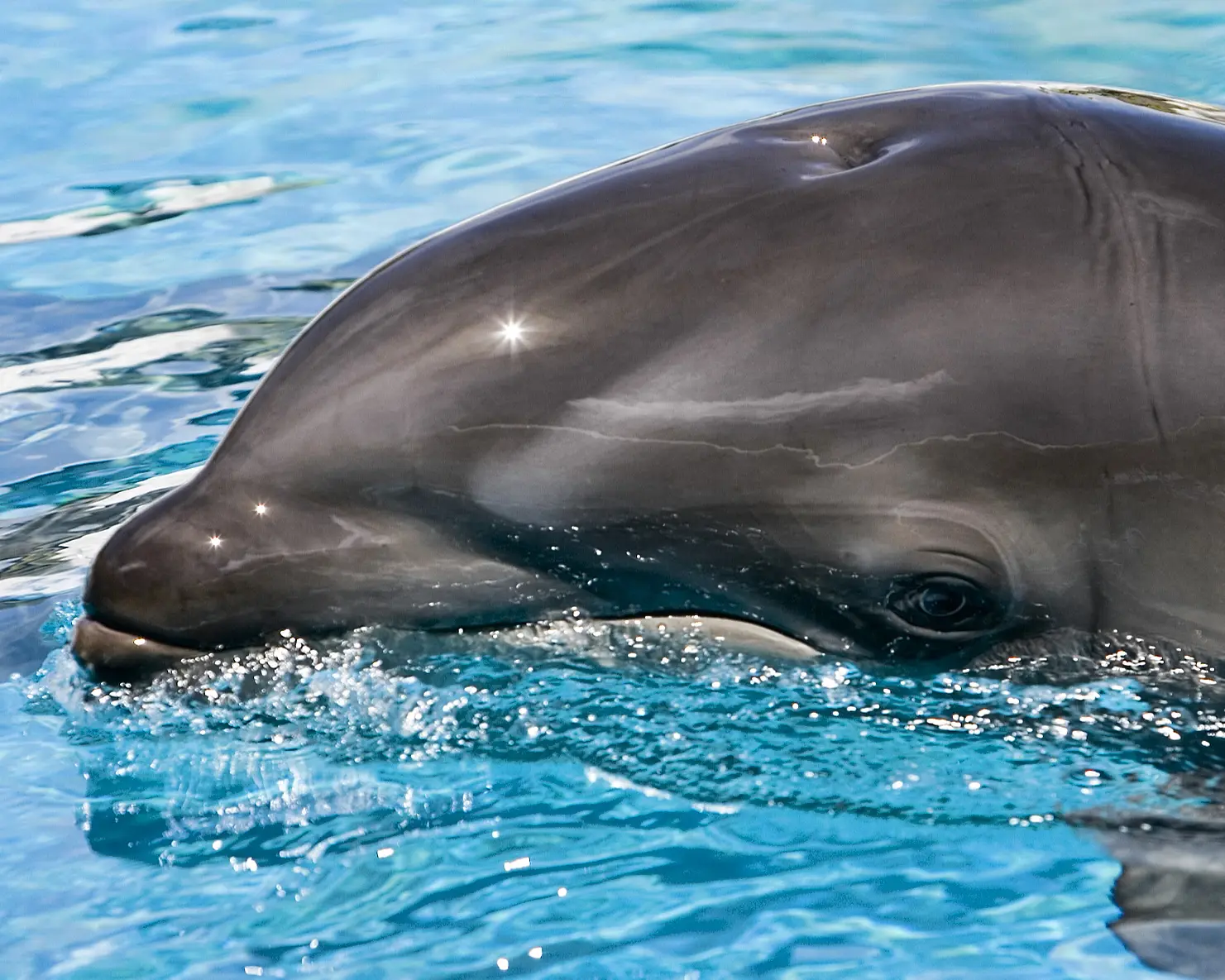
Wholphin
A marine marvel, the wholphin arises when a female bottlenose dolphin mates with a male false killer whale. Although both belong to the dolphin family, the size difference makes this union exceptional. Wholphins are remarkably rare, yet known to display blended characteristics of both parents, including physical size and behavioural cues.
Narluga
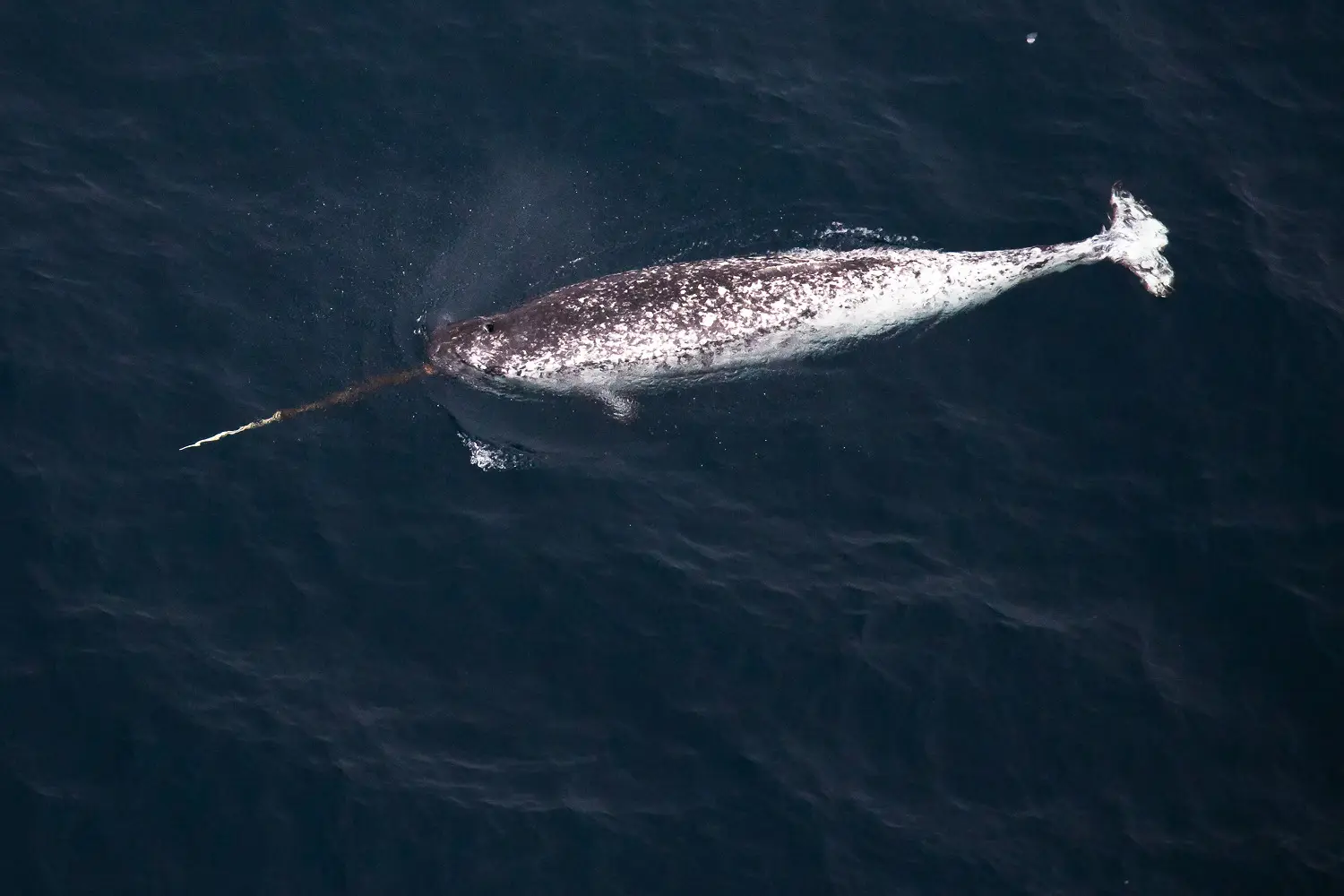
Perhaps the oddest hybrid of all, the narluga combines a narwhal (female) and a beluga whale (male). Recognised only from a skull discovered in Greenland and confirmed via genetic analysis in 2019, the narluga exhibits mixed features, spiral tooth remnants, an unusual skull size, and employs a benthic feeding strategy rather than the pelagic approach of its parents.
Pumapard
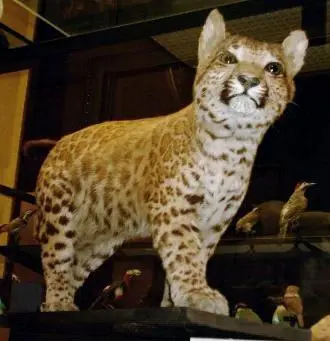
This rare feline hybrid results from a pairing between a cougar and a leopard. Contrary to many hybrids that grow large, pumapards suffer dwarfism, some only reaching half the size of either parent. With elongated bodies, short legs, and a patchy, rosette-patterned coat, their appearance is as peculiar as their genetic legacy.
Sturddlefish
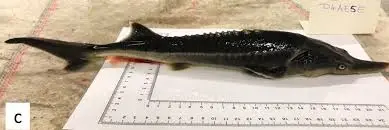
Not all hybrids are terrestrial. The sturddlefish emerged accidentally in a Hungarian lab when scientists attempted gynogenesis and mistakenly crossed endangered American paddlefish with Russian sturgeon. Despite their distant evolutionary split (circa 184 million years), viable offspring resulted, an astonishing anomaly. A proportion survived up to a year in captivity before preservation; further breeding was halted for ethical and ecological reasons.
)
)
)
)
)