Top 7 countries with 100% literacy rate — Check the list here

All these nations have built a stronger education system, focusing on ensuring equal opportunity in the long term. With good governance and long-term policy support, these countries have been able to build a stronger and quality education system for citizens.

Norway: 100%
Due to a comprehensive, free and equitable education system, Norway consistently achieved a 100% literacy rate, according to data in World Population Review. Compulsory schooling from ages 6 to 16 ensures universal access to quality education.
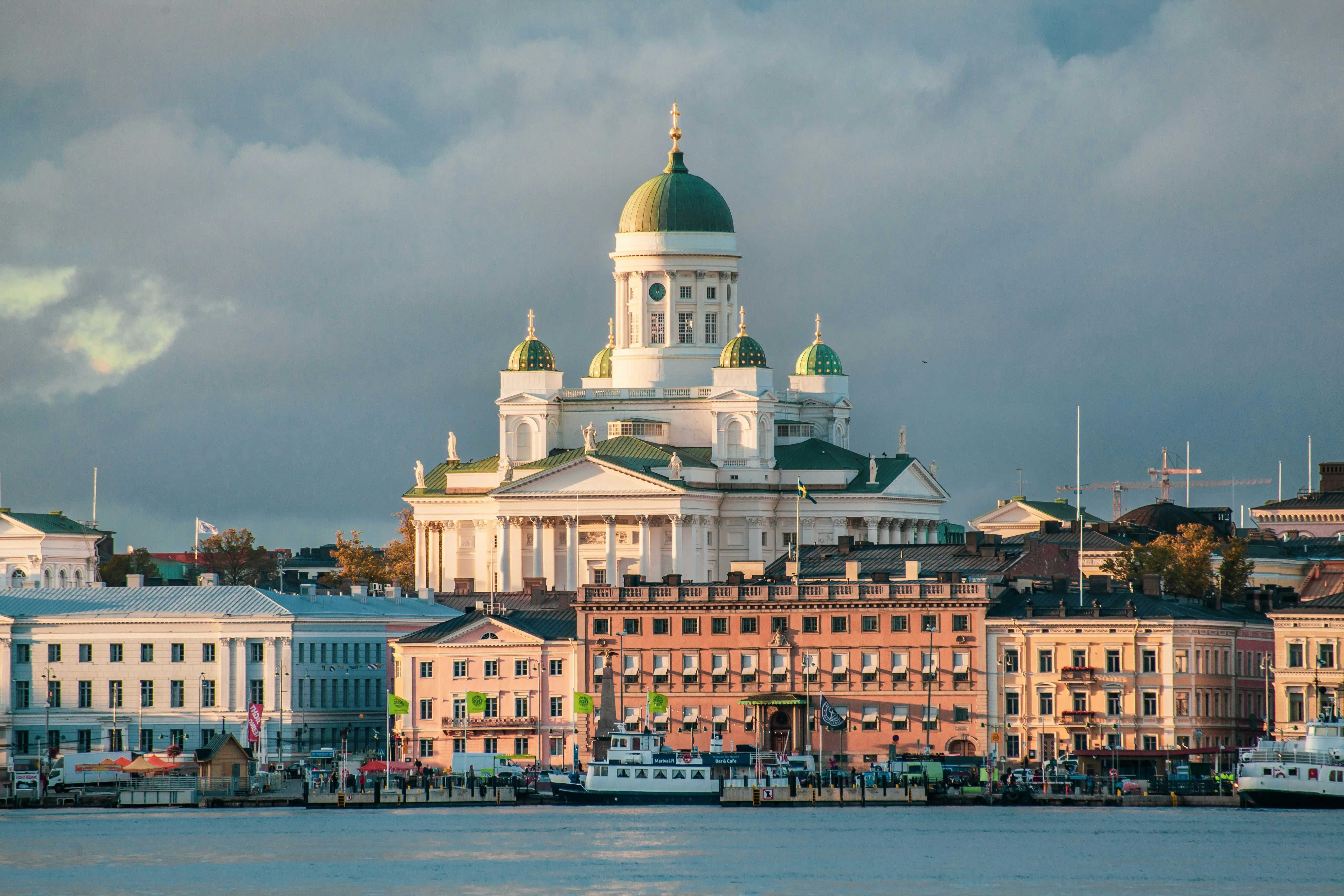
Finland: 100%
The literacy rate in Finland is also 100% as the dropout rate is less than 5% for Finnish upper secondary students. It spends about 7% of its GDP on education, one of the highest among the 38 member nations of the Organisation for Economic Co-operation and Development (OECD).
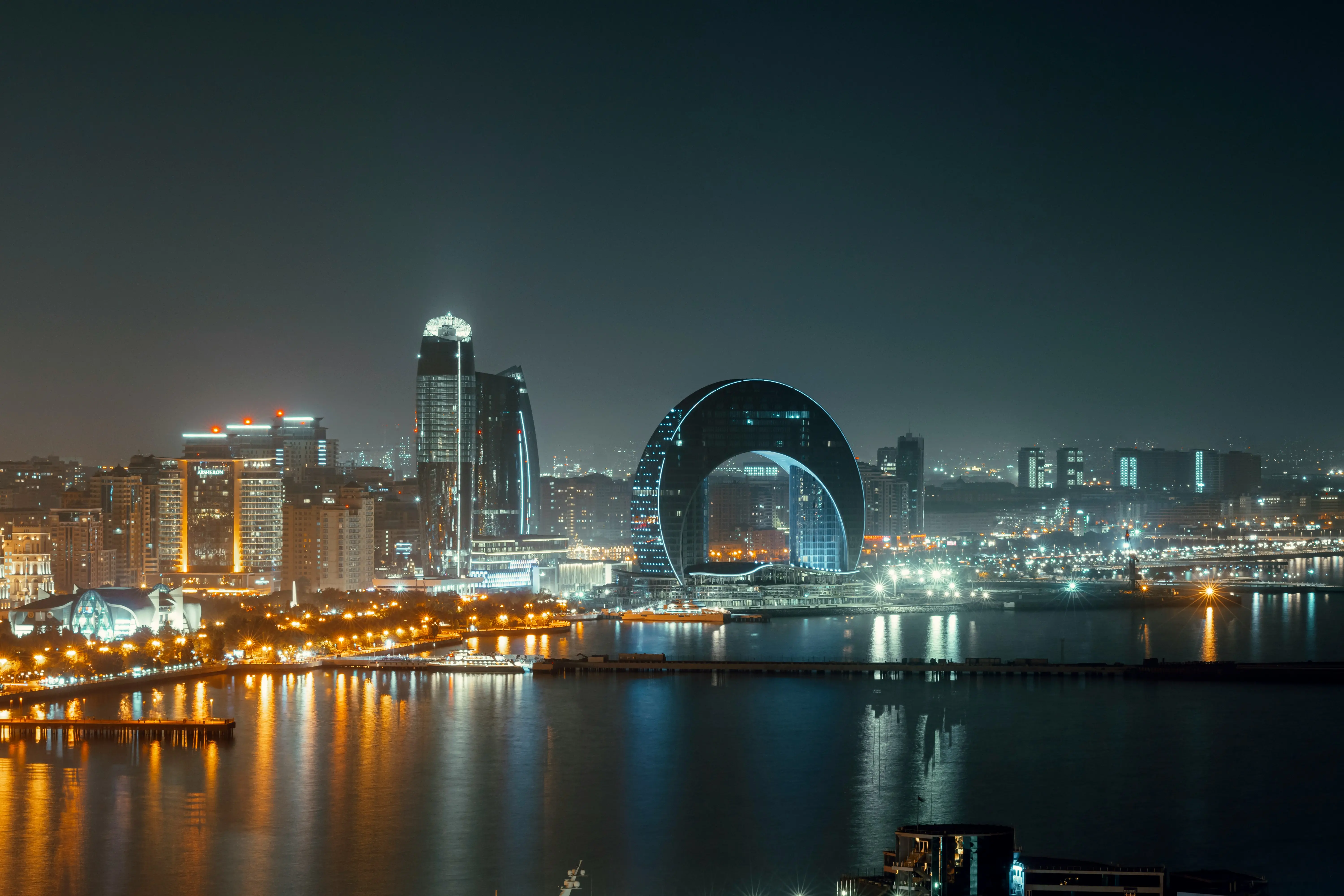
Azerbaijan: 100%
Surprisingly, Azerbaijan has also approached 100% of its literacy which stems from its Soviet-era literacy drive and sustained post-independence investment in education.
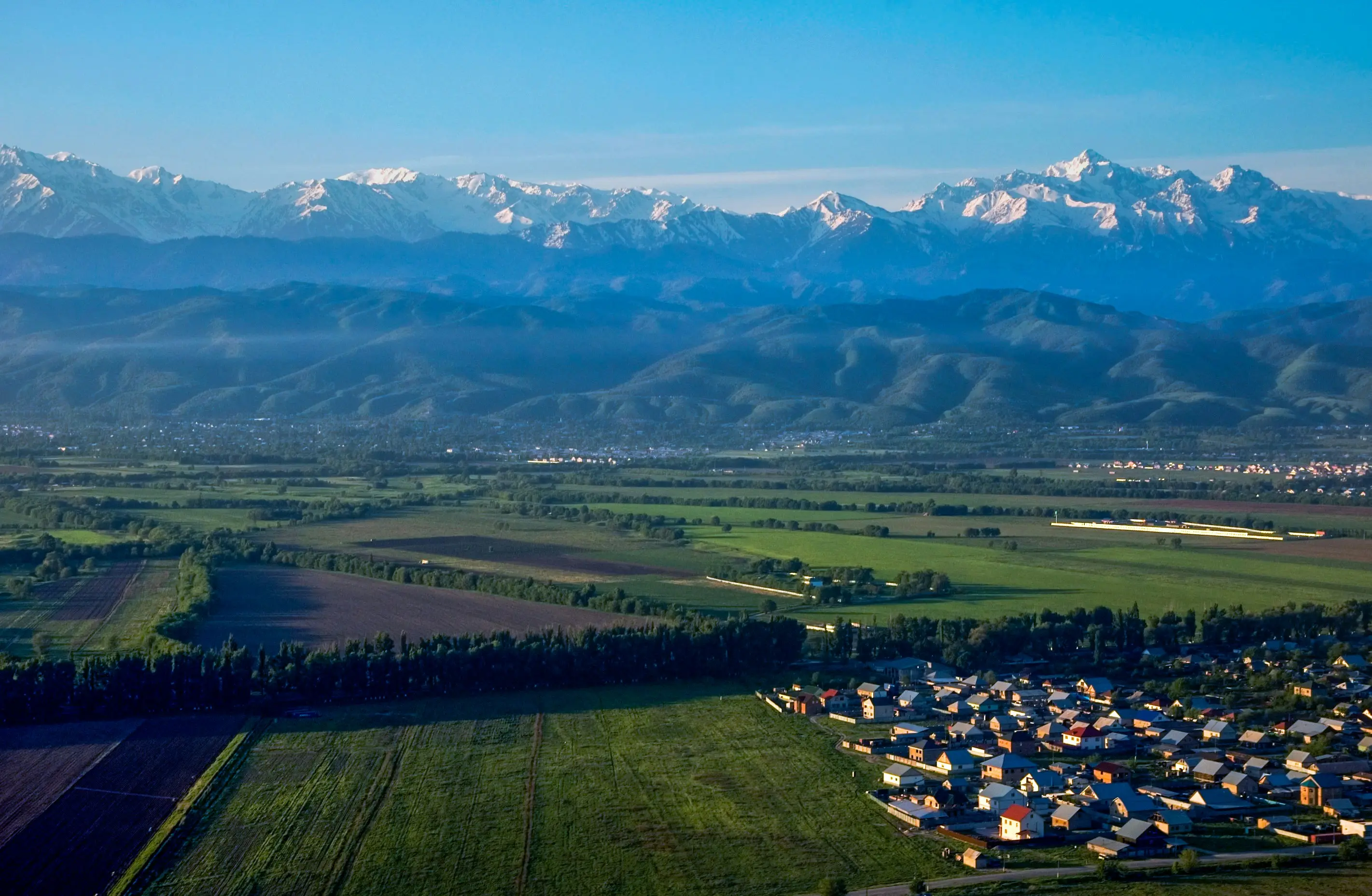
Kazakhstan: 100%
Kazakhstan has achieved its 100% literacy after implementing a mandatory, state-guaranteed education system with a focus on expanding pre-school and rural education, a comprehensive teacher development initiative and updating the curriculum with new State Compulsory Standards and modern technologies.
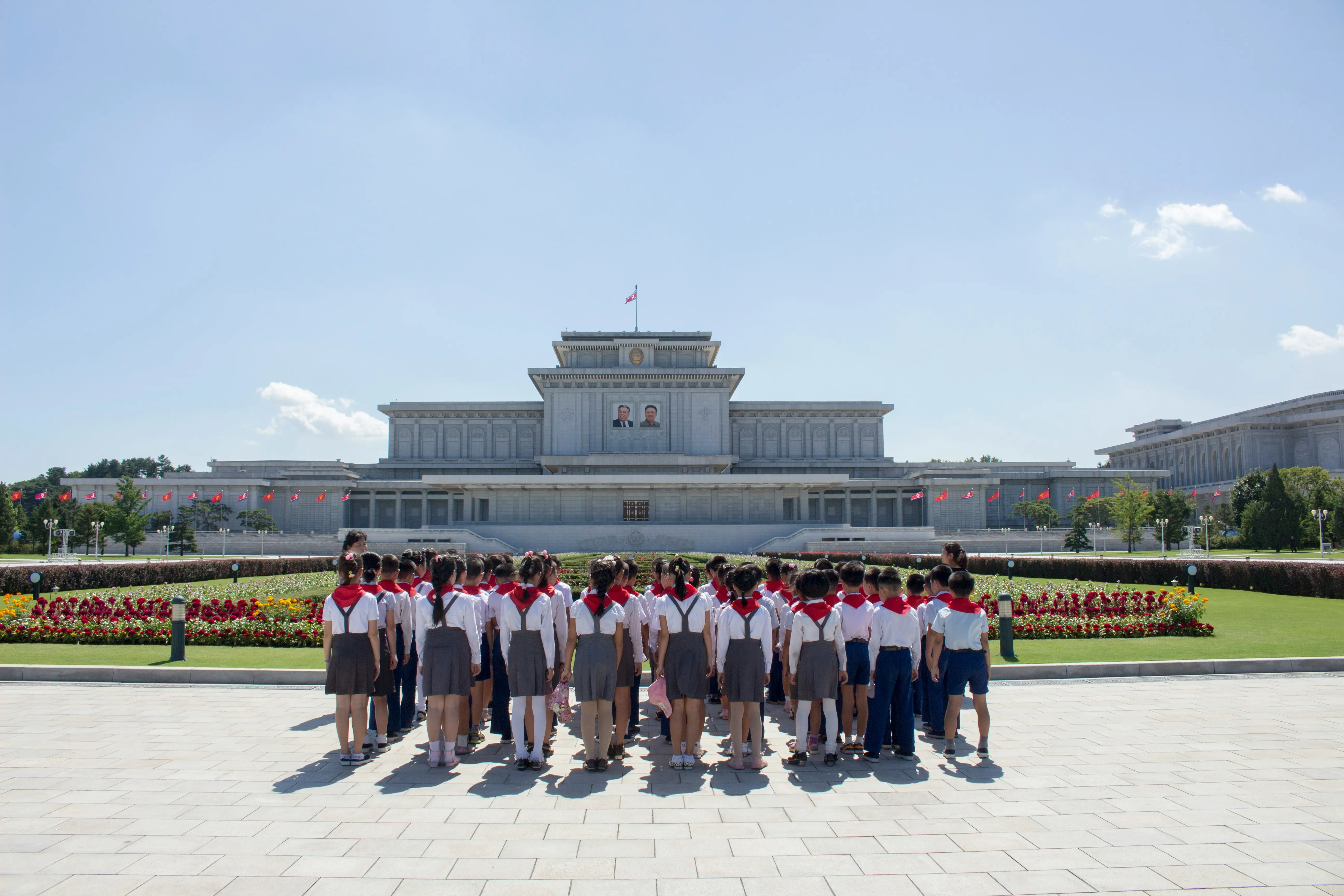
North Korea: 100%
The success of North Korea with 100% literacy is due to free education, which traditionally has been compulsory for 11 years, from ages four to 15, in state-run schools. With preschool through secondary schooling provided free and mandatory, coupled with near-universal school attendance.
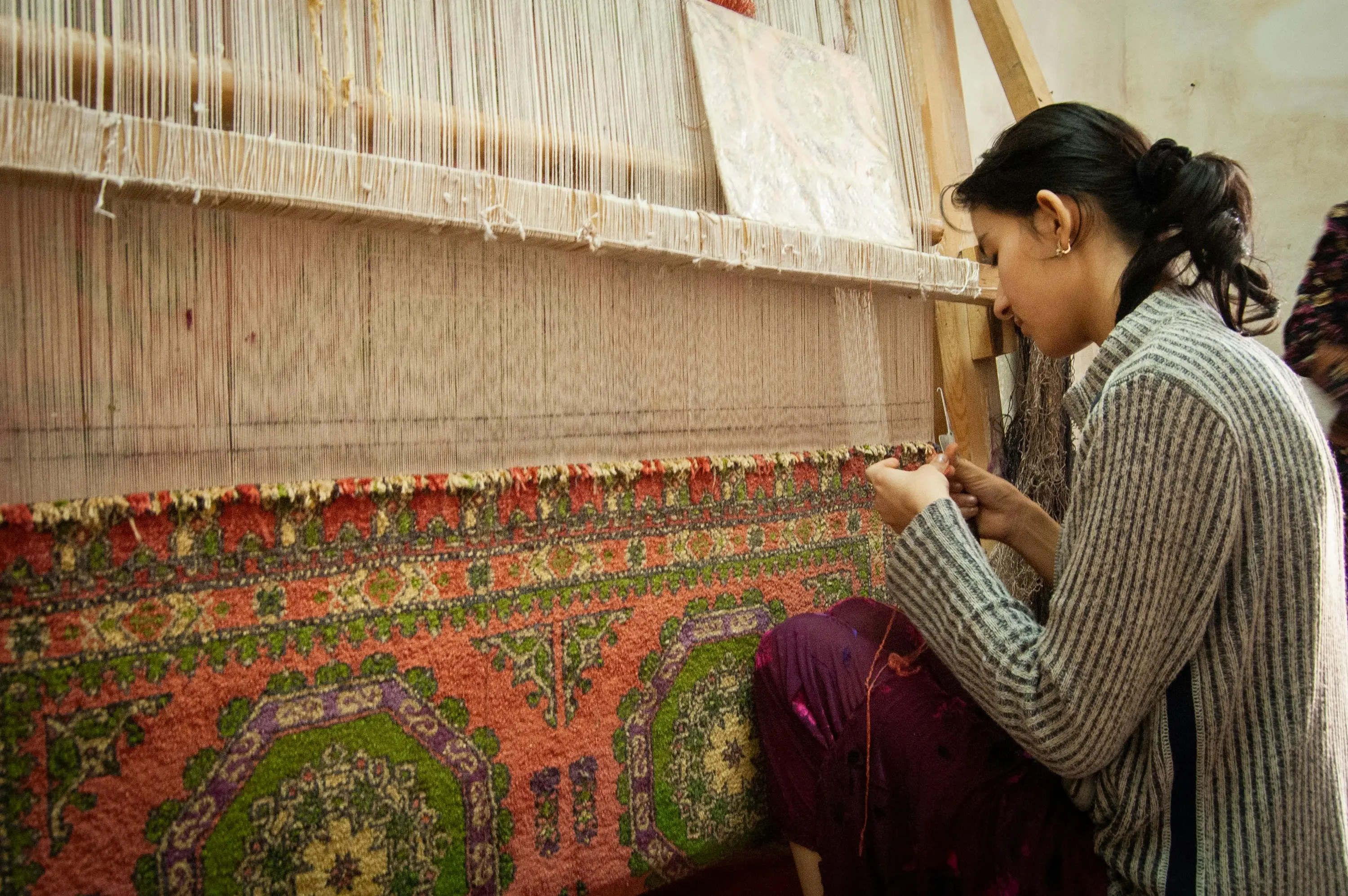
Uzbekistan: 100%
Uzbekistan's 100% literacy rate is the result of the country's continued investment in its public education system, ensuring it remains mandatory and free through the secondary level after it gained liberated from the Soviet Union.

Ukraine: 100%
Ukraine's 100% literacy rate is the outcome of the country's long history of a strong education system, which is rooted in the Soviet legacy of free, compulsory education and sustained post-independence reforms.
)
)
)
)
)