Could US hit Iran soon? 'Weeks‑long Iran operations' possible as USS Gerald R. Ford set to join Abraham Lincoln in Middle East

The United States is preparing for the possibility of sustained, weeks-long military operations against Iran if ordered by Donald Trump, US officials told Reuters.
Growing Military Posture in the Middle East
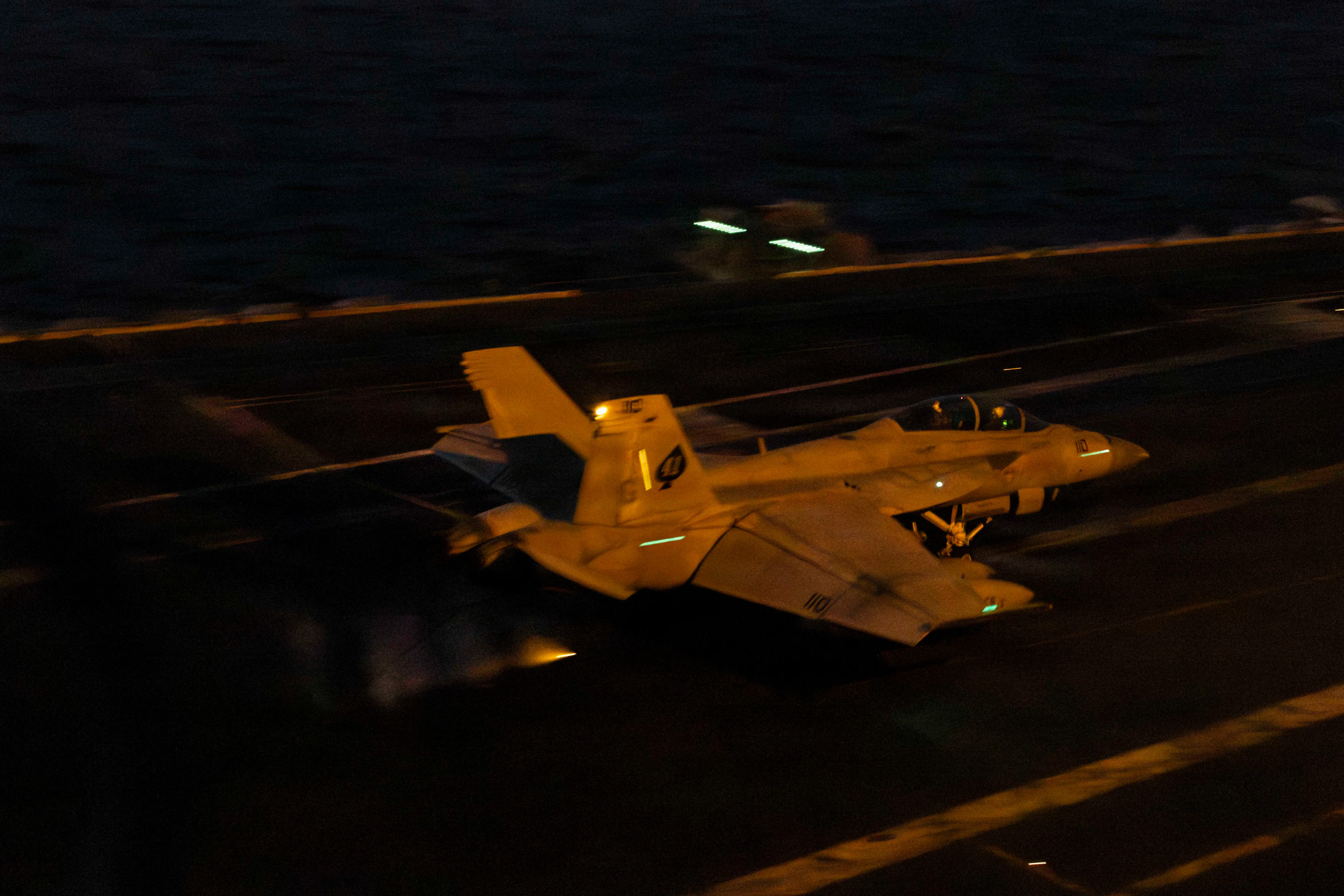
The United States is reportedly preparing for potentially weeks‑long military operations against Iran, according to two US officials cited by Reuters. The planning comes amid a substantial build-up of American forces in the Middle East, including the redeployment of a major aircraft carrier strike group, as tensions rise over Tehran’s nuclear programme and ballistic missile development, raising the prospect of a far more serious confrontation than previously seen between the two countries.
Second Carrier Added to Regional Presence
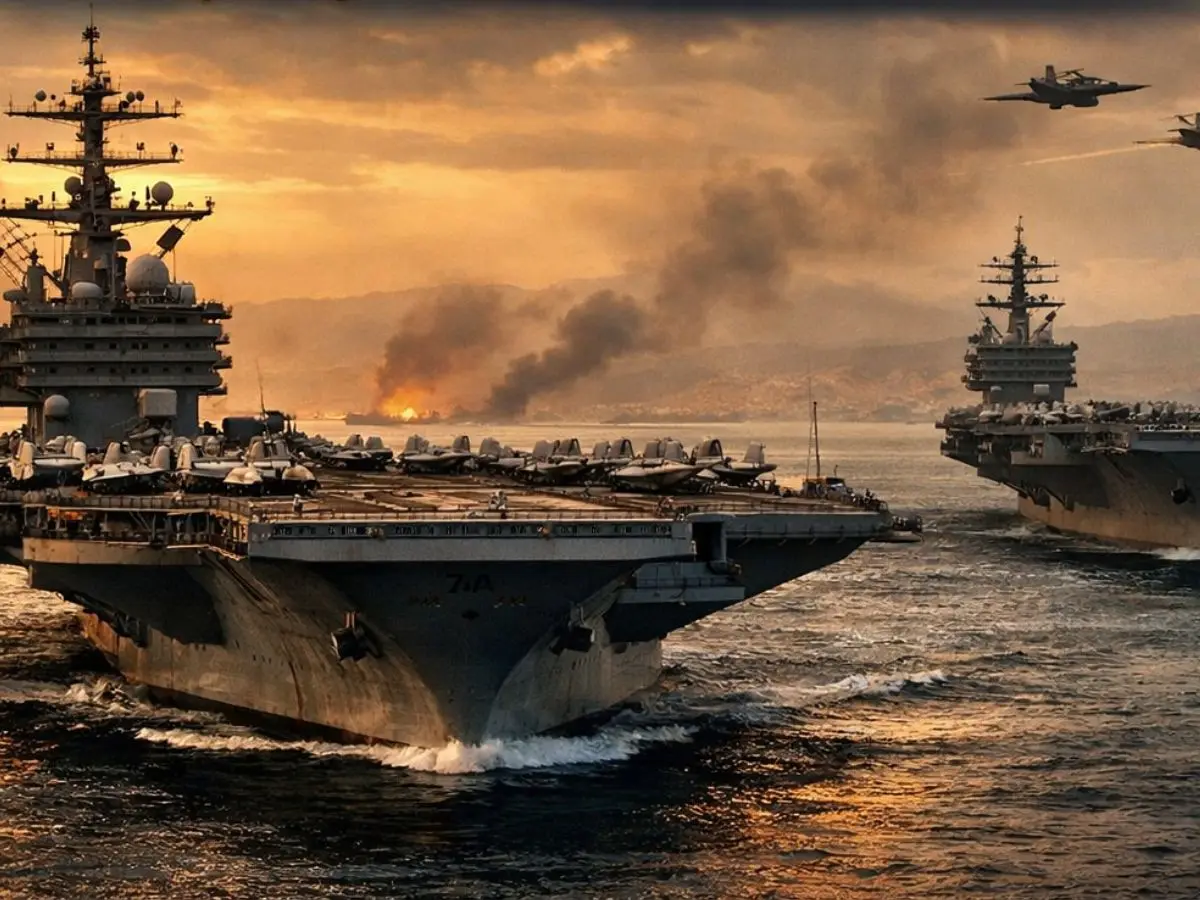
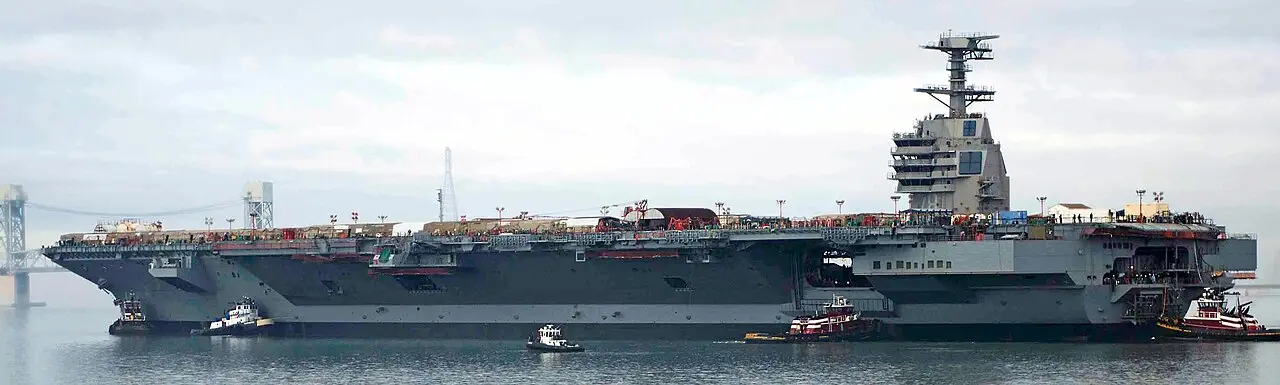
The Pentagon has redirected the nuclear-powered USS Gerald R. Ford from the Caribbean to join the USS Abraham Lincoln and its strike group in the Persian Gulf. The decision places two carrier groups within range of Iran, enhancing the US military’s ability to project air and naval power.
Extended Deployment and Strategic Impact
The USS Gerald R. Ford was redeployed to the Caribbean in late 2025 as part of a significant US naval presence related to “Operation Southern Spear,” which included a large build‑up of warships, aircraft and troops in the region and US military actions against vessels linked to Venezuela. The carrier strike group’s assets, including its fighter jets, supported broader operations that coincided with the capture of Venezuelan President Nicolás Maduro and subsequent enforcement actions such as tanker seizures. The recent announcement of its transfer to the Middle East adds thousands more troops, fighter aircraft, guided‑missile destroyers and other combat power capable of conducting offensive operations and providing layered defence.
Diplomatic Efforts Continue Amid Buildup
US and Iranian diplomats held talks in Oman in recent weeks aimed at reviving negotiations over Iran’s nuclear programme. Officials characterised the discussions as an attempt to gauge Tehran’s seriousness. Despite these efforts, disagreements over ballistic missiles programme and regional influence persist, and Trump has kept 'all options on the table' as the military posture grows. According to Reuters, when asked for comment on the preparations for a potentially sustained US military operation, White House spokesperson Anna Kelly said, "He listens to a variety of perspectives on any given issue, but makes the final decision based on what is best for our country and national security."
Trump’s Public Statements and Policy
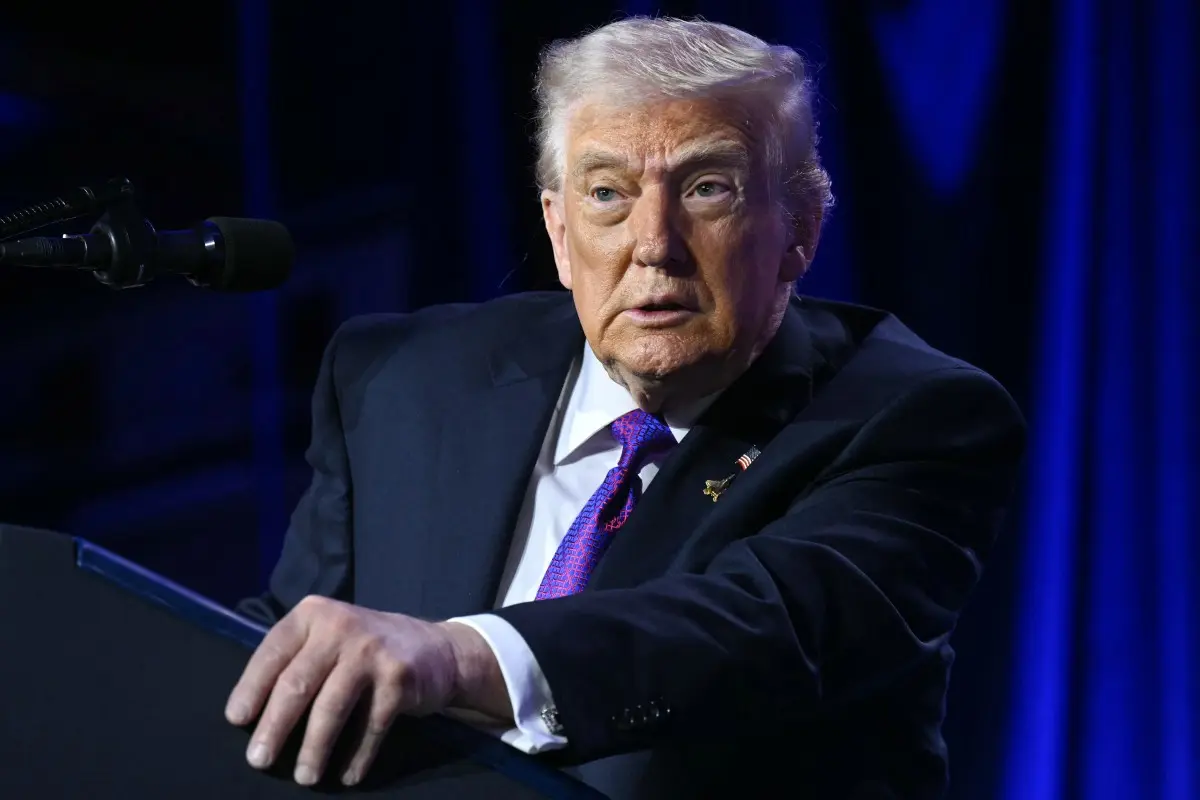
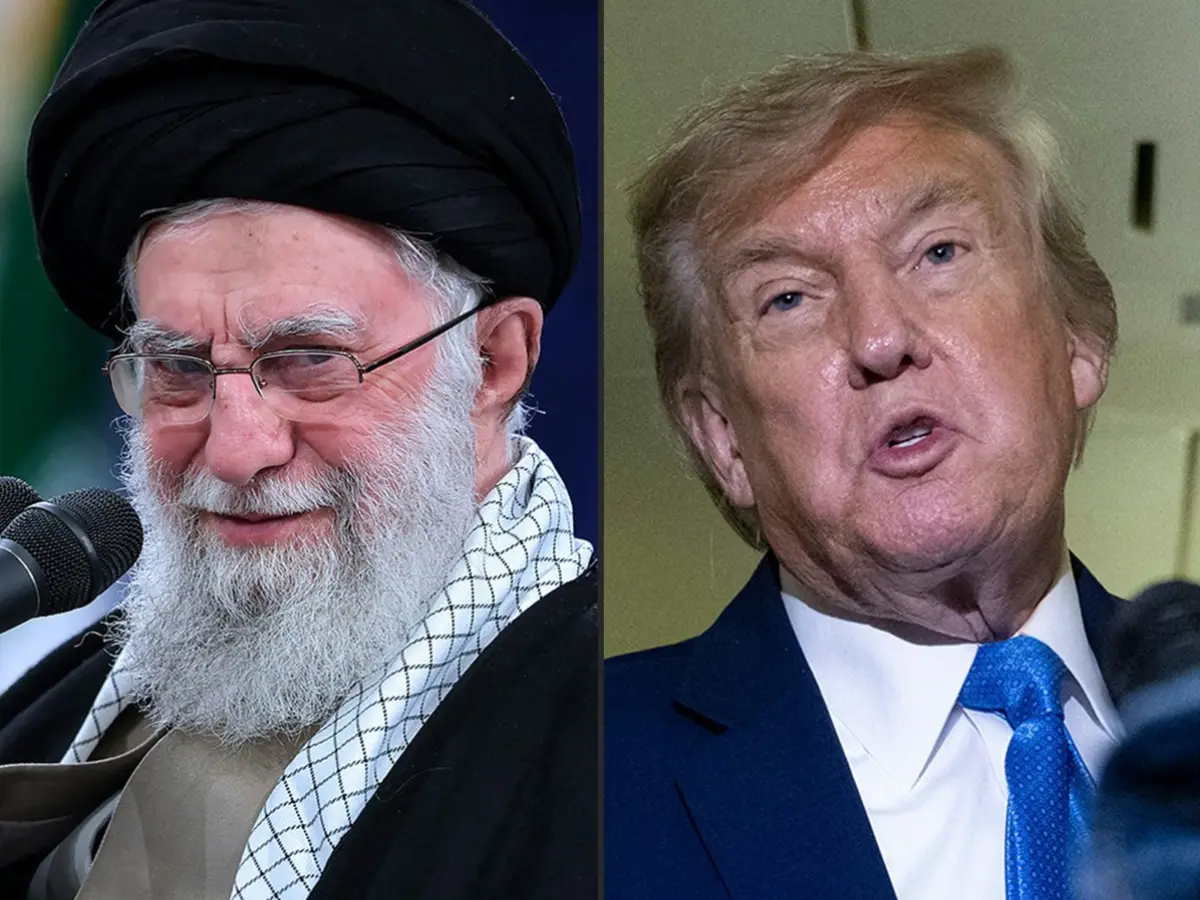
Trump has repeatedly emphasised a hard line towards Iran, warning of “traumatic” consequences if Tehran fails to reach an agreement. He has also suggested that regime change would be beneficial, comments that align with the substantial military presence now being assembled and the redeployment of high-end naval assets. The United States had sent two aircraft carriers to the region last year, when it carried out strikes against Iranian nuclear sites.
Naval Power Projection and Regional Security
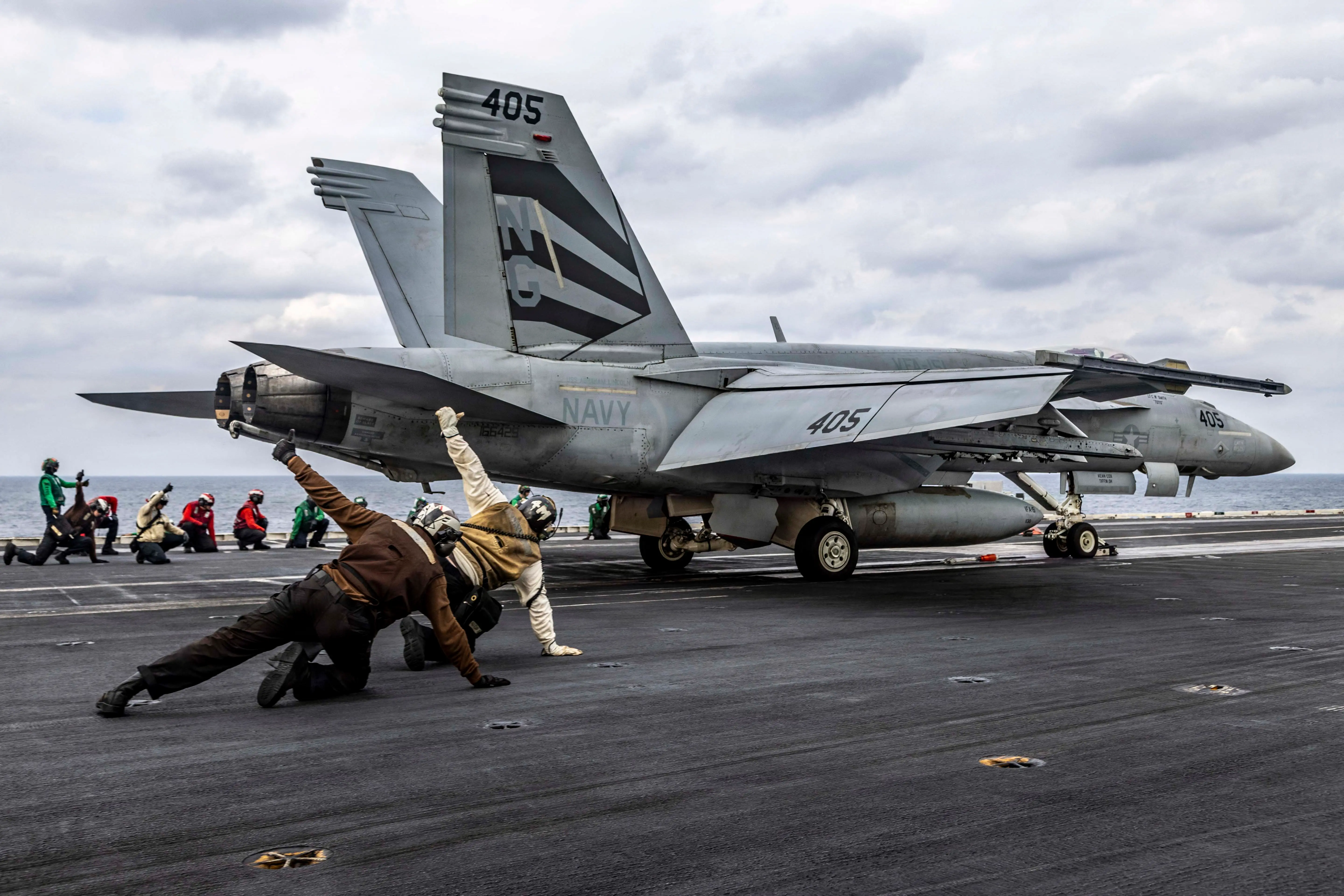
The arrival of the USS Gerald R. Ford alongside the USS Abraham Lincoln significantly increases US naval air power in the region. Dual carrier strike groups provide enhanced surveillance, strike capability and defensive reach, reducing reaction times and improving operational flexibility should hostilities escalate.
Balancing Diplomacy and Military Pressure
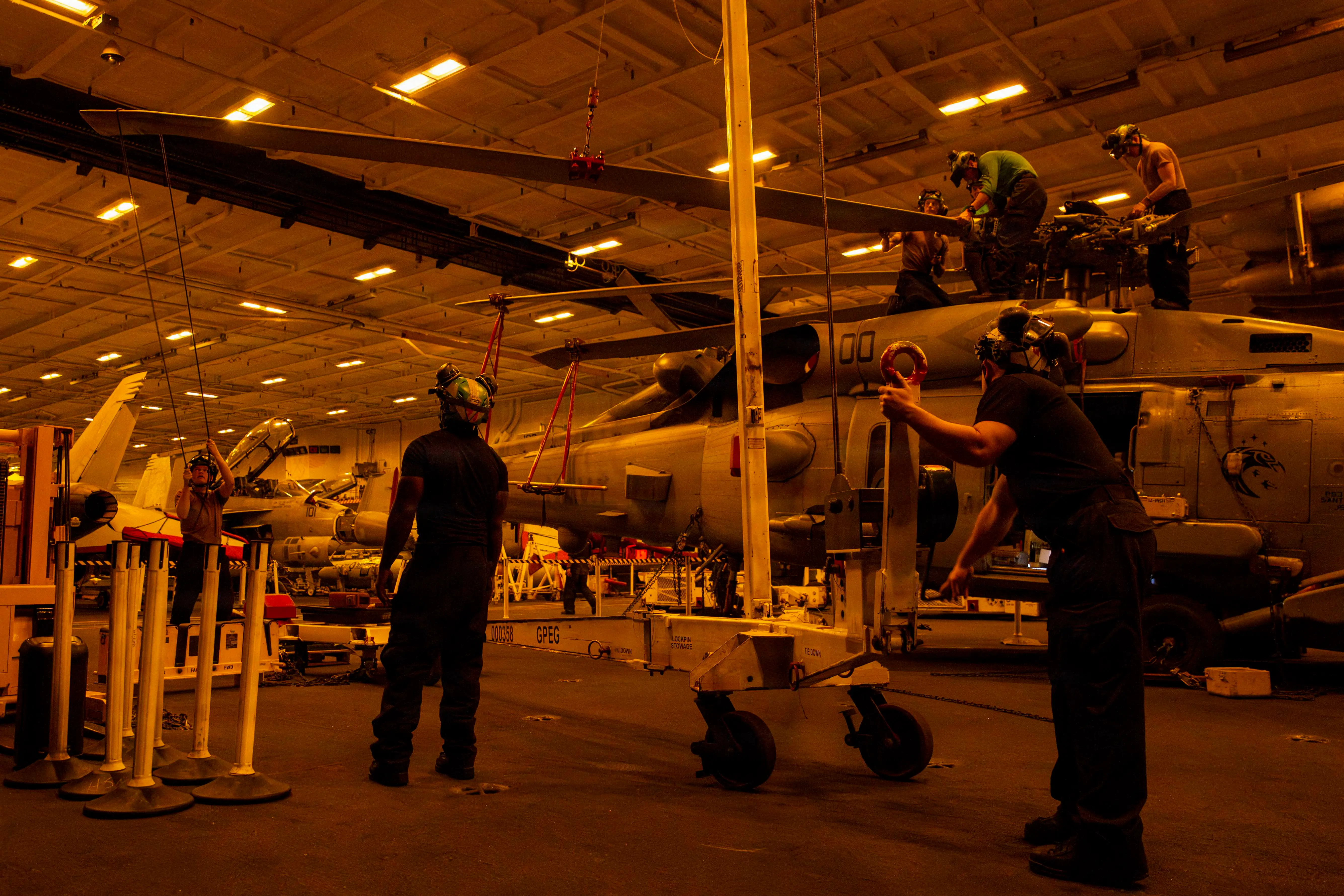
While diplomacy, including negotiations in Oman, continues, the US military’s preparations for extended operations underscore the complexity of the current standoff with Iran. Officials acknowledge that any sustained campaign would be more extensive than past one-off strikes, reflecting both the scale of Iranian capabilities and the strategic importance Washington places on stopping Tehran’s nuclear and missile development.
)
)
)
)
)