Billions of years of interstellar travel likely triggered staggering changes in 3I/ATLAS

Interstellar comet 3I/ATLAS mystery continues to deepen after scientists noticed that it behaved strangely near the Sun. Two researchers say that this could be simply because of its home planetary system, or it is possible that interstellar travel changed it.
How perihelion offered multiple insights into 3I/ATLAS
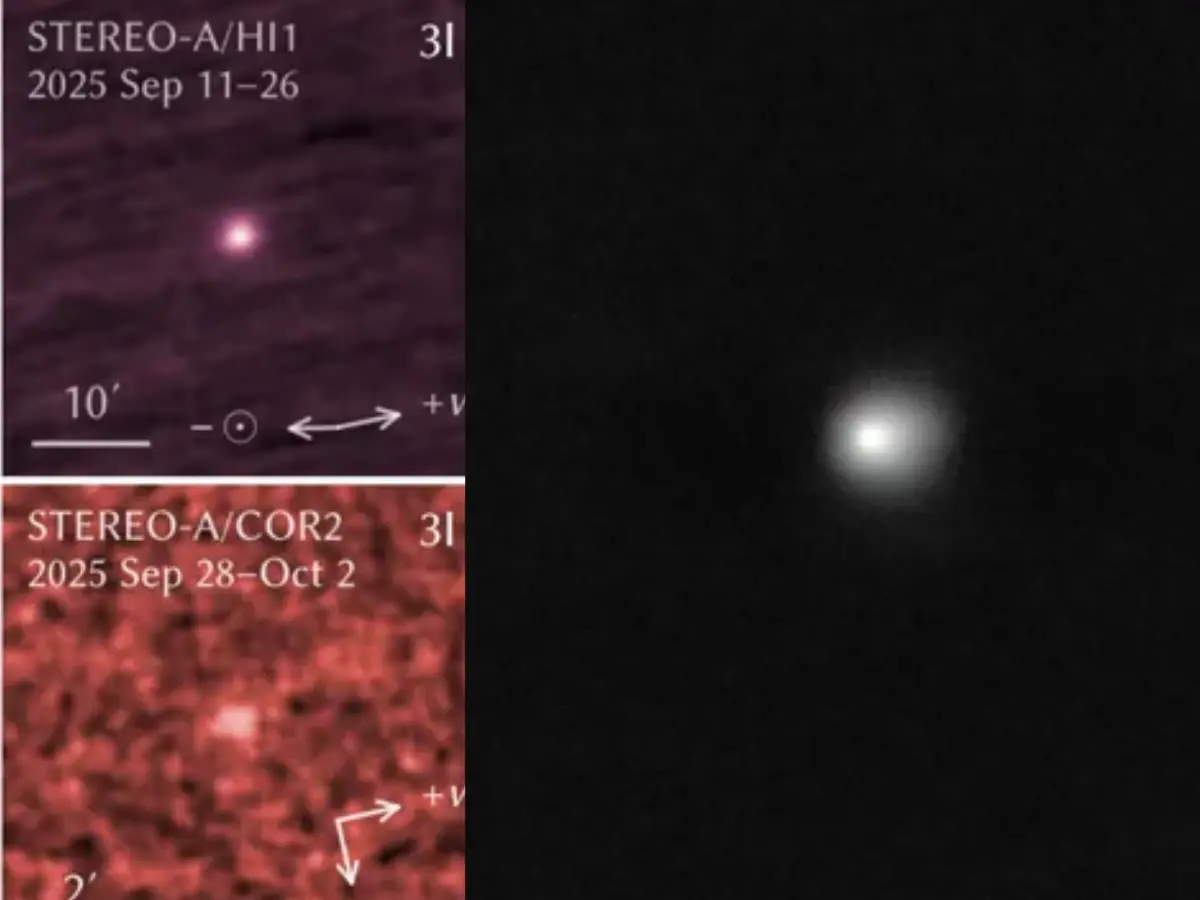
Interstellar comet 3I/ATLAS reached perihelion on October 29-30. Just before and after this event, the comet underwent several changes which are hard to explain. Scientists are trying to understand the strange occurrences happening with the comet, especially near the Sun.
Sudden brightening of 3I/ATLAS near Sun remains unexplained
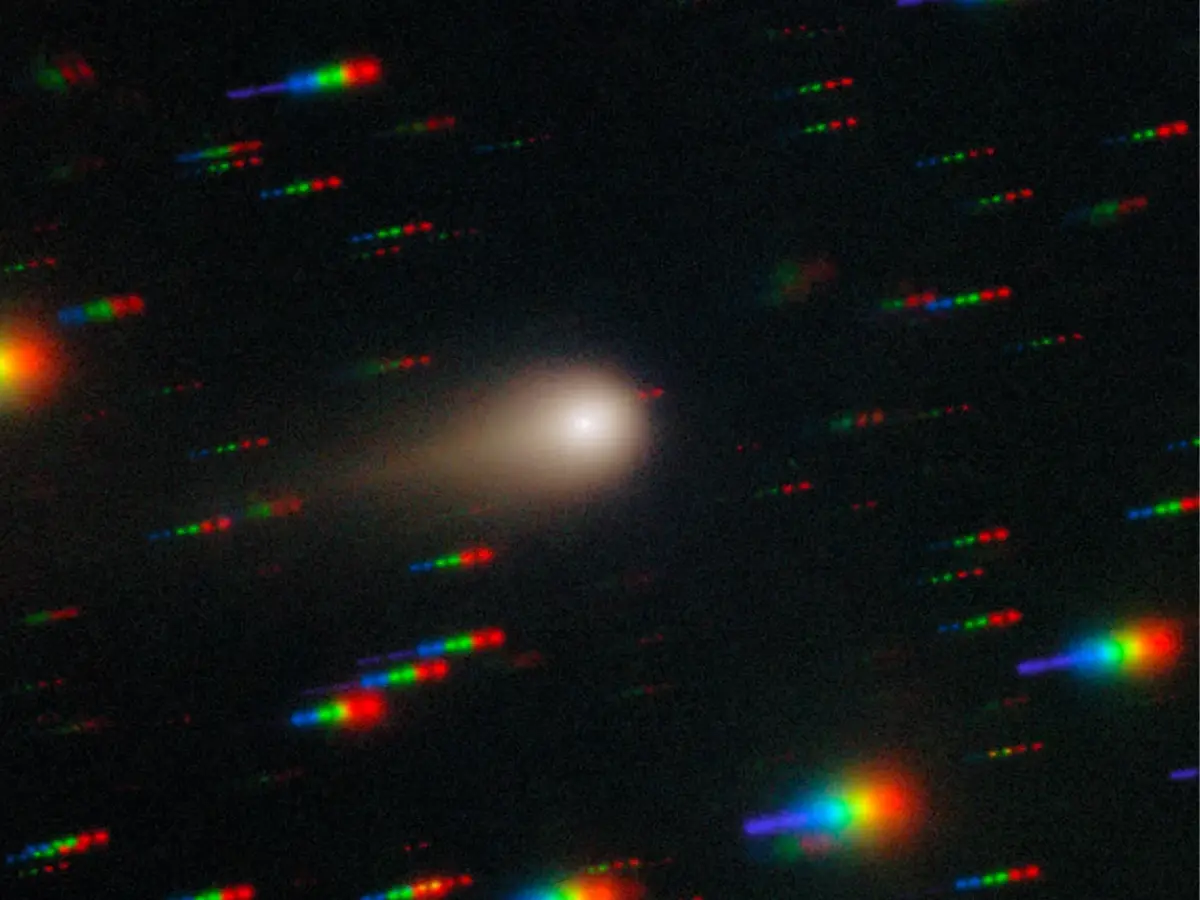
One of the biggest things noticed about 3I/ATLAS near the Sun was the sudden brightening. Harvard scientist Avi Loeb has termed it a ninth anomaly, something that is unusual and unexplainable since comets aren't supposed to behave in this manner. Two researchers wrote in a paper, "The reason for 3I’s rapid brightening, which far exceeds the brightening rate of most Oort cloud comets at similar r [radial distance], remains unclear."
3I/ATLAS behaviour offers clues about its origin
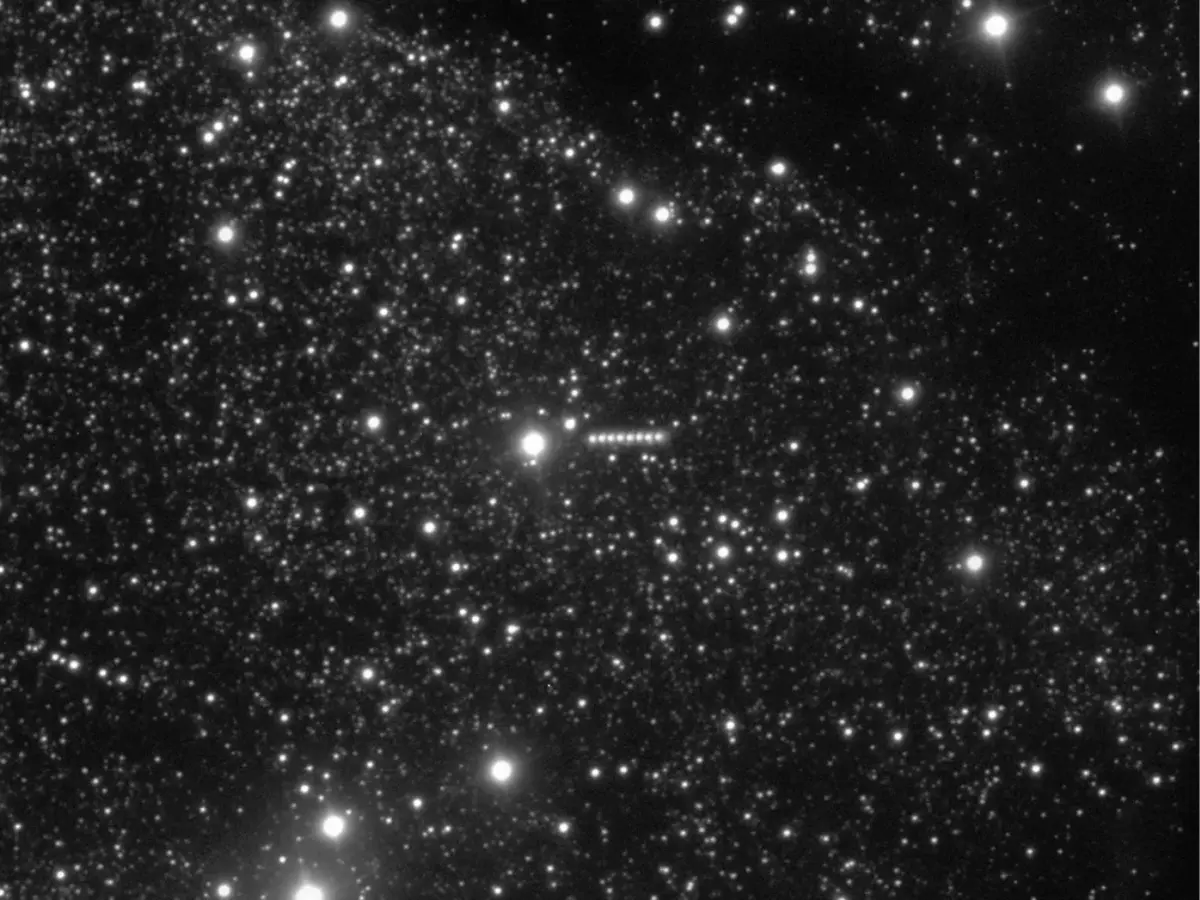
They think that this could be a sign that its internal makeup is starkly different from the solar system comets. "Oddities in nucleus properties like composition, shape, or structure" could mean that it acquired these features from its home planetary system.
Did interstellar travel change 3I/ATLAS?
There is also another likely explanation, scientists Qicheng Zhang of Lowell Observatory in Flagstaff, Arizona, and Karl Battams, an astrophysicist at the Naval Research Laboratory (NRL) in Washington, DC, say. It is also possible that its trip through interstellar space changed it, leading to mysterious events in 3I/ATLAS's trip through our solar system.
3I/ATLAS turned 'bluer than the Sun'
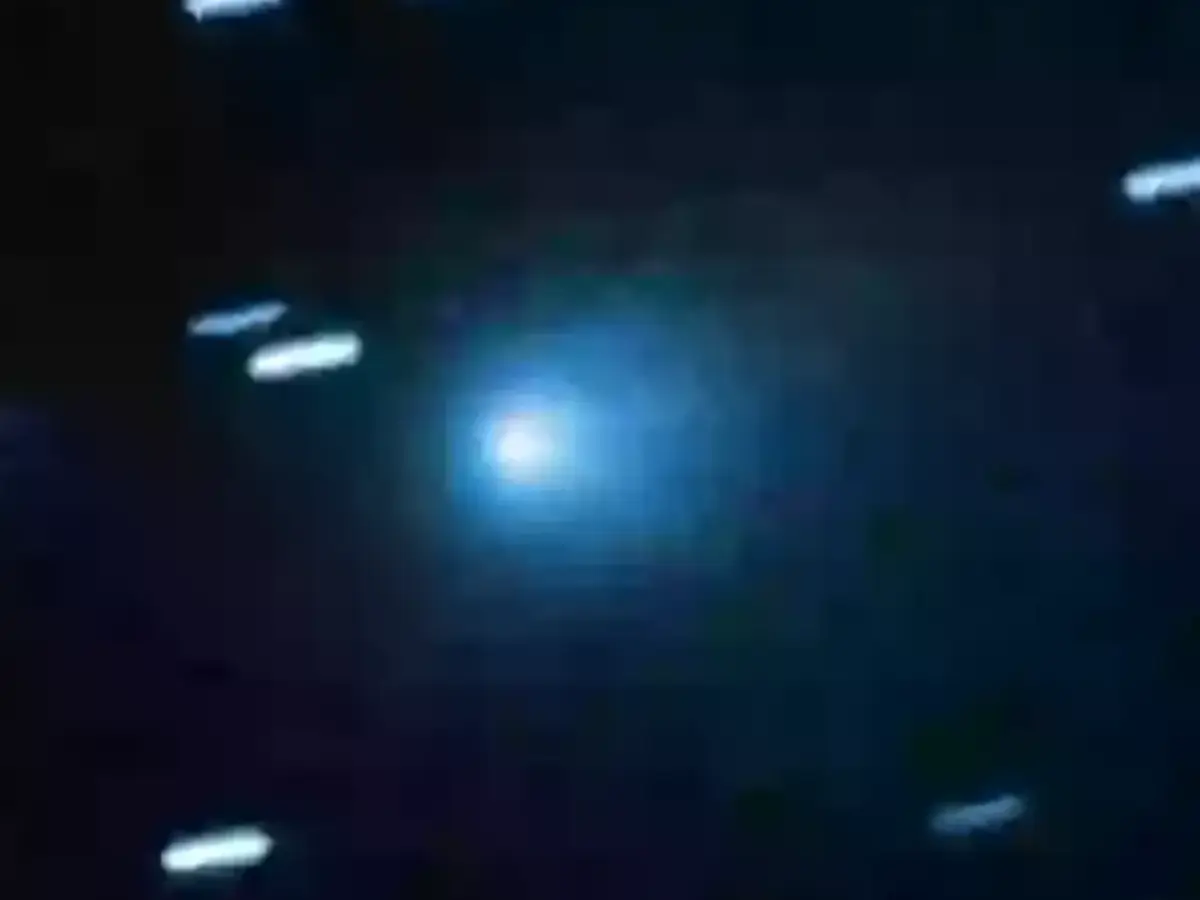
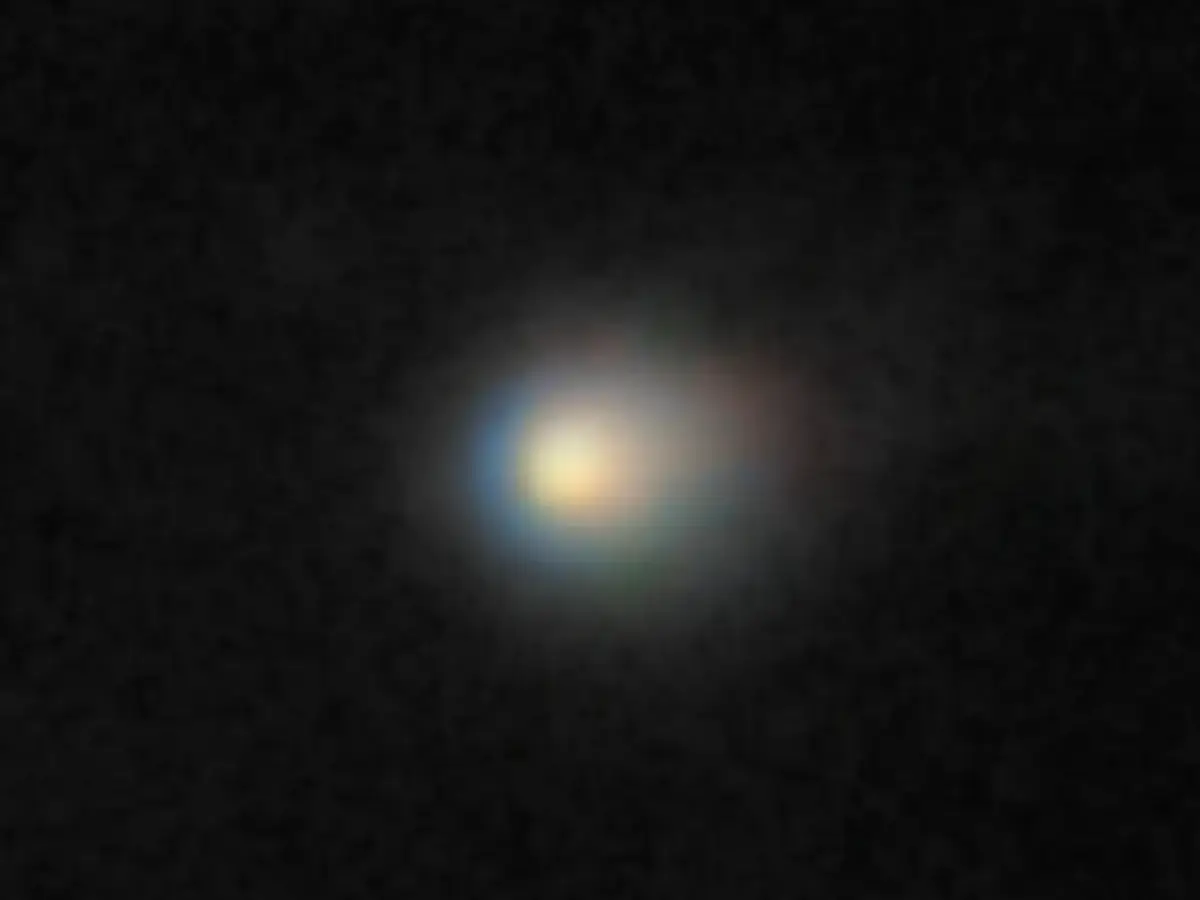
The comet also turned a bright blue, instead of red. This is another totally unexpected event. Comets normally turn red near the Sun since the dust around them scatters the sunlight. But, 3I/ATLAS went a different direction. In fact, it was bluer than the sun.
3I/ATLAS undergoes sublimation differently
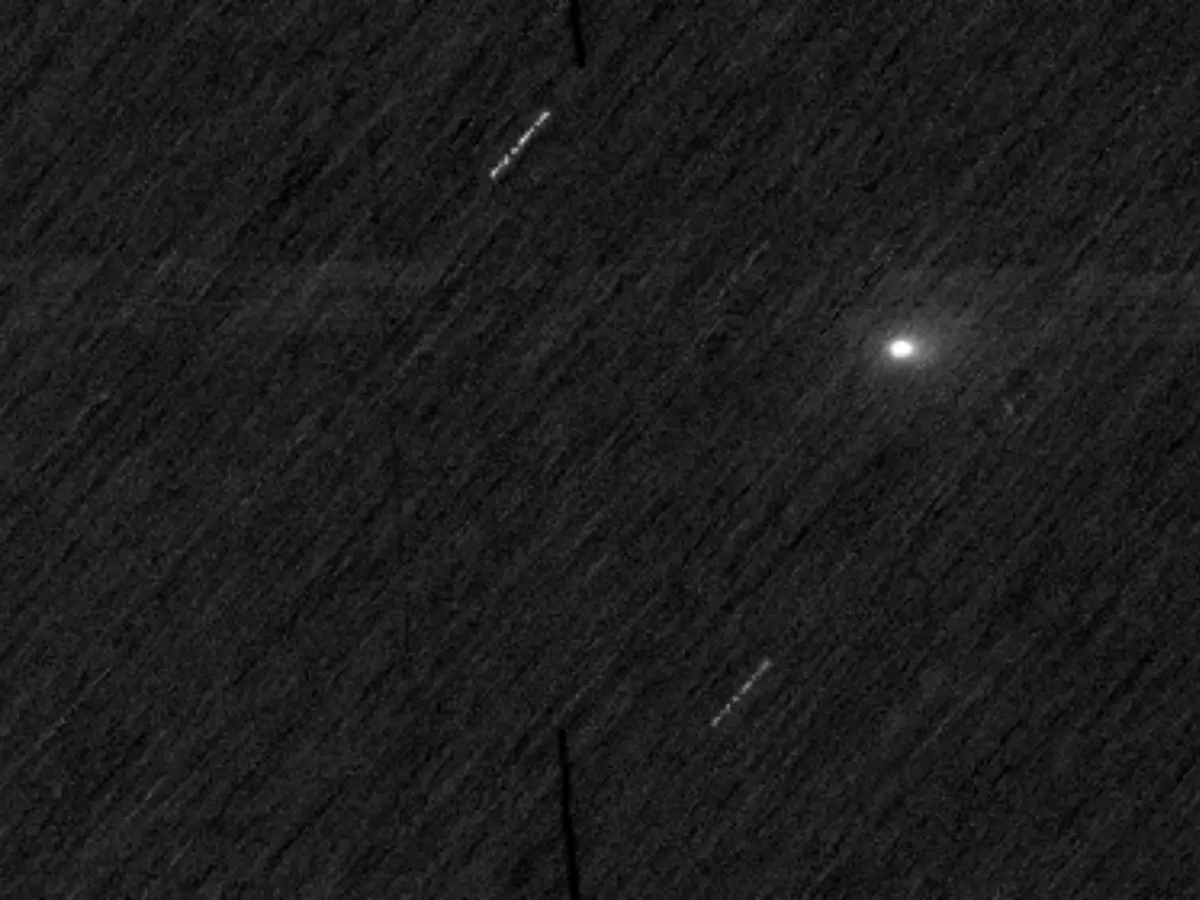
Sublimation also happens differently than expected for 3I/ATLAS. This is because the interstellar comet was still dominated by the sublimation of carbon dioxide at an unusually close distance from the sun, the authors wrote. "This may have resulted in cooling that had until now suppressed the sublimation of water ice to steam."
3I/ATLAS could soon have another anomaly
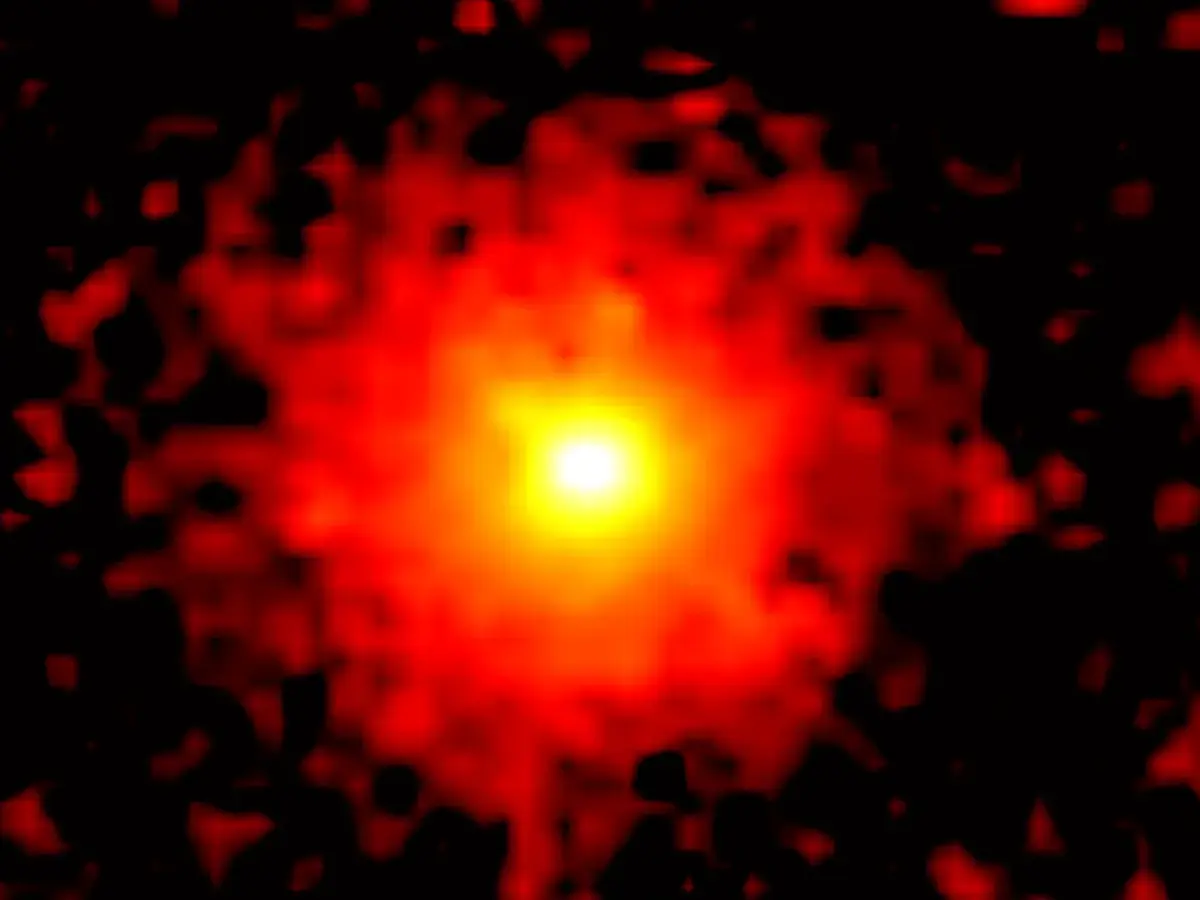
After the ninth anomaly, 3I/ATLAS could soon have a tenth anomaly, as per Loeb. He argues that if 3I/ATLAS is a natural comet, then "the non-gravitational acceleration must have resulted from it losing at least 15% of its mass." Hence, the surrounding gas must measure over 5 billion tons, which should be visible when it enters view again. But, if this does not happen, then non-gravitational acceleration will be the tenth anomaly of 3I/ATLAS.
)
)
)
)
)