'Cost of transparency': How much is the government spending to declassify and release UFO files?

Analyzing the massive financial and logistical budget behind the PURSUE initiative and the cost to American taxpayers of declassifying military UAP files.
The Economics of Disclosure
Radical transparency isn't cheap. The May 22 release of 64 files required a massive, hidden budget to fund the analysts, servers, and software required to safely declassify the UAP data.
The PURSUE Initiative Budget
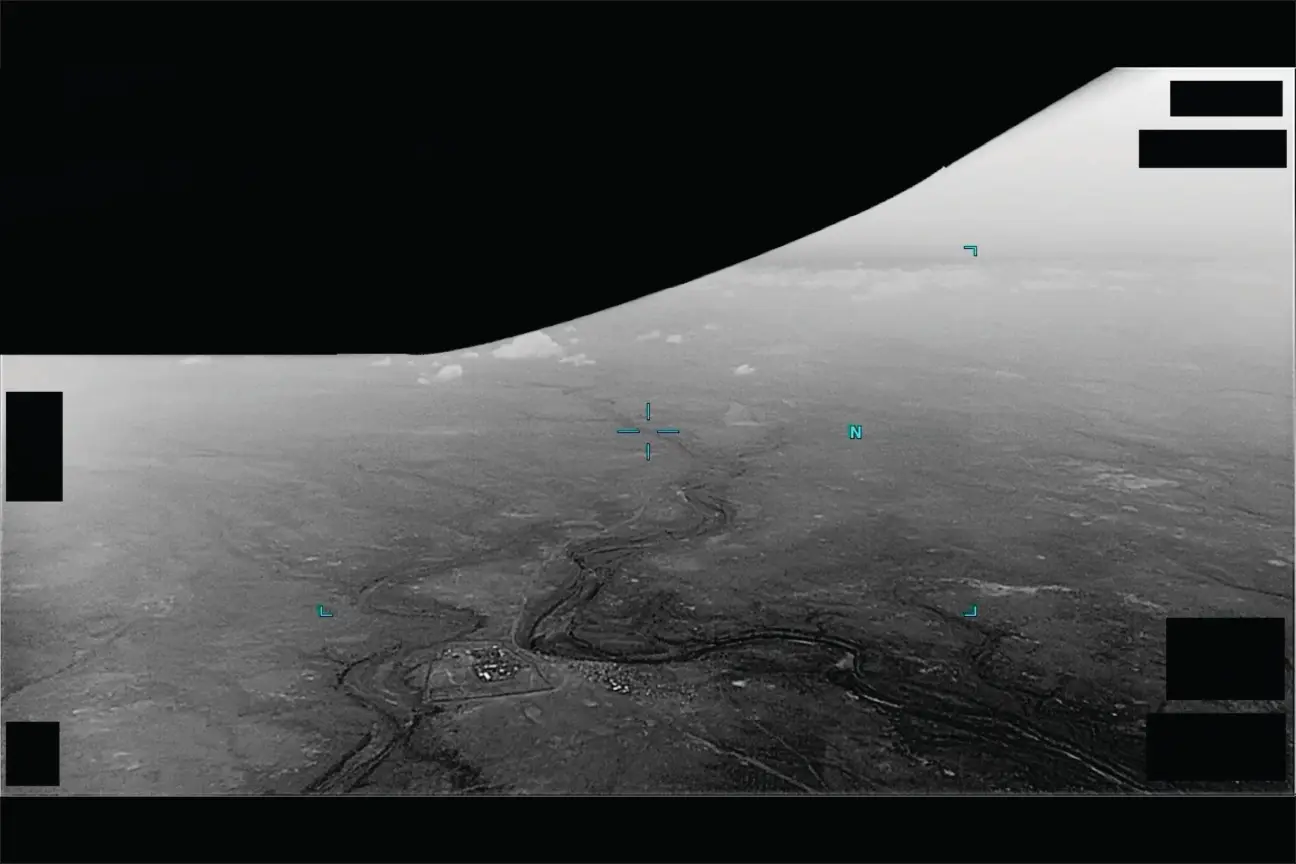
Funding for the PURSUE initiative is carved out of the massive Department of War budget. It mandates a dedicated task force whose sole job is to review, redact, and publish these classified encounters.
The Cost of Redaction
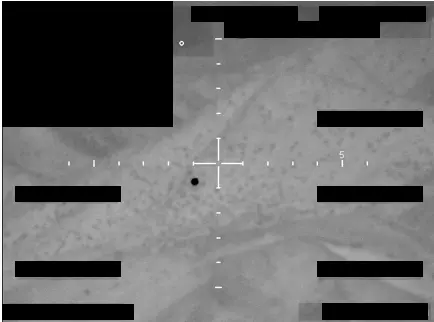
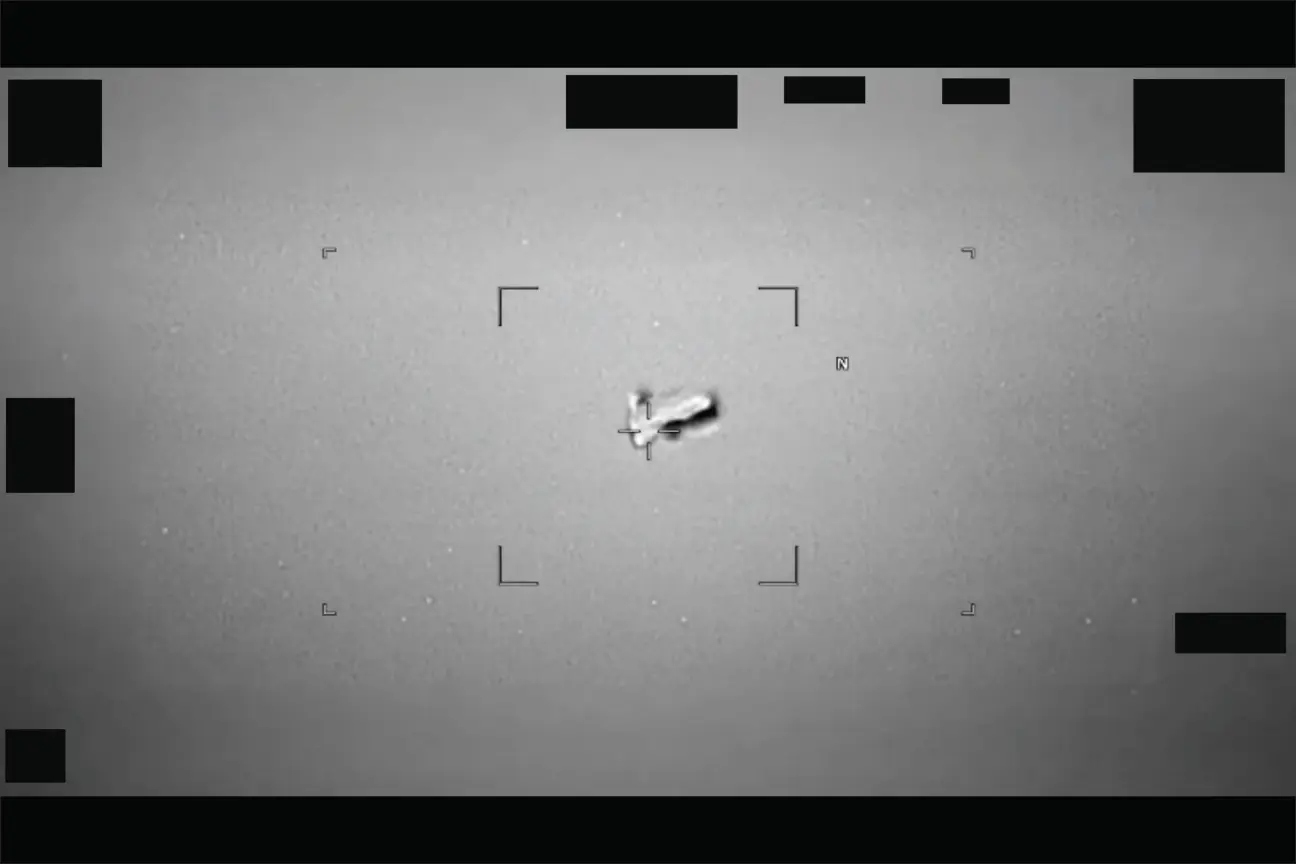
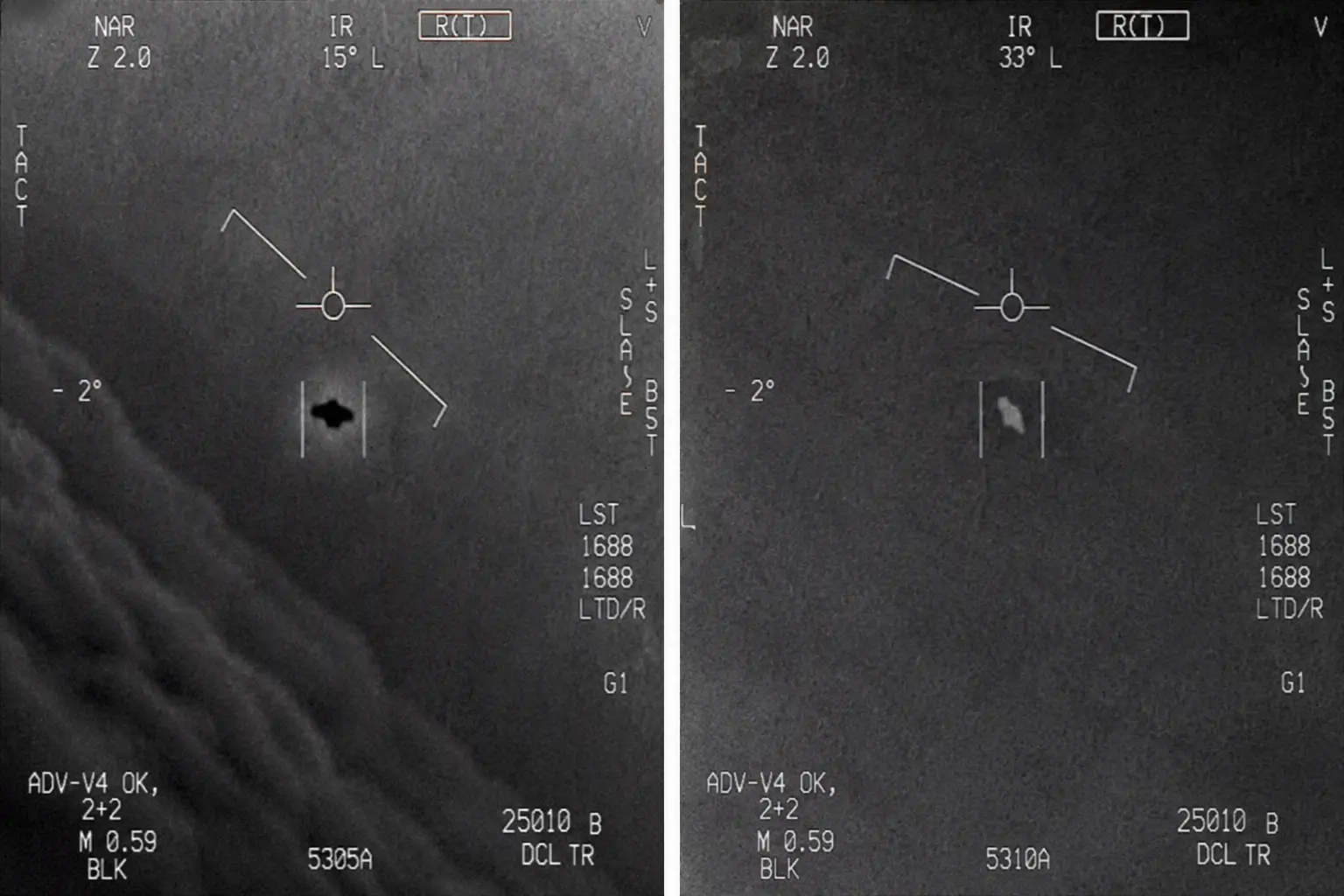
Declassifying a single military video is incredibly labor-intensive. Analysts must manually scrub the footage frame-by-frame to blur classified HUD (Heads-Up Display) data and sensor capabilities before release.

Funding the AI Engines
To speed up the process, millions of dollars have been invested in custom AI algorithms that automatically detect and censor sensitive military frequencies and telemetry within the raw data.
IT Infrastructure Costs
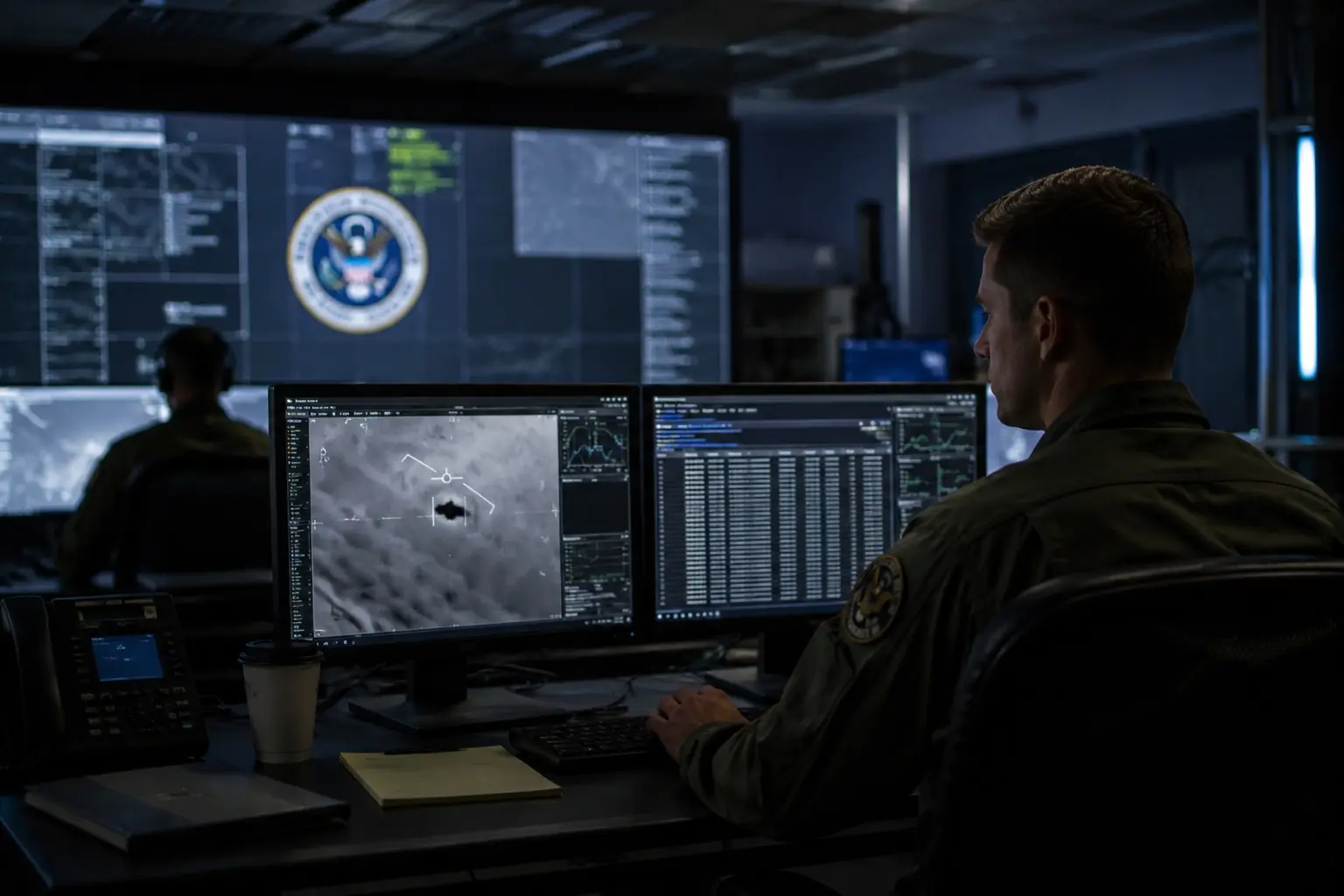
Hosting the war.gov/ufo portal, managing petabytes of video data, and defending the servers from malicious traffic spikes requires a massive ongoing investment in federal IT infrastructure.

The Taxpayer Perspective
While transparency advocates celebrate the release, fiscal watchdogs are analyzing the cost-benefit ratio of spending millions of taxpayer dollars to publish videos of unresolved airborne anomalies.
A Permanent Budget Line
With Tranche 3 already in the works, it is clear that tracking and declassifying UAPs is no longer a temporary project, but a permanent, multi-million-dollar line item in the federal defense budget.
)
)
)
)
)