Comet 3I/ATLAS to pass closest to Earth on Dec 19, 2025

Can you guess when comet 3I/ATLAS will pass nearest to Earth? Mark your calendar for December 19, 2025. But how close will it really get, and why is this cosmic visitor so special? Read more to unravel its 3I/ATLAS journey.

3I/ATLAS
3I/ATLAS is an interstellar comet from beyond our Solar System. It was discovered on July 1, 2025, by the NASA-supported ATLAS telescope in Chile. This comet follows a fast, hyperbolic path through space, meaning it only passes by once

Closest Approach to Earth
The comet will pass its closest point to Earth on December 19, 2025. It will be about 1.8 astronomical units away -that’s around 270 million kilometers, which is safe and far from any threat to our planet.
Closest Approach to the Sun
3I/ATLAS passed closest to the Sun on October 30, 2025, at about 1.4 astronomical units or roughly 210 million kilometers, which is inside the orbit of Mars. This solar approach caused increased activity on the comet's surface
What Makes 3I/ATLAS Special?
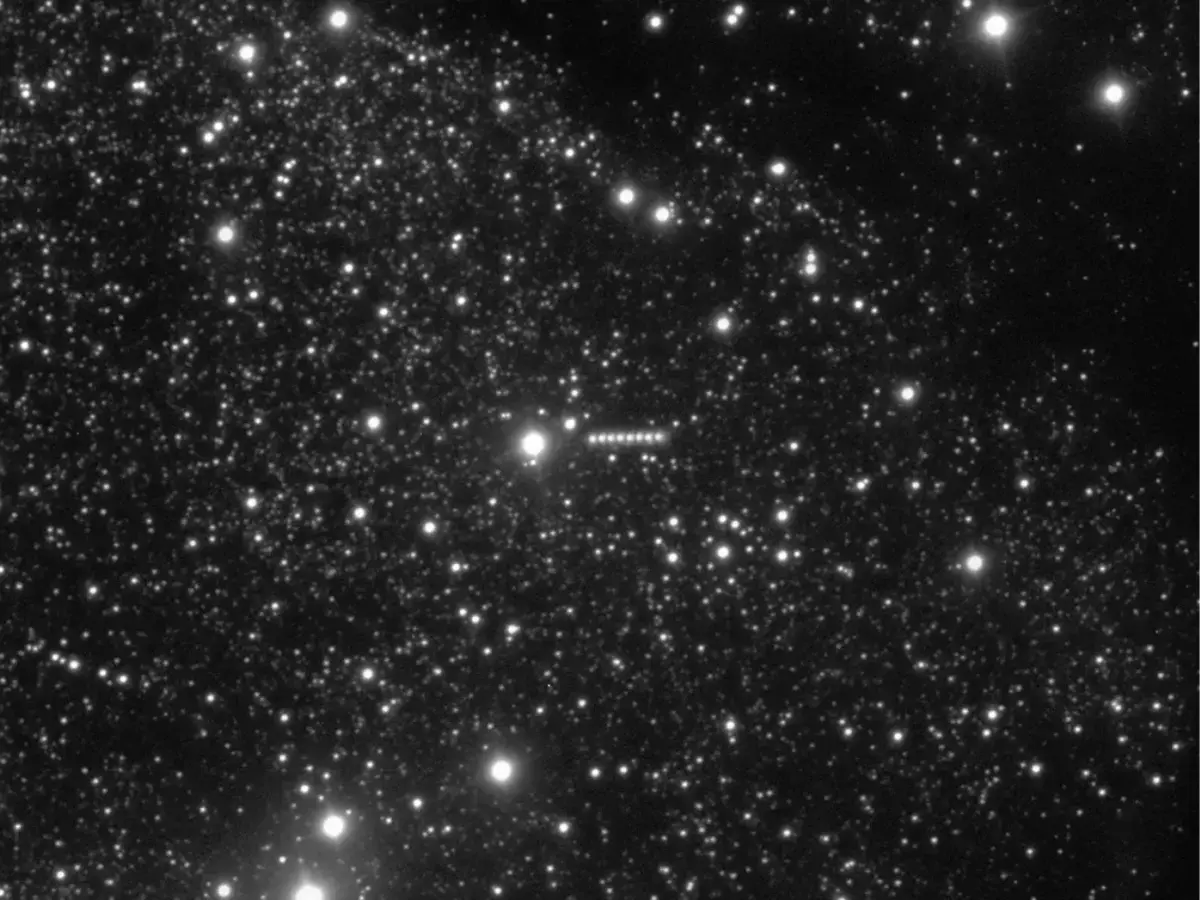
Its orbit is hyperbolic, indicating it comes from outside our Sun’s gravitational pull. This is only the third interstellar comet detected so far, making it a rare visitor from another star system.

Observing the Comet from Earth
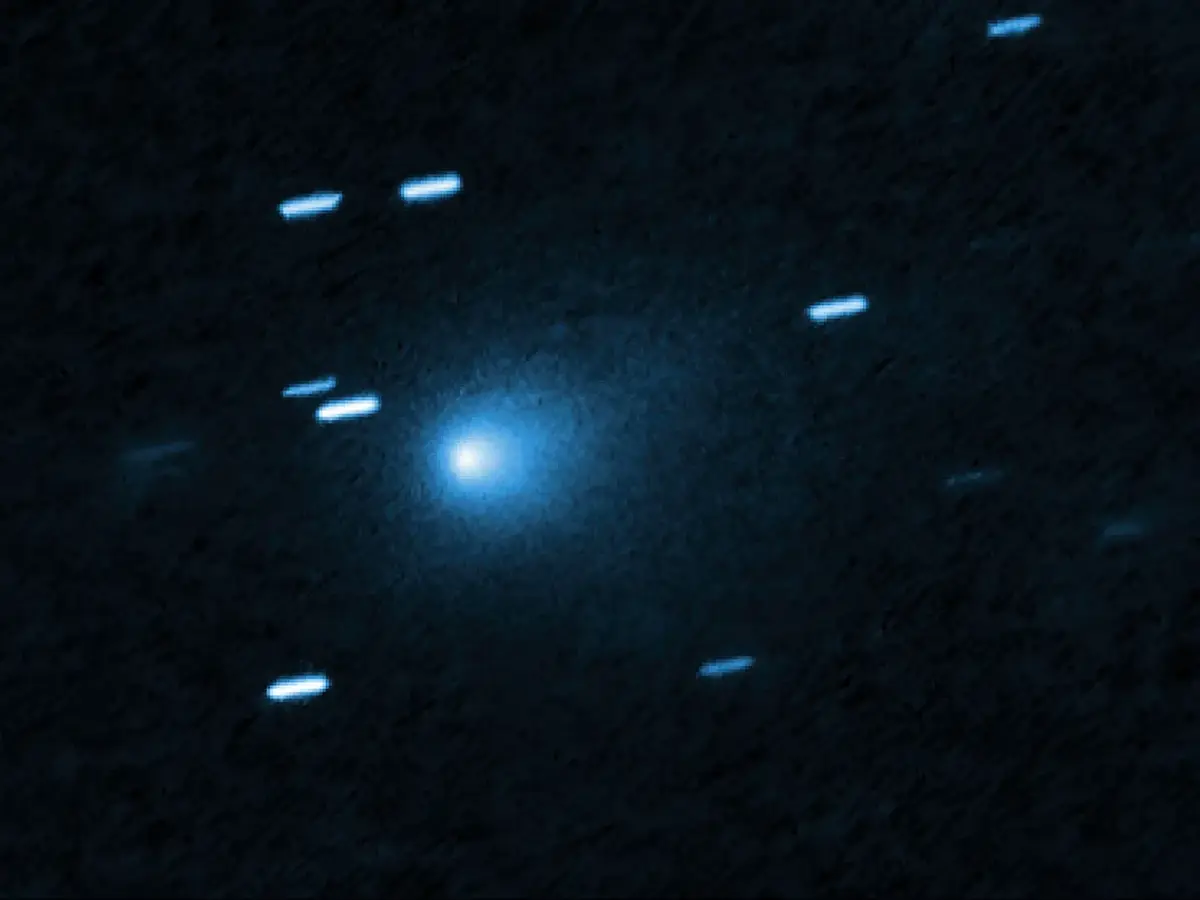
As 3I/ATLAS moves away from the Sun, it will become visible again from Earth’s Northern Hemisphere using powerful telescopes. Its tail and coma, made from dust and gas, will provide valuable information to astronomers.
No Danger to Earth
Despite the close approach in astronomical terms, 3I/ATLAS poses no risk to Earth. It will never come near enough to cause any threat and will continue its journey outward from our Solar System.
Why This Is Exciting
Scientists will use this chance to study an interstellar comet’s composition and behaviour under the Sun’s heat. It helps us understand more about materials from other parts of our galaxy.
)
)
)
)
)