Christmas 2025: Did Coca-Cola invent Santa Claus’ red suit? Busting the myth behind its origin

Coca-Cola did not invent Santa's red suit; historical art and Thomas Nast's 1881 drawings prove the colour predates the brand. The company simply helped popularise the look globally.
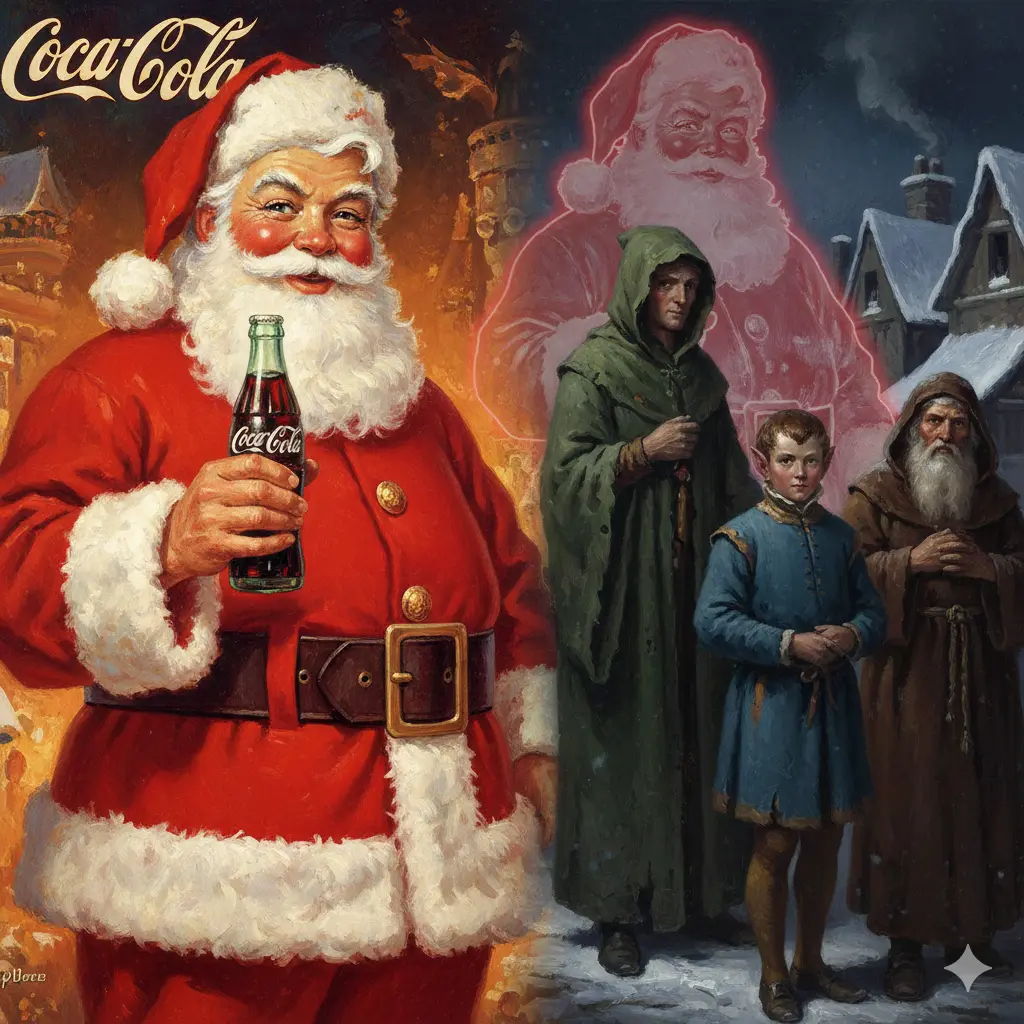
The popular urban legend
Many believe Coca-Cola created the red-suited Santa for an ad campaign in the 1930s. While the company popularised this look, the red suit existed in folklore and art much earlier.

The religious roots of St Nicholas
The inspiration for Santa, Saint Nicholas, was a 4th-century Greek bishop. Bishops in that era often wore red and white ceremonial robes, setting an early colour precedent.

Early 19th-century variations
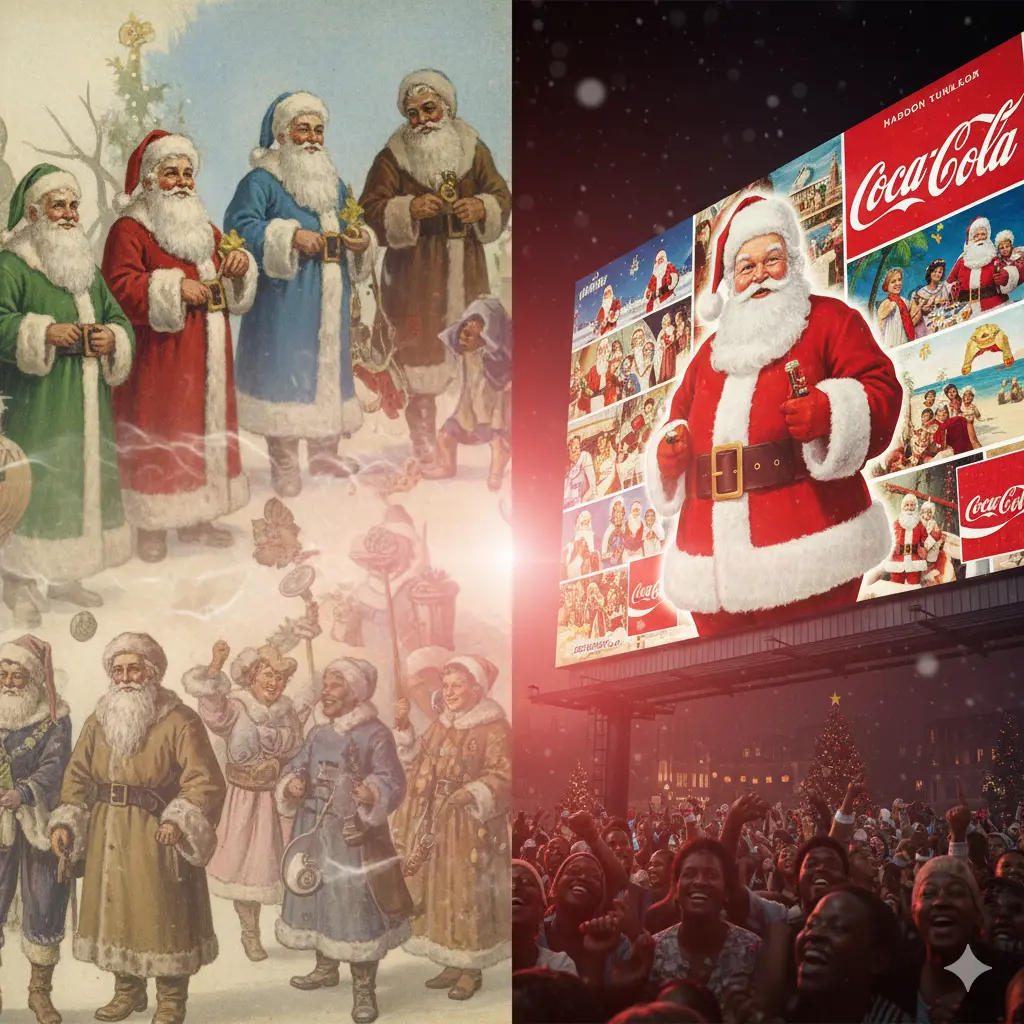
Before the 1880s, Santa was often depicted in various colours including green, blue, tan, and even purple. His appearance was inspired by a mix of European folklore and religious tradition.
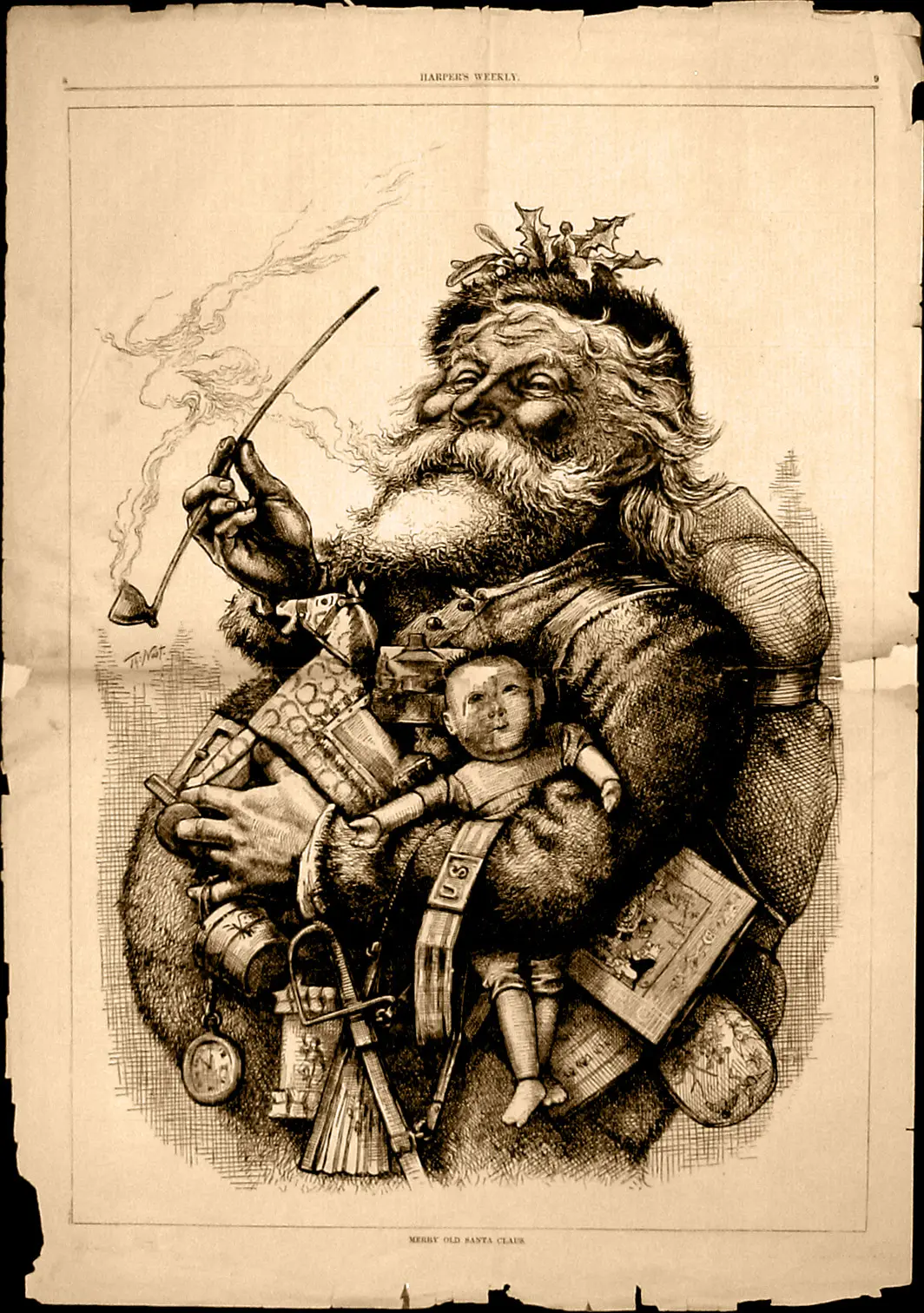
Thomas Nast's 1881 illustration
Famous cartoonist Thomas Nast drew Santa for Harper’s Weekly in 1881. This drawing featured a jolly man in a red suit with a white fur trim, 50 years before Coca-Cola's campaign.

Civil War influences
Thomas Nast’s earlier 1860s drawings also depicted Santa in a star-spangled jacket. Eventually, he settled on the solid red suit to represent a warm, cheerful figure during the holiday season.
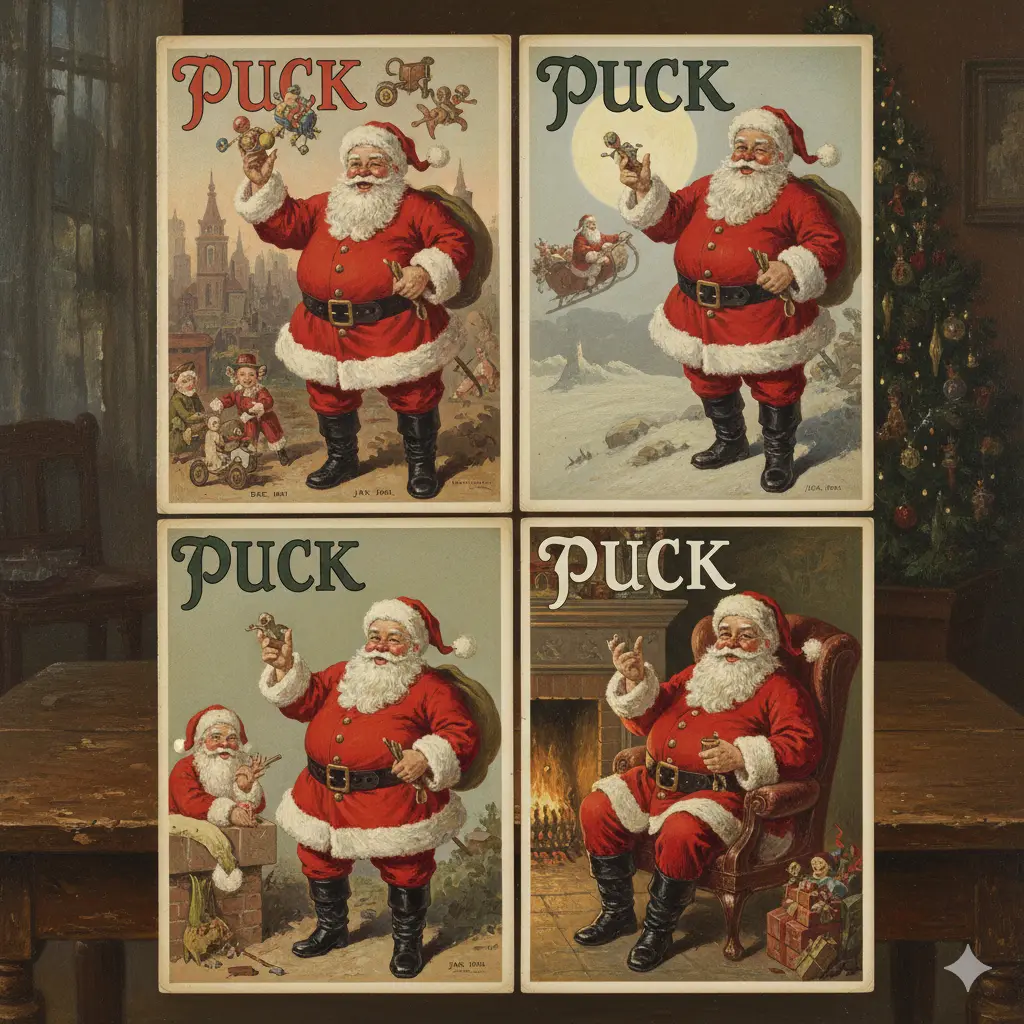
Puck magazine covers
In the early 1900s, Puck magazine featured several covers showing Santa Claus in a bright red coat. These publications prove that the colour was already the standard choice in American media.
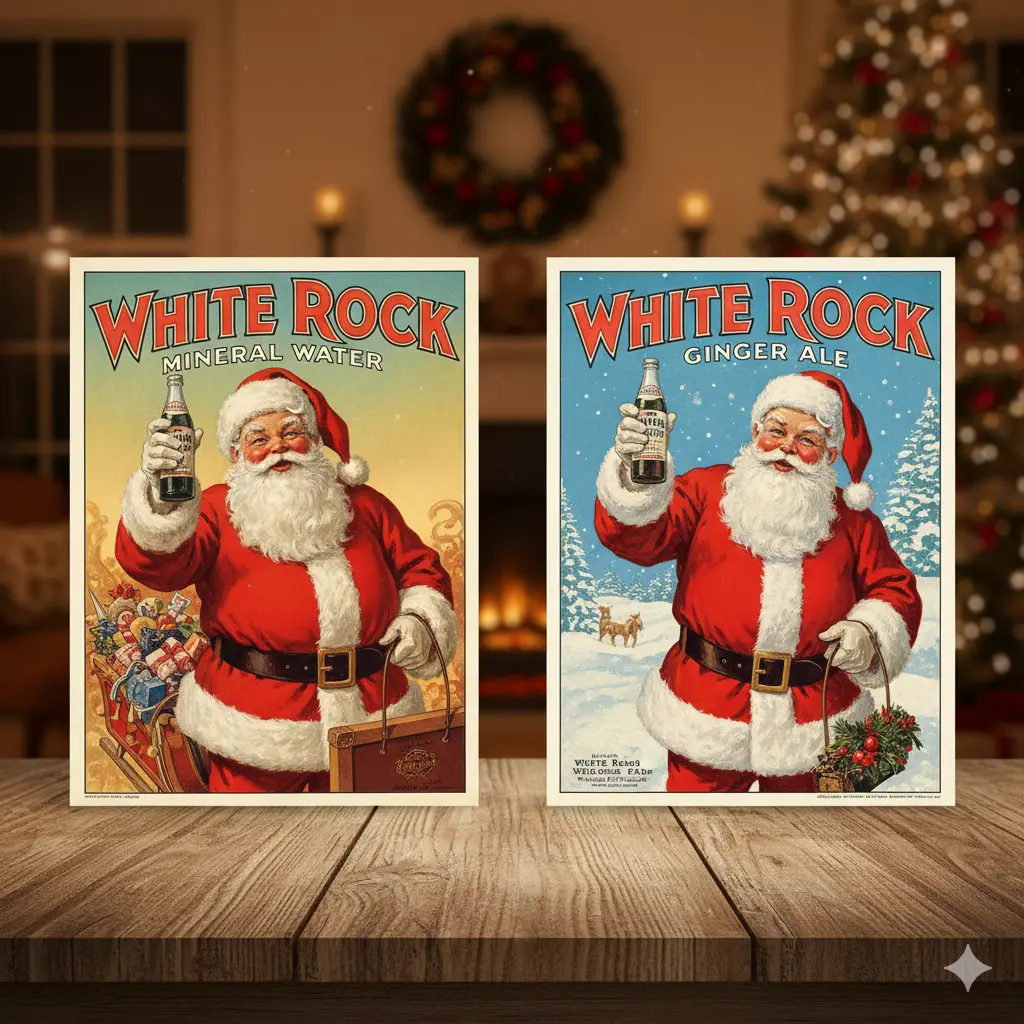
White Rock Beverages ads
In 1915 and 1923, White Rock Beverages used a red-suited Santa in their advertisements for mineral water. These ads appeared years before Coca-Cola began its famous winter campaign.

The Haddon Sundblom era
In 1931, artist Haddon Sundblom created the first Santa for Coca-Cola. He moved away from the "elfin" look and gave Santa a more human, grandfatherly, and warm personality.
Standardising the image
Coca-Cola’s massive global reach helped fix the red-and-white image in the public mind. Their ads were so successful that they made alternative colours like green disappear from mainstream culture.
The verdict for Christmas 2025
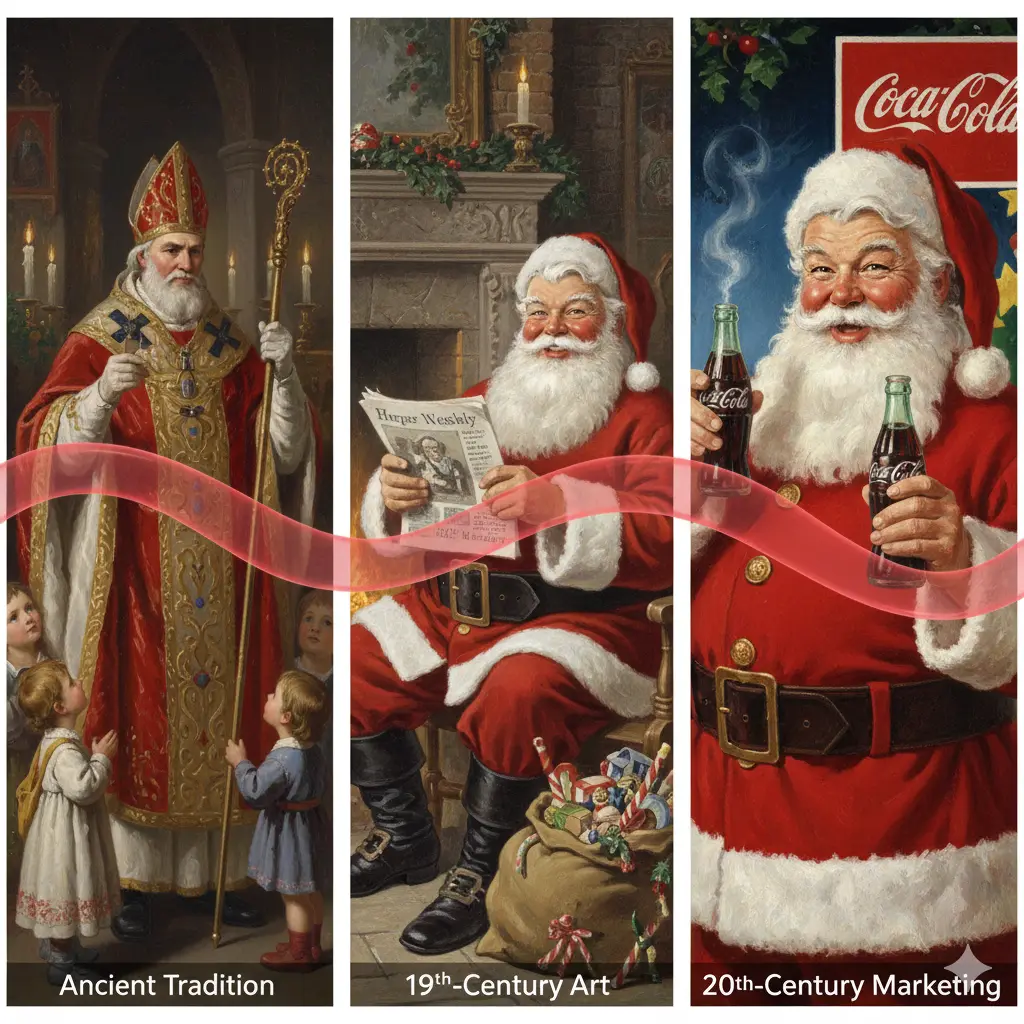
Coca-Cola did not invent the red suit, but they were responsible for making it a global standard. Santa’s look is a blend of ancient tradition, 19th-century art, and 20th-century marketing.
)
)
)
)
)