Canard wings vs tailplanes: 6 ways fighter jet stability has evolved

Mostly modern fighter jets use canard wings for agility, lift, and control efficiency. Compared to traditional tailplanes, they allow higher turn rates and better stability at extreme speeds. Let’s understand how aerodynamics evolved to shape the next generation of combat jets.
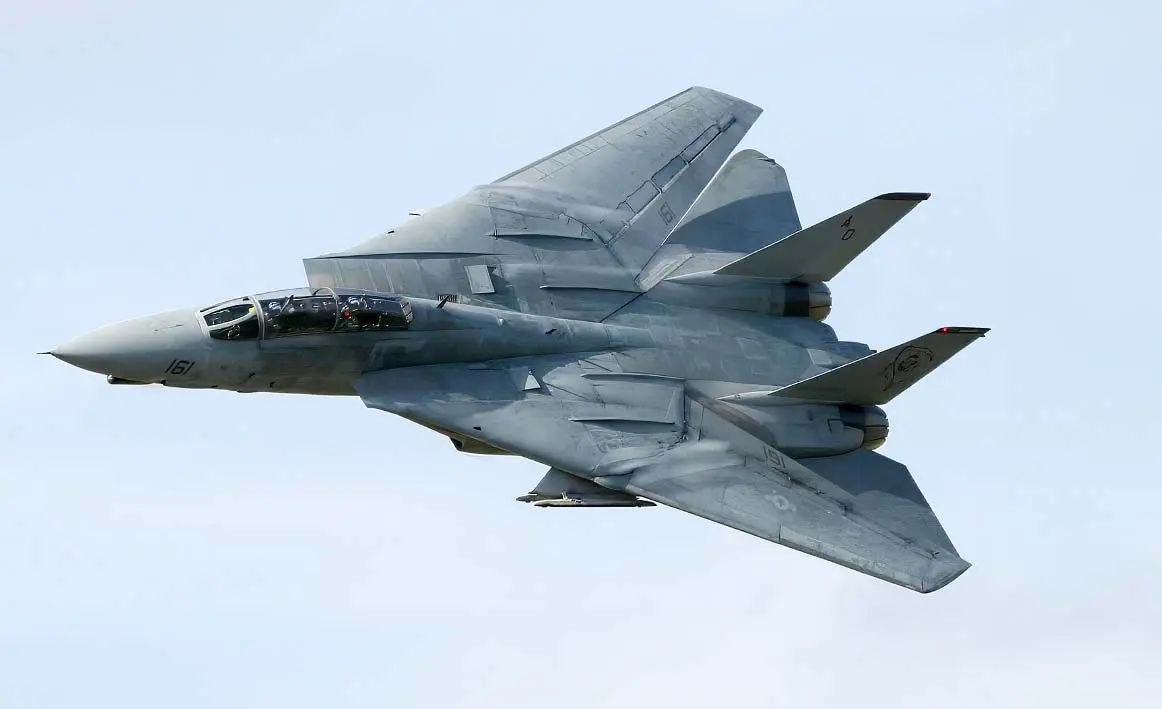
Distribution of Lift and Stability
Traditional tailplanes on most older fighters, such as the F-16 or MiG-29, produce downward lift (negative lift) to balance the aircraft in flight. In comparison, canard wings, located at the nose, produce positive lift that assists the main wing. According to NASA Research (1985), the canard design helps reduce overall drag and share lifting forces more efficiently, improving fuel economy and agility at the same time.
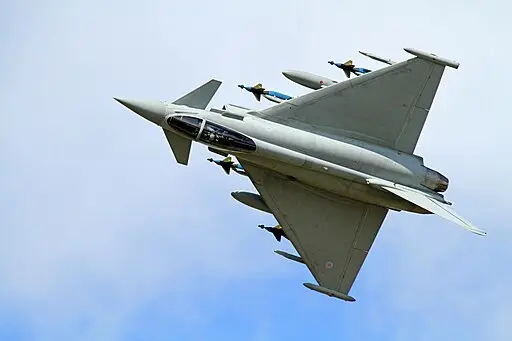
Pitch Control and Response Time
Canards provide quicker pitch response because they are located ahead of the centre of gravity, giving direct and immediate control of nose movement. Fighter jets like the Eurofighter Typhoon and Gripen use this to gain superior agility in dogfights. In contrast, tailplane aircraft respond more gradually since the control surfaces are behind the main wing, adding slight delay in pitch reaction.
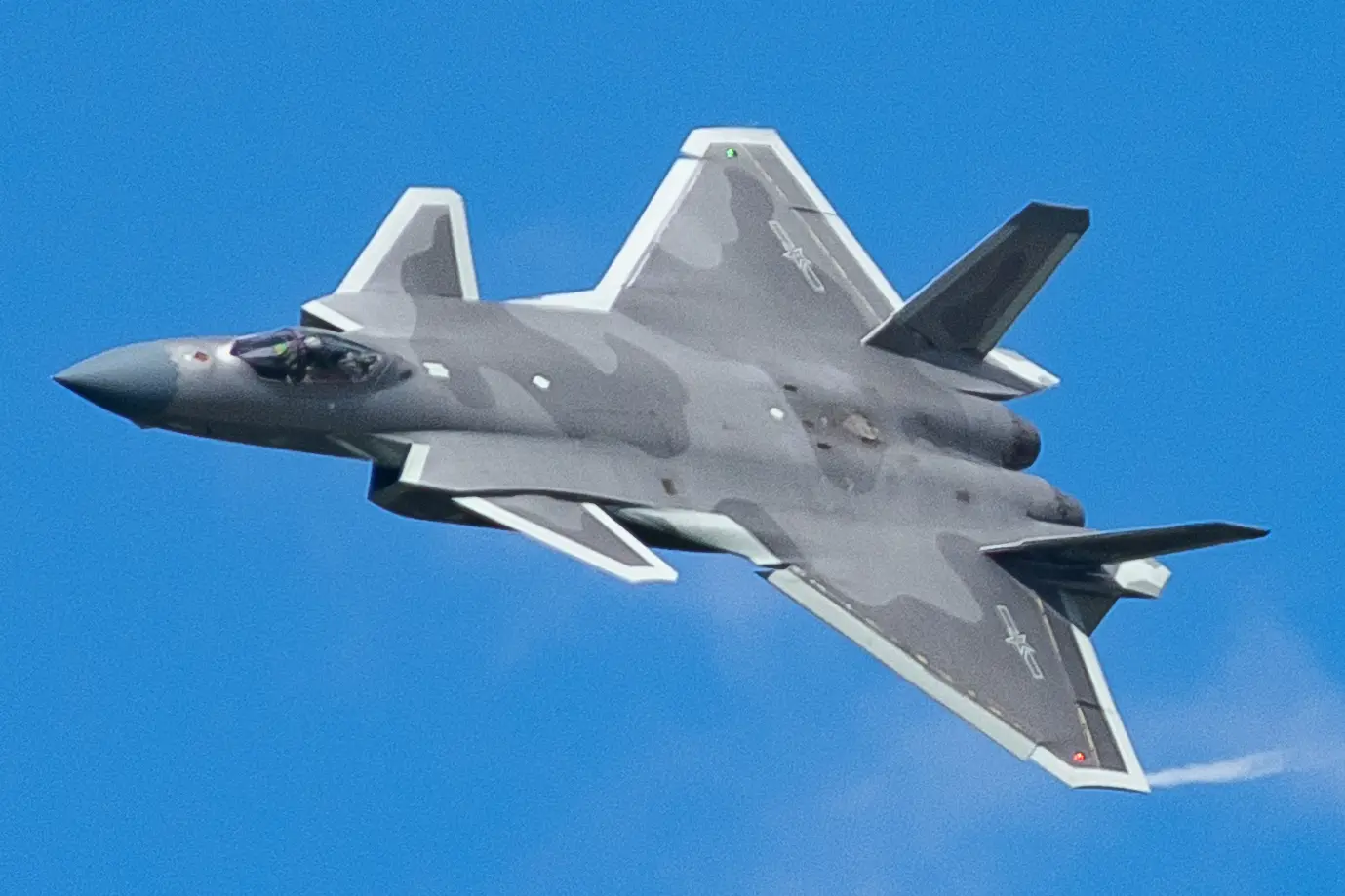
Angle of Attack and Manoeuvrability
Canard configurations allow aircraft to fly safely at higher angles of attack (AOA). Data from the Pilot Institute (2025) notes that close-coupled canard designs can reach up to 35° AOA, compared to about 25° for conventional tails. This means canard-equipped jets like the Rafale retain lift during extreme manoeuvres, allowing tighter turns and better control in close aerial engagements.
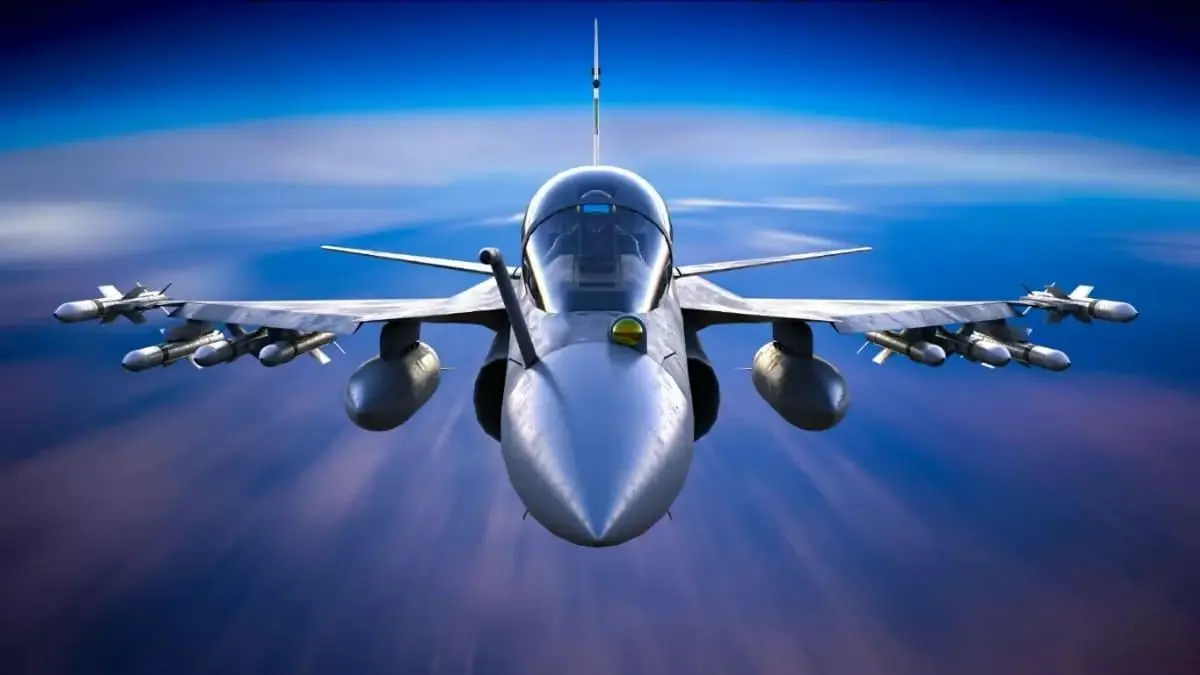
Stall Prevention and Recovery
One major advantage of canards is their ability to stall first, forcing the aircraft nose down automatically before the main wing stalls. This characteristic helps prevent loss of control and allows smoother recovery during aggressive manoeuvres. The aerodynamic feedback from canards reduces pilot workload and enhances safety, particularly at low speeds or steep climbs.
Fly-by-Wire and Digital Stability Control
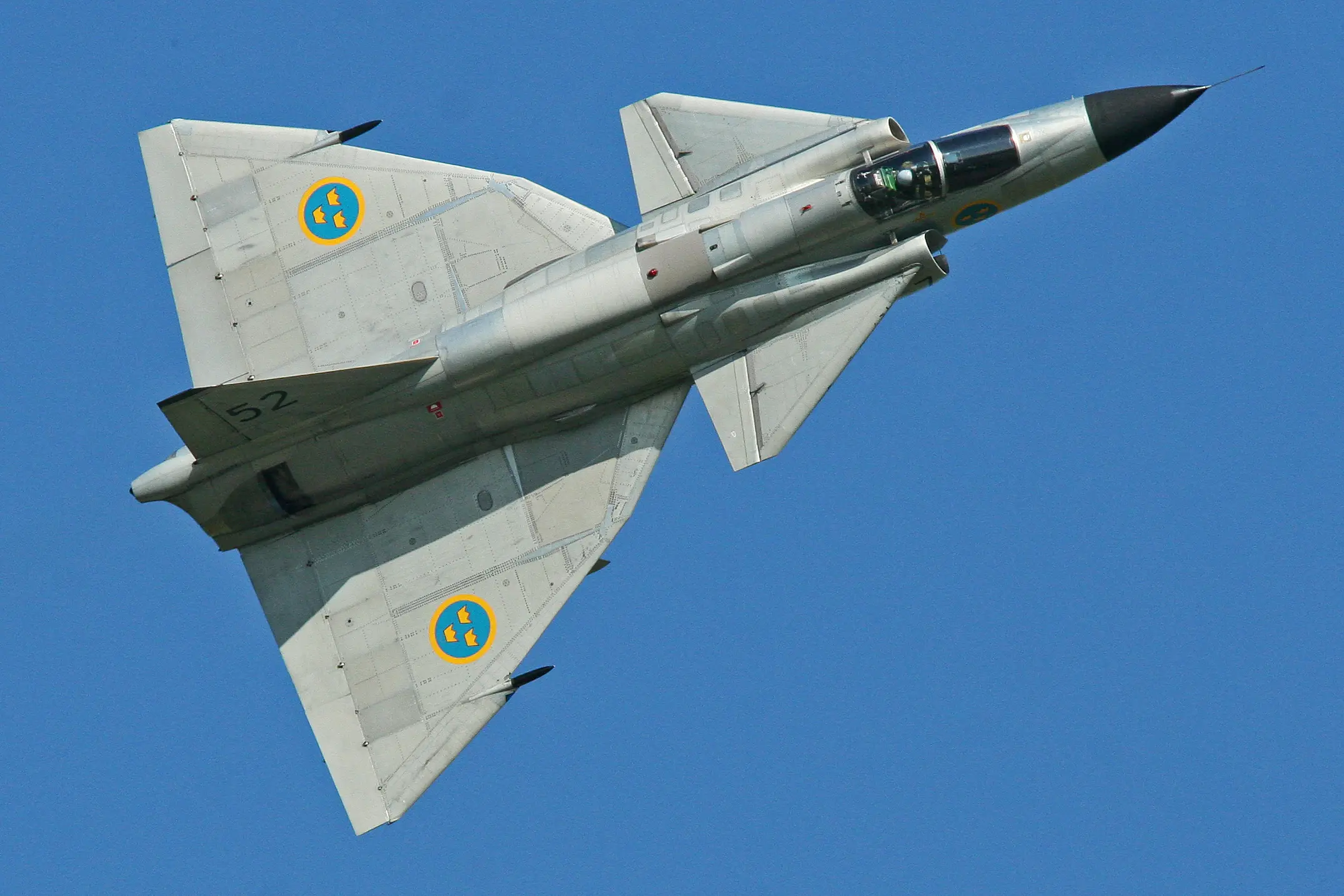
Many canard-based fighters are designed with relaxed static stability meaning, they are intentionally unstable to increase agility. According to Aerospace Flight Systems (2023), modern fly-by-wire computers continuously adjust the control surfaces to maintain balance. The F-16 initiated this design approach, but fly-by-wire technology made aircraft like the Typhoon and Rafale capable of safe, high-performance handling despite their inherent aerodynamic instability.
Design Efficiency and Combat Advantage
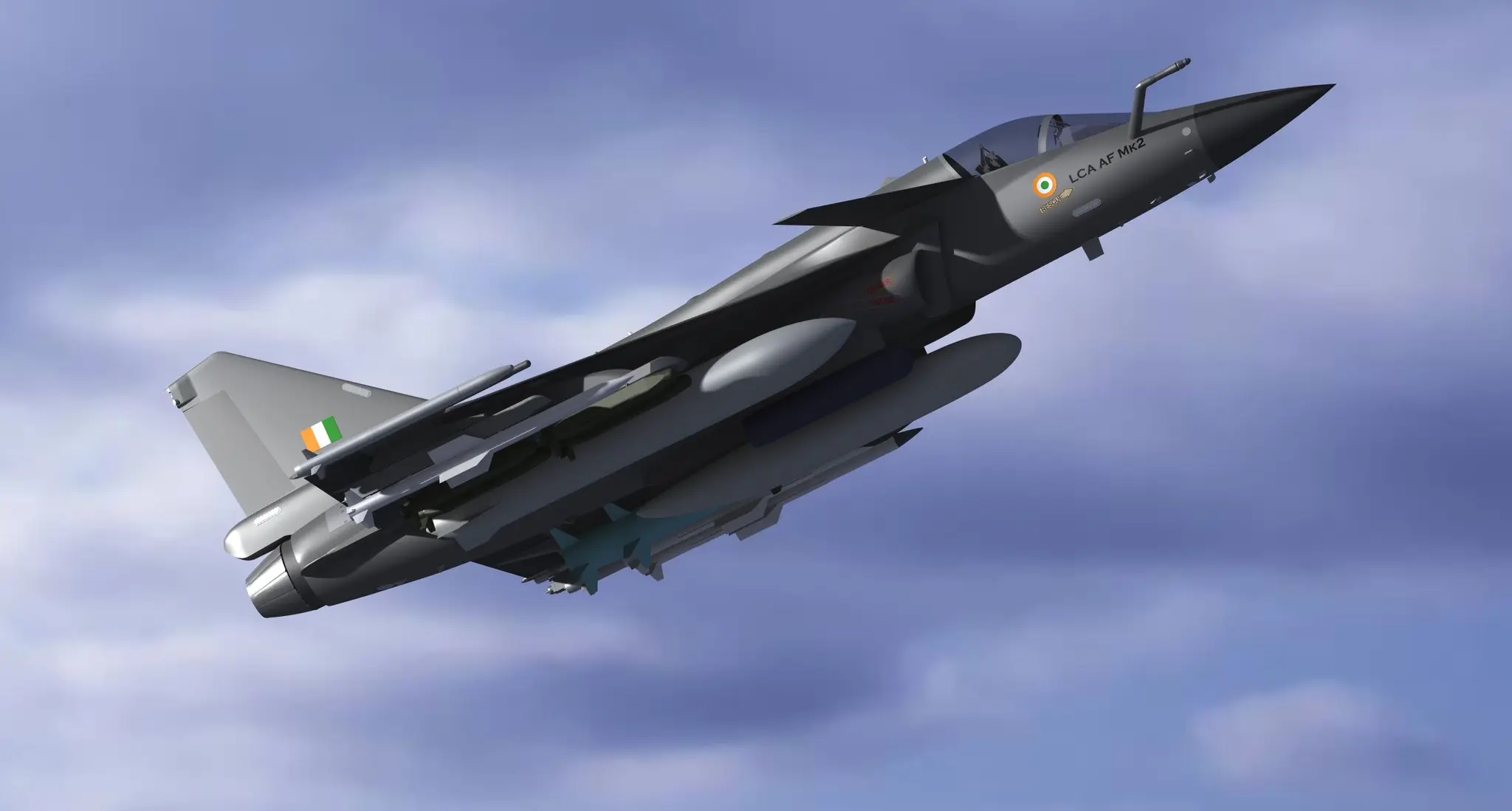
Canards improve combat agility but require precise engineering. While tailplanes offer greater natural stability and smoother landings, canards achieve faster turns, higher lift, and reduced trim drag. According to FlightLevel Engineering (2025), the use of canards can reduce structural stress and fuel use by up to 10 per cent, lowering maintenance costs for multirole fighters. This makes them a strategic advantage in both efficiency and tactical performance.
Future of Fighter Jet Aerodynamics
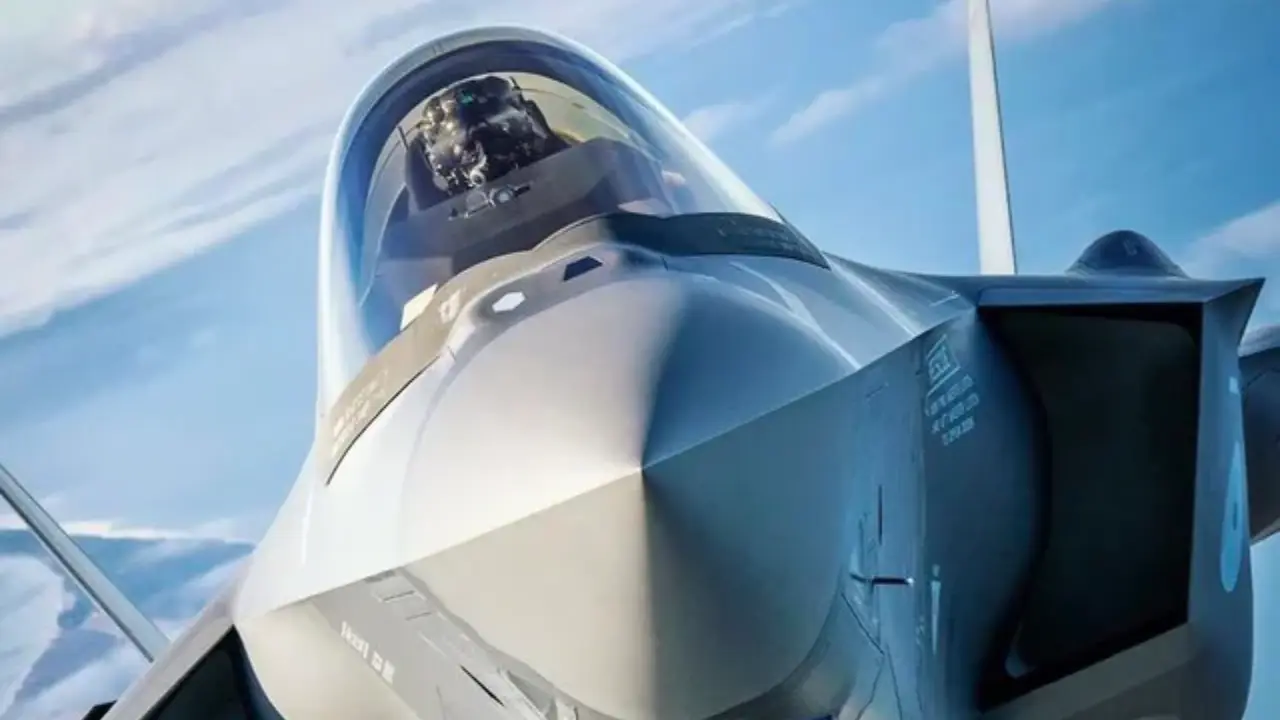
Future sixth-generation jets, such as the FCAS (Europe) and Tempest (UK), may blend canard influence with adaptive surfaces and AI-assisted control. These designs aim to achieve both high agility and autonomous flight correction. The balance between tail stability and canard agility continues to define the evolution of modern air combat strategies. Know more below about how technology is reshaping future aerodynamic control systems.
)
)
)
)
)