Can you really time travel through a black hole?

These cosmic giants are not just regions of extreme gravity; they fundamentally warp space and time. The question is: Could they allow us to move through time itself?
The fascination with time and black holes
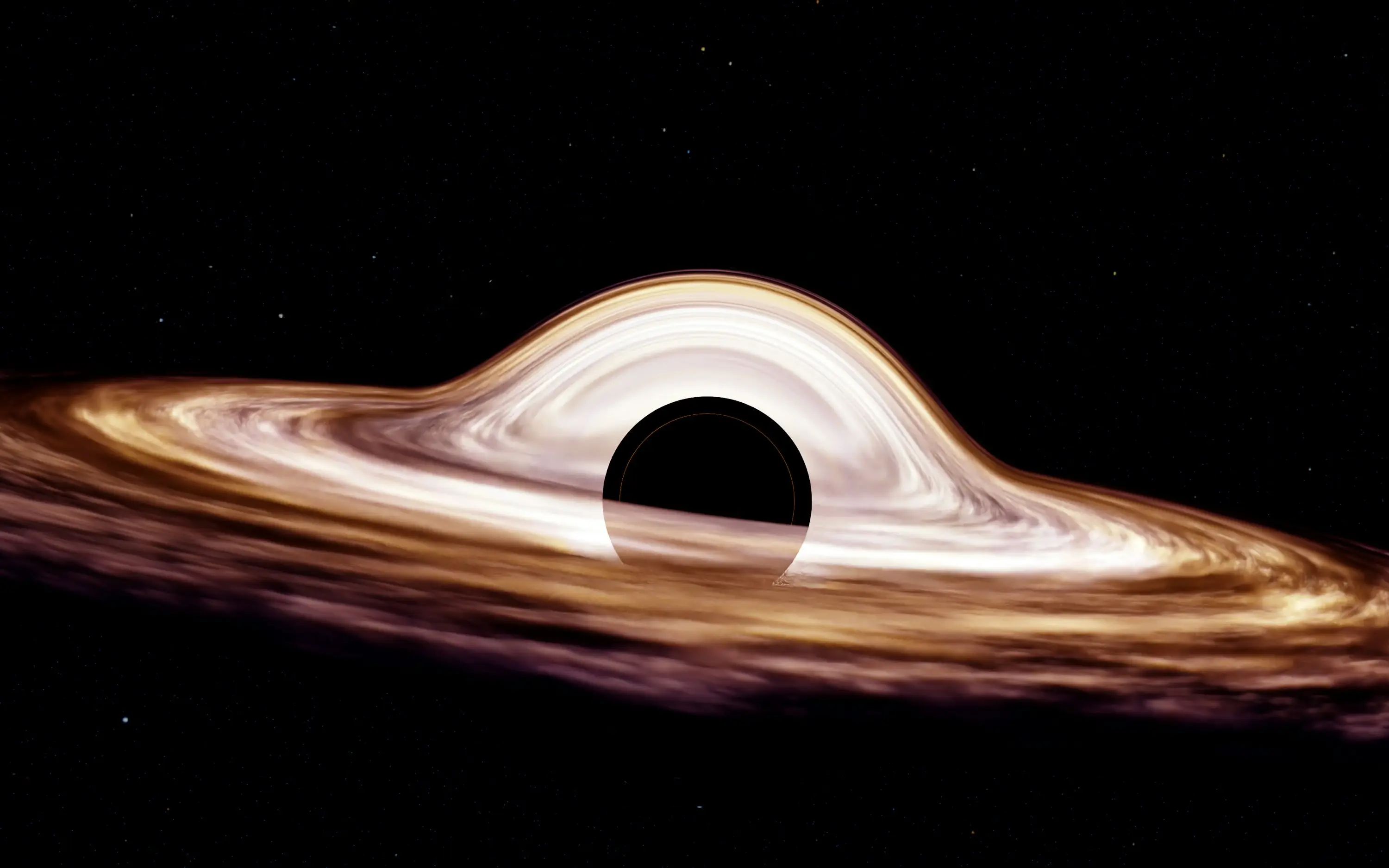
Time travel has long been a central theme in science fiction, from HG Wells’ The Time Machine to modern cinema. But when it comes to real physics, black holes often surface as the most likely candidates to make such journeys possible. These cosmic giants are not just regions of extreme gravity; they fundamentally warp space and time. The question is: Could they allow us to move through time itself?
What exactly is a black hole?
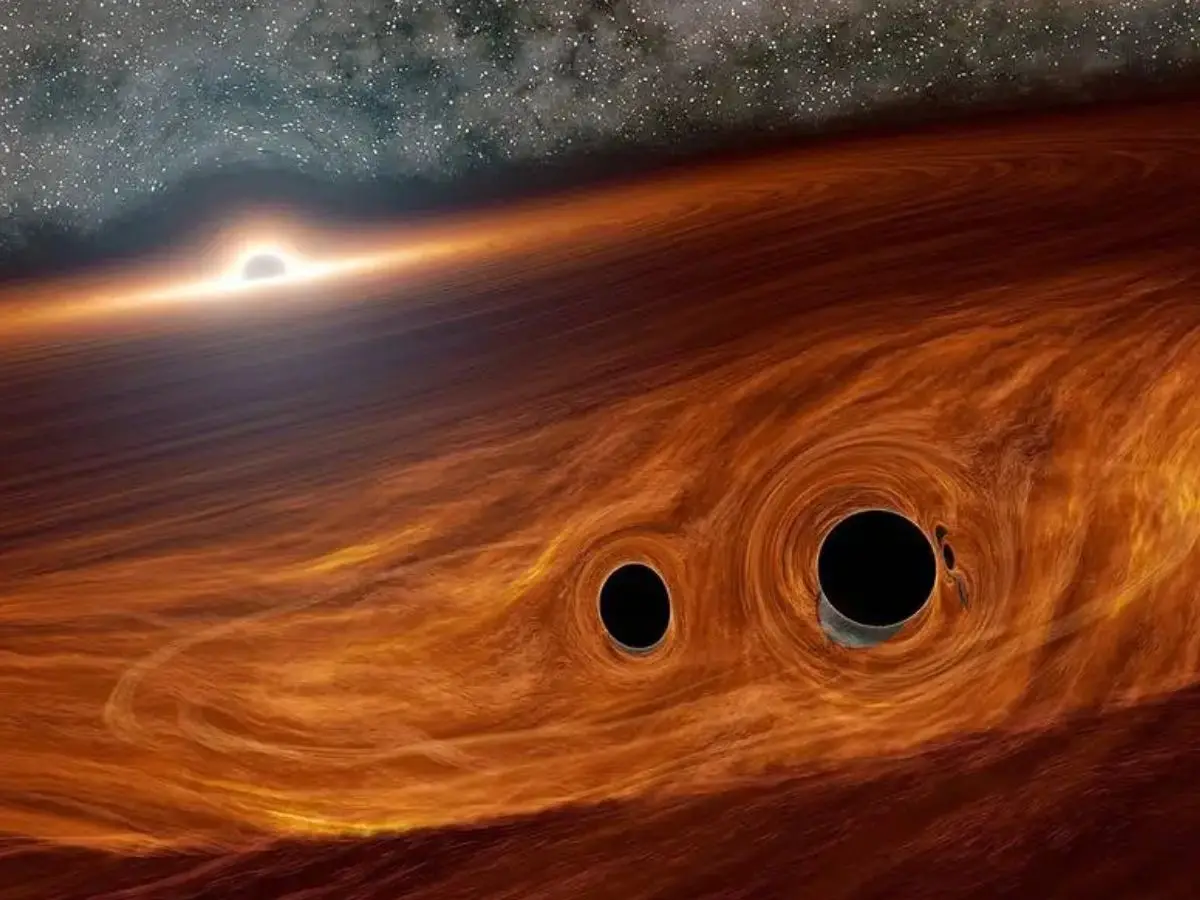
A black hole forms when a massive star collapses under its own gravity at the end of its life. All of its mass is crushed into a single point called a singularity, surrounded by an event horizon, the 'point of no return.' Nothing, not even light, can escape once it crosses this invisible boundary. Yet their presence can be detected by how they bend nearby light, disturb stars, and emit high-energy radiation as matter spirals towards them. Supermassive black holes, millions to billions of times the Sun’s mass, sit at the centres of galaxies, including our own Milky Way.
The strange effect of time near a black hole
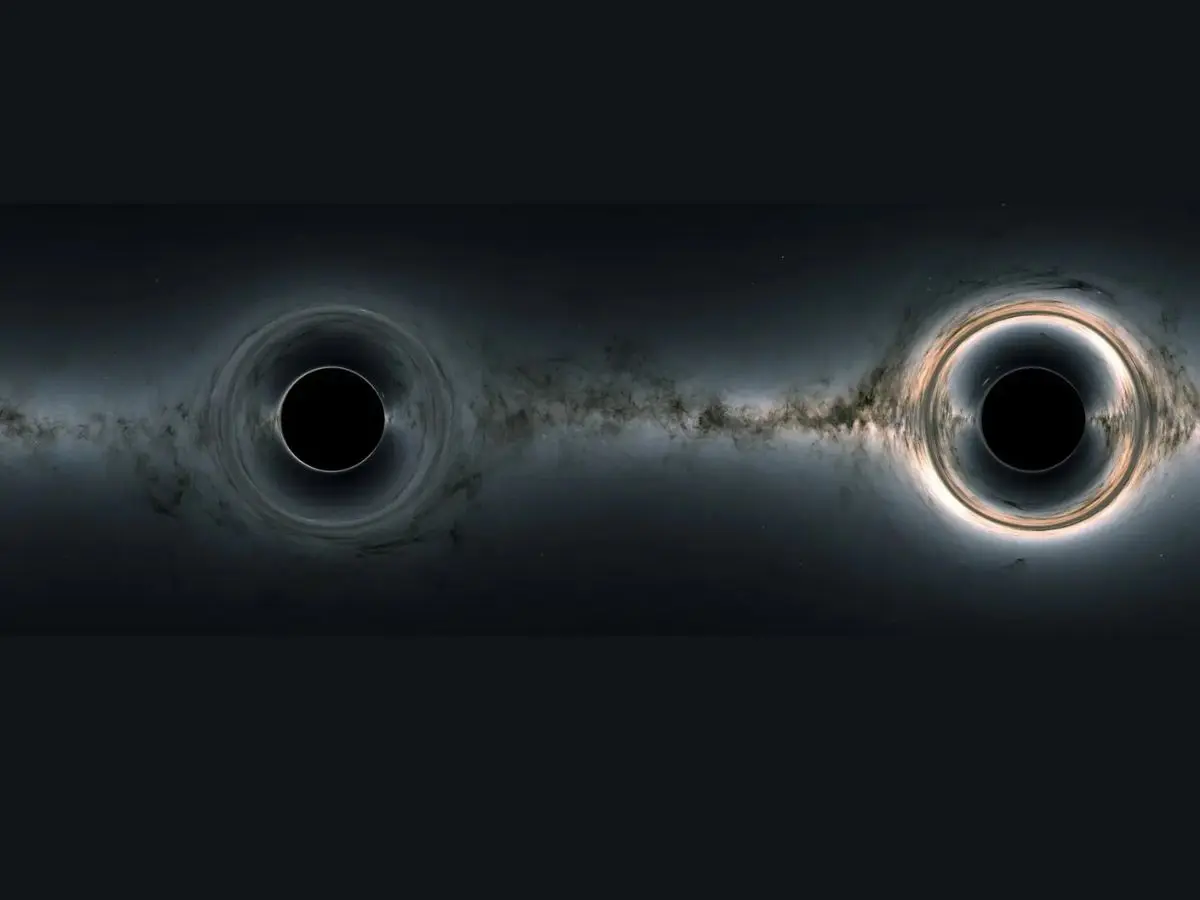
Einstein’s theory of general relativity predicts that time flows differently in regions of intense gravity. This phenomenon, known as gravitational time dilation, means that the closer you get to a black hole, the slower time passes relative to someone far away. In theory, if you were to orbit just outside the event horizon for a short while and then return to Earth, you would find that far more time had passed here than for you, a form of forward time travel.
Could black holes allow backwards time travel?
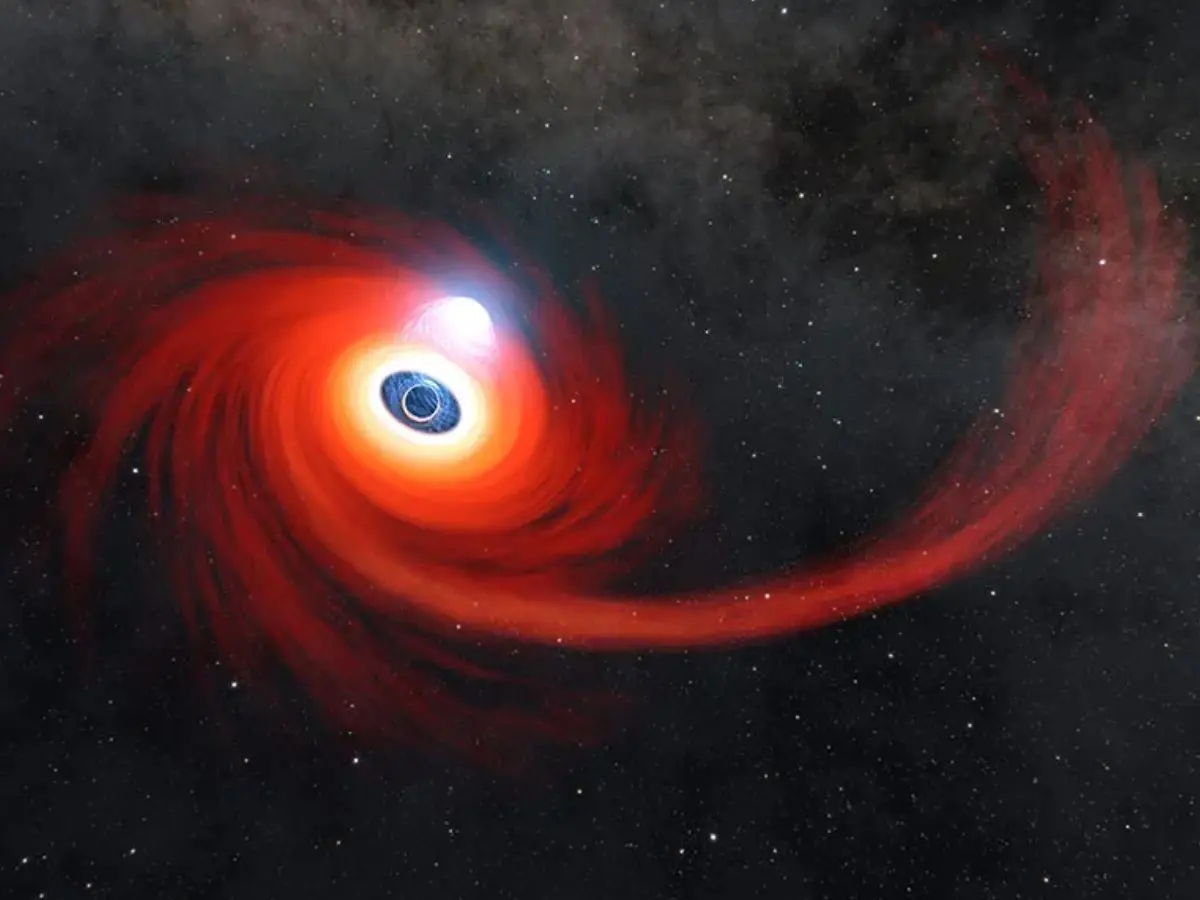
Forward time travel through gravitational time dilation is supported by Einstein’s equations, but travelling backwards is far more problematic. Theoretical models such as 'wormholes', shortcuts in space-time, have been suggested as potential pathways to the past. Some physicists have speculated that rotating black holes, known as Kerr black holes, might act as portals. However, most calculations suggest that such structures would be unstable, collapsing before they could be traversed.
The risks of falling in
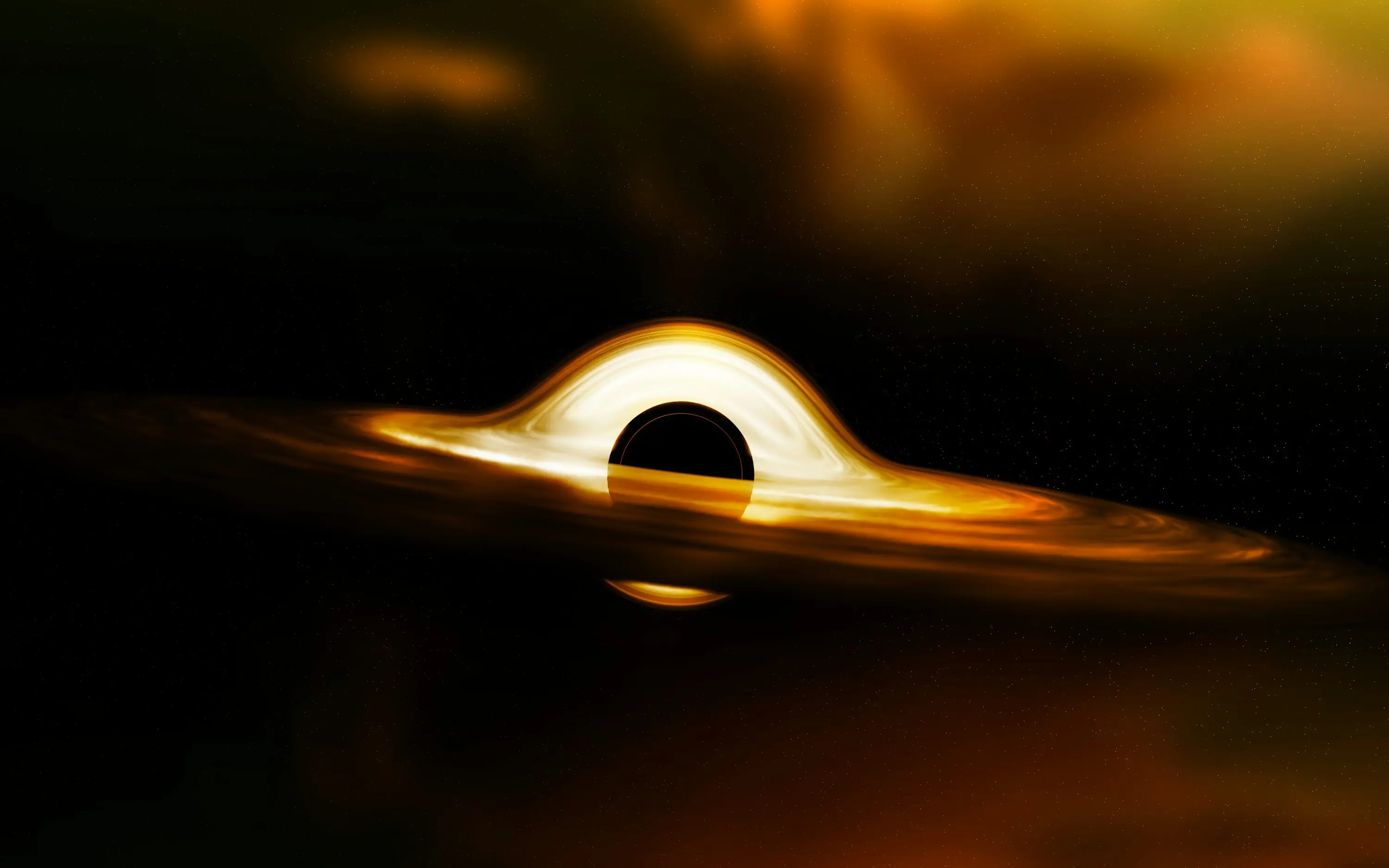
Crossing the event horizon itself would not enable a round trip. Instead, any object that falls inside is destined to reach the singularity, where our current laws of physics break down. The journey would also be fatal. Tidal forces near a stellar-mass black hole would stretch the body in a process often described as 'spaghettification.' Even near a supermassive black hole, where tidal forces at the horizon are gentler, survival past the singularity is impossible according to present knowledge.
What does science say about the future of time travel?
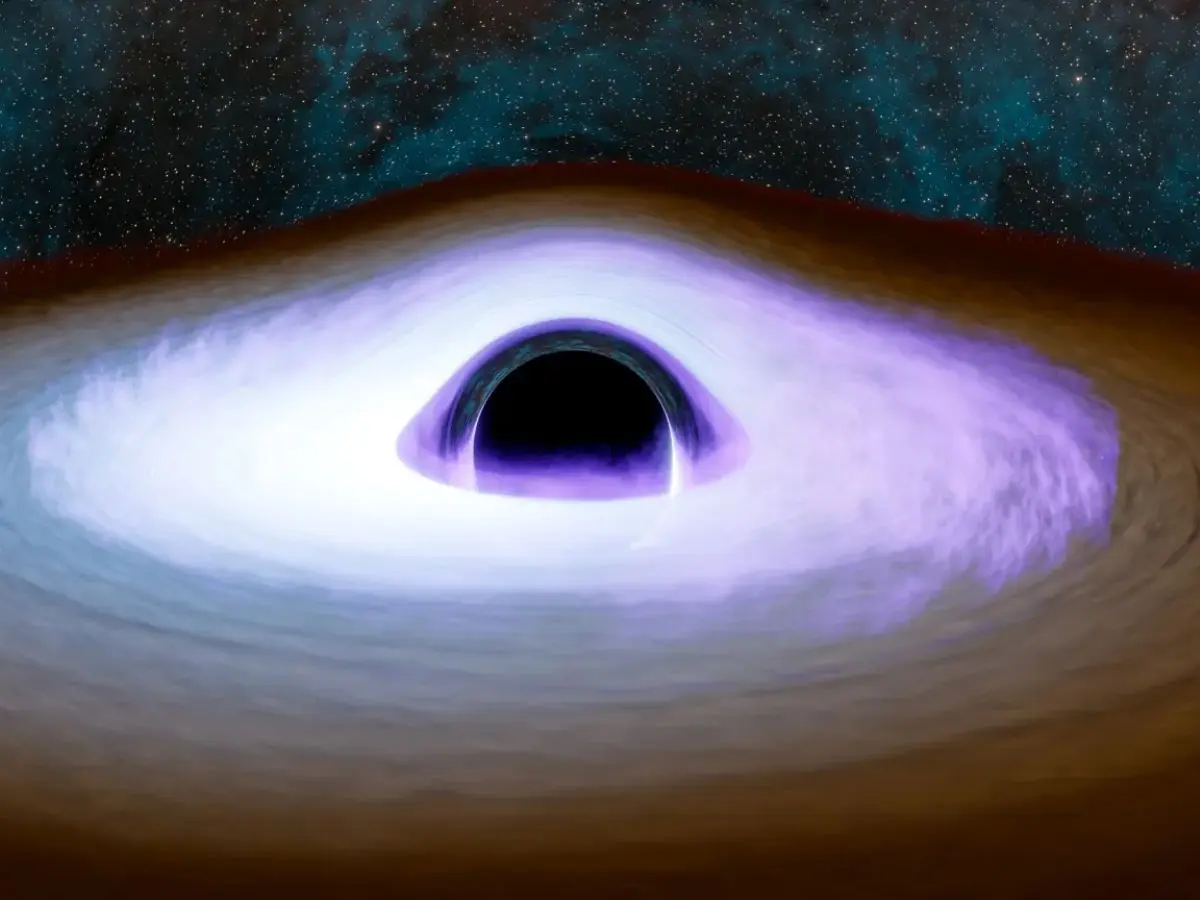
While black holes provide tantalising hints about the malleability of time, no evidence suggests they could ever serve as practical time machines. The physics of general relativity permits scenarios that look like time travel on paper, but quantum mechanics complicates the picture. Until a unified theory emerges, black holes will remain fascinating laboratories of time and gravity, but not portals to the past.
Conclusion: powerful, but not time machines
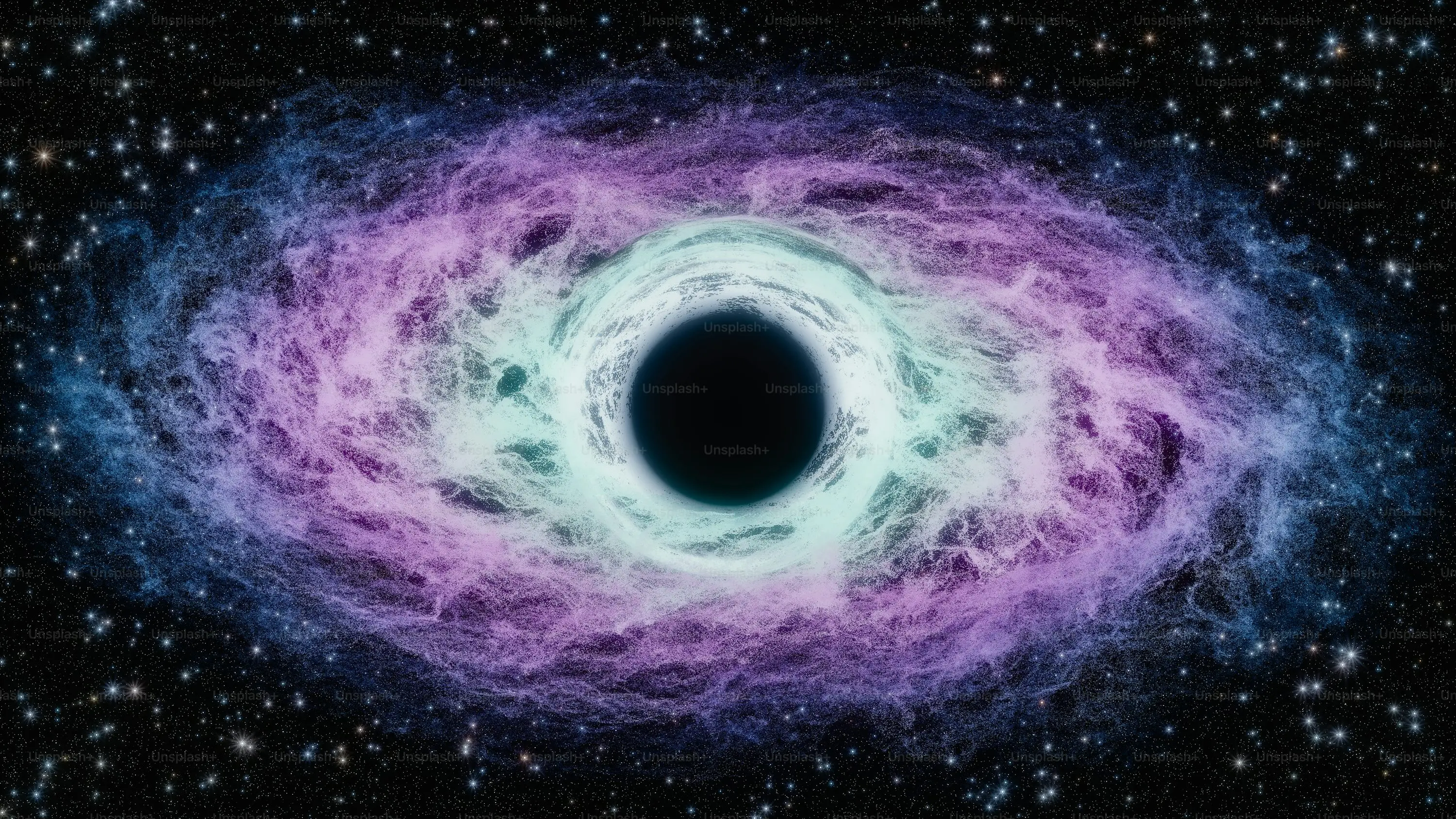
Black holes reveal just how elastic time can be under extreme gravity, making forward time travel theoretically possible. Yet their deadly interiors and the instability of hypothetical structures such as wormholes make backward travel highly unlikely. For now, time travel through black holes remains confined to theory and imagination, even as they continue to reshape our understanding of the universe.
)
)
)
)
)