Can you be left-handed and still fly a fighter jet?

Most fighter jet cockpits are laid out assuming that the pilot will control the throttle with their left hand and the joystick or control stick with their right. This configuration is standardised across most fighter jets, from the American F-16 and F-35 to the Russian Su-30 or India’s Tejas.
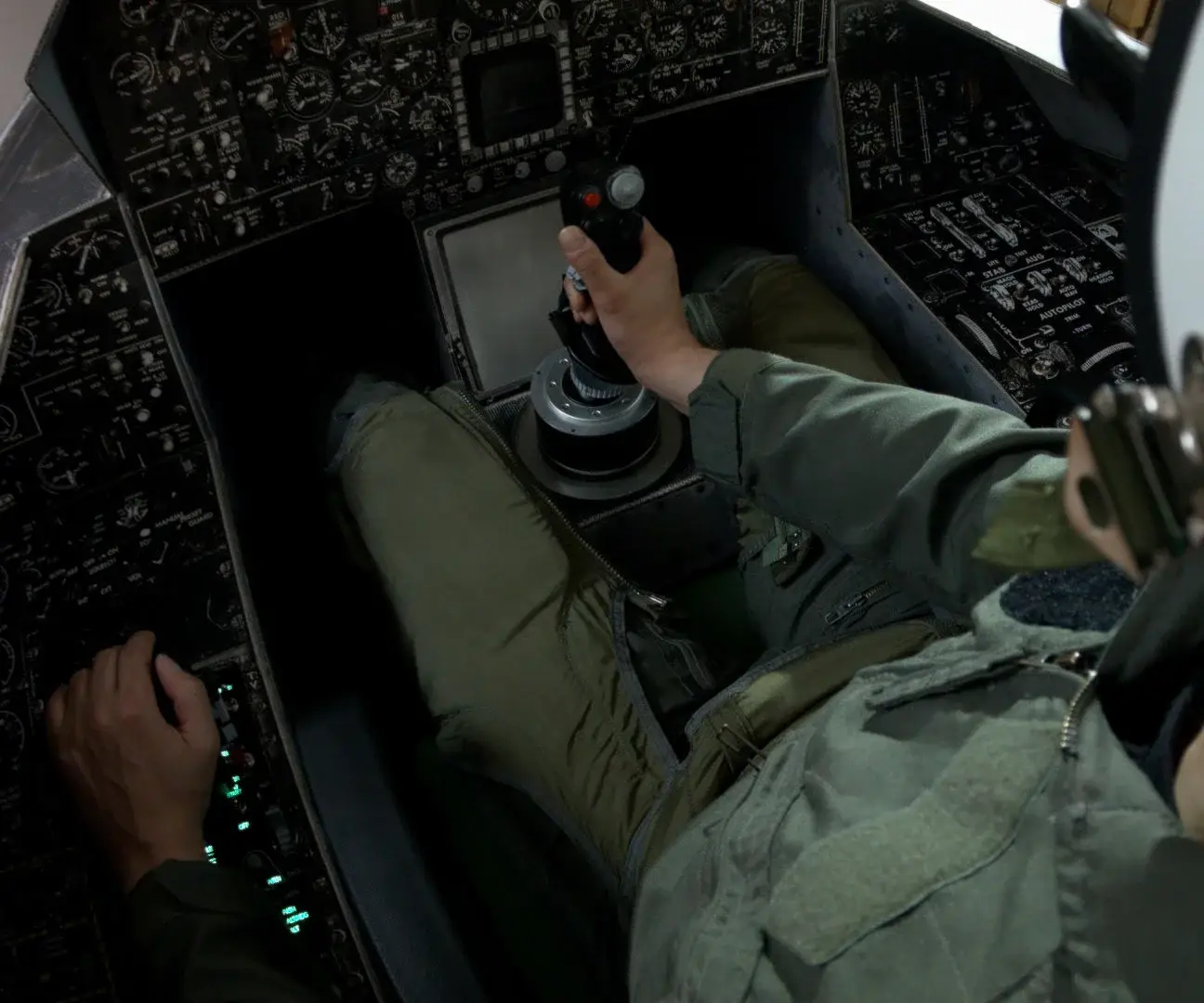
Lefties in a Right-Handed World
Roughly 10 per cent of the global population is left-handed. But when it comes to the world of aviation, especially military aviation, almost everything is designed with right-handed people in mind. So the question arises: Can you be left-handed and still become a fighter pilot? The answer is yes but it comes with a few interesting twists.
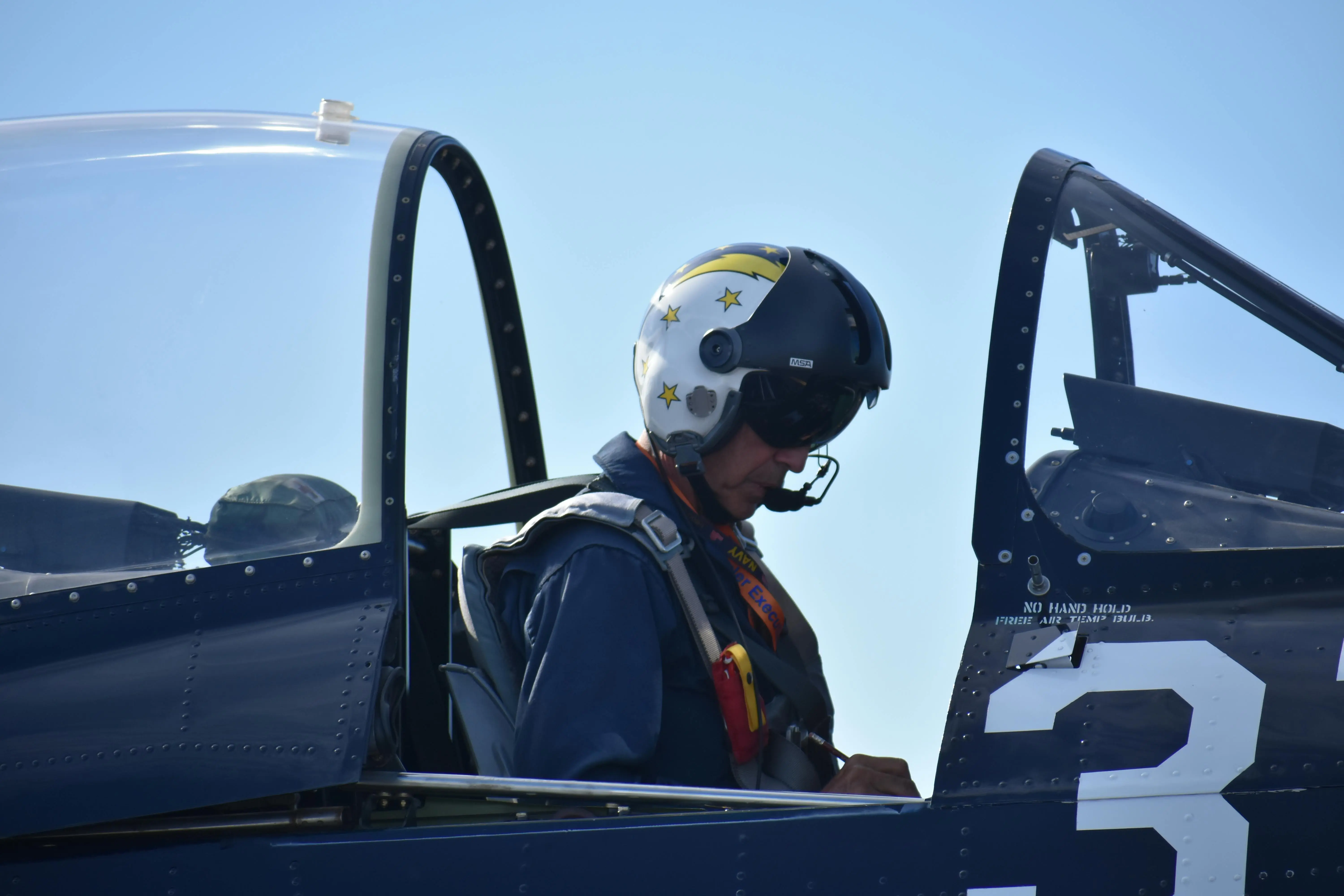
Fighter Jets Are Built for the Right-Handed Majority
Most fighter jet cockpits are laid out assuming that the pilot will control the throttle with their left hand and the joystick or control stick with their right. This configuration is standardised across most fighter jets, from the American F-16 and F-35 to the Russian Su-30 or India’s Tejas.
This setup mirrors the old design logic of right-hand dominance. While this works well for right-handed pilots, left-handed individuals are forced to adapt from day one of training.
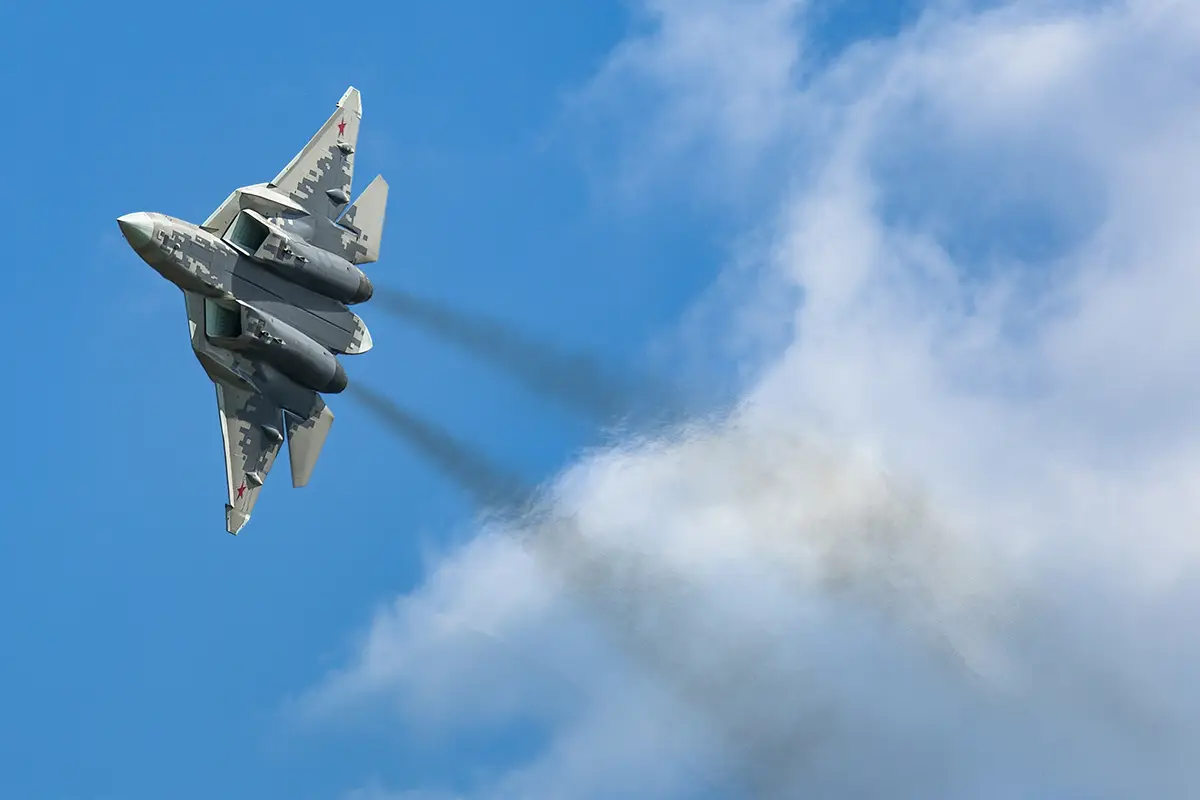
Left-Handed Pilots Do Exist
Despite the bias in design, left-handed fighter pilots exist and perform just as well as right-handed ones. During pilot training, handedness isn’t a disqualifying factor. In fact, by the time they reach advanced simulator stages, left-handed cadets are already used to operating in a right-hand-dominant cockpit.
It’s similar to left-handers using scissors, musical instruments, or video game controllers that are all built for the right hand, muscle memory eventually takes over.
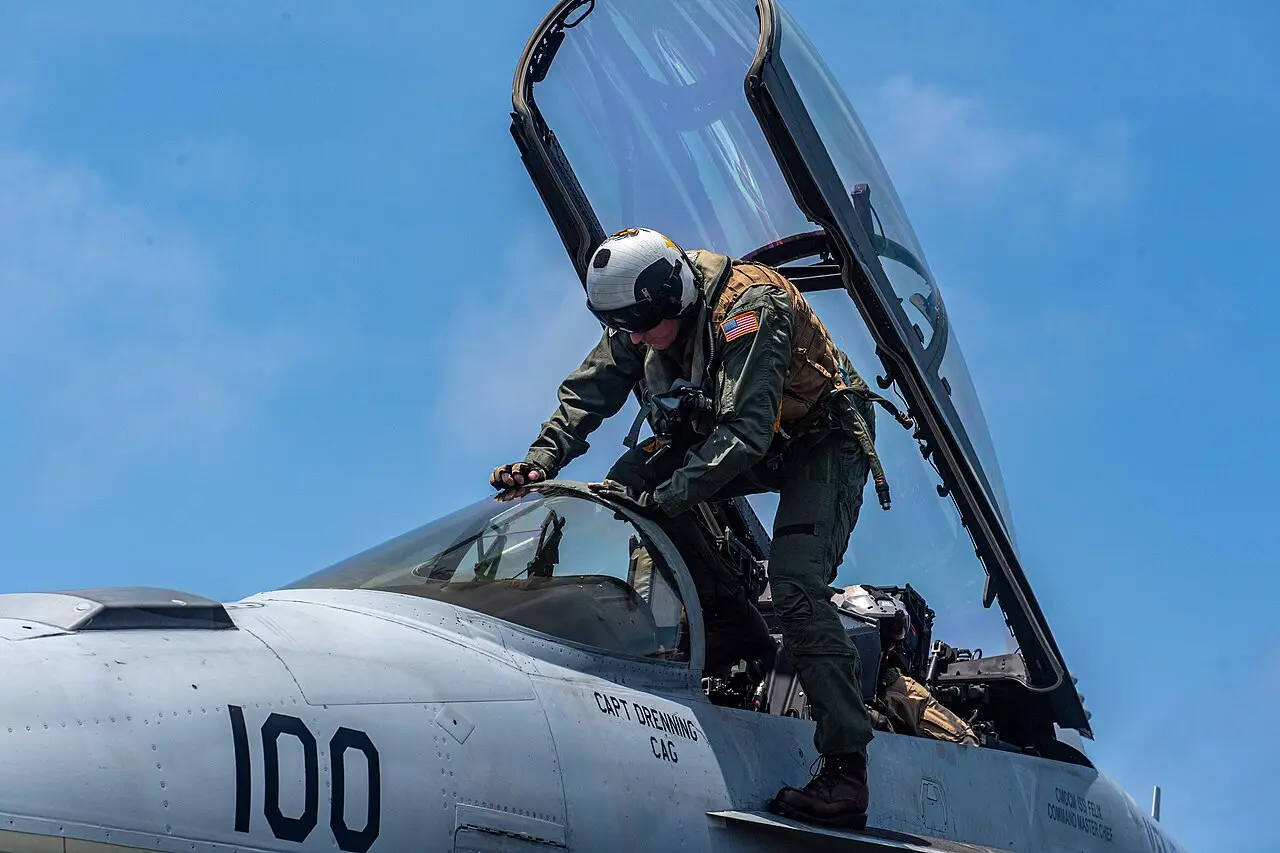
Adaptation Starts Early
Modern pilot training relies heavily on simulators, and left-handed cadets are trained to get comfortable with the default cockpit setup early on. This means hours of practice using the right hand for fine motor control tasks, such as managing the joystick, while the left hand handles throttle adjustments.
The same goes for reflex development, multi-tasking under pressure, and spatial awareness, where brain flexibility matters more than dominant-hand strength.
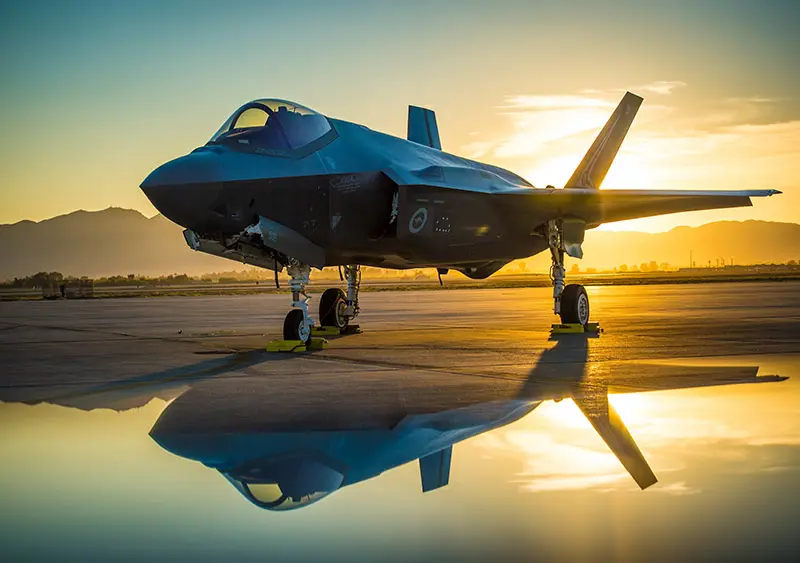
Why Not Design for Left-Handers Too?
Short answer: It’s not practical. Fighter jets are incredibly complex and standardised across squadrons, which means one-size-fits-all design is key. Designing left-handed versions of fighter jets would be extremely expensive and logistically inefficient, imagine switching entire cockpit layouts for a handful of pilots in a fleet.
Moreover, in a two-seat configuration (like the Su-30MKI or trainers like the Hawk), consistency in cockpit layout is critical for both communication and emergency response.
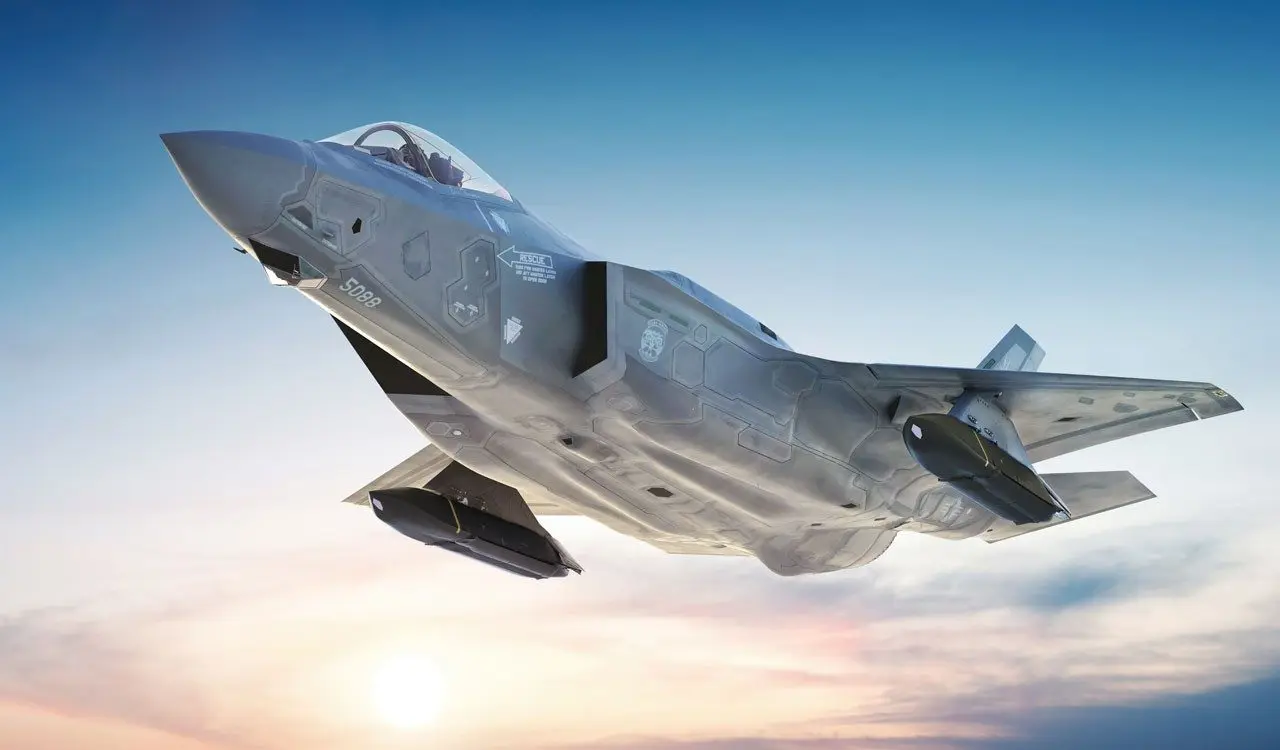
TL;DR – Yes, But You’ll Have to Adjust
Yes, you absolutely can be left-handed and become a fighter pilot. But you’ll have to train your right hand to do most of the flying. Just like in many parts of life, left-handers in aviation learn to adapt — and many do so successfully, going on to fly the world’s most advanced warplanes.
In the end, the fighter jet doesn’t care which hand you write with. It only cares how well you fly it.
)
)
)
)
)