Can Iron Beam defend a whole city using only solar power?

While theoretically possible, powering Iron Beam solely with solar energy is impractical for city defence due to the massive power draw (300kW+ input) and the need for 24/7 reliability. Solar struggles with night attacks, making hybrid systems with grid or diesel viable backup options.
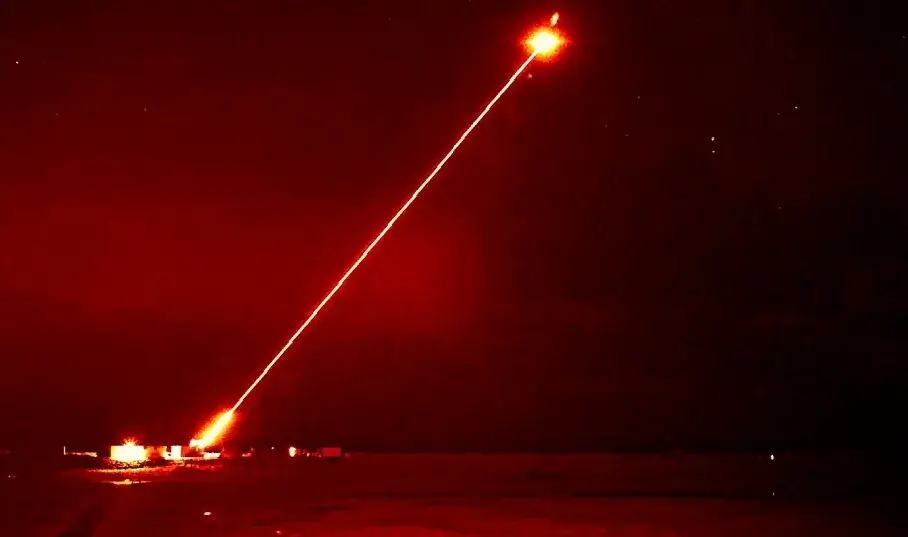
Theoretically Possible, Practically Difficult
While solar energy can theoretically power any electrical system, Army Technology notes that the sheer density of power required for Iron Beam makes a solar-only setup logistically difficult. It would require acres of panels to guarantee the reliability needed for city defence.
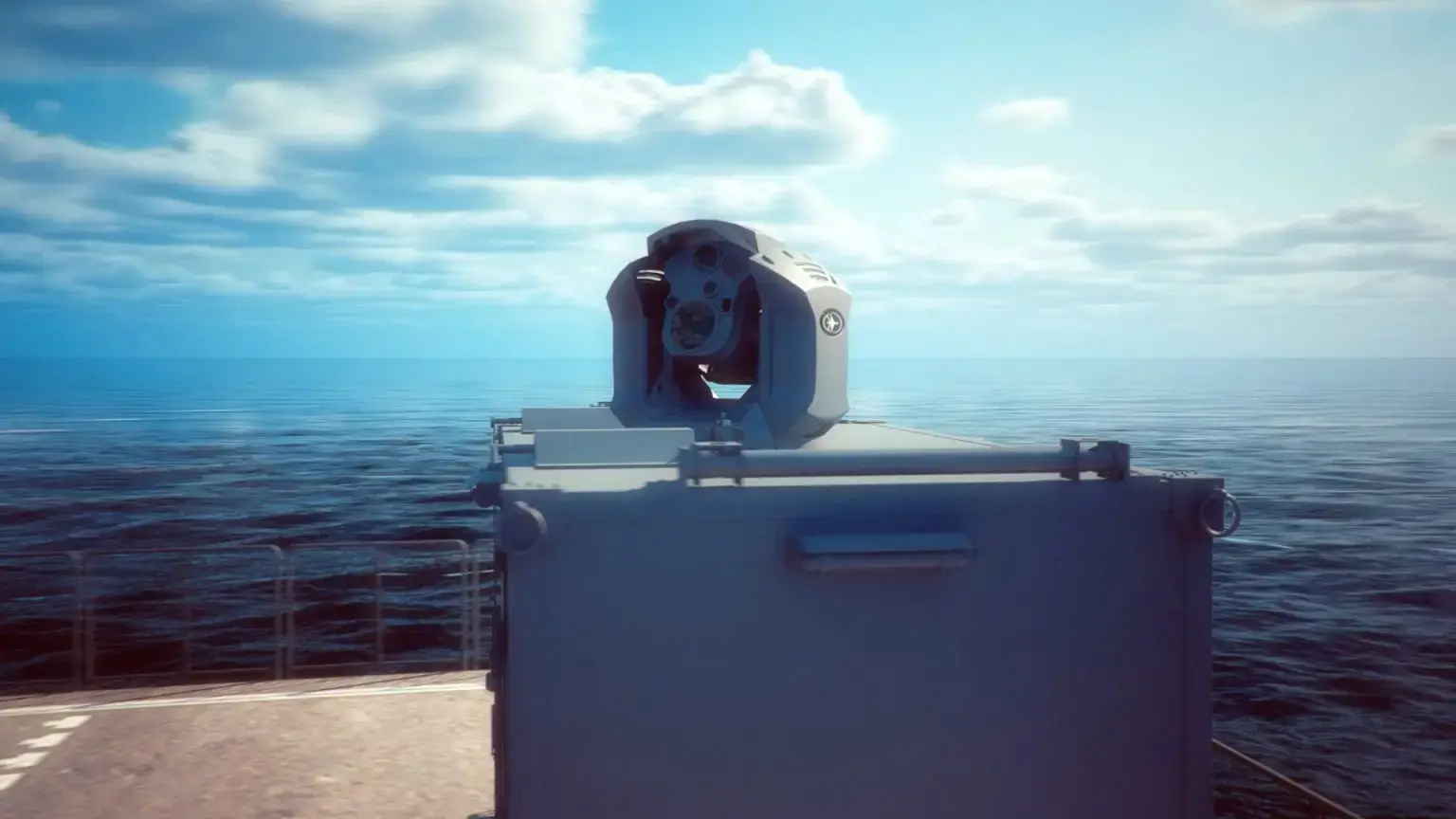
The 100kW Power Hungry Beast Input Exceeds Output
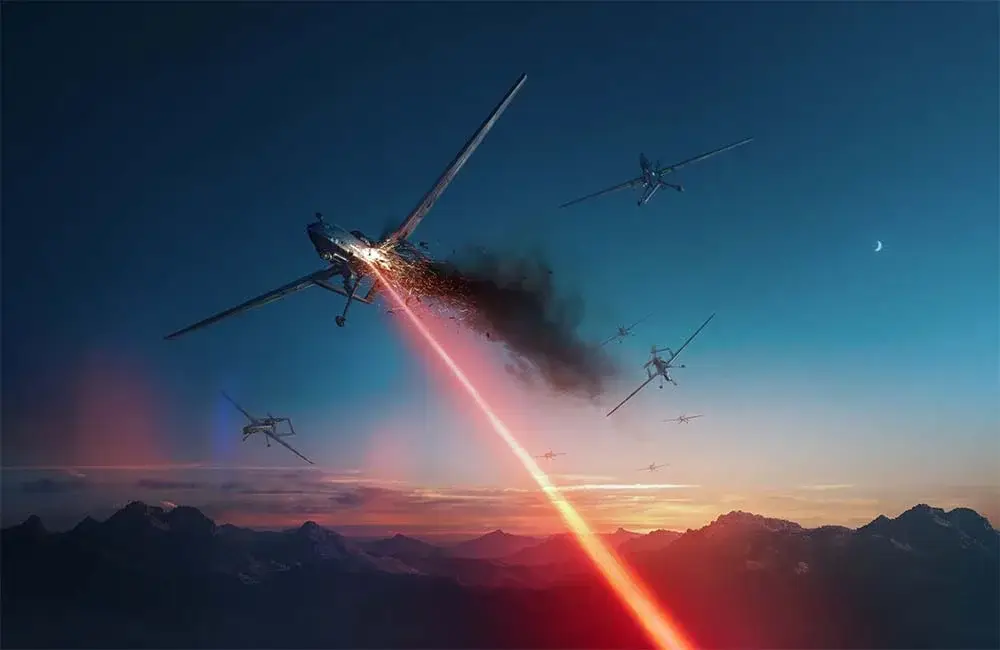
Iron beam delivers a 100kW laser output, but the input power required is much higher due to conversion losses. Engineering principles dictate that to generate that 100kW beam, the system likely draws over 300kW of raw electricity, placing a heavy load on any power source.
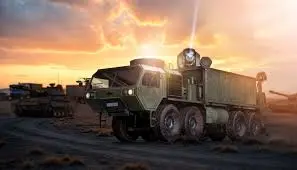
The Problem of 'Thermal Blooming' Solar Can't Fix Weather
Solar power shares a weakness with lasers: weather. Just as clouds block the laser beam (thermal blooming), they also cut solar generation. Relying on solar means the system’s power supply would be weakest exactly when the weapon itself is struggling with visibility.
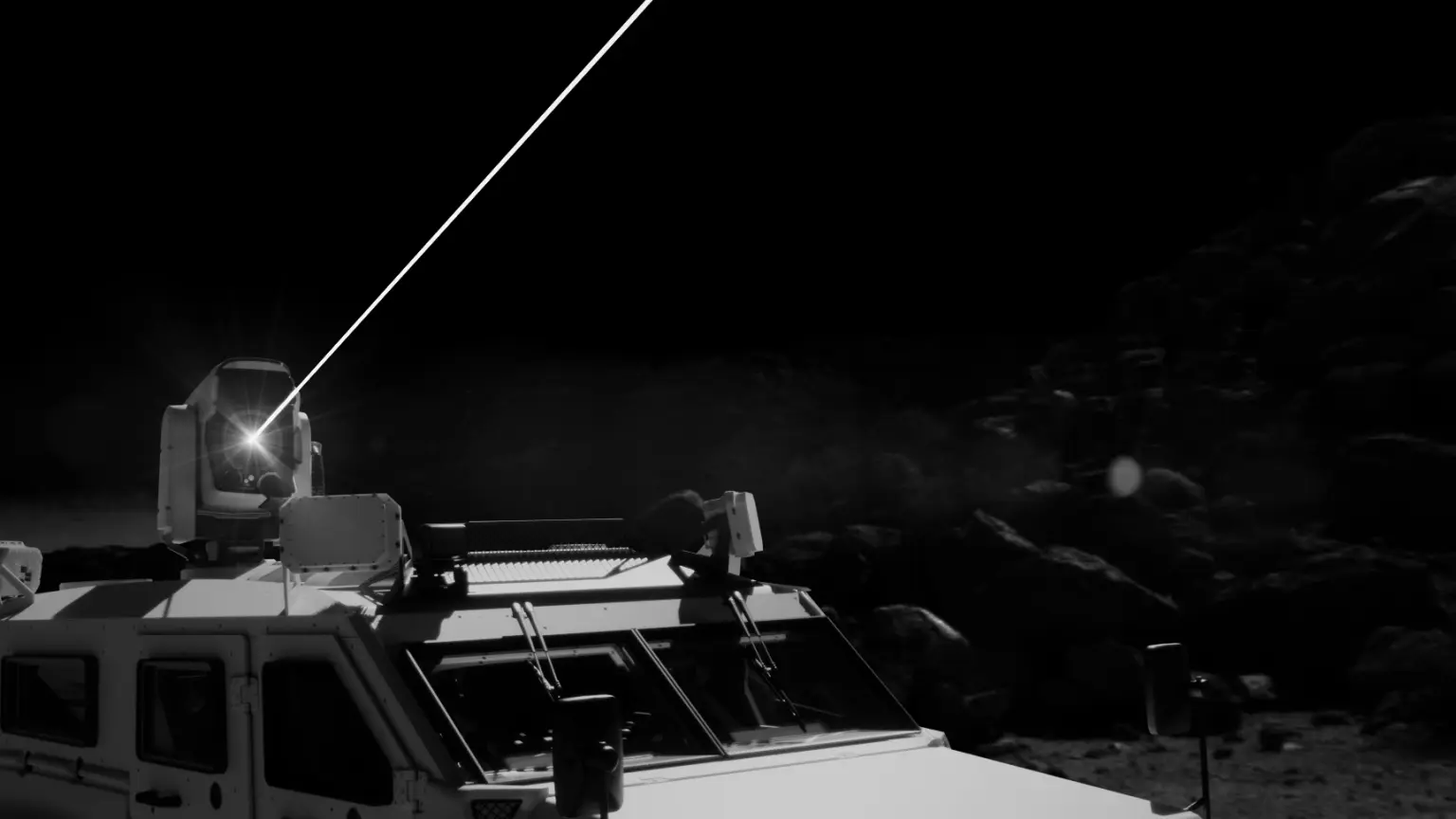
Massive Battery Banks Required Storing the 'Infinite' Magazine
To fire continuously at night, a solar-powered Iron Beam would need massive industrial battery banks. Rafael’s mobile "Iron Beam-M" already uses batteries, but a city-wide shield would require storage capacity similar to a small power plant to ensure 24/7 readiness.
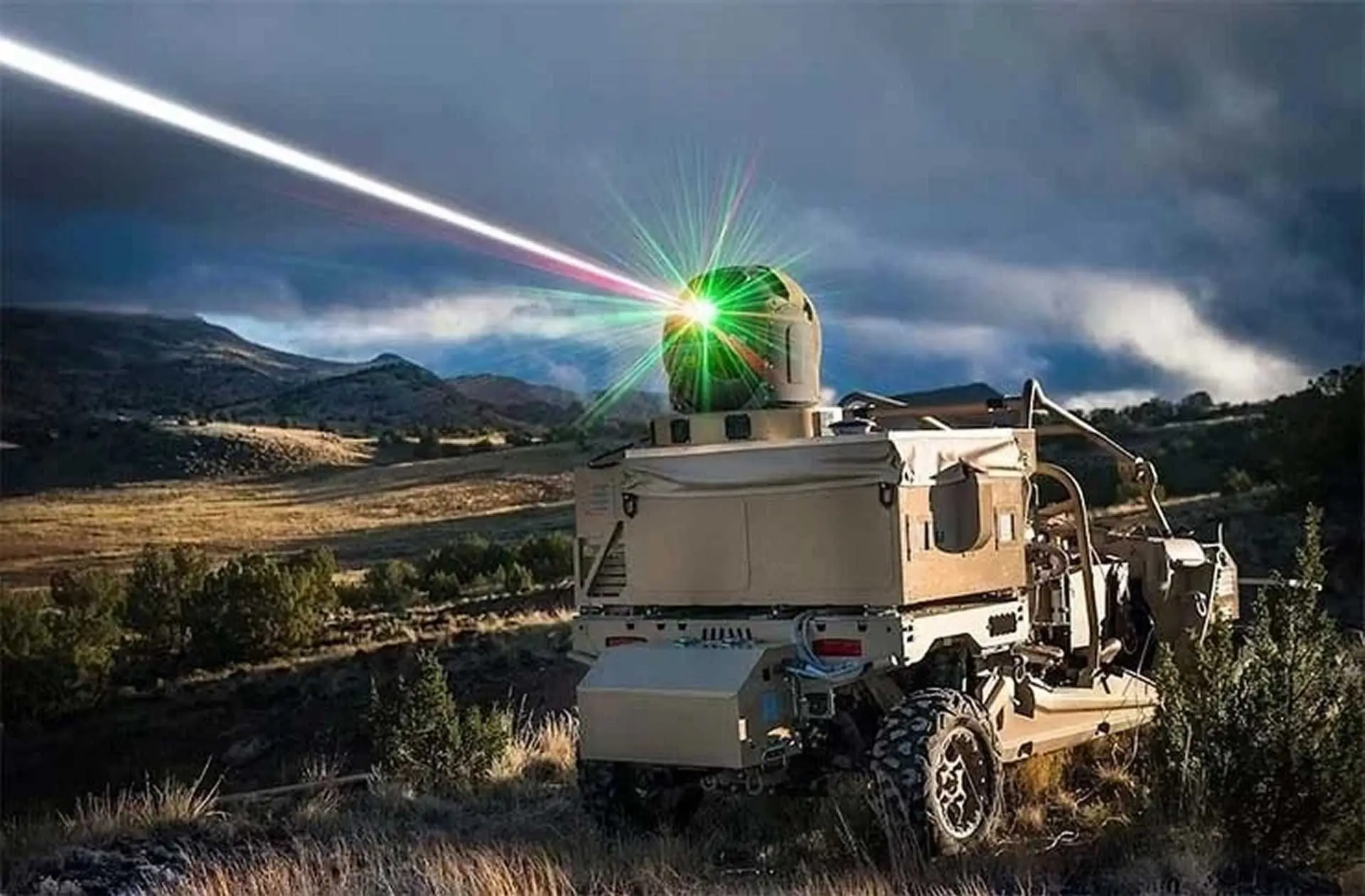
Intermittency is a Security Risk Night Attacks Are Common
Enemy drones and rockets often strike at night when solar panels are dead. Defence analysts highlight that a defence system must have 100 per cent uptime reliability, making a standalone solar solution dangerous without a backup generator.
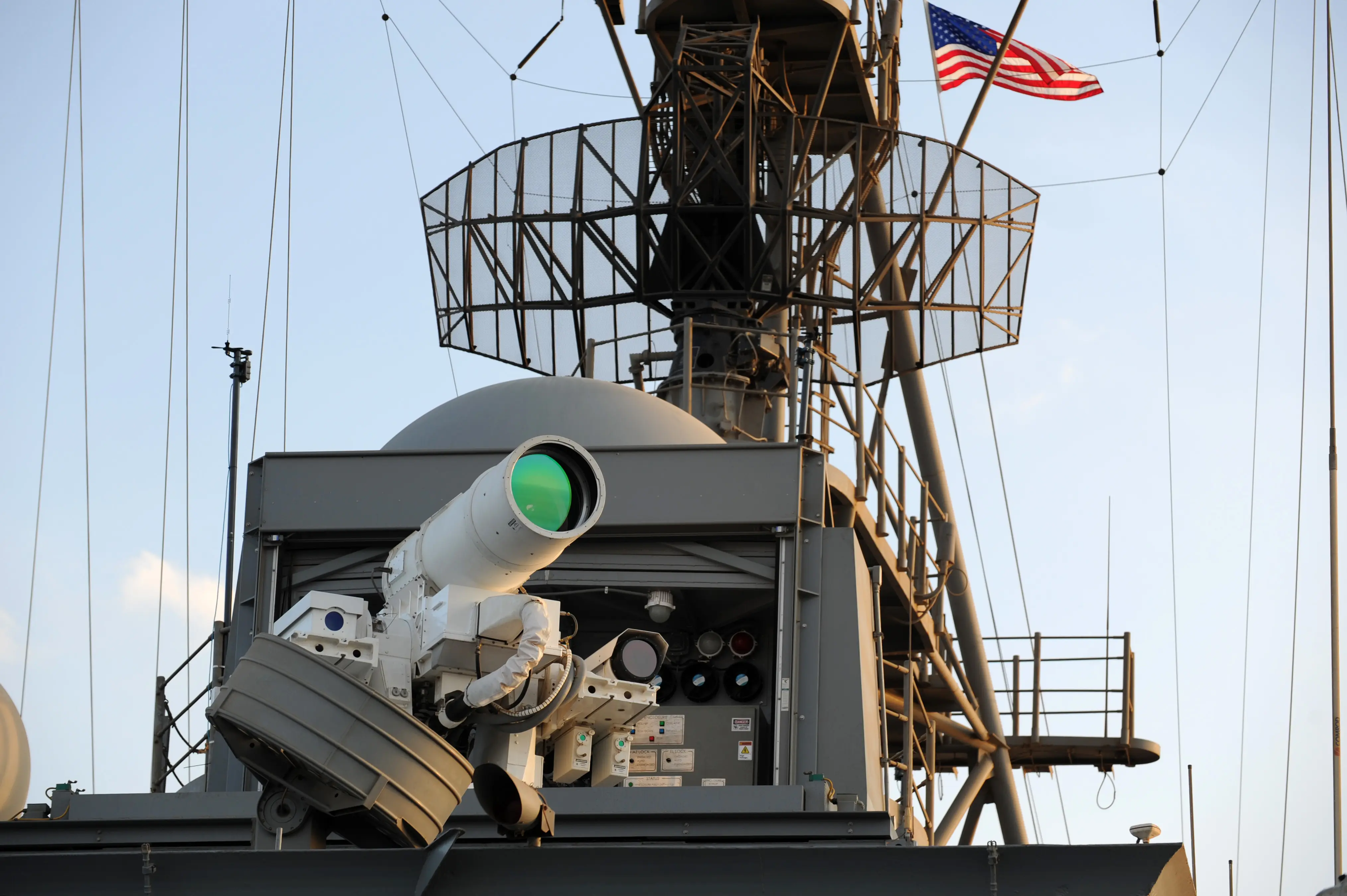
Charging Speed vs Firing Rate Draining Faster Than Filling
During a saturation attack, the laser fires repeatedly, draining power instantly. A solar array charges slowly; if the battery drains after 50 shots, the system would sit useless for hours while recharging, leaving the city vulnerable.
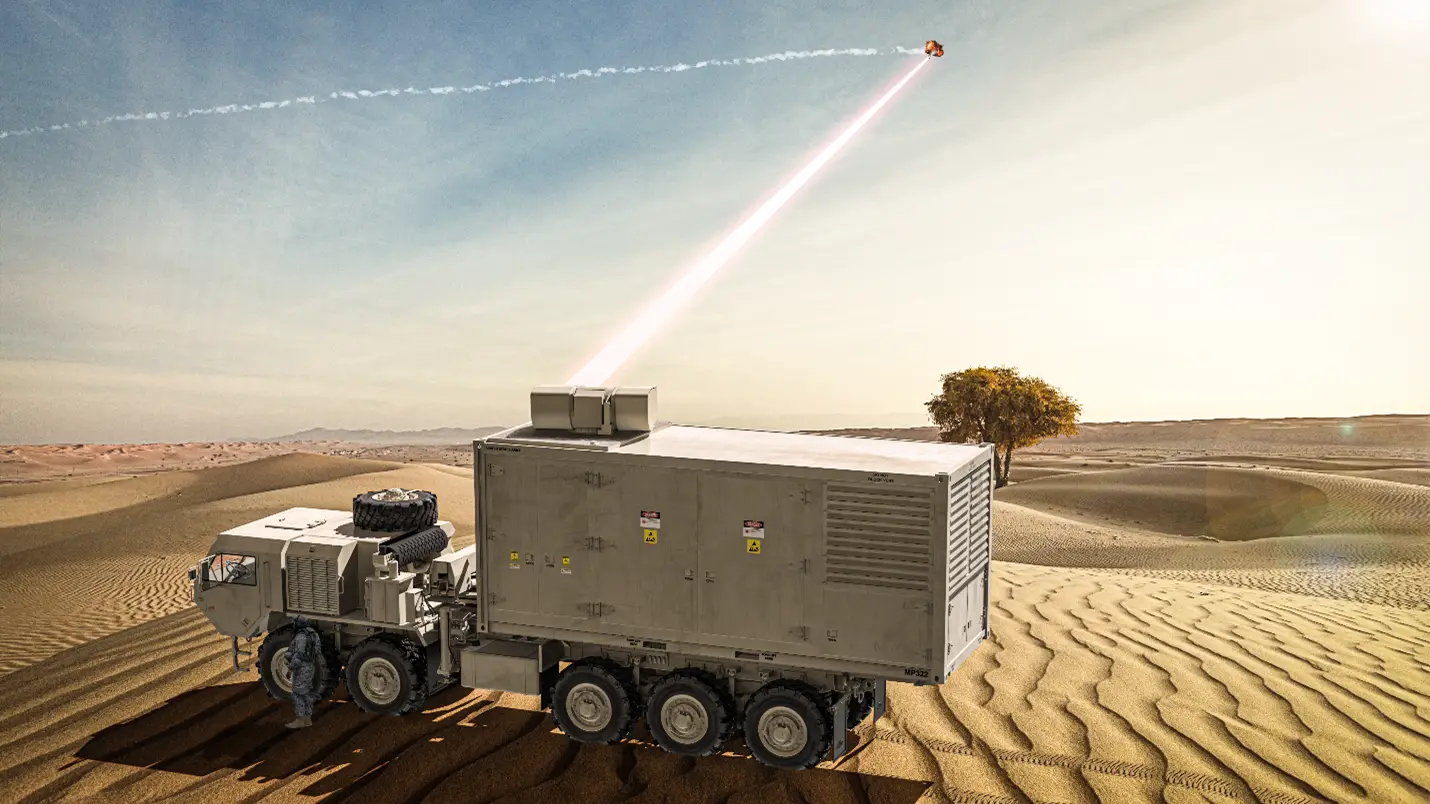
Iron Beam-M: A Solar Candidate? Remote Outpost Defence
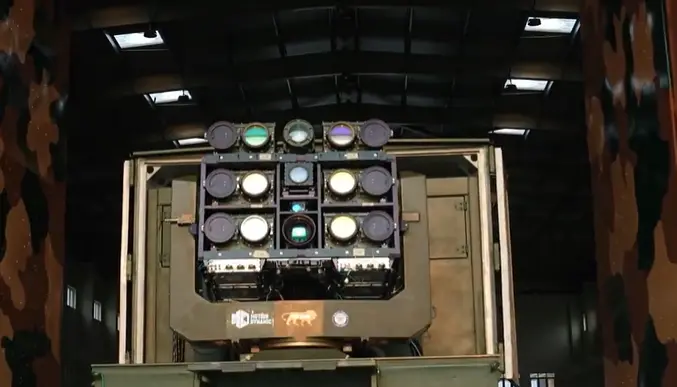
While city defence is unlikely, the smaller 50kW "Iron Beam-M" could theoretically use solar at remote outposts. WION reports that these mobile units rely on generators, but solar could serve as a silent fuel-saving auxiliary source in off-grid locations.
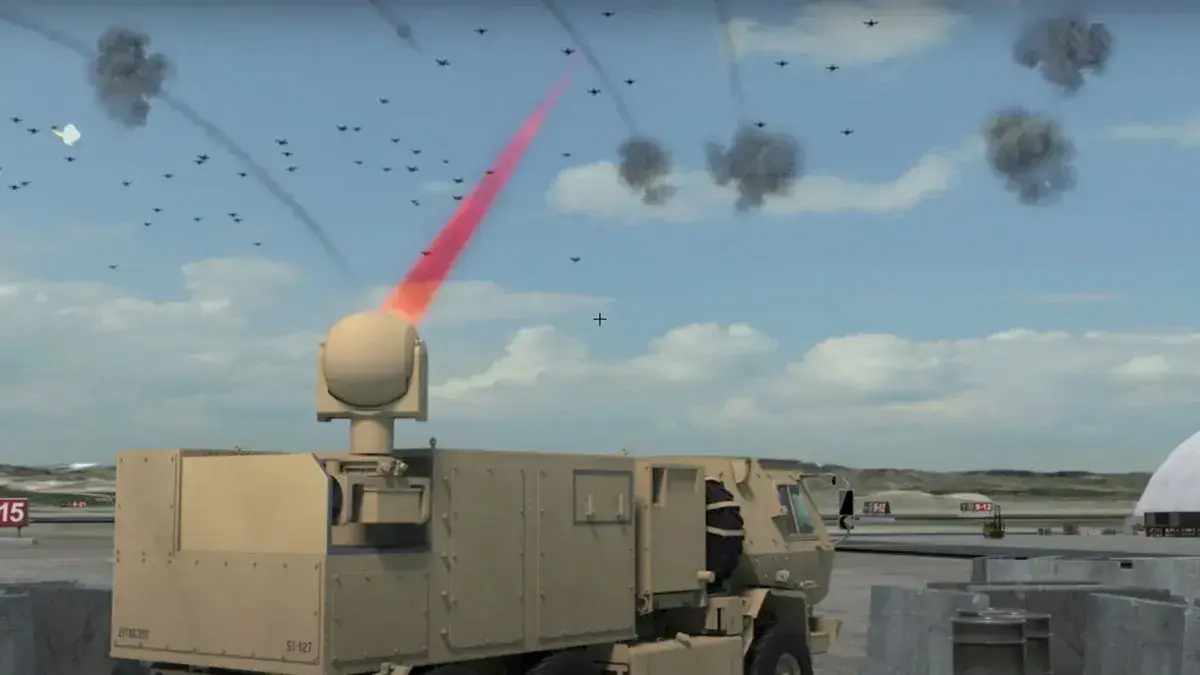
The Grid Remains King Reliability Over Sustainability
For defending cities like Tel Aviv, the national power grid provides the stable, high-voltage current necessary for operation. Infrastructure experts verify that hardwired grid connections offer the consistency that intermittent renewable energy currently cannot match for military-grade weapons.
The Hybrid Solution Solar Plus Diesel Generators
The most practical "green" solution is a hybrid model. The system could run on solar-charged batteries for standby monitoring and low-intensity threats, while diesel generators kick in automatically to handle high-power engagements during mass attacks.
Conclusion: Auxiliary Only Supplement, Not Replacement Currently
Solar power lacks the energy density to be the primary energy source for city-wide laser defence. It can reduce fuel costs and logistics, but verified defence protocols demand the reliability of the grid or generators for life-saving operations.
)
)
)
)
)