Can hypersonic fighter jets rely on scramjet boosters to achieve 'Mach 5' in short bursts?

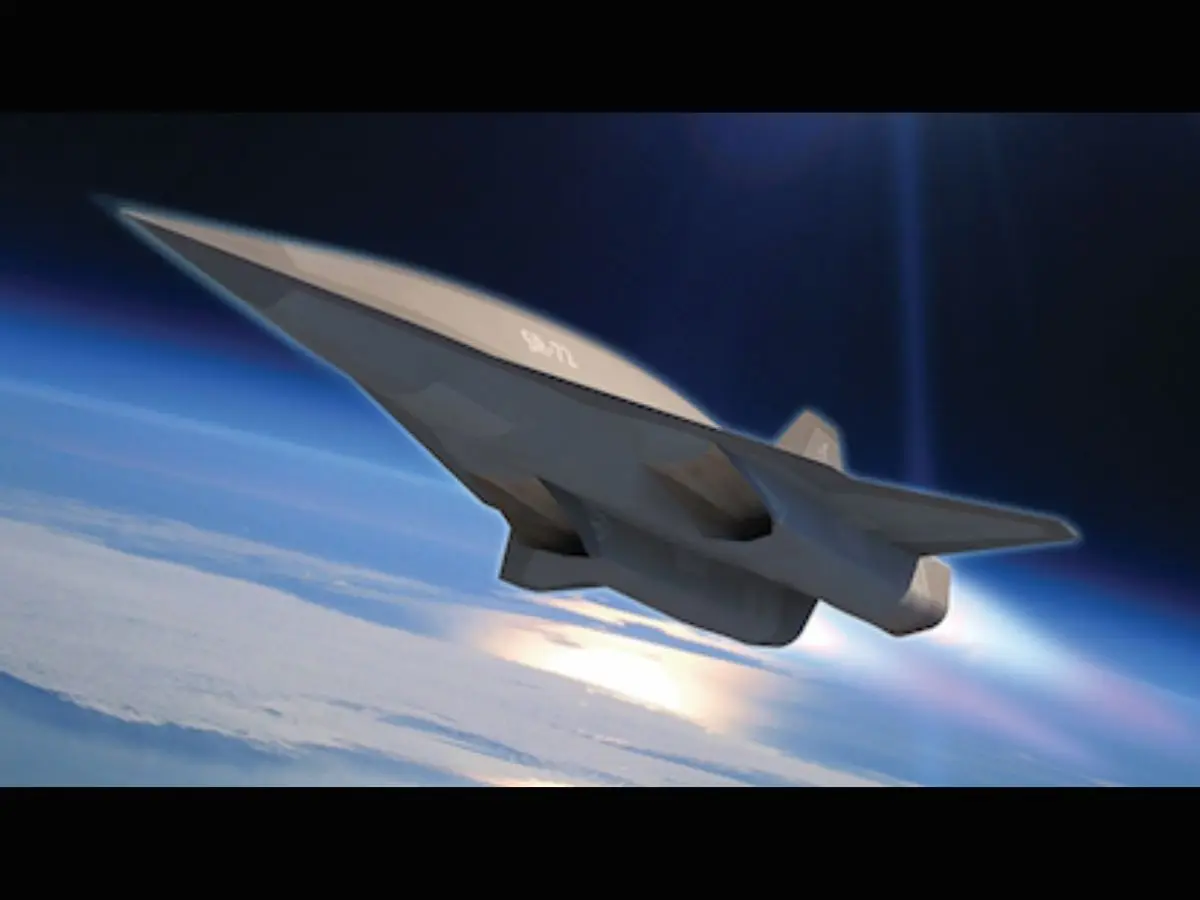
A fighter jet equipped with a dual-mode propulsion system could rely on a conventional turbofan for subsonic and supersonic flight, activating a scramjet booster only for brief acceleration, such as evading interception or delivering a rapid strike.
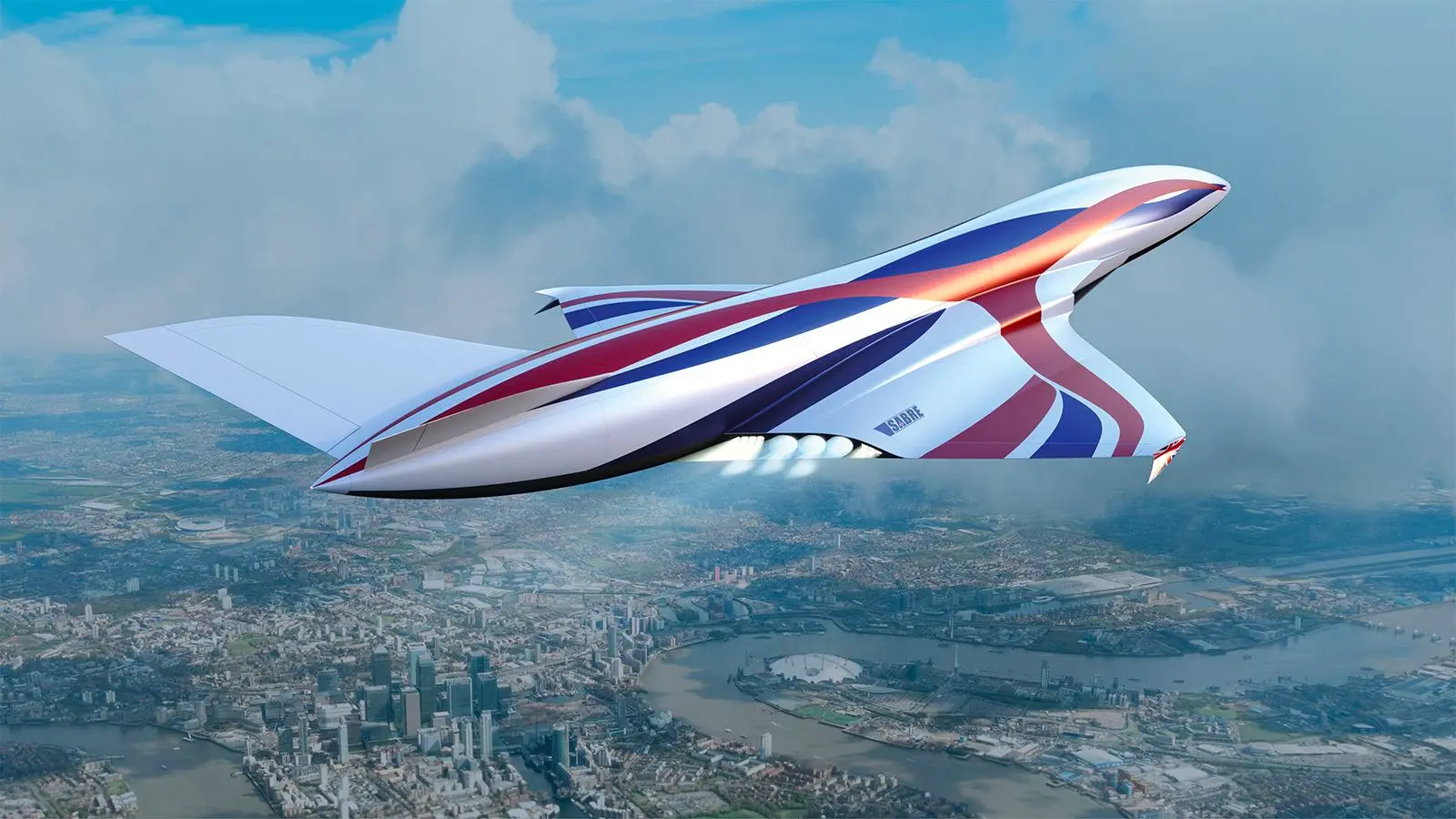
1. The pursuit of hypersonic speed in air combat
Fighter jets have long been limited by the physics of combustion and air resistance. Reaching Mach 5, five times the speed of sound, would redefine aerial warfare, allowing aircraft to outpace missiles and strike before radar detection. The key to unlocking this lies in scramjet booster technology, now under active research globally.
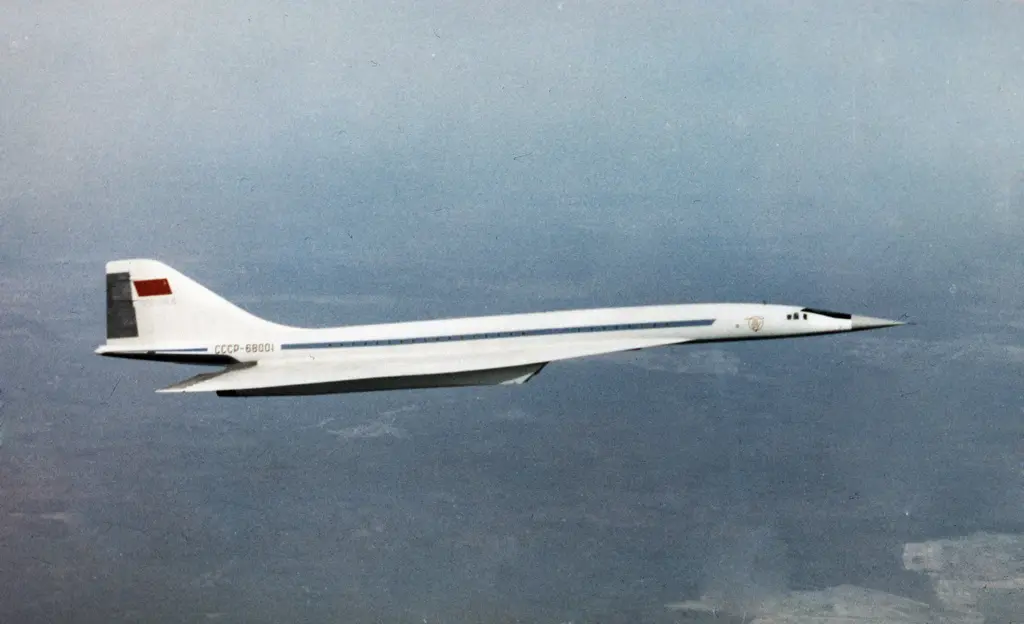
2. What exactly is a scramjet?
A scramjet, or supersonic combustion ramjet, is an engine that compresses incoming air using the jet’s own speed rather than turbine blades. Unlike traditional turbojets, it contains no moving parts and burns fuel directly in a supersonic airflow, allowing efficient operation beyond Mach 4, a speed range conventional engines can’t sustain.
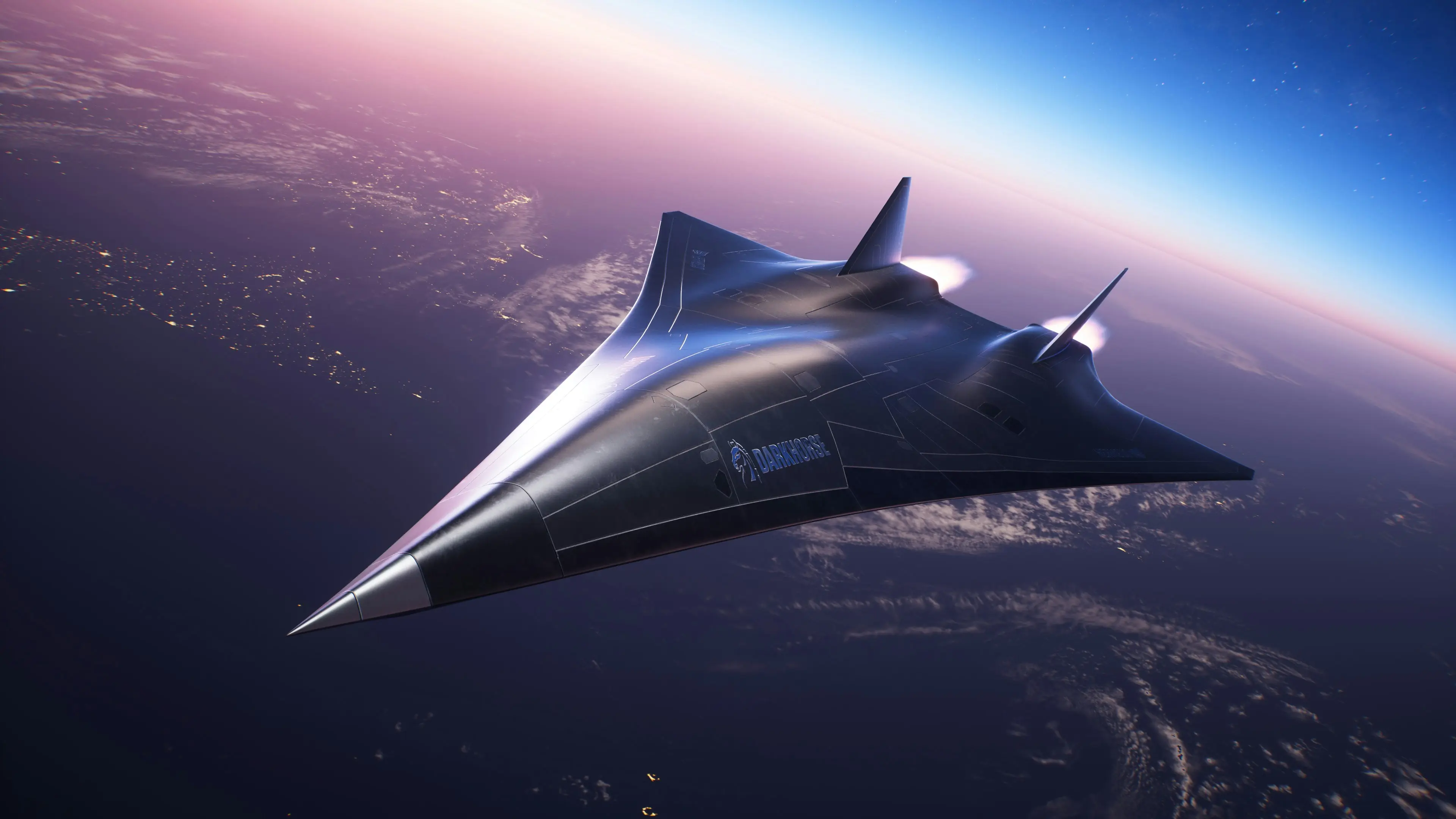
3. India, the US, and Russia are testing scramjet prototypes
The Defence Research and Development Organisation (DRDO) in India successfully tested a hypersonic air-breathing scramjet demonstrator in 2020. Similarly, DARPA’s Hypersonic Air-breathing Weapon Concept (HAWC) and Russia’s Kinzhal and Zircon programmes are exploring scramjet-based propulsion for next-gen aircraft and missiles.
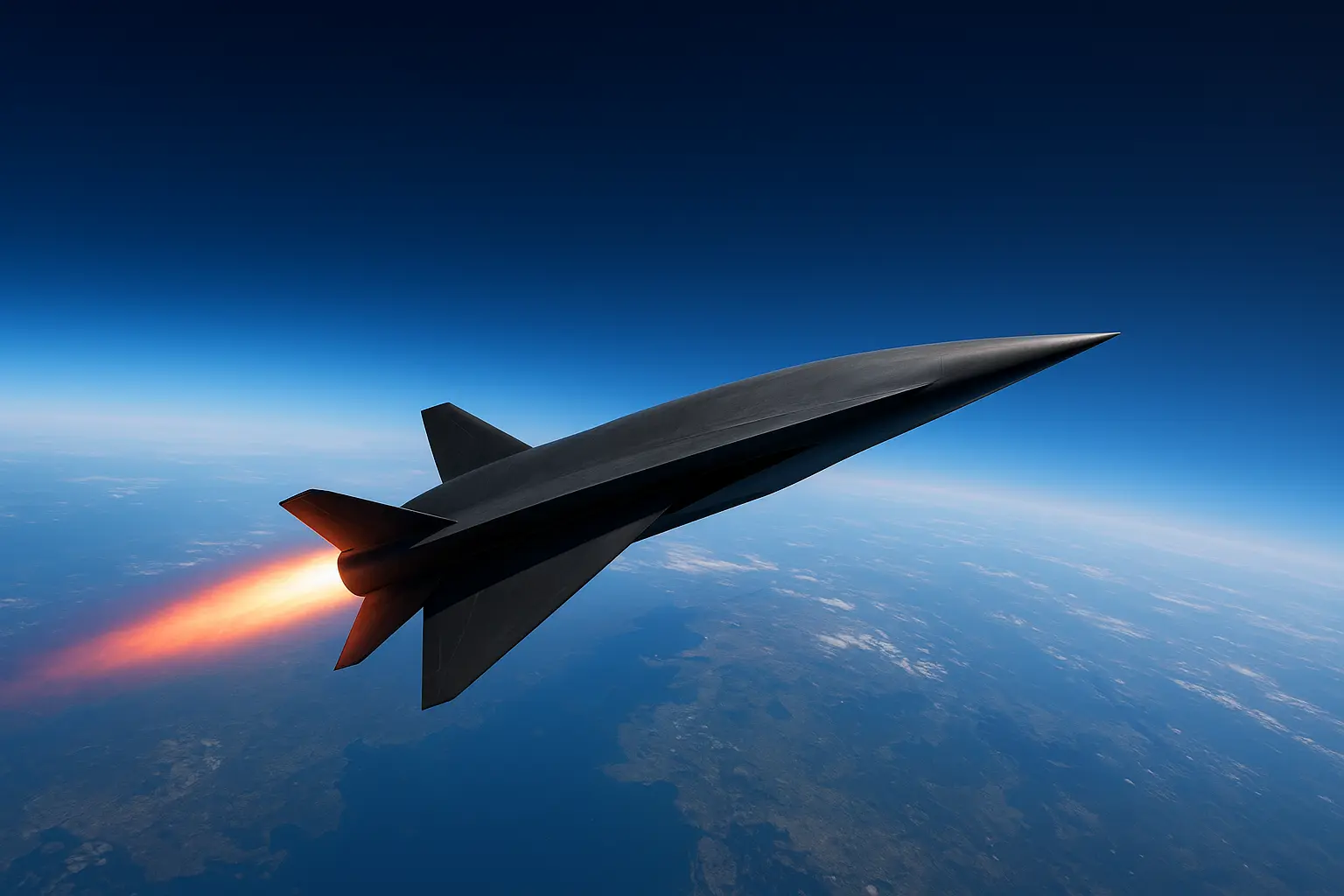
4. Why fighters might use scramjets only for “short bursts”
Continuous hypersonic flight produces extreme heat and structural stress. A fighter jet equipped with a dual-mode propulsion system could rely on a conventional turbofan for subsonic and supersonic flight, activating a scramjet booster only for brief acceleration, such as evading interception or delivering a rapid strike.
5. Engineering challenges ahead
Operating at Mach 5 requires airframes built from heat-resistant composite materials, advanced cooling systems, and precise fuel injection control. Even minor turbulence can destabilise combustion at such speeds. Integrating scramjets into reusable fighter-sized platforms remains one of aerospace engineering’s toughest problems.
6. Tactical advantages of short-term hypersonic capability
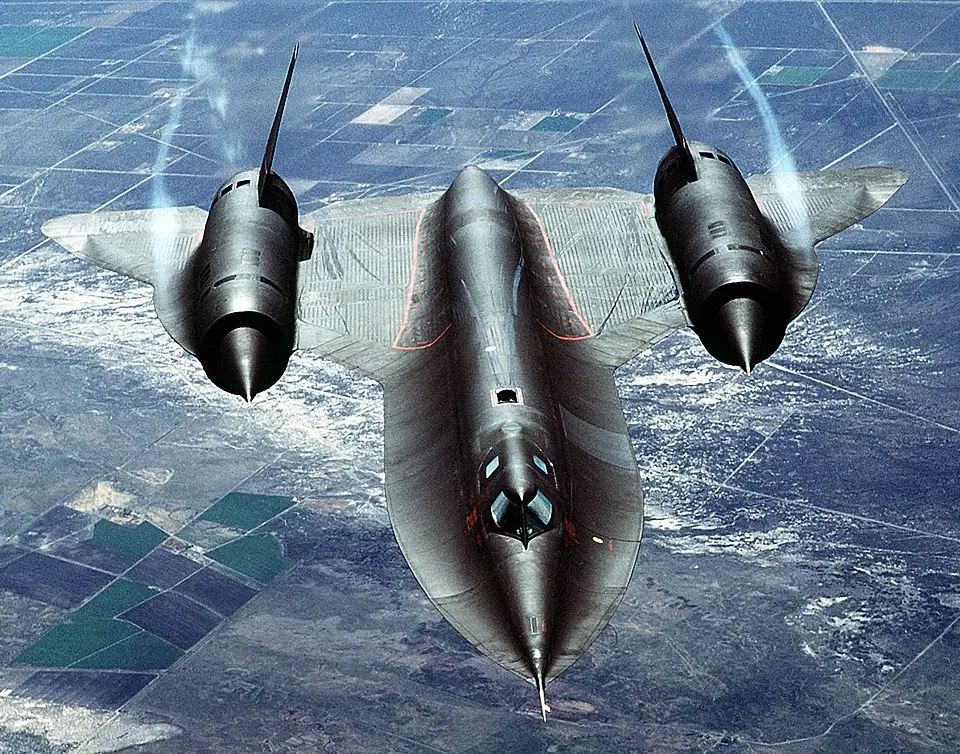
A fighter capable of temporary hypersonic bursts would enjoy tactical invisibility, reducing radar tracking windows to mere seconds. It could strike deep targets and retreat before detection, or close distance in aerial engagements far faster than adversaries could respond.
7. A glimpse of the next decade in air warfare
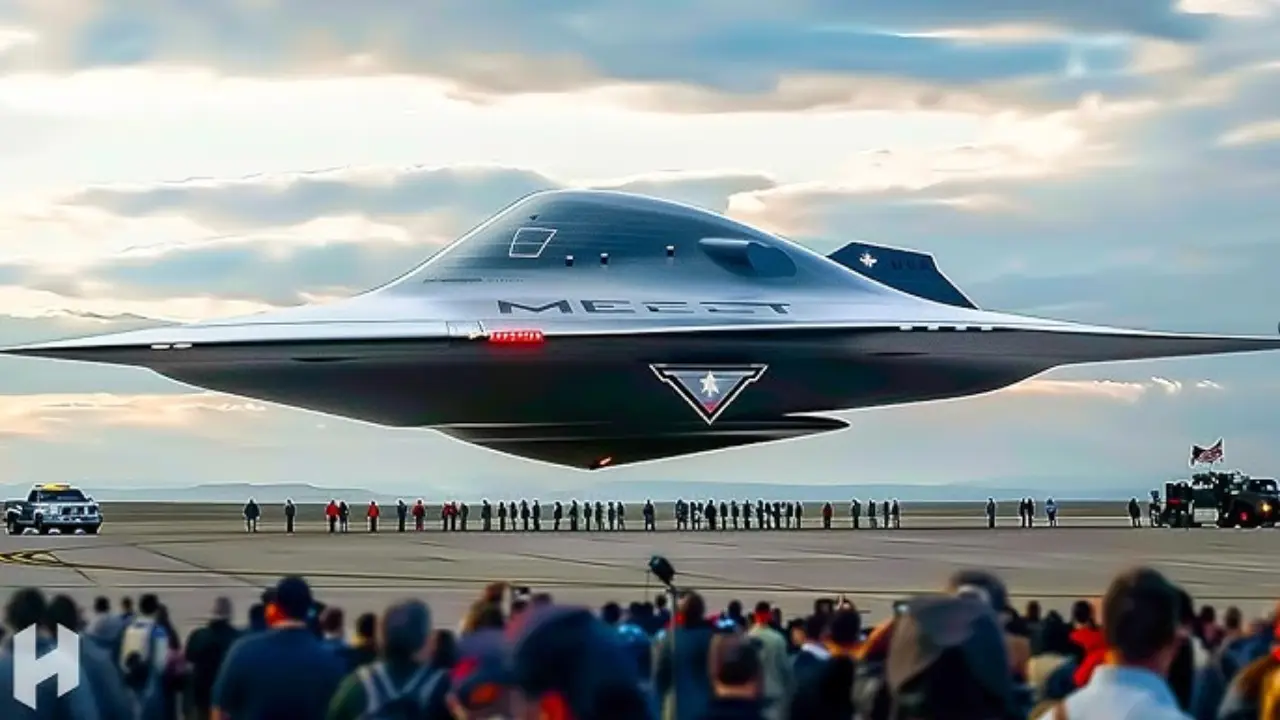
Experts predict future sixth-generation fighters, such as India’s AMCA Mk2 or the U.S. NGAD platform, could feature hybrid propulsion systems with scramjet assist modules. While sustained hypersonic flight is still beyond reach, controlled Mach 5 bursts might become a defining feature of advanced air combat by the mid-2030s.
)
)
)
)
)