Can future Indian fighter jets use biofuel blends to cut emissions without losing power?

It aligns with the country’s commitments under international climate accords and demonstrates how sustainability can coexist with national security imperatives.

1. The push for sustainable defence aviation
As global air forces face pressure to reduce carbon emissions, India’s defence sector is exploring biofuel-based jet propulsion as a sustainable alternative. The idea is to create eco-friendly fuel blends that can power fighter jets without compromising performance, a critical balance in military operations.
2. DRDO and IAF’s early experiments with bio-jet fuel
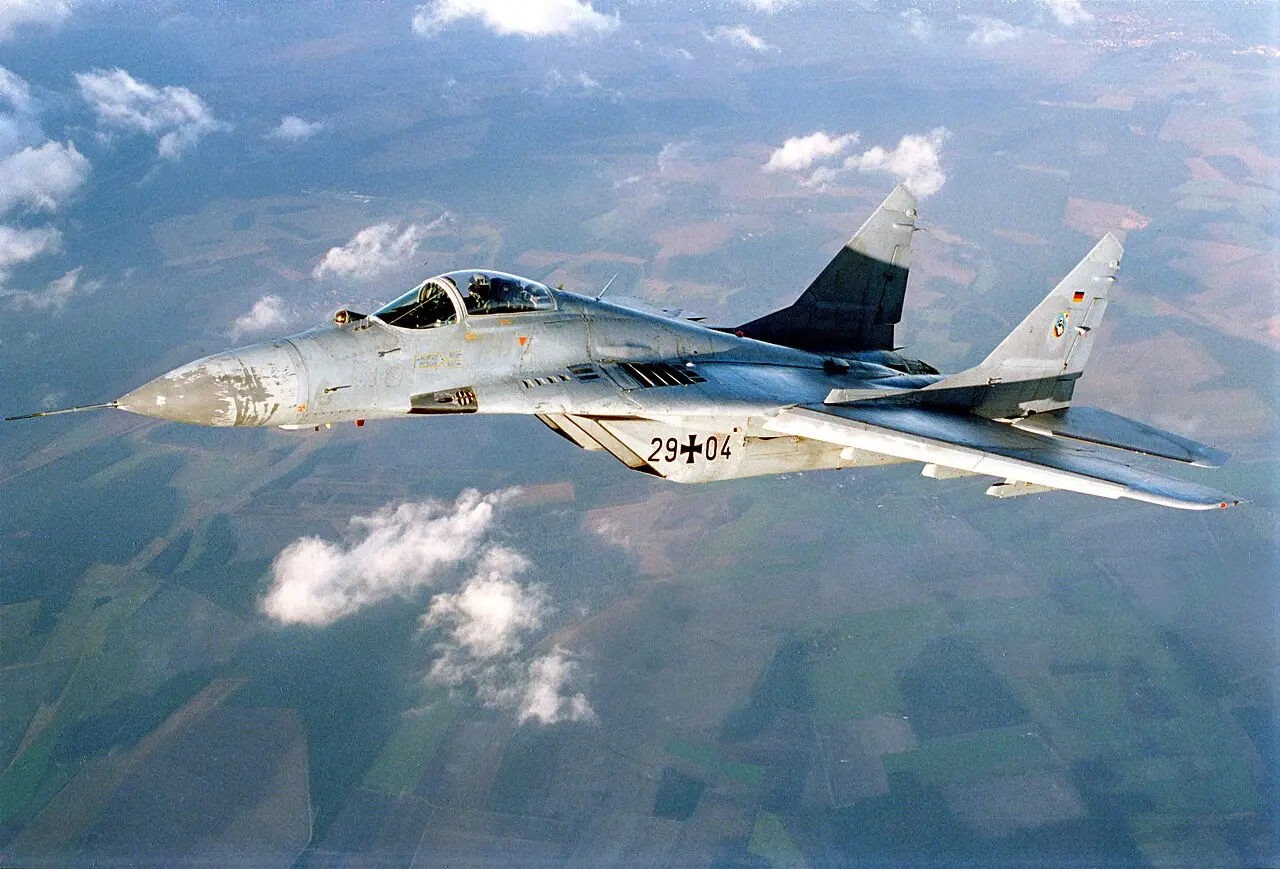
India’s Defence Research and Development Organisation (DRDO) and the Indian Air Force (IAF) have already tested a bio-jet fuel derived from Jatropha oil, successfully flying an AN-32 transport aircraft using a 10 per cent blend. The next step is scaling such fuels for high-performance platforms like the Tejas and AMCA.
3. How biofuel blends work in fighter jet engines
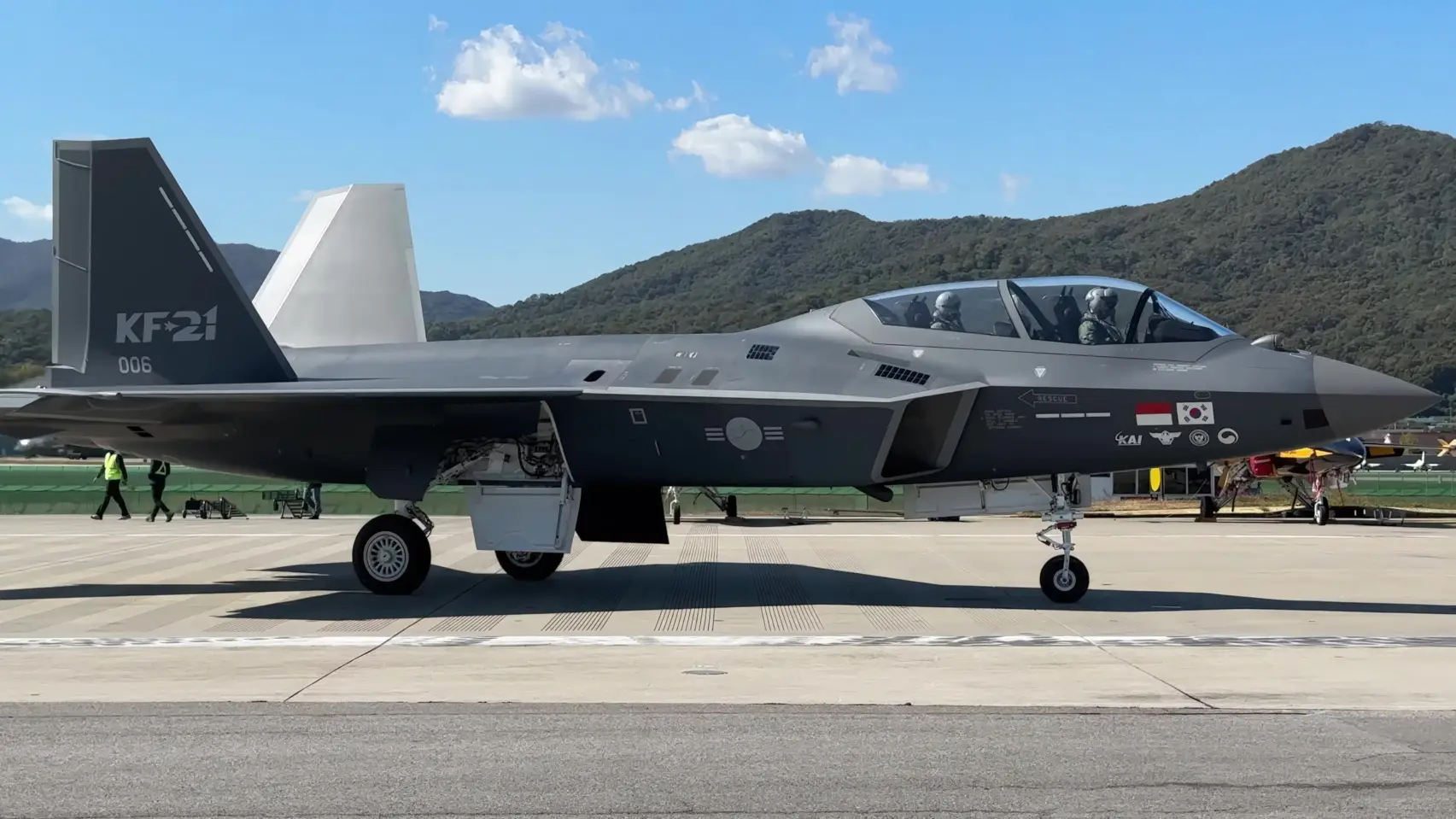
Aviation biofuels are produced from non-edible oils, algae, or agricultural residues. They are refined to match the chemical properties of traditional Jet A-1 fuel. When blended in ratios up to 50 per cent, they burn cleaner while maintaining thrust, combustion stability, and thermal efficiency, ensuring no loss in flight capability.
4. Reducing dependence on imported aviation fuel
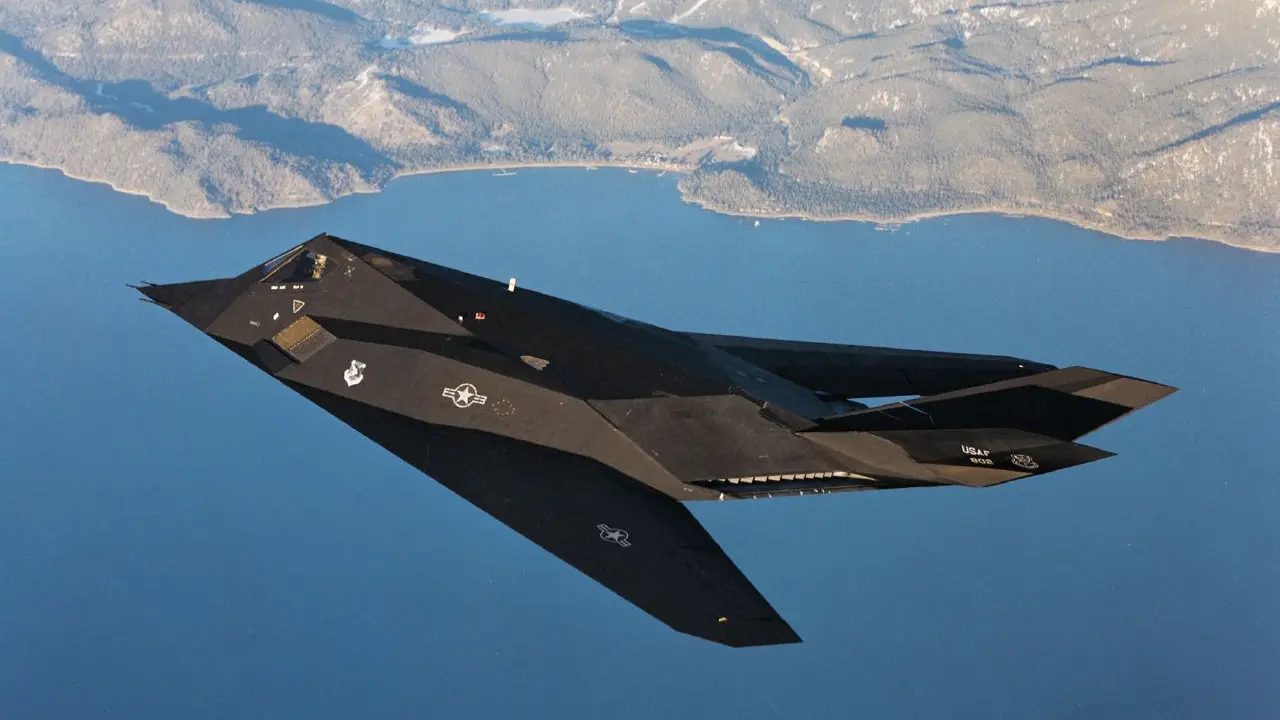
India imports nearly all its aviation turbine fuel. Developing indigenous biofuel production could lower dependency, improve energy security, and provide a strategic advantage during prolonged military operations when refuelling logistics are strained.
5. Engineering challenges to overcome
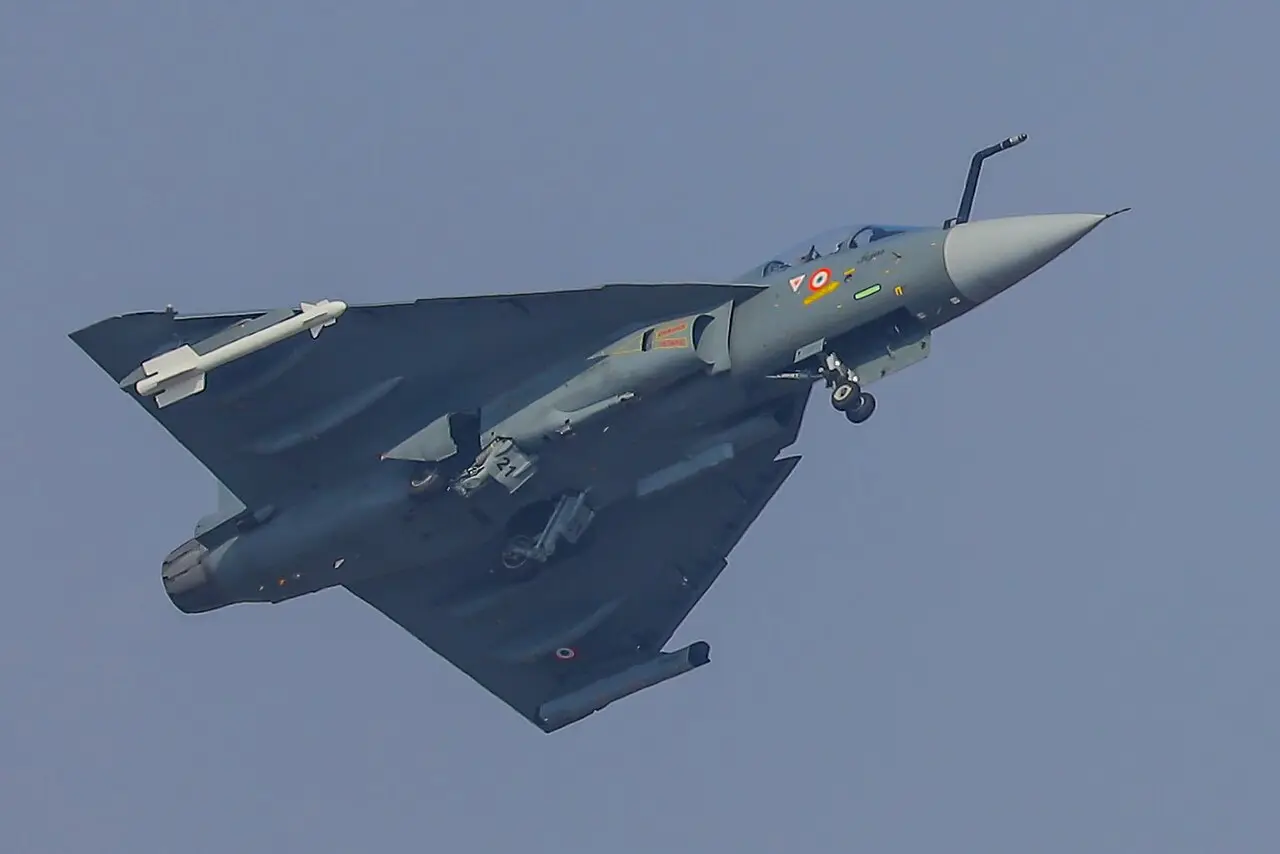
Despite successful trials, large-scale adoption faces hurdles: maintaining performance consistency at high altitudes, preventing freezing in sub-zero conditions, and ensuring long-term storage stability. Fighter engines demand extremely narrow tolerances, even slight inconsistencies in fuel quality can affect operation.

6. Environmental and geopolitical implications
Switching to biofuel blends could reduce carbon dioxide emissions by up to 60 per cent, positioning India as a leader in green defence technology. It aligns with the country’s commitments under international climate accords and demonstrates how sustainability can coexist with national security imperatives.

7. A realistic future for Indian biofuel-powered jets
Experts predict the next phase of India’s indigenous fighter programme, including the Tejas Mk2 and Advanced Medium Combat Aircraft (AMCA), could feature engines certified for biofuel compatibility. While full replacement of fossil fuels remains distant, hybrid biofuel systems may become a standard feature in the next decade.
)
)
)
)
)