Can future fighter jets share sensor data in swarms using quantum-encrypted networks?

Integrating quantum links into fast-moving jets is complex. Maintaining line-of-sight for photon transmission, vibration isolation, and rapid error correction are technical hurdles.
1. The rise of networked air combat
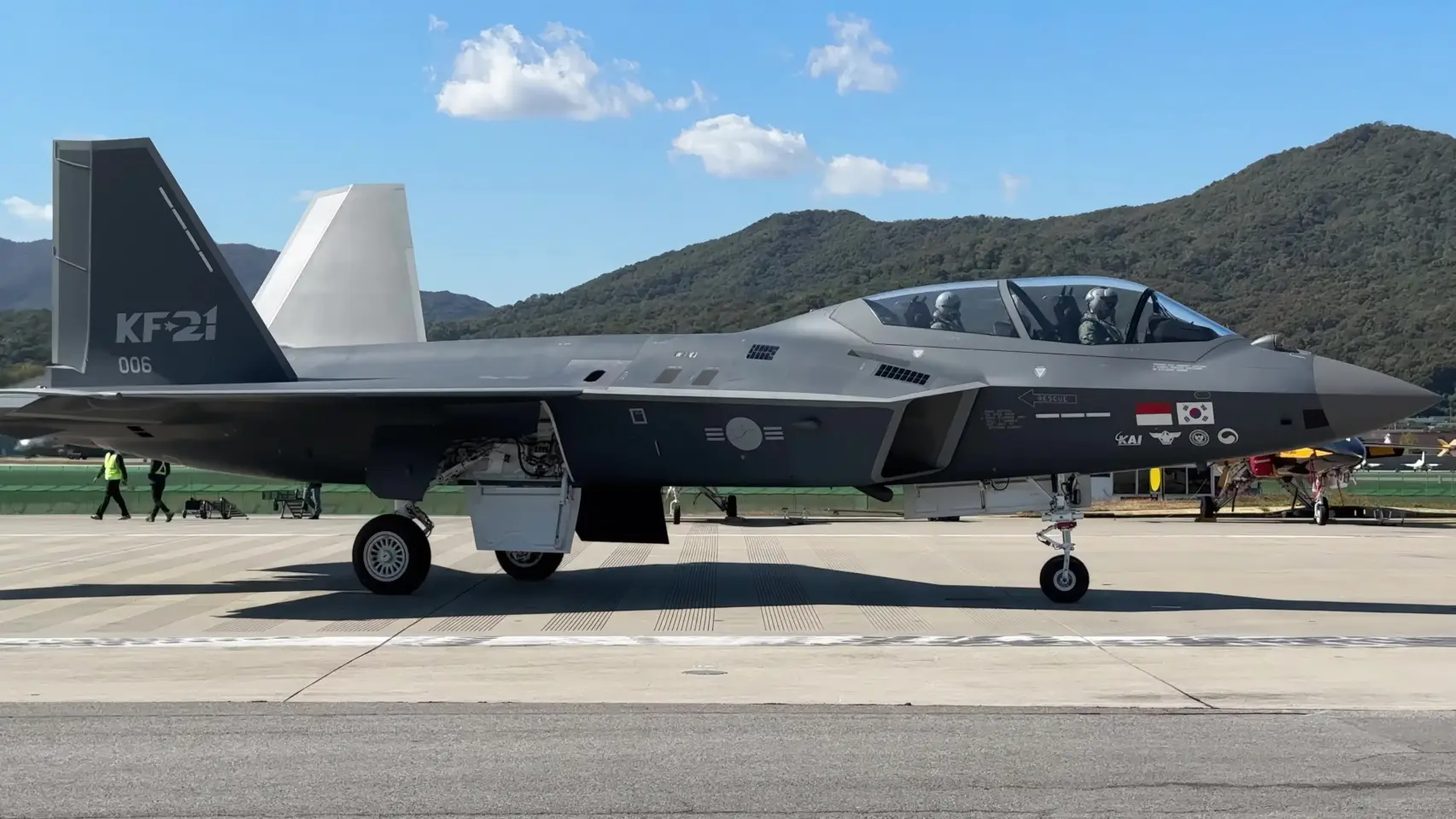
Next-generation fighter jets are expected to operate not as isolated aircraft but in coordinated swarms, exchanging real-time sensor data to improve situational awareness. Using quantum-encrypted communications, these networks could share information without risk of interception or hacking.
2. What quantum-encrypted networks are
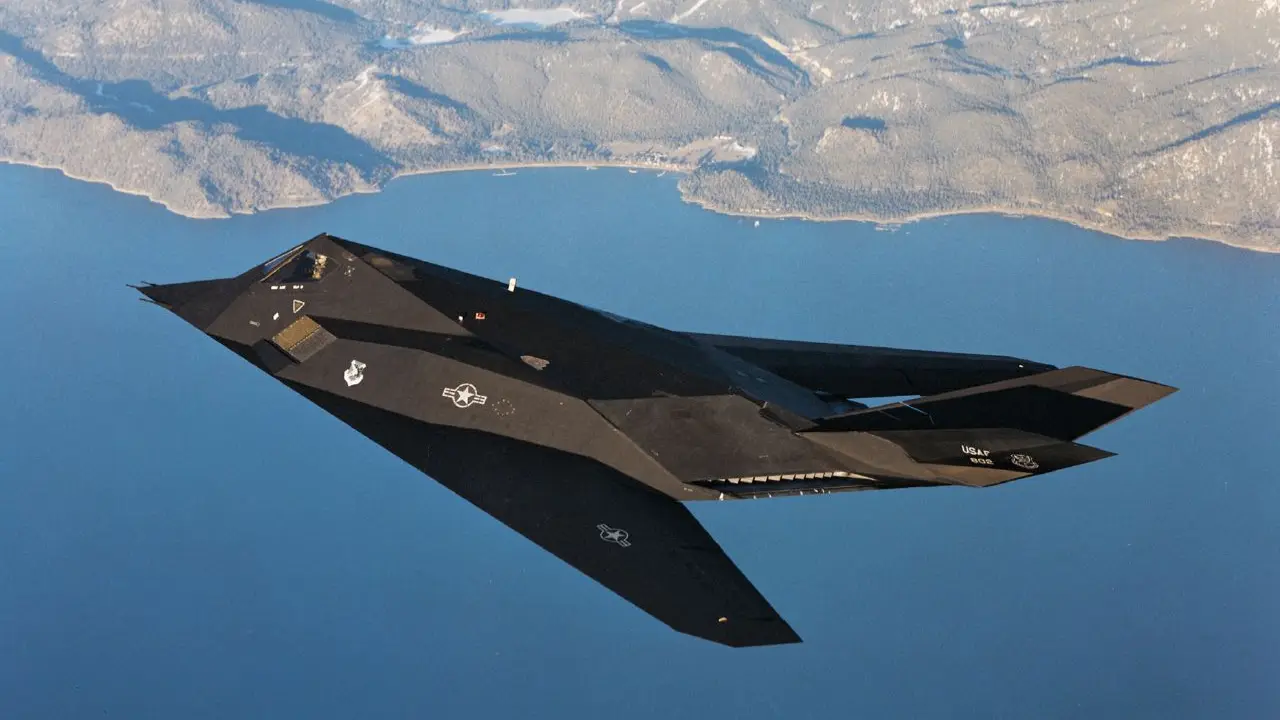
Quantum encryption relies on quantum key distribution (QKD), where information is transmitted using quantum particles like photons. Any attempt at eavesdropping changes the quantum state, instantly alerting the system. This provides virtually unbreakable security for critical military communications.
3. Swarm tactics in aerial warfare
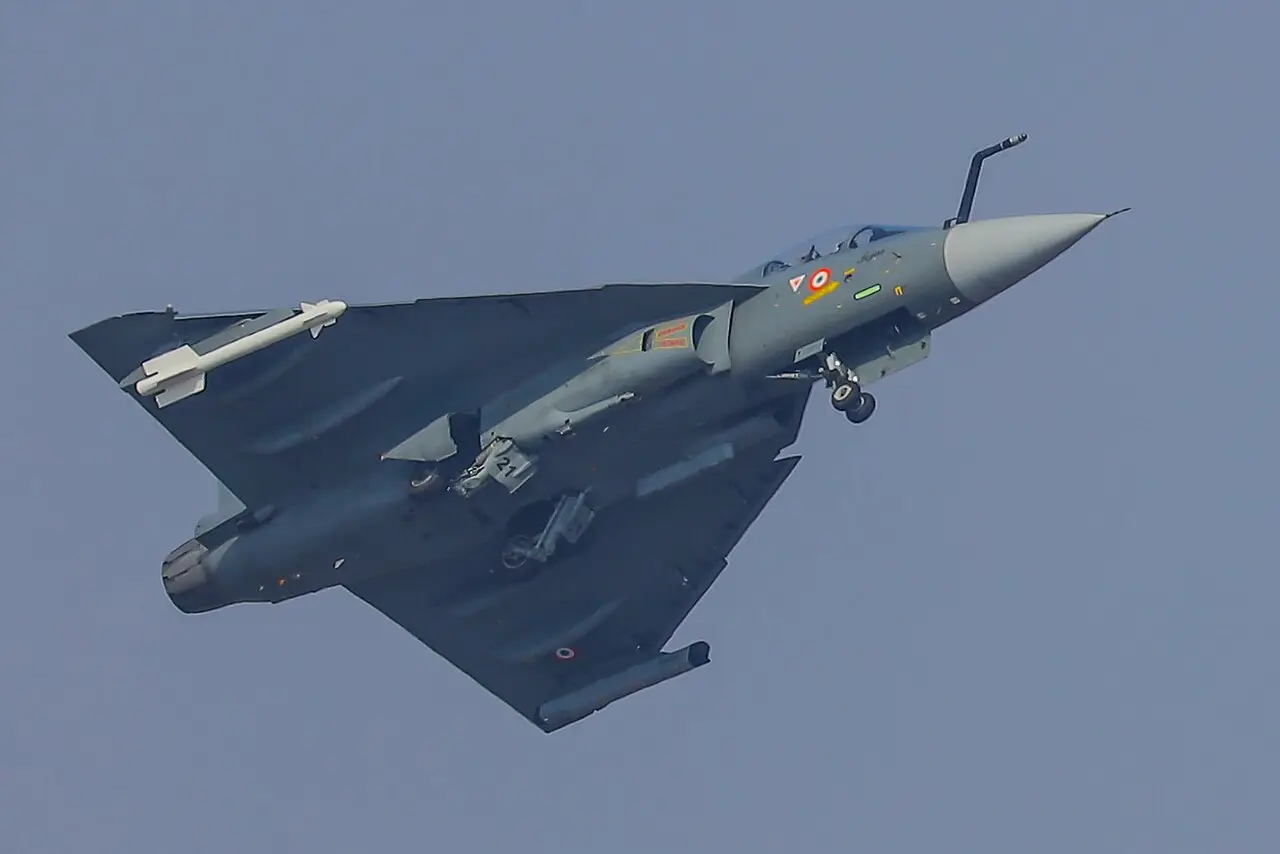
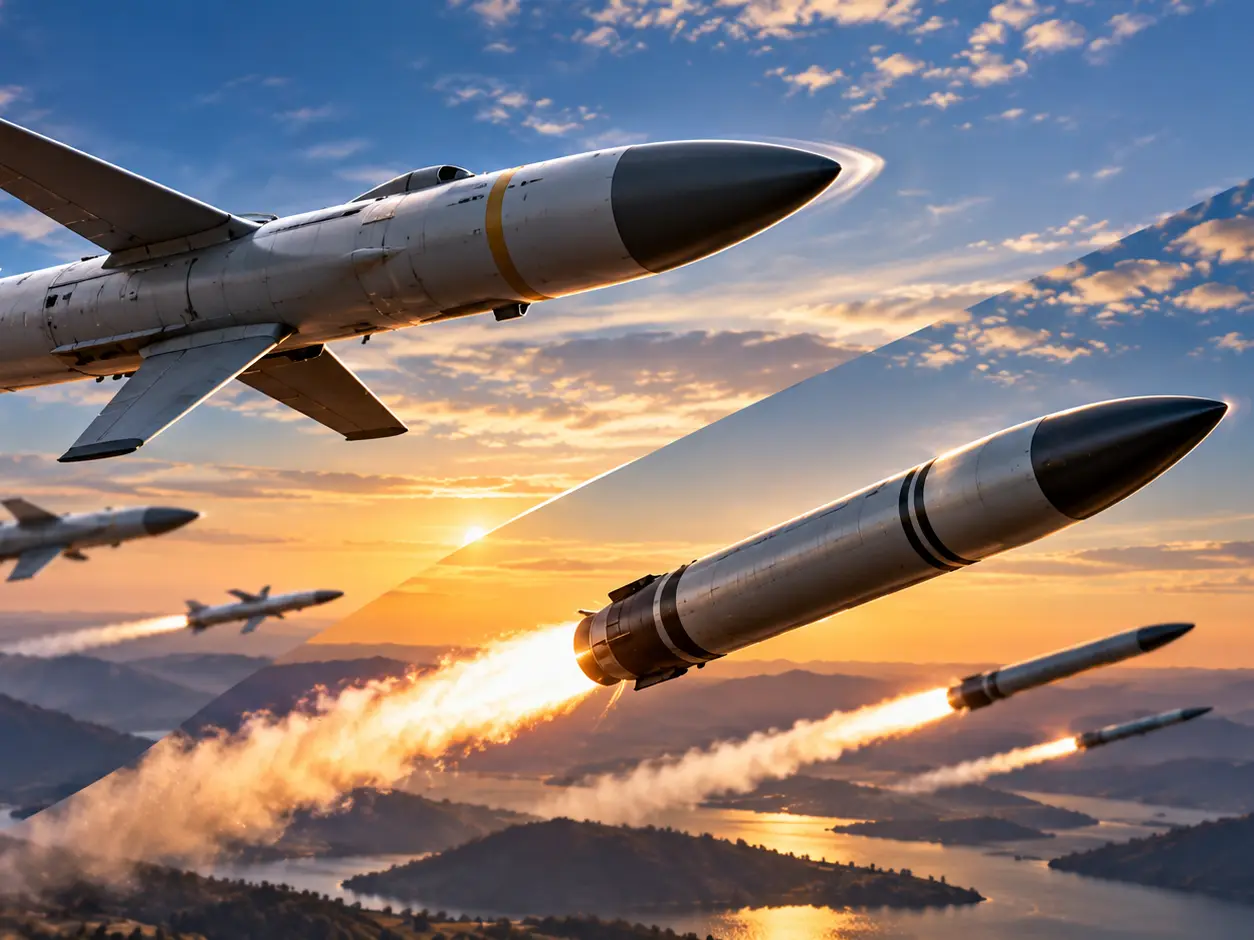
By connecting multiple jets in a swarm, pilots or AI systems can share radar readings, threat locations, and targeting data in real time. This allows faster decision-making and reduces the likelihood of being outmaneuvered by enemy aircraft or missiles.
4. Research and experimental platforms
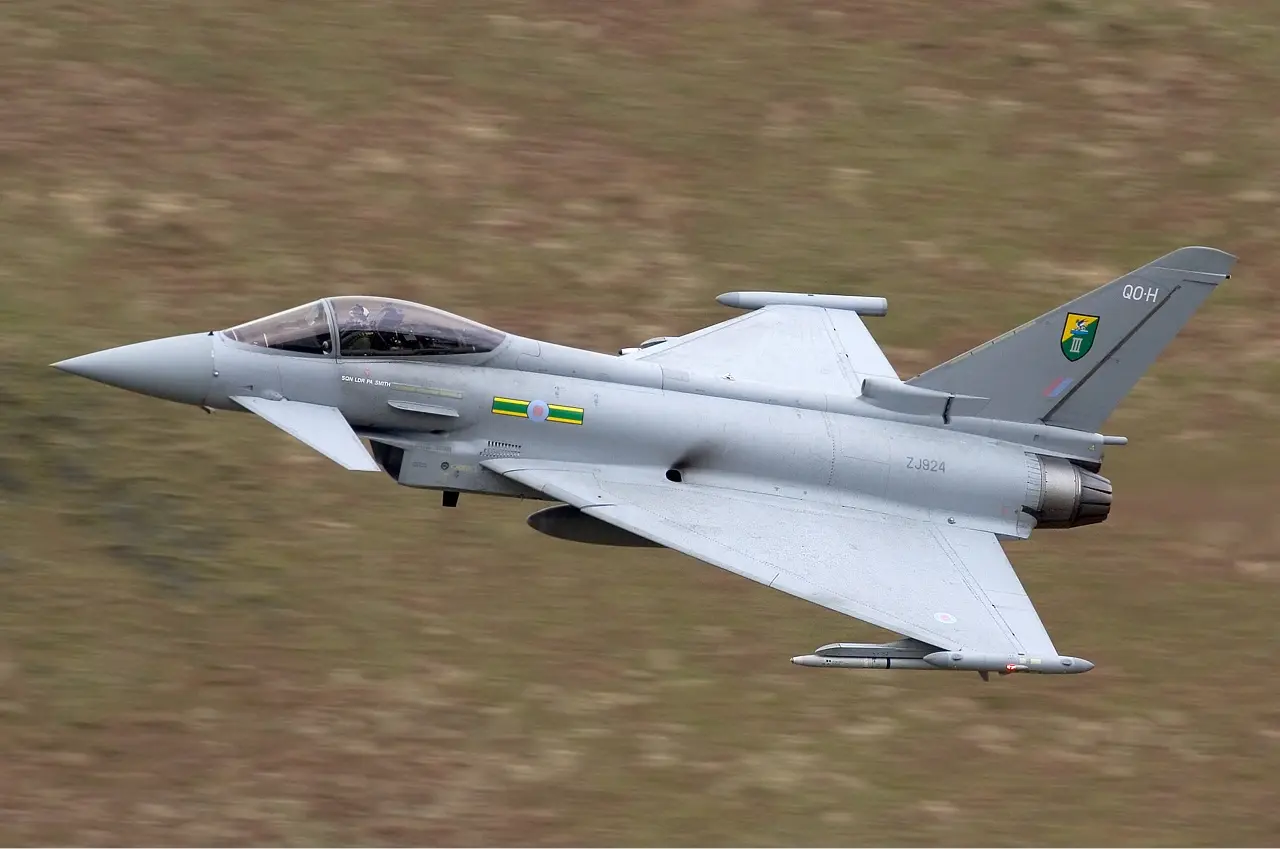
The US Air Force, DARPA, and the European Defence Agency are experimenting with quantum-secure links between aircraft and drones. Small-scale tests have successfully transmitted encrypted sensor data between moving platforms, paving the way for full-scale fighter swarm operations.
5. Benefits over conventional communications
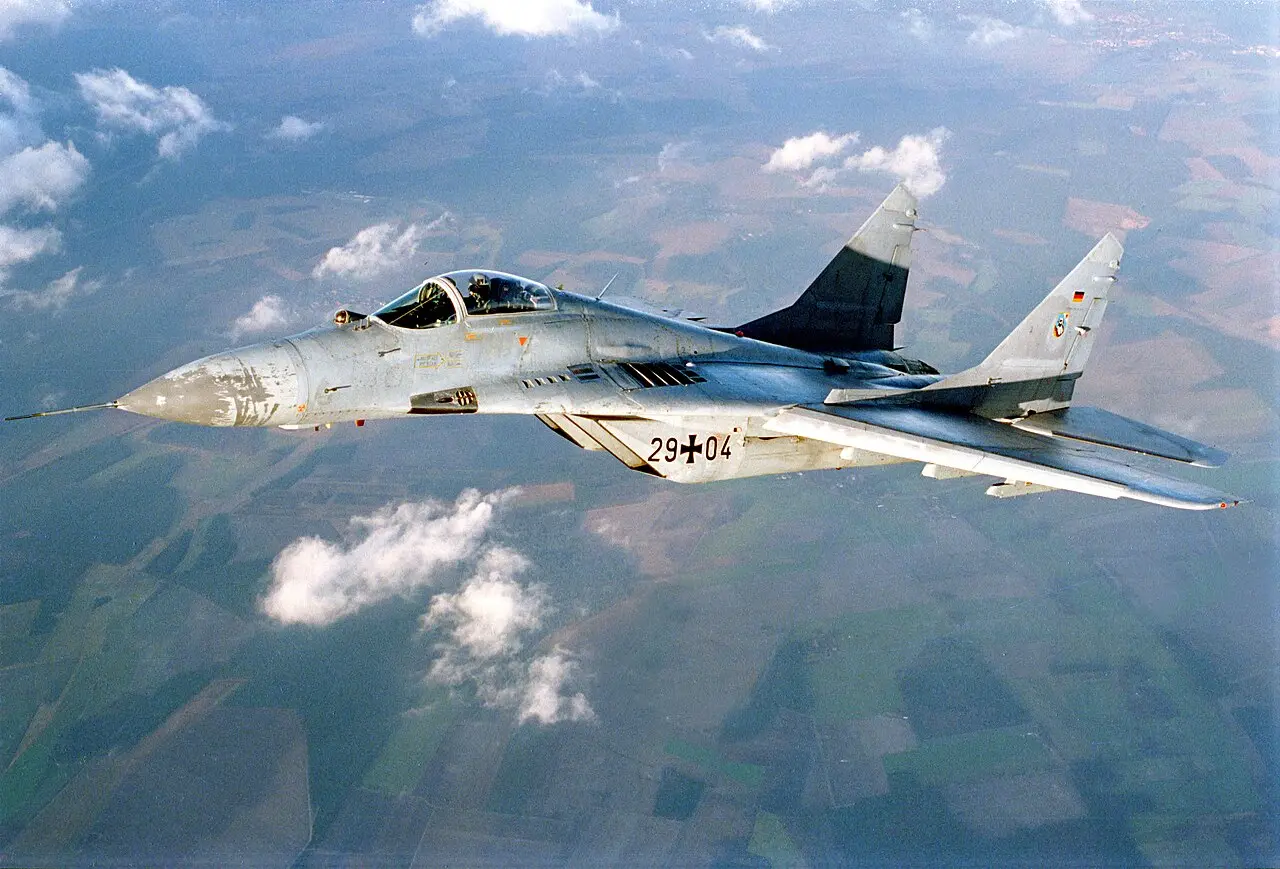
Traditional radio or satellite links are vulnerable to jamming, interception, or spoofing. Quantum-encrypted networks ensure that even if an enemy tries to listen in, the swarm’s communications remain secure, giving allied jets a decisive advantage in contested airspace.
6. Engineering and operational challenges
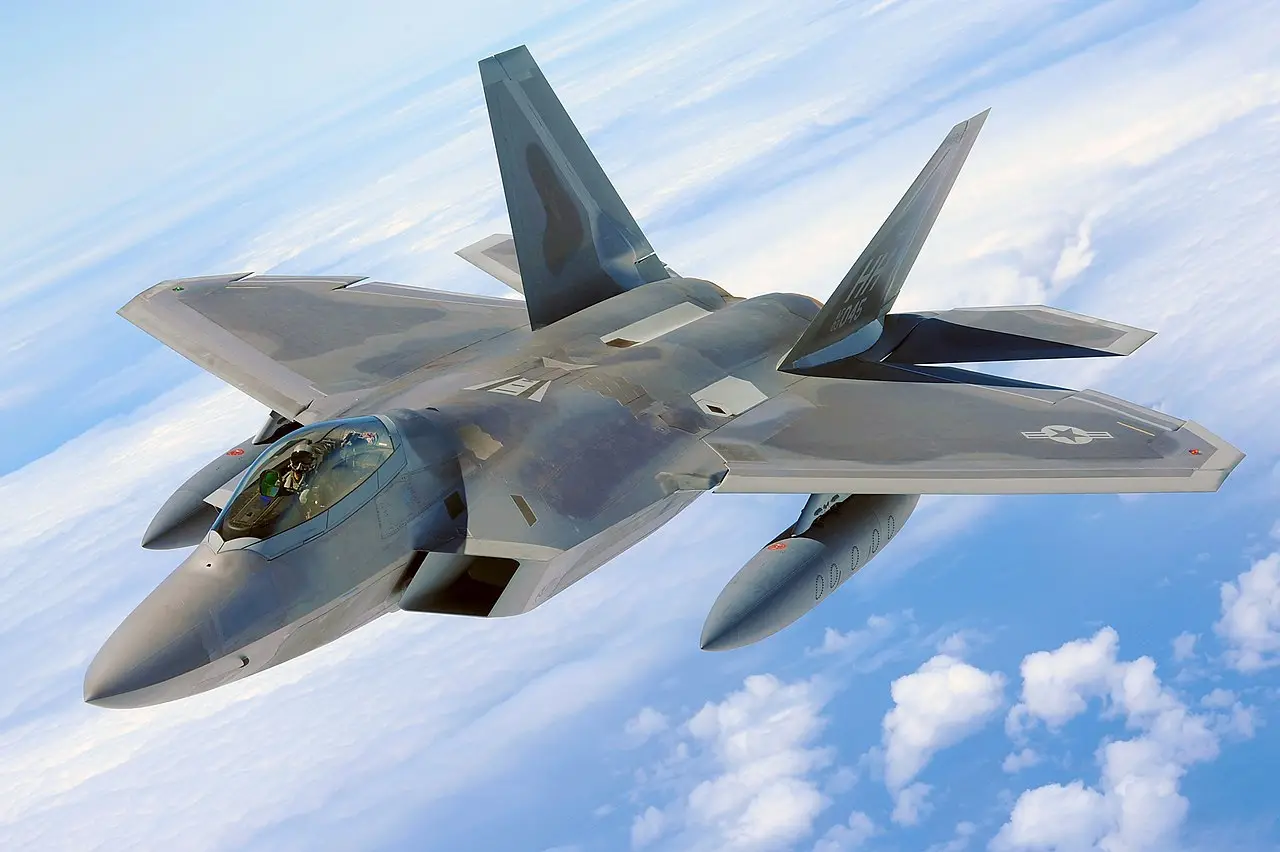
Integrating quantum links into fast-moving jets is complex. Maintaining line-of-sight for photon transmission, vibration isolation, and rapid error correction are technical hurdles. Additionally, AI coordination is required to manage the large volume of real-time data without overloading human pilots.
7. The future of aerial combat
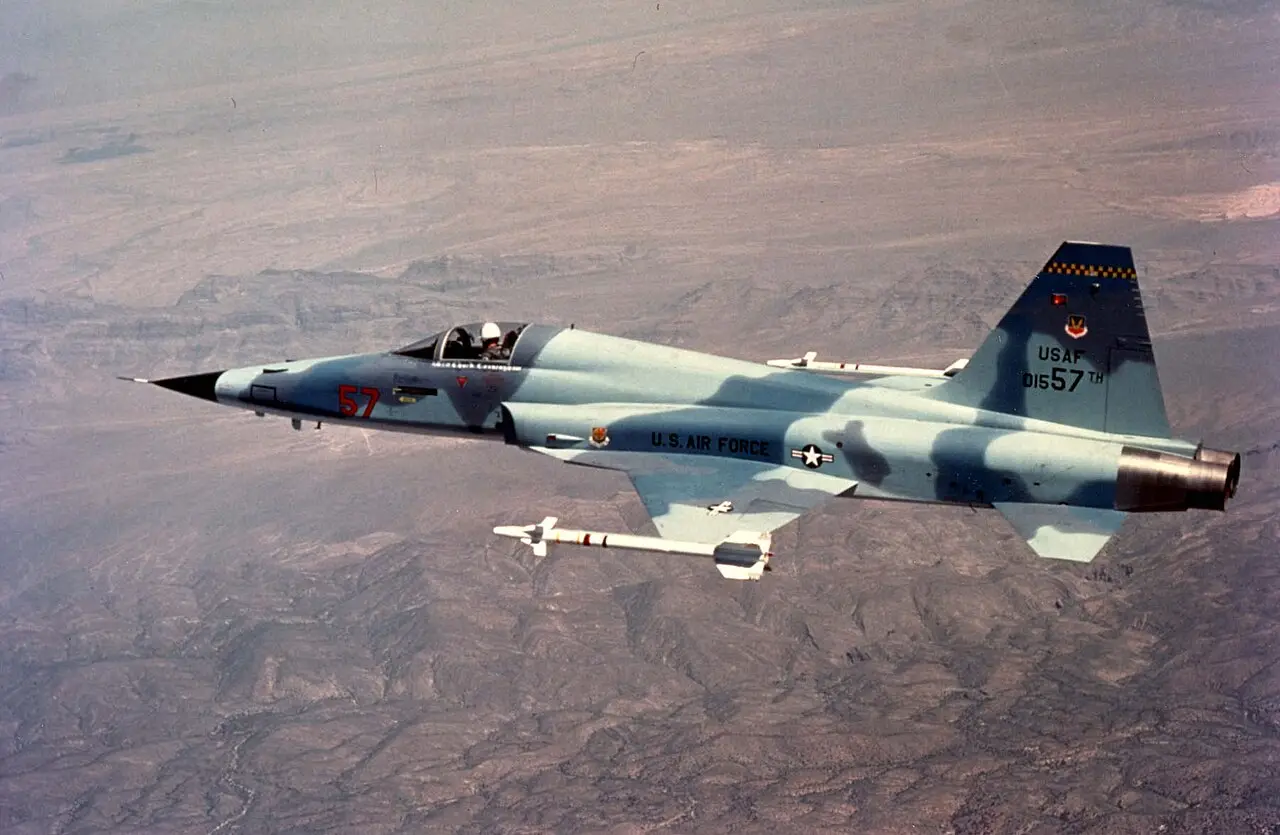
In the coming decades, air combat could feature AI-assisted fighter swarms, where human pilots act as mission commanders while quantum-secure networks allow instant data sharing across multiple platforms. This approach promises unprecedented coordination, survivability, and tactical flexibility.
)
)
)
)
)