Can artificial intelligence heal a broken heart? The rise of AI therapists

AI therapists are helping mental health by chatting with people, offering support, and guiding care. Research shows these virtual counsellors can reduce loneliness and provide early help. Know how AI is shaping mental wellbeing.
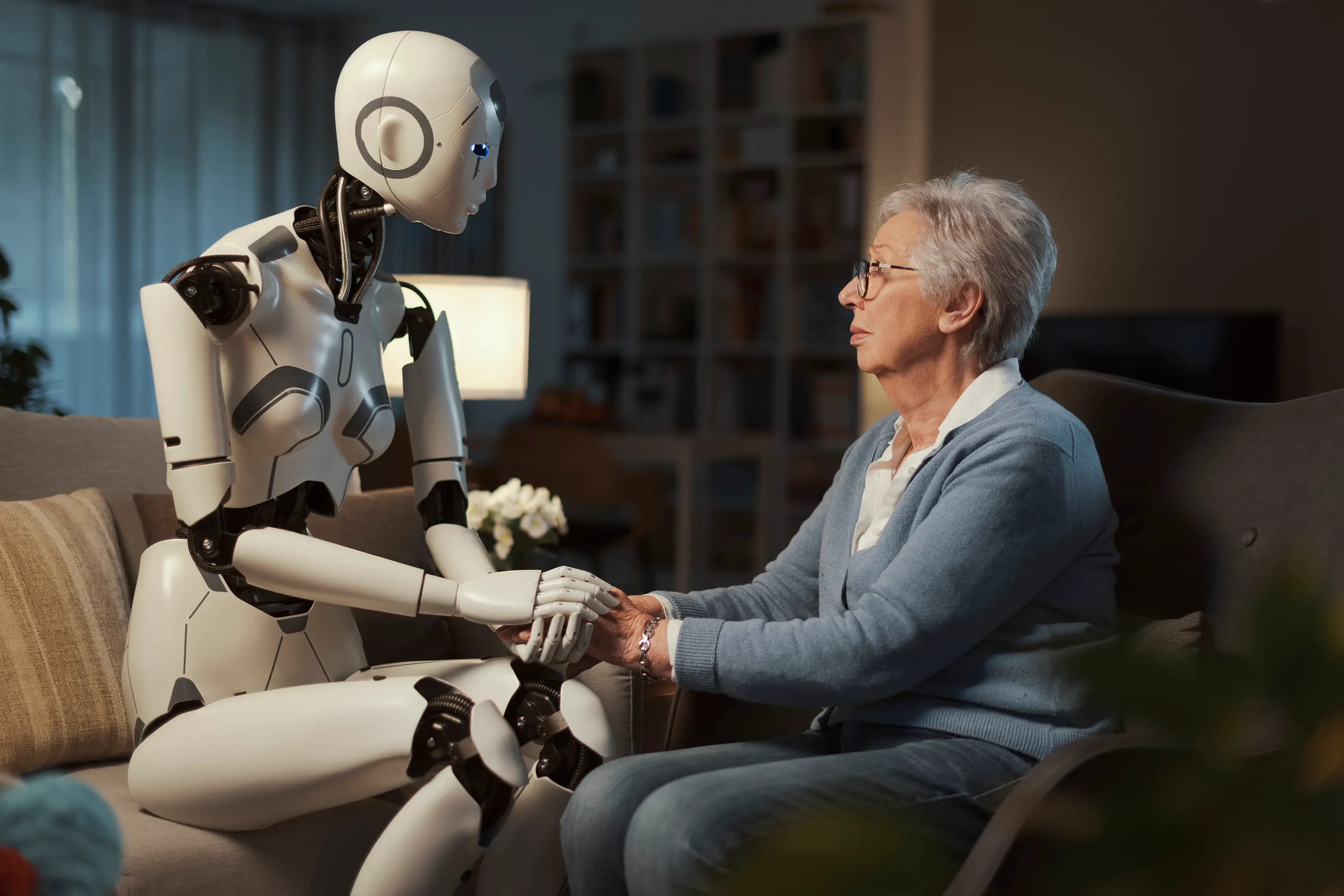
AI Therapists On The Rise
AI is making a change in mental health, offering help when human therapists are not available. According to a WHO report, over 280 million people suffer from depression worldwide, creating a huge demand for support that AI can partially fill and AI researcher says AI will improve more in future.
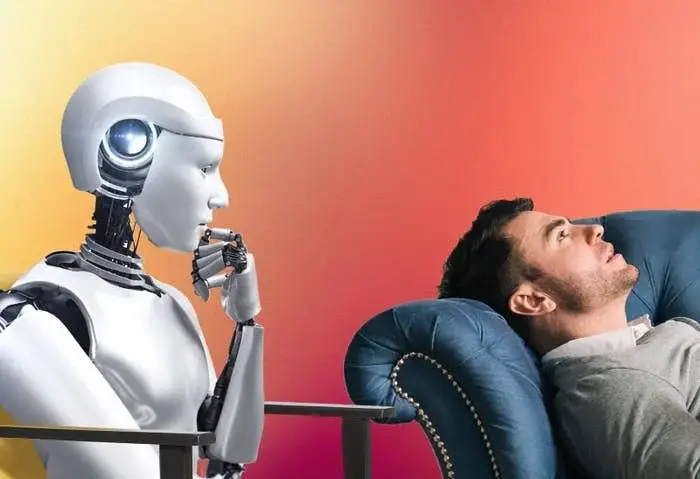
What Are AI Therapists?
AI therapists are chatbots that are programmed to understand and respond to human questions. They can hold conversations, offer coping tools, and remind users to stay on track with mental health activities.
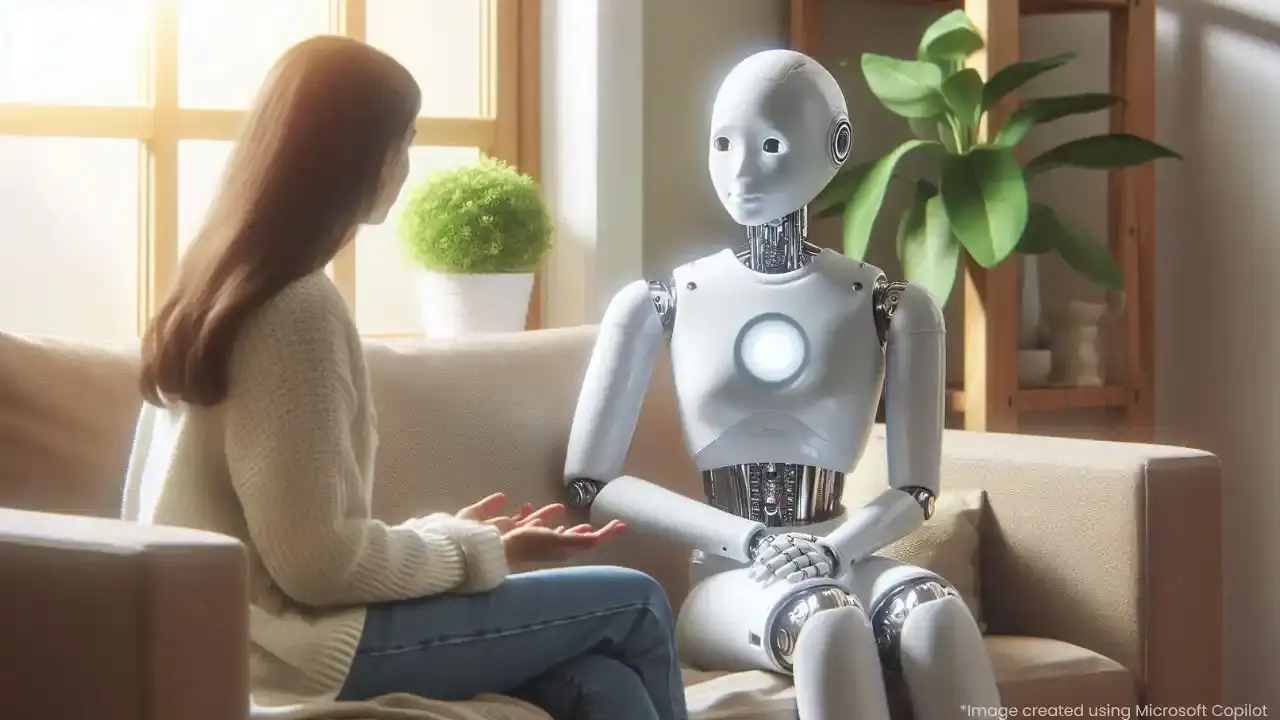
Chatbots Like Woebot and Wysa
Apps like Woebot and Wysa use AI to deliver cognitive behavioural therapy (CBT) exercises. Studies show users experience reduced anxiety and feel supported.

AI therapists Accessibility
AI therapists provide 24/7 access, helping people in remote or understaffed areas. They reduce the stigma of seeing a human therapist and use privacy-first designs, according to Mental Health America and related research.
Early Detection
Advanced AI systems analyse speech and text to detect early signs of depression or suicidal thoughts. They alert and suggest healthcare providers for timely intervention, improving outcomes.

Risks And Limitations
Experts warn AI cannot replace trained therapists fully. It lacks deep understanding of human emotions. The best use is as a first step or supplement to human care.

Future Of AI Therapy
AI mental health tools will get smarter by learning from interactions, offering personalised help. Collaboration between AI and human therapists may improve mental health care worldwide, providing fast, scalable, and accessible support.
)
)
)
)
)