Can alien 3I/ATLAS carry microscopic life frozen from another star system?

Could comet 3I/ATLAS carry traces of life from another star? Scientists are exploring whether microbes could survive inside its icy layers as it travels through space. While there’s no proof yet, 3I/ATLAS may hold clues to how life spreads between worlds.
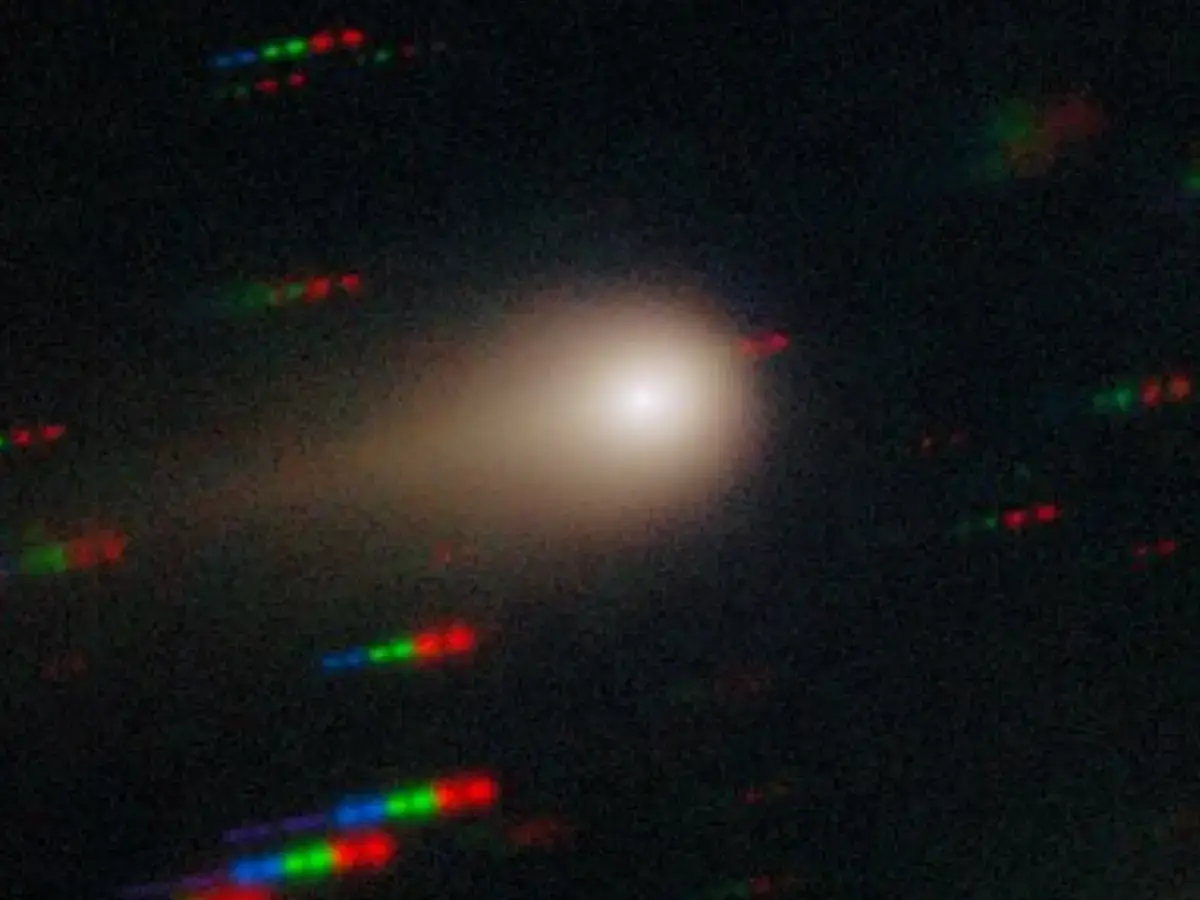
The Idea of Life on Comets
Scientists have long wondered if comets can carry tiny life forms called microbes or extremophiles, frozen in ice. Comets are porous and may protect these microbes from deadly space radiation during long travels across stars.
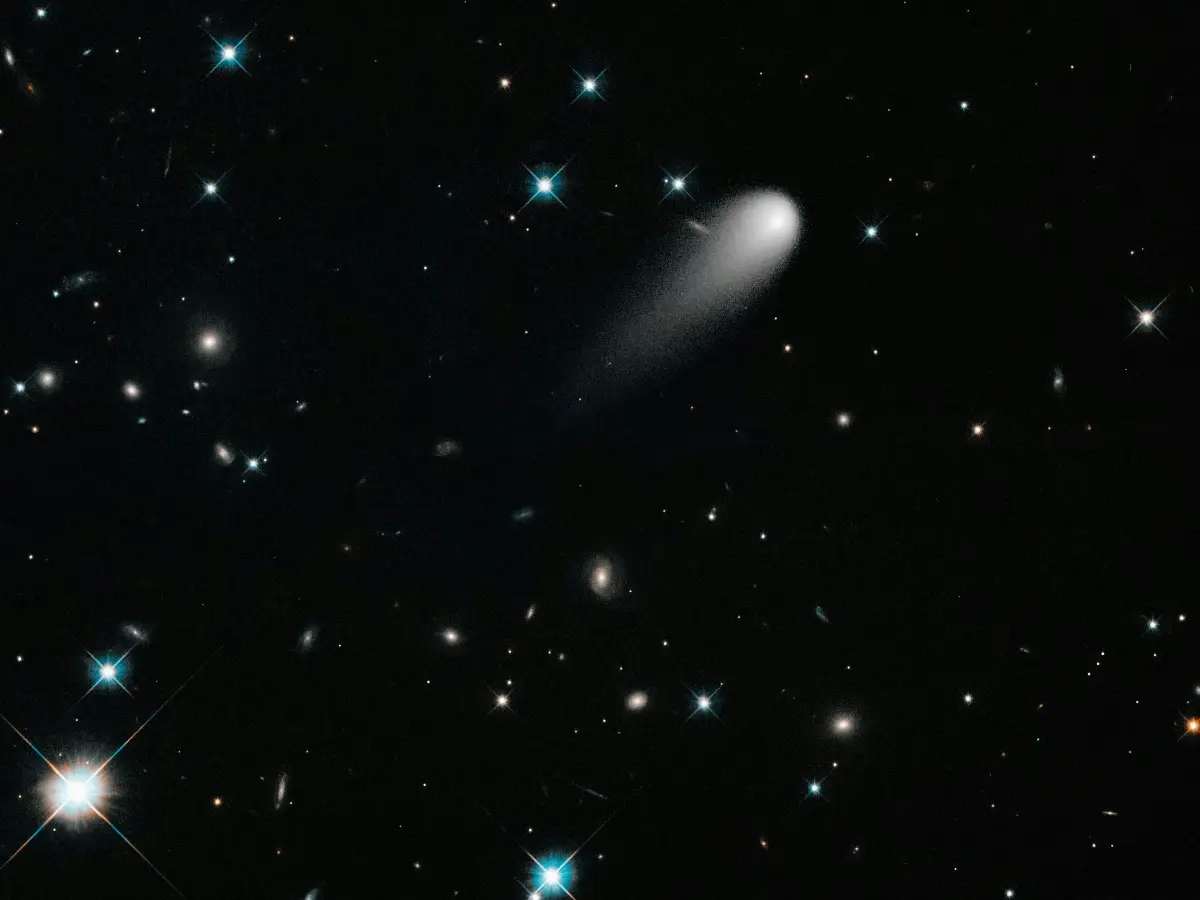
Could 3I/ATLAS Carry Microscopic Life?
3I/ATLAS contains water ice and complex organic molecules, essential for life. Its icy nucleus could shield microbes from radiation, potentially preserving life that formed in other parts of the galaxy.
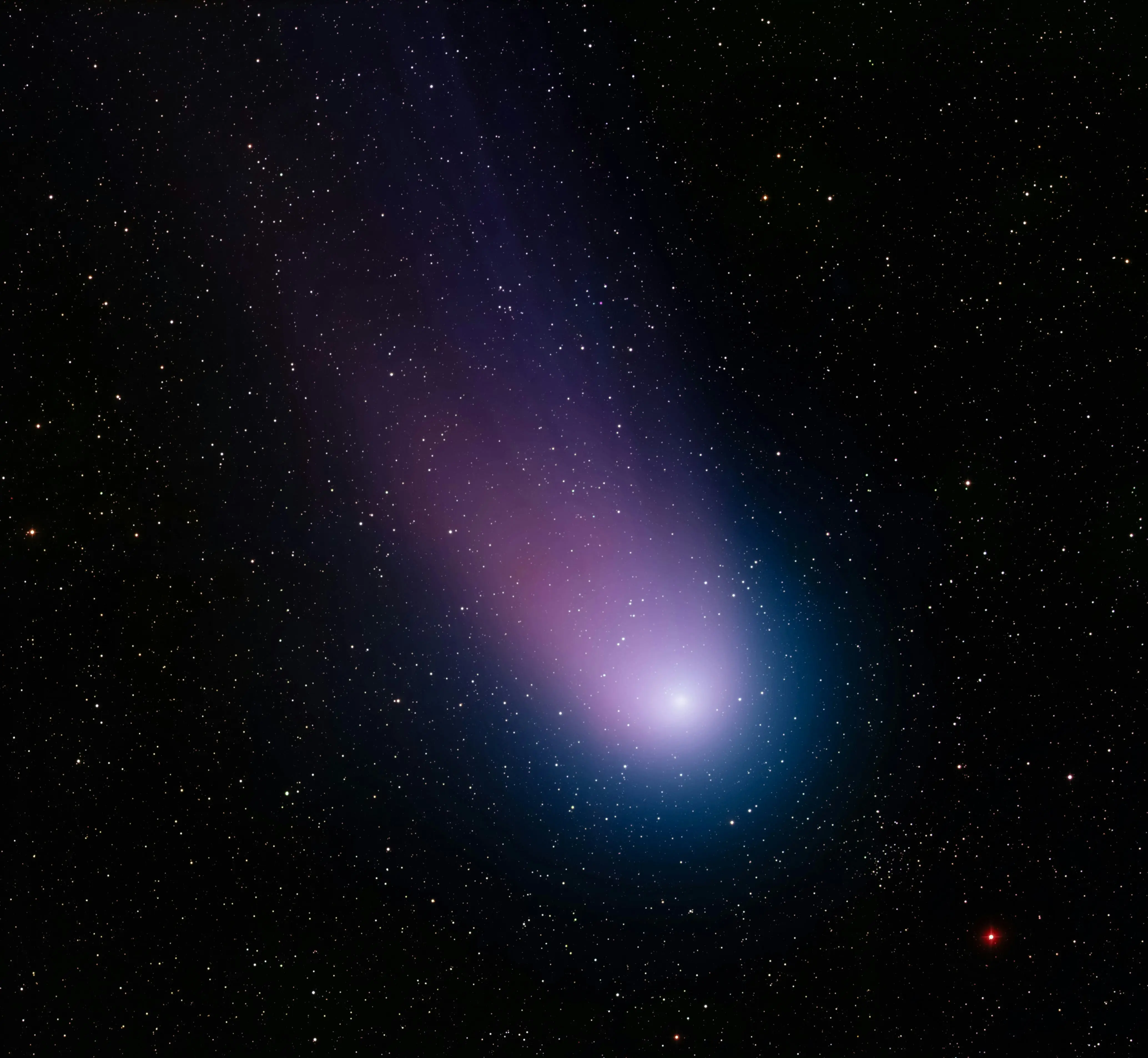
Challenges for Life’s Survival
The journey through space spans millions or even billions of years. Microbes would need to survive extreme cold, radiation, and impacts during both launch from its home system and entry into our solar system. Survival chances depend on how deep they are inside the comet.
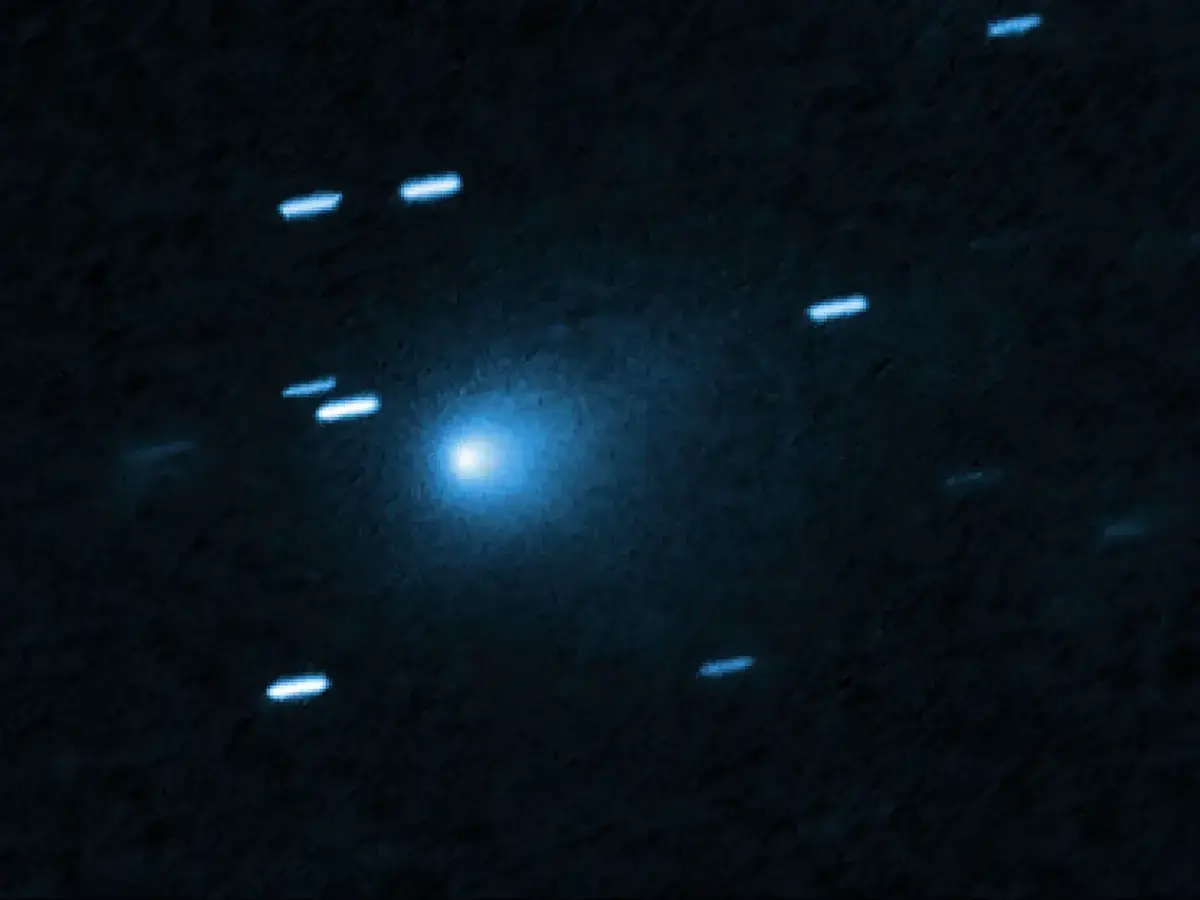
Why It Matters to Scientists
Finding life on 3I/ATLAS would revolutionise our understanding of biology and the universe. It would prove the theory of panspermia that life can spread between star systems via comets or asteroids.
No Evidence Yet
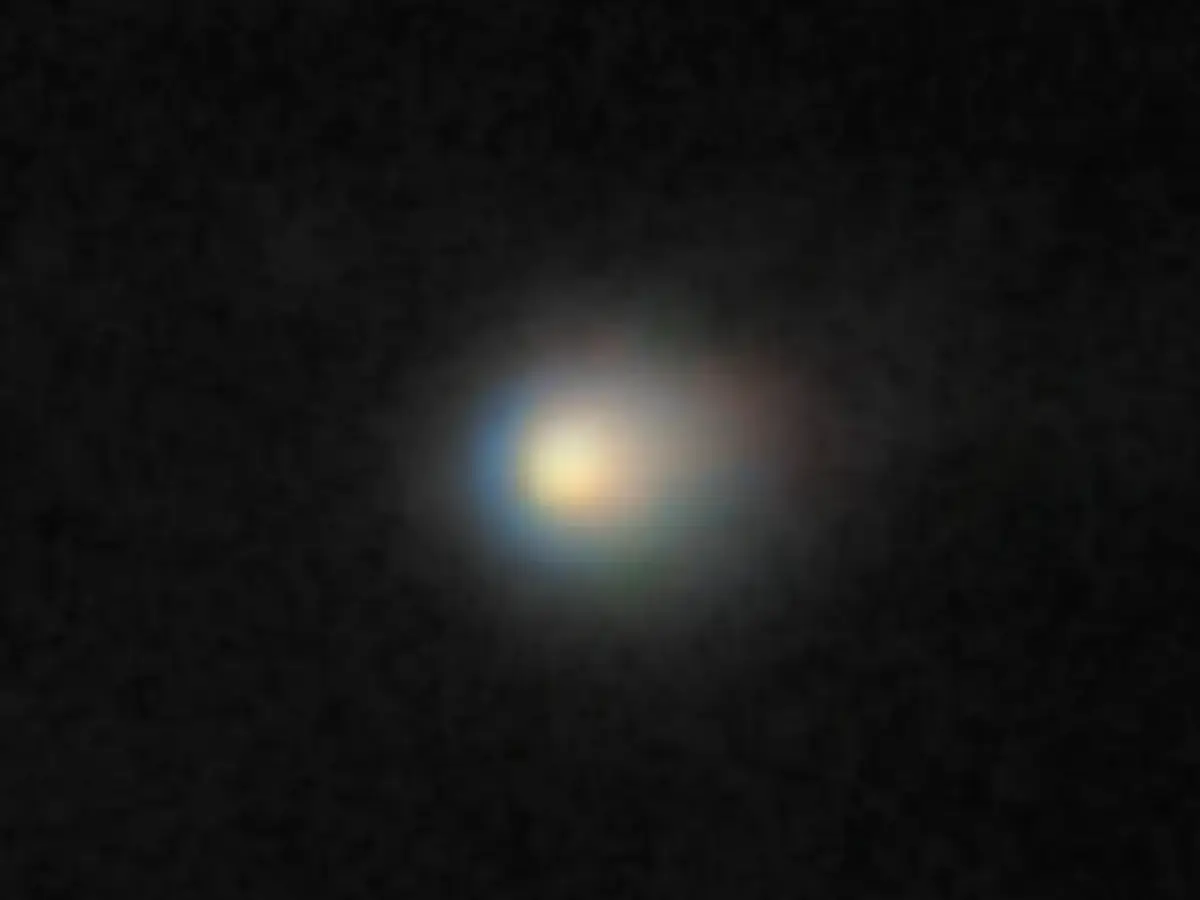
So far, there is no direct proof of life on 3I/ATLAS. Scientists are examining spectral data, dust, and gas compositions, and analysing outgassing patterns but have found no signs of life forms..
Future Missions and Studies
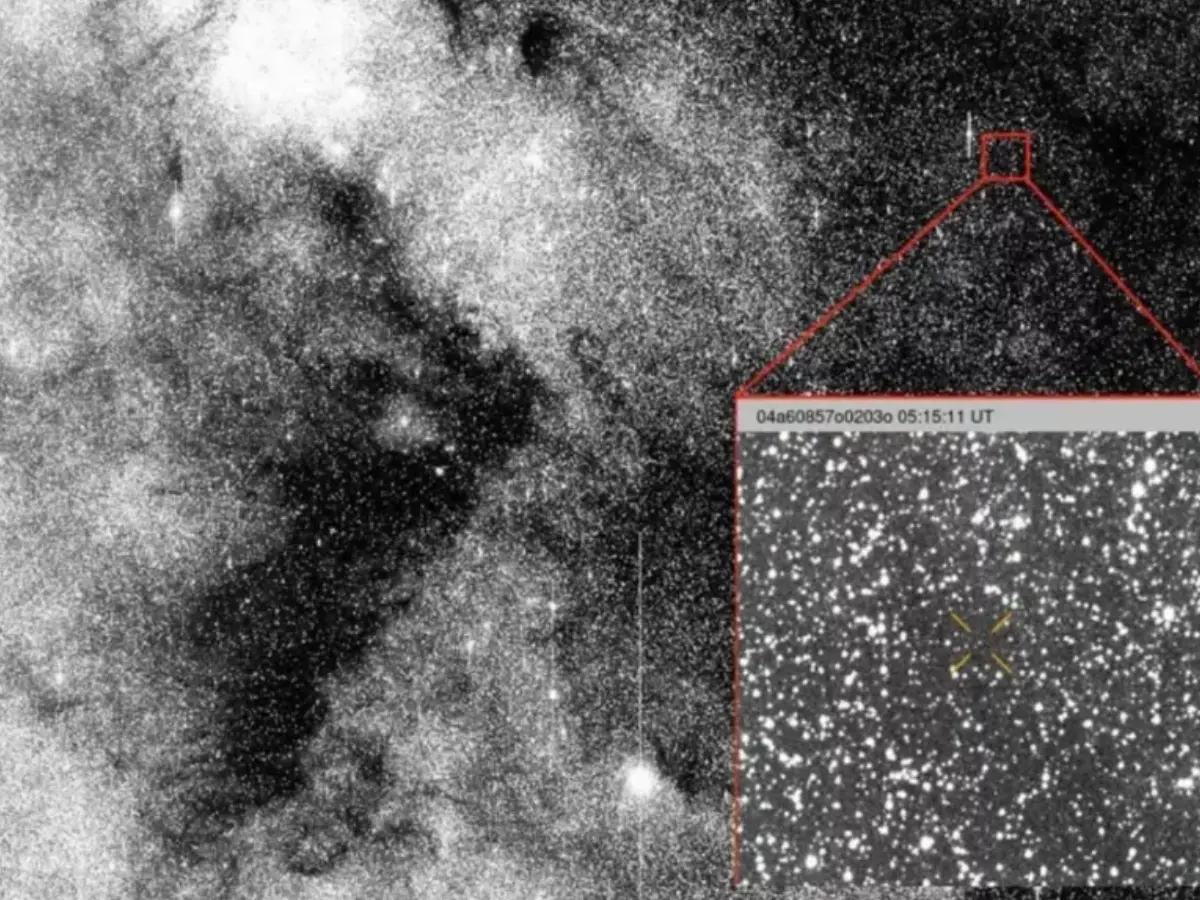
Space agencies plan to send probes to comet tails and nuclei in future missions. Studying 3I/ATLAS closely helps prepare for such missions by improving understanding of comet composition and structure.
A New Field of Science Emerges
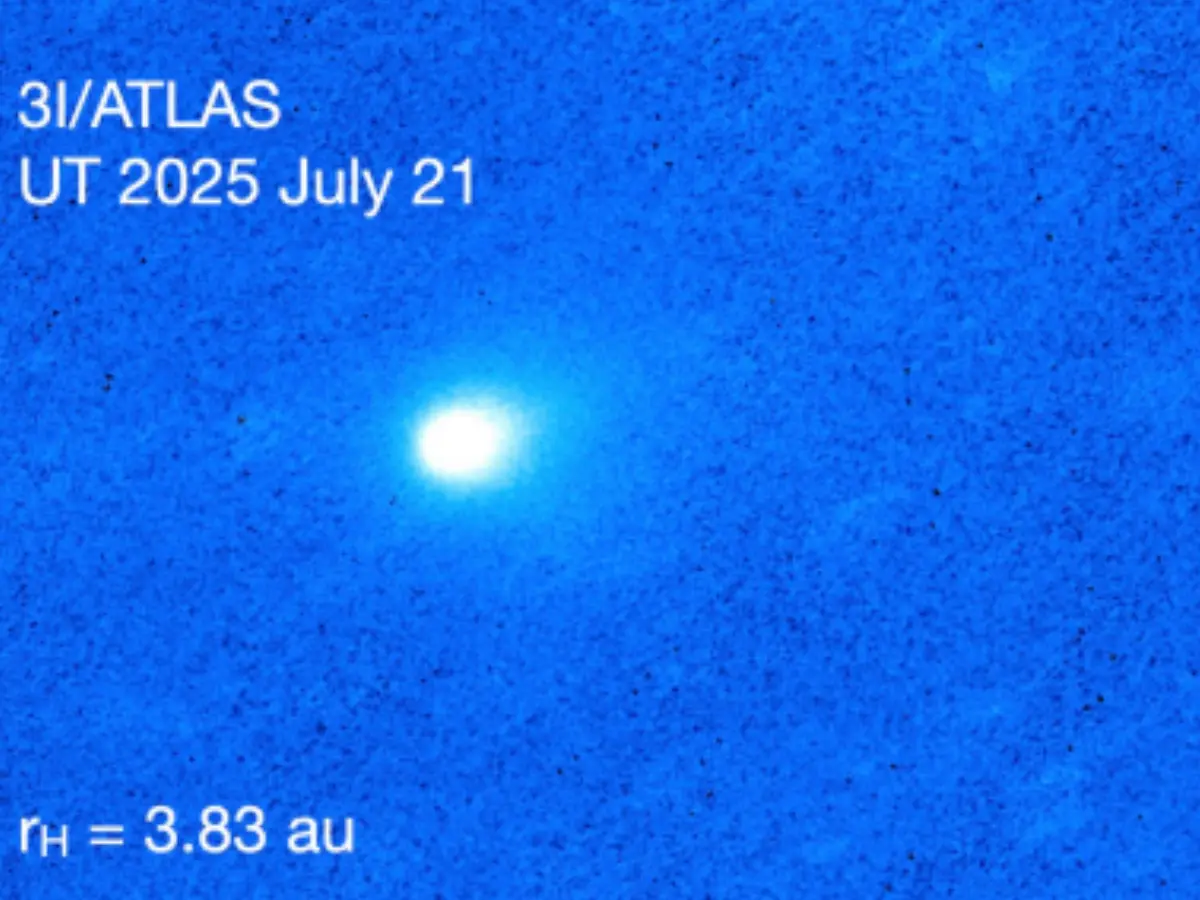
Astrobiology, the study of life in space, is expanding to include interstellar comets like 3I/ATLAS. These objects are natural laboratories helping us test life’s limits and possibilities in the vast galaxy.
)
)
)
)
)