Can AI maintenance bots inspect fighter jets automatically after every flight?

Engineers are also tackling cybersecurity risks, ensuring maintenance data cannot be manipulated or misread during combat operations. Human oversight remains essential for final clearance.
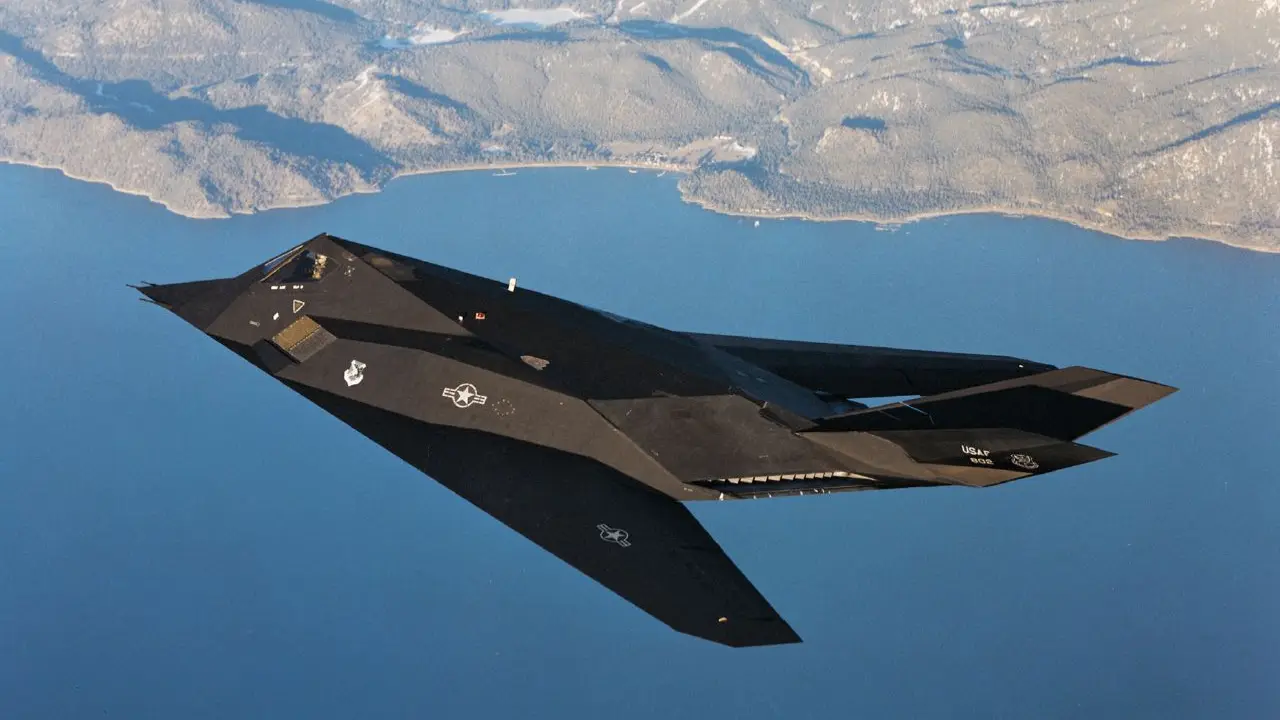
1. The next evolution in aircraft servicing
Defence laboratories and aerospace firms are developing AI-powered maintenance robots capable of scanning fighter jets immediately after landing. These bots would detect micro-fractures, heat stress, or electronic faults long before human engineers could, drastically reducing downtime between sorties.
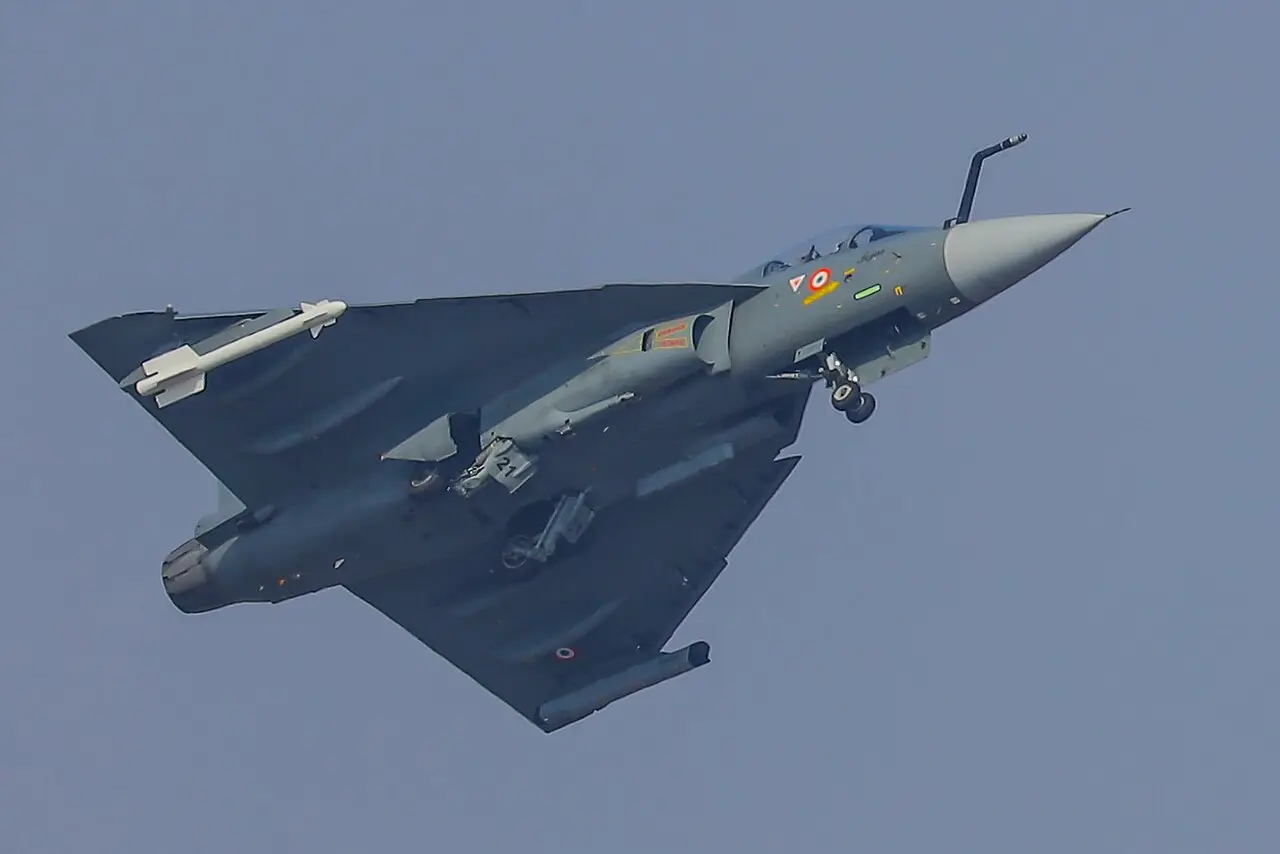
2. The inspiration: predictive maintenance in civil aviation
Commercial airlines already use predictive analytics to anticipate engine wear and component failure. Applying this concept to military aviation, AI bots would merge machine vision, ultrasonic sensors, and infrared imaging to check a fighter’s airframe, engines, and avionics within minutes of touchdown.
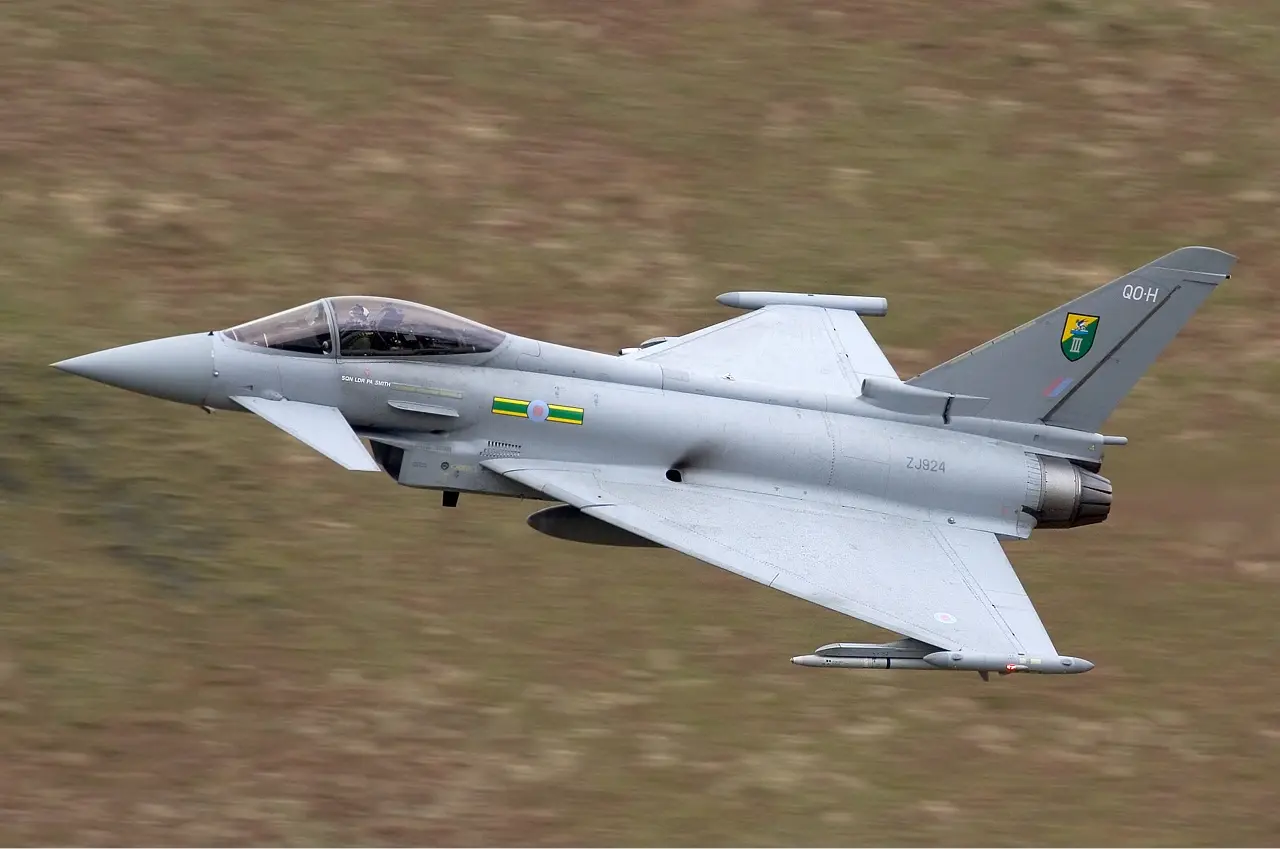
3. How the inspection system works
Equipped with high-resolution cameras and LiDAR, autonomous bots could map the entire aircraft surface and compare it against digital “twin” models. The AI would flag even microscopic deviations, corrosion, dents, or burnt wiring, which are often invisible to the naked eye but critical for flight safety.
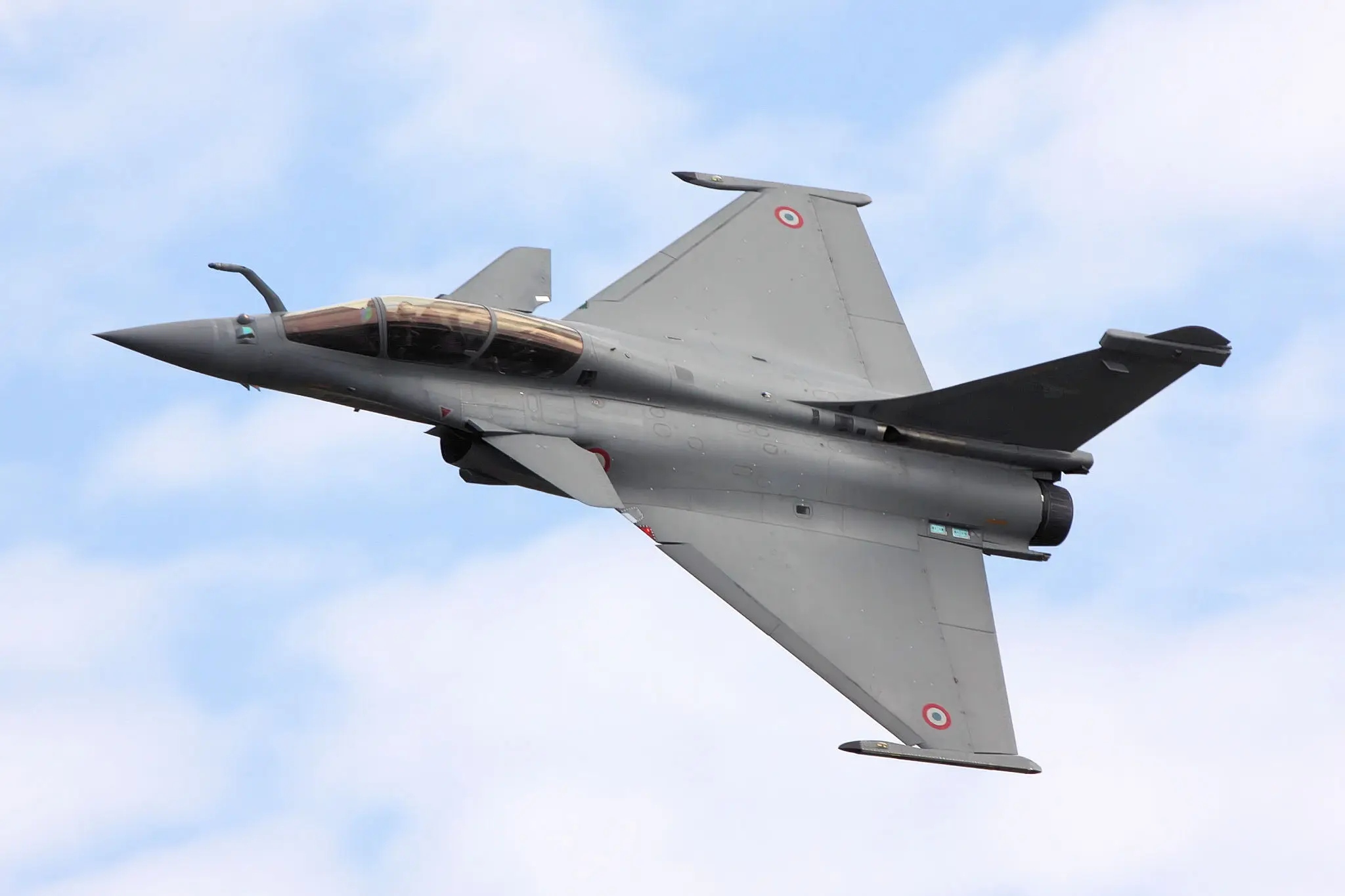
4. Integration with onboard health-monitoring systems
Next-generation fighters such as the F-35, Tempest, and AMCA already collect gigabytes of diagnostic data during flight. The AI bots would automatically sync with these onboard logs, cross-verifying in-flight alerts with physical inspection results to confirm or dismiss potential system faults.
5. Reducing human error and turnaround time
Traditional post-flight inspections can take several hours and rely heavily on manual checks. Automated systems could cut inspection time by up to 70 per cent, ensuring quicker aircraft availability. The AI’s ability to learn from recurring patterns would also improve fault prediction accuracy over time.
6. Challenges before deployment
Despite the promise, these systems must operate reliably in harsh conditions, from desert airfields to aircraft carriers. Engineers are also tackling cybersecurity risks, ensuring maintenance data cannot be manipulated or misread during combat operations. Human oversight remains essential for final clearance.
7. A glimpse of the future airbase
Imagine a future hangar where robotic arms, drones, and AI scanners swarm around a returning jet, diagnosing every panel and circuit automatically. Human technicians would no longer crawl under the fuselage with torches, instead, they’d review an AI-generated health report before approving the next mission.
)
)
)
)
)